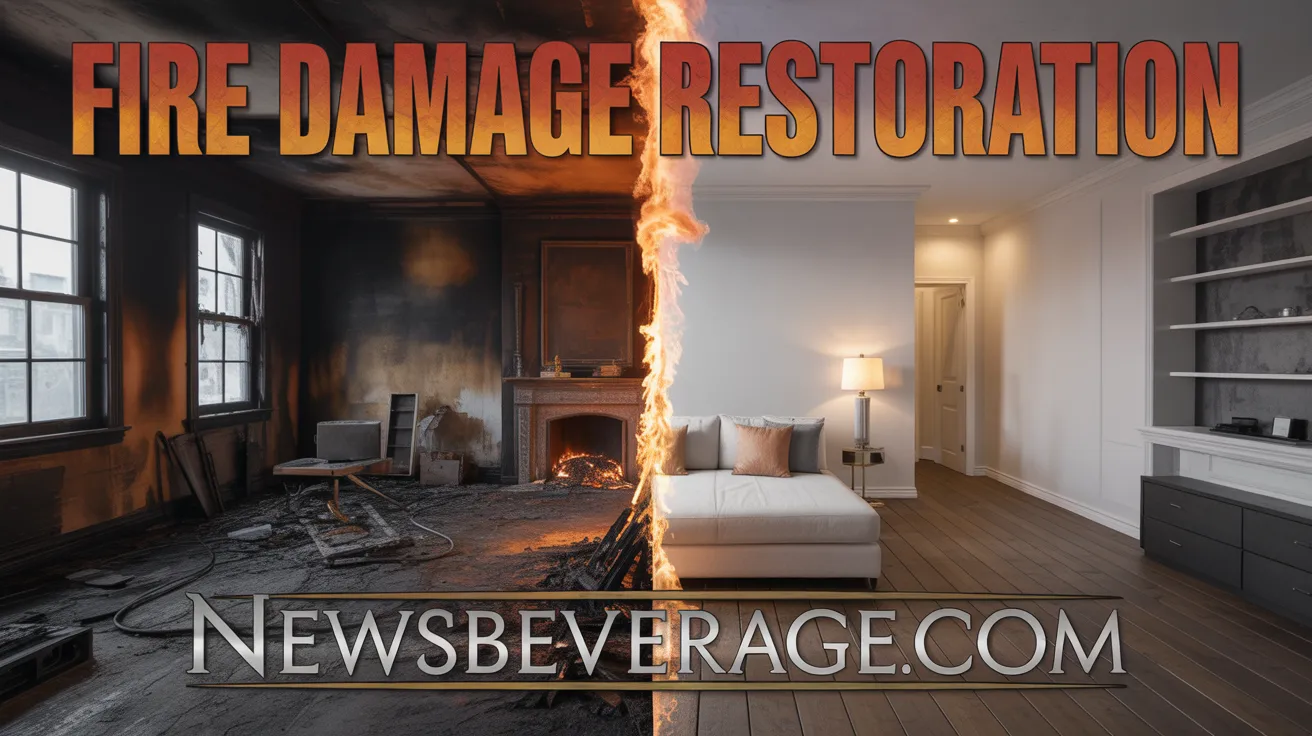
Fire Damage Restoration: The Complete Guide to Saving Your Home Fast In 2026
Introduction
A house fire is one of the most devastating things that can happen to you. In minutes, everything you have built and everything you love can be gone. The shock alone is overwhelming. But once the flames are out, a new challenge begins: fire damage restoration.
Fire damage restoration is the process of cleaning, repairing, and rebuilding a property after fire, smoke, and water damage have taken their toll. It is not a single task. It is a structured, multi-step process that requires speed, expertise, and the right team.
If you are dealing with the aftermath of a fire right now, or you want to be prepared before disaster strikes, this guide covers everything you need to know. You will learn what fire damage restoration involves, how the process works, what it costs, how to choose the right professionals, and how to protect yourself every step of the way.
What Is Fire Damage Restoration?
Fire damage restoration refers to the complete process of returning a fire-damaged property to its pre-loss condition. It covers far more than just fixing charred walls. Smoke, soot, and the water used to fight the fire all cause serious damage that must be addressed quickly.
According to the National Fire Protection Association (NFPA), fire departments in the United States respond to a home fire every 89 seconds. The aftermath of each of those fires requires professional attention to prevent long-term structural damage, health hazards from smoke and mold, and financial loss.
The three main types of damage that restoration professionals deal with are fire and heat damage, smoke and soot damage, and water damage from firefighting efforts. Each type requires a different approach, which is why fire damage restoration is best left to certified experts.
Why Speed Matters More Than You Think
Time is your biggest enemy after a fire. Smoke residue becomes more corrosive the longer it sits on surfaces. Within minutes, it begins to discolor plastics and appliances. Within hours, it permanently stains walls, ceilings, and furniture. Within days, mold can start growing from the water used to fight the fire.
Calling a fire damage restoration company within the first 24 to 48 hours is critical. The faster you act, the more of your home and belongings can be saved. Restoration professionals often say that quick action can cut total restoration costs significantly.
The Fire Damage Restoration Process: Step by Step
Understanding the process takes away some of the fear and uncertainty. Here is exactly what happens when a professional fire damage restoration team takes over your property.
Step 1: Emergency Contact and Assessment
The first step is reaching out to a certified restoration company. They will arrive quickly, often within a few hours, and carry out a thorough inspection. They assess the extent of fire, smoke, and water damage. They also identify any safety hazards like structural instability, exposed wiring, or gas leaks.
Step 2: Board Up and Roof Tarp Services
After a fire, your property is vulnerable to theft, vandalism, and further weather damage. The restoration team boards up broken windows and doors and places tarps over damaged roofs. This step protects your home while the restoration work is planned and carried out.
Step 3: Water Removal and Drying
Firefighters use enormous amounts of water. That water soaks into floors, walls, and furniture. Industrial pumps and dehumidifiers are used to extract standing water and dry out the structure completely. This step prevents mold from taking hold, which can create a whole new layer of health and financial problems.
Step 4: Smoke and Soot Removal
This is one of the most technical parts of the fire damage restoration process. Smoke and soot settle on every surface, including inside walls, ductwork, and HVAC systems. Restoration specialists use specialized cleaning techniques, chemical treatments, and air scrubbers to remove soot from surfaces and eliminate smoke odor from the air.
Step 5: Cleaning and Sanitizing
Everything in your home that was exposed to smoke or soot must be cleaned or replaced. Professionals clean furniture, clothing, appliances, and personal belongings using industrial equipment and antimicrobial treatments. They also sanitize the space to remove any biological hazards left behind by the fire and water.
Step 6: Restoration and Reconstruction
The final step in fire damage restoration is rebuilding what was lost. This can mean minor repairs like replacing drywall and repainting. Or it can mean full-scale reconstruction of entire rooms or sections of the home. The goal is to bring your property back to the condition it was in before the fire.
Understanding the Types of Damage Involved
Not all fire damage looks the same. Here is a breakdown of what restoration teams typically deal with:
- Structural damage: Charred beams, weakened walls, and damaged foundations from extreme heat.
- Smoke damage: Discoloration, odor, and corrosion caused by smoke residue on all surfaces.
- Soot damage: Fine black particles that penetrate porous materials and are difficult to remove without professional equipment.
- Water damage: Soaking from fire hoses that can cause mold, warped floors, and damaged ceilings within 24 to 48 hours.
- Content damage: Personal belongings, furniture, and valuables that have been burned, soaked, or contaminated by smoke.
How Much Does Fire Damage Restoration Cost?
The cost of fire damage restoration depends on the size of the fire, the extent of the damage, and the type of restoration needed. On average, homeowners in the United States spend between $3,000 and $50,000 on fire damage restoration. Severe fires that require full reconstruction can cost significantly more.
Here is a general cost breakdown to give you a realistic picture:
- Minor smoke and soot cleanup: $2,000 to $6,000
- Moderate fire damage with partial rebuilding: $10,000 to $30,000
- Severe fire with full structural reconstruction: $50,000 to $200,000+
Your homeowner’s insurance policy likely covers fire damage restoration. Contact your insurer as soon as possible after the fire and document everything with photos and videos before any cleaning begins.
Navigating Insurance for Fire Damage Restoration
Dealing with your insurance company on top of everything else can feel overwhelming. But understanding the process makes a real difference. Most standard homeowner’s insurance policies cover fire damage restoration for sudden and accidental fires. Here is what you need to do.
- Call your insurance company immediately after the fire is extinguished.
- Document all damage thoroughly with photos and videos before anything is moved or cleaned.
- Get a written estimate from a licensed fire damage restoration company.
- Keep all receipts for emergency expenses like hotel stays and meals.
- Work with your adjuster and the restoration company together to avoid disputes.
How to Choose the Right Fire Damage Restoration Company
Not all restoration companies are created equal. Choosing the wrong one can lead to shoddy repairs, hidden costs, and even more stress. Here is what to look for when selecting a fire damage restoration company.
Look for IICRC Certification
The Institute of Inspection, Cleaning and Restoration Certification (IICRC) is the gold standard in the restoration industry. Always hire a company whose technicians are IICRC-certified. This certification ensures they have been trained to industry standards and follow proper restoration protocols.
Choose a Company That Offers 24/7 Emergency Services
Fires do not happen on a schedule. You need a restoration company that can respond at any hour of the day or night. A fast response dramatically reduces the overall damage and cost of the fire damage restoration process.
Ask for References and Reviews
Check online reviews on Google, Yelp, and the Better Business Bureau. Ask the company for references from past clients. A reputable fire damage restoration company will be happy to provide them. Avoid any company that pressures you to sign contracts before you have had time to review your options.
DIY Fire Damage Cleanup: What You Can and Cannot Do
After a fire, you might be tempted to start cleaning up on your own. Some minor tasks are safe for homeowners to handle. But most of the fire damage restoration process requires professional expertise and equipment. Here is a clear breakdown.
What you CAN safely do:
- Open windows to ventilate the space.
- Remove and discard obviously unsalvageable items.
- Document damage with photos and video.
- Contact your insurance company and a restoration professional.
What you should NOT do without professional help:
- Attempt to clean smoke or soot from walls, ceilings, or HVAC systems.
- Use regular household cleaners on fire-damaged surfaces.
- Enter structurally compromised areas.
- Attempt electrical or structural repairs on your own.
Health and Safety During Fire Damage Restoration
A fire-damaged home is not just an eyesore. It is a health hazard. Smoke residue contains toxic chemicals. Soot particles can damage your lungs when inhaled. Standing water creates mold within 24 to 48 hours. If professionals discover asbestos or lead paint in older homes during the restoration process, handling these materials requires specialized protocols.
Do not allow children or elderly family members back into the home until the fire damage restoration team has certified the space as safe. Always wear an N95 mask, gloves, and protective eyewear if you need to enter a fire-damaged area before cleanup is complete.
Fire Prevention Tips to Protect Your Home
Prevention is always better than restoration. While no home is completely fireproof, you can dramatically reduce your risk with a few smart habits.
- Install smoke detectors on every floor and test them monthly.
- Keep a fire extinguisher in the kitchen and know how to use it.
- Never leave cooking food unattended on the stove.
- Have your electrical system inspected regularly, especially in older homes.
- Clean your dryer lint trap after every load.
- Store flammable liquids away from heat sources.
Conclusion: Recovery Is Possible
A fire changes everything. But it does not have to be the end of your story. Fire damage restoration is a proven, systematic process that can bring your home back to life. The key is acting fast, hiring the right professionals, and working closely with your insurance company.
Do not let overwhelm stop you from taking action. The sooner you start the fire damage restoration process, the better your outcome will be. Certified restoration teams do this every day. They know exactly what to do, and they will guide you through every step.
Have you or someone you know dealt with fire damage? What was the most helpful thing you did in those first critical hours? Share your experience in the comments, or pass this guide along to someone who might need it.
Frequently Asked Questions (FAQs)
1. How long does fire damage restoration take?
It depends on the extent of the damage. Minor restoration can take a few days to a week. Moderate to severe fire damage restoration can take anywhere from a few weeks to several months, especially if structural reconstruction is required.
2. Can I stay in my home during fire damage restoration?
In most cases, no. Smoke, soot, and water damage create serious health hazards. Your restoration company and insurance adjuster will advise you on when it is safe to return. Your insurance policy may cover temporary housing costs.
3. Does homeowner’s insurance cover fire damage restoration?
Most standard homeowner’s insurance policies cover fire damage restoration caused by accidental fires. Contact your insurer immediately after the fire to begin the claims process. Document all damage before any cleanup begins.
4. What is the difference between fire restoration and fire remediation?
Fire remediation focuses on removing hazardous materials and contaminants created by the fire, such as toxic smoke residue and mold from water damage. Fire damage restoration is the broader process that includes remediation plus all cleaning, repairs, and reconstruction needed to return the home to its original condition.
5. Can smoke-damaged furniture be saved?
Yes, in many cases it can. Professional restoration companies use ozone treatments, thermal fogging, and specialized cleaning solutions to remove smoke odor and residue from furniture. Heavily damaged or porous items like mattresses are usually replaced.
6. How do professionals remove smoke smell from a house?
Restoration professionals use several methods including air scrubbers with HEPA filters, ozone generators, thermal fogging, and deep cleaning of all surfaces and HVAC systems. Simply airing out the space is not enough. Smoke odor molecules bind to surfaces and require chemical treatments to fully eliminate.
7. What is the first thing I should do after a house fire?
Your safety comes first. Once the fire is out and the area is cleared by firefighters, call your insurance company and then contact a certified fire damage restoration company. Do not re-enter the home until both the fire department and the restoration team have confirmed it is safe.
8. How do I know if my home is structurally safe after a fire?
Only a licensed structural engineer or your fire damage restoration team can confirm structural safety. They will assess load-bearing walls, the foundation, the roof, and framing for any fire or heat damage. Do not assume a building is safe just because it is still standing.
9. Can fire damage restoration be completed in winter?
Yes. Reputable fire damage restoration companies operate year-round. However, cold temperatures can complicate the drying process and affect certain materials. Good restoration companies account for seasonal conditions in their process and timeline.
10. How do I choose between multiple fire damage restoration quotes?
Do not automatically choose the lowest quote. Look at what each quote includes: scope of work, timeline, certifications, warranties, and communication process. A slightly higher price from an IICRC-certified company with great reviews is almost always worth it over a cheap company with uncertain credentials.
Also Read In Newsbeverage.com
Email: johanharwen314@gmail.com
Author Name: Johan harwen
About the Author: John Harwen is a certified restoration specialist and home safety consultant with over 15 years of hands-on experience in fire damage restoration, water damage recovery, and property reconstruction. Having worked alongside emergency response teams and insurance adjusters across hundreds of residential and commercial projects, John brings practical, real-world insight to every piece he writes. He is passionate about helping homeowners navigate crisis situations with confidence and clarity. When he is not writing or consulting, John volunteers with local community preparedness programs to help families develop fire safety and emergency response plans.