Amazing Mexican Stuffed Peppers: Easy Recipe Guide 2026
Introduction
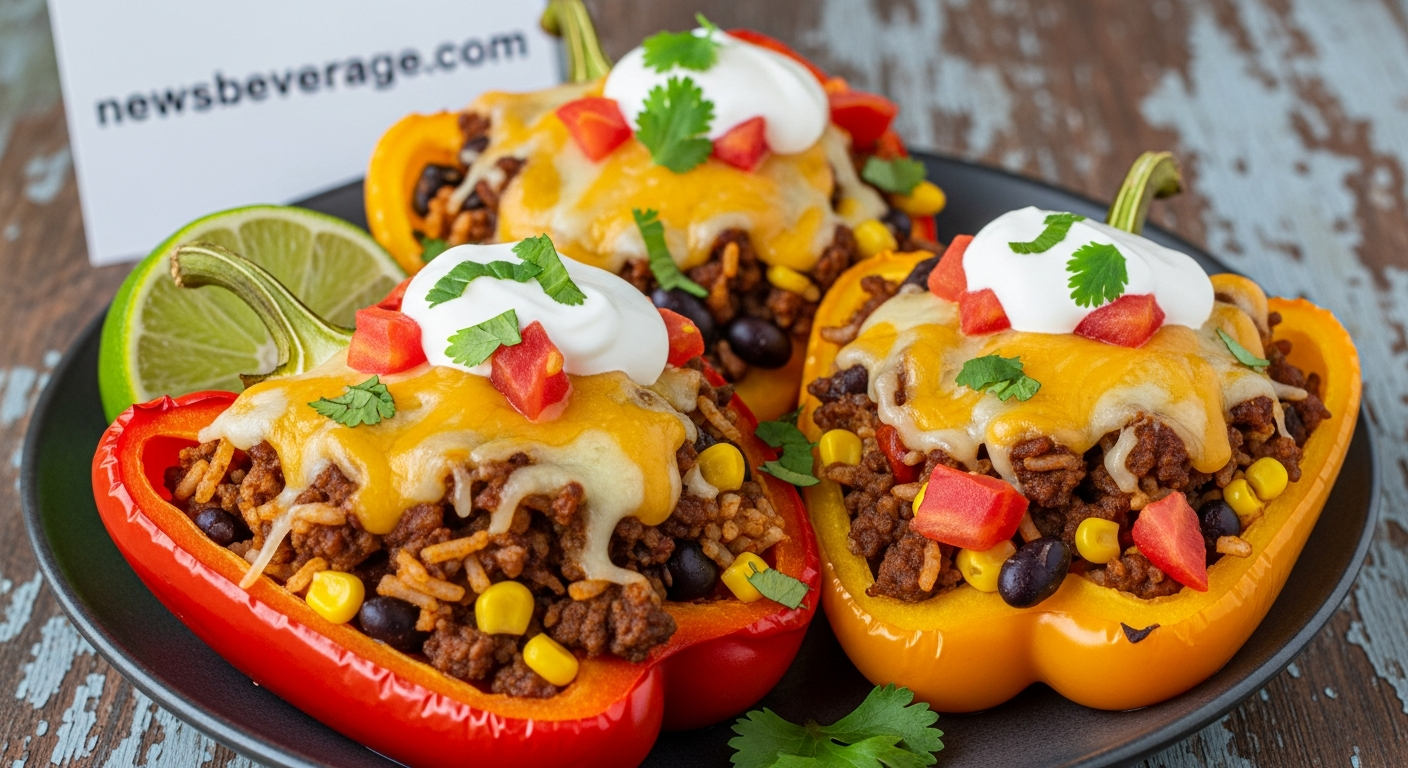
Picture this: vibrant bell peppers standing tall in your baking dish, filled to the brim with seasoned meat, rice, and melted cheese. The aroma of cumin and chili powder fills your kitchen. You take that first bite, and everything comes together perfectly. That’s the magic of Mexican stuffed peppers.
If you’ve been searching for a dinner recipe that’s both satisfying and impressive, you’ve come to the right place. Mexican stuffed peppers combine bold flavors with wholesome ingredients. They’re easier to make than you might think. Whether you’re cooking for your family on a weeknight or hosting friends for dinner, this dish delivers every single time.
In this guide, you’ll discover everything you need to know about making Mexican stuffed peppers. We’ll cover the essential ingredients, preparation techniques, and creative variations. You’ll also learn how to avoid common mistakes and make this recipe your own.
What Makes Mexican Stuffed Peppers Special
Mexican stuffed peppers stand out from other stuffed pepper recipes because of their distinctive flavor profile. The combination of spices creates a taste that’s unmistakably Mexican.
Traditional Mexican cooking relies heavily on cumin, chili powder, and paprika. These spices transform simple ingredients into something extraordinary. When you add fresh cilantro, lime juice, and a touch of garlic, the flavors become even more complex.
The beauty of this dish lies in its versatility. You can adjust the heat level to match your preferences. You can swap ingredients based on what’s in your pantry. You can even make it vegetarian without losing any of the appeal.
Many people love Mexican stuffed peppers because they’re a complete meal in one package. You get your protein, vegetables, and grains all together. There’s no need for complicated side dishes or extra preparation.
Choosing the Right Peppers
The foundation of great Mexican stuffed peppers starts with selecting the right peppers. Bell peppers are the most popular choice for this recipe.
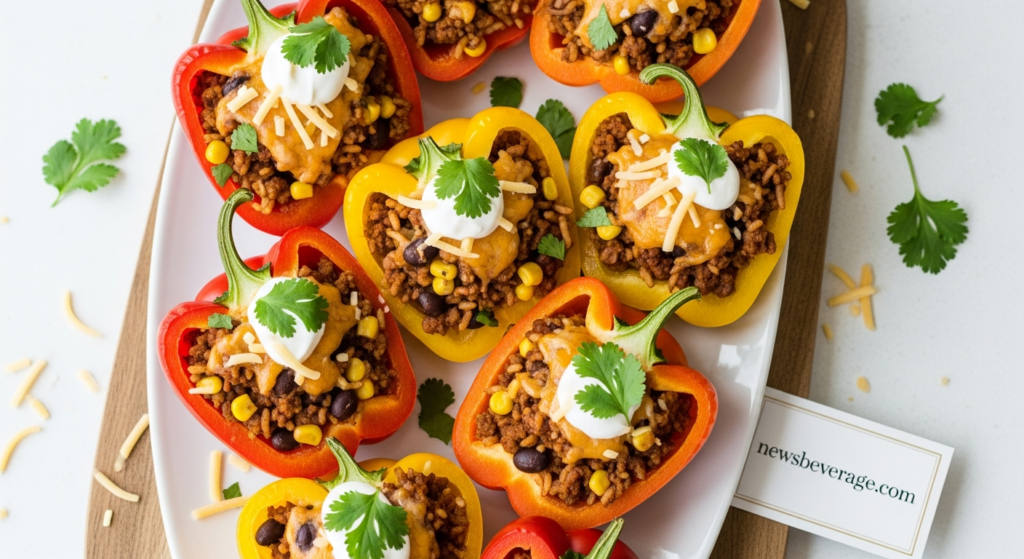
Red, yellow, and orange bell peppers tend to be sweeter than green ones. They add a pleasant flavor that balances the savory filling. Green peppers work perfectly fine too, especially if you prefer a slightly bitter note.
Look for peppers that can stand upright on their own. They should have flat bottoms and thick walls. This makes them easier to stuff and ensures they hold their shape during cooking.
Size matters when choosing your peppers. Medium to large peppers work best because they hold more filling. Avoid peppers with soft spots or wrinkled skin. Fresh, firm peppers will give you the best results.
Some cooks prefer to use poblano peppers for a more authentic Mexican experience. Poblanos have a mild heat and a distinctive flavor. They’re wider at the top and taper toward the bottom. This shape requires a different stuffing approach, but the results are worth it.
Essential Ingredients for the Filling
The filling is where Mexican stuffed peppers really shine. Ground beef is the traditional choice, but ground turkey or chicken work equally well.
Here’s what you’ll need for a classic filling:
Ground meat (beef, turkey, or chicken) provides the protein base. You’ll want about one and a half pounds for six peppers. Brown it thoroughly before adding other ingredients.
Rice adds substance and helps stretch the filling. Cooked white or brown rice works perfectly. Some people prefer Spanish rice for extra flavor. You’ll need about two cups of cooked rice.
Black beans or pinto beans boost the protein content and add texture. One can of drained and rinsed beans is typically enough. Beans also make the filling more filling and nutritious.
Corn brings sweetness and a pop of color. Fresh, frozen, or canned corn all work fine. Just make sure to drain canned corn before adding it.
Diced tomatoes create moisture and add acidity. One can of fire-roasted tomatoes elevates the flavor significantly. The roasted quality adds a smoky depth.
Onions and garlic form the aromatic foundation. One medium onion and three to four cloves of garlic should do the trick. Sauté them until they’re soft and fragrant.
Cheese is essential for that melty, gooey finish. A Mexican cheese blend works wonderfully. Cheddar, Monterey Jack, or pepper jack are all excellent choices. Reserve some cheese to sprinkle on top before the final baking.
The Perfect Spice Blend
Spices transform ordinary ingredients into Mexican stuffed peppers bursting with flavor. Getting the spice blend right is crucial.
Cumin is the backbone of Mexican seasoning. It provides an earthy, warm flavor that’s instantly recognizable. Use about one tablespoon for a standard recipe.
Chili powder brings mild heat and deep color. Don’t confuse it with pure ground chili peppers. Chili powder is actually a blend that includes cumin, garlic powder, and oregano. Two tablespoons usually hit the sweet spot.
Paprika adds color and a subtle sweetness. Smoked paprika works especially well if you want a hint of smokiness. One teaspoon is plenty.
Garlic powder and onion powder enhance the fresh garlic and onions. They add an extra layer of flavor. Half a teaspoon of each works well.
Oregano, specifically Mexican oregano if you can find it, adds an herbal note. Regular oregano works fine too. Use about one teaspoon.
Salt and black pepper are obvious but essential. Season to taste, keeping in mind that cheese and other ingredients add saltiness too.
Cayenne pepper is optional but recommended if you like heat. Start with a quarter teaspoon. You can always add more, but you can’t take it out.
Preparing Your Peppers
Proper preparation ensures your Mexican stuffed peppers cook evenly and look beautiful. This step takes only a few minutes but makes a big difference.
Start by washing your peppers thoroughly under cold water. Pat them dry with a clean kitchen towel.
Cut the tops off each pepper, about half an inch down from the stem. Save these tops if you’d like to use them as lids during baking. Some people love this presentation.
Remove all the seeds and white membranes from inside the peppers. A small spoon works perfectly for this task. The membranes can be bitter, so get them all out.
If your peppers won’t stand upright, slice a very thin layer off the bottom. Be careful not to cut through to the inside. You just want to create a flat, stable base.
Some recipes call for pre-cooking the peppers before stuffing. This softens them and reduces overall baking time. You can blanch them in boiling water for three to four minutes. Alternatively, microwave them for two to three minutes. This step is optional but helpful if you prefer softer peppers.
Making the Filling
Creating the perfect filling is where you build all those amazing flavors. The process is straightforward and forgiving.
Heat a large skillet over medium-high heat. Add a tablespoon of olive oil or vegetable oil. Once the oil shimmers, add your ground meat.
Break up the meat with a wooden spoon as it cooks. You want small crumbles, not large chunks. Cook until the meat is browned completely. This usually takes about eight to ten minutes.
Drain excess fat if needed. Ground beef often releases quite a bit of fat. Leaving some fat adds flavor, but too much makes the filling greasy.
Add your diced onions to the meat. Cook for about five minutes until they become translucent. The onions should soften and start to caramelize slightly.
Stir in the minced garlic. Cook for just one minute. Garlic burns quickly, so don’t let it sit too long.
Now add all your spices. Stir them into the meat mixture and let them toast for about thirty seconds. This releases their essential oils and intensifies the flavors.
Add your cooked rice, beans, corn, and diced tomatoes. Stir everything together until well combined. Let the mixture simmer for about five minutes. This allows the flavors to meld together.
Taste your filling and adjust the seasonings. This is your chance to make it perfect. Need more salt? Add it. Want more heat? Sprinkle in extra chili powder or cayenne.
Stir in half of your shredded cheese. The residual heat will melt it slightly. This helps bind the filling together.
Stuffing and Baking
Now comes the fun part: assembling your Mexican stuffed peppers. This process is simple and satisfying.
Preheat your oven to 375 degrees Fahrenheit. This temperature cooks the peppers through without burning the cheese.
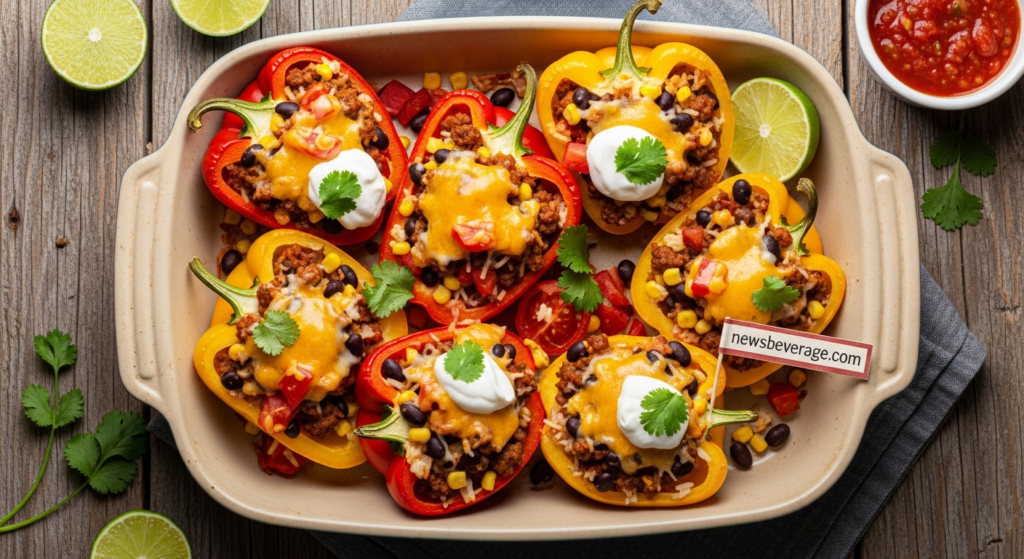
Choose a baking dish that holds your peppers snugly. They should fit comfortably without too much extra space. A 9×13 inch baking dish usually works perfectly for six peppers.
Pour about half a cup of water, broth, or tomato sauce into the bottom of the dish. This creates steam and prevents the peppers from drying out.
Stand your prepared peppers upright in the baking dish. They should be stable and ready for filling.
Spoon the filling into each pepper, packing it down gently as you go. Fill them generously but don’t overstuff. Leave about a quarter inch of space at the top.
Sprinkle the remaining cheese over the top of each pepper. Be generous here. The melted cheese creates that irresistible golden crust.
Cover the baking dish with aluminum foil. This traps steam and helps the peppers cook through evenly.
Bake for thirty minutes covered. Then remove the foil and bake for an additional fifteen minutes. The cheese should be melted, bubbly, and lightly browned.
Let the peppers rest for about five minutes before serving. This allows the filling to set slightly and makes them easier to plate.
Delicious Variations to Try
One of the best things about Mexican stuffed peppers is how adaptable they are. You can customize them endlessly.
For a vegetarian version, skip the meat entirely. Use extra beans, quinoa, or chopped mushrooms instead. Mushrooms provide a meaty texture that even carnivores appreciate. Add extra vegetables like zucchini or diced sweet potato.
If you’re following a low-carb or keto diet, replace the rice with riced cauliflower. It provides similar texture with far fewer carbs. Season it well so it doesn’t taste bland.
Tex-Mex lovers might want to add jalapeños to the filling. Fresh or pickled jalapeños both work great. They bring extra heat and tang.
For a breakfast twist, stuff your peppers with scrambled eggs, chorizo, potatoes, and cheese. Bake them the same way. These make an impressive brunch dish.
Seafood stuffed peppers offer something different. Use cooked shrimp or crab meat mixed with rice, corn, and a creamy sauce. Top with cheese and bake as usual.
Green chile stuffed peppers incorporate roasted green chiles into the filling. The smoky, mild heat complements the other flavors beautifully.
You can also experiment with different cheeses. Queso fresco, cotija, or even a creamy goat cheese change the flavor profile. Each brings something unique to the dish.
Common Mistakes and How to Avoid Them
Even simple recipes can go wrong. Knowing the common pitfalls helps you avoid them.
Undercooking the peppers is a frequent problem. Raw peppers are crunchy and unpleasant. Make sure to either pre-cook them slightly or bake them long enough to soften completely.
Overstuffing causes filling to spill out during baking. It also prevents the peppers from cooking evenly. Leave a little space at the top.
Forgetting to add liquid to the baking dish results in dry peppers. The steam from the liquid keeps everything moist and helps with even cooking.
Using cold filling makes the peppers take longer to heat through. Warm or room-temperature filling works much better. It also melts the cheese more evenly.
Skipping the resting time after baking causes the filling to be too loose. Those five minutes make a real difference in texture.
Not seasoning properly is perhaps the biggest mistake. Taste your filling before stuffing the peppers. Bland filling leads to disappointing results.
Serving Suggestions and Sides
Mexican stuffed peppers are impressive on their own, but the right accompaniments make the meal complete.
A simple side salad with lime vinaigrette provides freshness and crunch. Mixed greens, tomatoes, and avocado work perfectly.
Spanish rice or cilantro lime rice make excellent sides if you want more substance. They soak up any extra sauce from the peppers.
Refried beans or black beans seasoned with cumin add protein and fiber. They’re traditional accompaniments to many Mexican dishes.
Fresh guacamole and chips give your guests something to munch on while the peppers bake. Homemade guacamole takes only minutes to prepare.
Sour cream or Mexican crema provides a cool, creamy contrast to the spiced filling. A dollop on top of each pepper looks beautiful and tastes amazing.
Fresh cilantro, diced onions, and lime wedges make great garnishes. Set them out so people can customize their peppers.
Salsa or pico de gallo adds brightness and acidity. Both fresh and cooked salsas work wonderfully.
Storage and Reheating Tips
Mexican stuffed peppers store beautifully, making them perfect for meal prep or leftovers.
Let the peppers cool completely before storing them. This prevents condensation from making them soggy.
Store them in an airtight container in the refrigerator. They’ll keep for three to four days without losing quality.
For longer storage, freeze them. Wrap each pepper individually in plastic wrap, then place them all in a freezer-safe container. They’ll keep for up to three months.
To reheat refrigerated peppers, microwave them for two to three minutes. Alternatively, reheat them in a 350-degree oven for about fifteen minutes.
Frozen peppers should be thawed in the refrigerator overnight before reheating. You can also reheat them directly from frozen. Just add an extra ten to fifteen minutes to the reheating time.
Add a splash of water or broth when reheating to keep them moist. Cover them loosely to trap some steam.
The texture might change slightly after freezing, but the flavor remains delicious. The peppers may become a bit softer, which some people actually prefer.
Making It a Family Activity
Cooking Mexican stuffed peppers can be a wonderful family project. Kids love helping with simple tasks.
Let children wash the peppers and help remove the seeds. This is a safe, easy job that makes them feel involved.
Older kids can help mix the filling ingredients. They can also practice measuring spices and following instructions.
Everyone can participate in the stuffing process. It’s satisfying to pack the filling into each pepper. Kids take pride in eating something they helped create.
Cooking together creates memories and teaches valuable skills. You’re also more likely to get picky eaters to try new foods when they’ve helped prepare them.
Make it educational by talking about where the ingredients come from. Discuss the different regions of Mexico and their food traditions.
Nutritional Benefits
Mexican stuffed peppers aren’t just delicious. They’re also genuinely nutritious when made thoughtfully.
Bell peppers are loaded with vitamin C, even more than oranges. They also contain vitamin A, which supports eye health.
The protein from meat or beans helps build and repair tissues. It also keeps you feeling full longer.
Fiber from beans, rice, and vegetables supports digestive health. It helps regulate blood sugar and lowers cholesterol.
Using whole grain rice instead of white rice adds extra fiber and nutrients. Brown rice or quinoa are excellent choices.
You control the sodium and fat content when cooking at home. This makes homemade Mexican stuffed peppers much healthier than restaurant versions.
Adding extra vegetables to the filling boosts the nutritional value even more. Spinach, kale, or diced tomatoes all work well.
Budget-Friendly Tips
You don’t need to spend a fortune to make amazing Mexican stuffed peppers. A few smart strategies keep costs down.
Buy peppers when they’re in season. They’re much cheaper during summer and early fall. You can also check the discount produce section for slightly blemished peppers that work perfectly for stuffing.
Use whatever ground meat is on sale. Ground turkey often costs less than beef and works just as well.
Dried beans cost a fraction of canned beans. Cook a big batch and freeze what you don’t use. This saves money over time.
Make your own taco seasoning instead of buying packets. It costs pennies and tastes better too.
Buy cheese in blocks and shred it yourself. Pre-shredded cheese costs more and contains additives to prevent clumping.
Stretch the filling by adding more rice, beans, or vegetables. You can use less meat without sacrificing satisfaction.
Conclusion
Mexican stuffed peppers bring together everything you want in a dinner recipe. They’re flavorful, satisfying, and surprisingly simple to make. The combination of seasoned meat, rice, beans, and melted cheese inside a tender pepper creates something truly special.
You now have all the knowledge you need to make this dish successfully. You understand how to choose peppers, create the perfect filling, and avoid common mistakes. You’ve learned about variations that suit different dietary needs and preferences.
The beauty of this recipe lies in its flexibility. Make it your own by adjusting spices, swapping ingredients, or trying new combinations. Each time you prepare Mexican stuffed peppers, you’ll discover something new.
Whether you’re feeding your family on a busy weeknight or impressing dinner guests, this recipe delivers. It’s the kind of dish that becomes a regular rotation in your kitchen. The leftovers are just as good, and the meal prep potential is fantastic.
So grab those peppers and get cooking. Your kitchen is about to smell amazing, and your dinner table is about to get a whole lot more interesting. What variation will you try first?
Frequently Asked Questions
Do I need to cook the peppers before stuffing them?
Pre-cooking isn’t required, but it helps soften the peppers. Blanching them for three to four minutes or microwaving for two minutes reduces the total baking time. If you prefer very soft peppers, pre-cooking is recommended. Otherwise, baking them for forty-five minutes will soften them adequately.
Can I make Mexican stuffed peppers ahead of time?
Absolutely. Prepare everything up to the baking step, then cover and refrigerate for up to twenty-four hours. When ready to eat, add ten extra minutes to the covered baking time since they’ll start cold. This makes them perfect for entertaining or meal prep.
What’s the best way to keep peppers standing upright?
Choose peppers with flat bottoms and pack them tightly in your baking dish. If a pepper won’t stand, slice a thin layer off the bottom. Some cooks use muffin tins to hold smaller peppers upright. The key is using a dish that fits them snugly.
Can I freeze stuffed peppers before baking?
Yes, this works wonderfully. Assemble the peppers completely, then wrap each one in plastic wrap and foil. Freeze for up to three months. Thaw overnight in the refrigerator before baking, or bake directly from frozen by adding twenty to thirty minutes to the cooking time.
What can I substitute for rice in the filling?
Quinoa, couscous, or riced cauliflower all work as rice substitutes. Quinoa adds extra protein. Cauliflower rice keeps the carbs low. You could also use diced potatoes, though they change the texture significantly. Any grain or grain substitute that’s already cooked will work.
Why are my peppers watery after baking?
Excess moisture usually comes from not draining the meat properly or using too much liquid in the filling. Make sure to drain your ground meat and canned ingredients thoroughly. Also, don’t add more than half a cup of liquid to the baking dish.
Can I use different colored peppers together?
Definitely. Using a variety of colors makes the dish more visually appealing. Red, yellow, and orange peppers are sweeter. Green peppers have a slightly bitter taste. Mixing colors gives you a range of flavors and looks stunning on the plate.
How do I make the filling spicier?
Add more cayenne pepper, use hot chili powder instead of mild, or include diced jalapeños or serrano peppers in the filling. You can also top the finished peppers with hot sauce or salsa. Start with small amounts and adjust to your heat preference.
What kind of cheese works best?
Mexican cheese blends melt beautifully and taste authentic. Cheddar provides sharp flavor. Monterey Jack is mild and creamy. Pepper jack adds heat. Queso fresco or cotija add authentic Mexican flavor but don’t melt the same way. A combination usually works best.
Are Mexican stuffed peppers gluten-free?
Yes, as long as you use certified gluten-free ingredients. Check your spice blends and canned products for hidden gluten. The basic recipe contains no gluten naturally. Rice, meat, vegetables, beans, and cheese are all gluten-free options.
Also read newsbeverage.com