The Ultimate Sorry Game Guide: Fun Strategies to Win Every Match 2026
Introduction
Have you ever bumped a friend’s pawn back to start and watched their face turn from joy to playful frustration? That’s the magic of the Sorry game. This classic board game has been creating moments of laughter, competition, and yes, apologies, since 1929.
The Sorry game isn’t just about luck. While drawing cards might seem random, knowing when to play strategically can transform you from a casual player into a formidable opponent. Whether you’re introducing this game to your kids or rediscovering it as an adult, understanding its nuances makes every session more enjoyable.
In this guide, you’ll learn the complete rules, discover winning strategies, and understand why this board game continues to captivate families nearly a century after its creation. We’ll break down everything from basic gameplay to advanced tactics that’ll have you saying “Sorry!” more often than you’re hearing it.
What Is the Sorry Game?
The Sorry game is a board game of both luck and strategy where two to four players race their four pawns from Start to Home. Parker Brothers first published it in the United States, though the game’s roots trace back to an ancient Indian game called Pachisi.
Unlike dice-based games, the Sorry game uses cards to determine movement. This card-driven mechanic adds an element of surprise that keeps every game fresh and unpredictable.
The board features a colorful square track with special spaces. Each player has a matching color (red, blue, yellow, or green) with their own Start area and Home zone. Your goal sounds simple: get all four pawns safely Home before your opponents do.
What makes this game special is its signature mechanic. When you draw certain cards, you can bump opponents’ pawns back to their Start. That’s when you cheerfully say “Sorry!” and watch them begin their journey all over again.
The History Behind Sorry
2026Parker Brothers introduced the Sorry game to American families in 1929. The timing was interesting because this was right when the Great Depression began, yet families were looking for affordable entertainment they could enjoy together at home.
The game actually evolved from Pachisi, a cross-and-circle board game that originated in India. British game manufacturers had already created their own version called Ludo in the late 1800s.
William Henry Storey registered the earliest known version of what would become Sorry in England in 1929. Parker Brothers secured the rights and launched their American version that same year. The game’s popularity exploded, becoming a household staple across generations.
Today, Hasbro owns the Sorry brand after acquiring Parker Brothers. They’ve released numerous editions and variations, but the core gameplay remains remarkably faithful to the original design.
How to Play the Sorry Game: Complete Rules
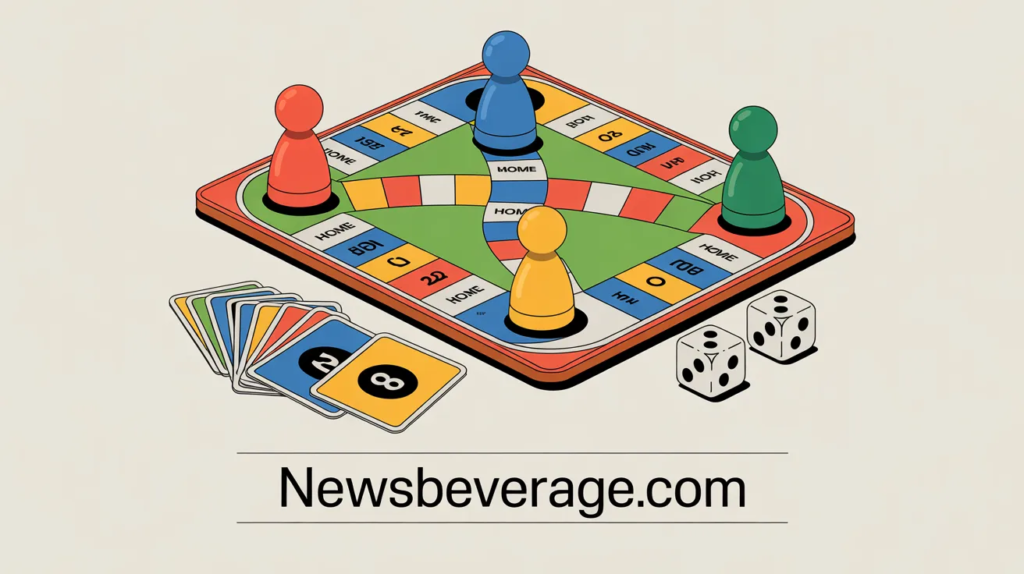
Setting up the Sorry game takes just moments. Each player chooses a color and places their four pawns in their matching Start circle. Shuffle the deck of 45 cards and place them face down as the draw pile. The youngest player traditionally goes first, though you can decide differently.
Basic Gameplay Flow
On your turn, you draw one card from the deck. The card tells you how to move. You must follow the card’s instructions if possible. After moving, your turn ends and play passes to the left.
You cannot move a pawn out of Start unless you draw a 1 or 2 card. This rule often creates early-game tension as players wait impatiently for the right cards.
Once a pawn leaves Start, it travels clockwise around the board’s outer track. The path is 60 spaces long before you can turn into your color’s Safety Zone, which leads to Home.
Your Safety Zone is the five-space slide that only you can use. Opponents cannot enter your Safety Zone or bump your pawns once they’re in this protected area.
Understanding the Cards
The card deck contains eleven different card types, each with specific rules:
Card 1: Move one pawn from Start or move any pawn forward one space. You draw again after playing this card.
Card 2: Move one pawn from Start or move any pawn forward two spaces. You draw again after playing this card.
Card 3: Move any pawn forward three spaces.
Card 4: Move any pawn backward four spaces. You must move backward if possible.
Card 5: Move any pawn forward five spaces.
Card 7: Move one pawn forward seven spaces, or split the seven spaces between two different pawns. You can move one pawn forward four and another forward three, for example.
Card 8: Move any pawn forward eight spaces.
Card 10: Move any pawn forward ten spaces or backward one space. The backward option can be surprisingly strategic.
Card 11: Move any pawn forward eleven spaces or swap places with any opponent’s pawn on the board. The swap is one of the game’s most powerful moves.
Card 12: Move any pawn forward twelve spaces.
Sorry Card: Take any one opponent’s pawn from anywhere on the board and return it to their Start. Replace it with one of your pawns from Start. This is the only other way besides drawing a 1 or 2 to get pawns out of Start.
Special Spaces and Slides
The board features triangle-marked slides in each color. When you land on the beginning circle of a slide (not your own color), your pawn immediately slides to the end, bumping any pawns in the way back to Start.
You cannot use your own color slides. This prevents you from getting an unfair advantage. However, landing on any other color’s slide can give you a significant boost.
Slides add excitement because they create unexpected jumps forward. A well-timed slide can help you catch up quickly or extend your lead dramatically.
Bumping and Occupying Spaces
When you land exactly on a space occupied by an opponent’s pawn, you bump them. Their pawn returns to Start immediately. You say “Sorry!” and claim that space for your pawn.
Only one pawn can occupy any space at a time, except in your Start area and Home. This creates strategic blocking opportunities throughout the game.
You cannot bump your own pawns. If you must land on a space occupied by your own pawn and have no other legal moves, you forfeit your turn.
Winning the Game
The first player to get all four pawns into Home wins. You must reach Home by exact count. If you draw a card that would move you past Home, you cannot move that pawn unless you have another legal move.
Some families play multiple rounds and track overall wins. Others play single games with the first player Home declared the champion.
Winning Strategies for the Sorry Game
While luck plays a significant role, strategic thinking separates good players from great ones. Here are proven tactics that increase your winning chances.
Get All Pawns Out Quickly
Don’t leave pawns sitting in Start. The more pawns you have on the board, the more options you have each turn. Having multiple pawns out gives you flexibility when you draw cards like the 7, which you can split between two pawns.
Players who wait to get one pawn Home before bringing others out often fall behind. Spread your pawns across the board instead. This positioning creates multiple threats and makes it harder for opponents to block you completely.
Use the 7 Card Wisely
The 7 card offers the most strategic depth. You can move one pawn the full seven spaces or split the movement. Skilled players use splits to position multiple pawns advantageously.
For example, you might move one pawn four spaces to land on a slide and another pawn three spaces to occupy a strategic blocking position. This dual-purpose move maximizes the card’s value.
Block Your Opponents
Positioning a pawn one space ahead of an opponent’s pawn can slow their progress significantly. They’ll need specific cards to get around your blockade.
Pay attention to which opponents are closest to winning. Sometimes helping a player in last place bump the leader makes more strategic sense than advancing your own position.
Protect Your Lead Pawn
Once you have a pawn approaching your Safety Zone, prioritize protecting it. Having a pawn in your Safety Zone is incredibly valuable because it’s safe from bumps.
Try to keep your advanced pawns moving steadily. Don’t leave them vulnerable on dangerous spaces where multiple opponents could bump them.
Master the Sorry Card Timing
The Sorry card is powerful but timing matters. Using it to bring out a fourth pawn when you already have three advancing might waste its potential.
Save Sorry cards for critical moments. Bumping an opponent’s pawn that’s about to enter their Safety Zone can change the game’s outcome. Alternatively, use it to bring out a pawn when you’re behind and need more pieces active.
Backward Movement Can Help
The 4 card forces backward movement, but the 10 card offers a choice. Moving backward one space can be surprisingly useful. You might retreat onto a slide’s starting position, setting up a big jump forward on your next turn.
Backward moves can also help you land on specific spaces to block opponents or avoid landing on a space where an opponent could bump you.
Count Spaces Carefully
Always count your moves before committing. Landing one space short of a slide wastes an opportunity. Landing one space past your Safety Zone entrance might leave you vulnerable when you could have been safe.
Experienced players mentally calculate potential moves for multiple cards, preparing different strategies depending on what they draw.
Sorry Game Variations and Editions
The classic Sorry game has spawned numerous variations over the decades. Each version adds unique twists while maintaining the core bumping mechanic.
Sorry Sliders
This variation replaces the card deck with a target board and sliding pucks. Players flick their pucks at the target, and where they land determines their move. This adds a dexterity element that younger players often enjoy.
Sorry Express
A faster-paced version designed for shorter gameplay. It uses a simplified board and reduced pawn count, perfect for quick games when you don’t have time for the full experience.
Sorry Spin
This edition includes a spinner instead of cards. Some players prefer the tactile satisfaction of spinning, while others miss the strategic hand management that cards sometimes allow in house-rule variations.
Sweet Revenge Sorry
This modern version introduces power-ups and special abilities. Players can activate advantages like shields or speed boosts, adding another layer of strategy beyond traditional gameplay.
Licensed Theme Editions
Hasbro has released themed Sorry games featuring popular franchises. You’ll find editions themed around Disney, Star Wars, and various other properties. These keep the core rules but add thematic elements and sometimes minor rule variations.
Teaching the Sorry Game to Children
The Sorry game works wonderfully as a learning tool for children ages six and up. It teaches number recognition, counting, strategic thinking, and good sportsmanship.
Age-Appropriate Adjustments
For younger children, simplify the rules initially. Let them use only the forward-moving cards until they understand basic gameplay. Gradually introduce backward movement and special cards as their confidence grows.
Some families create a “friendly Sorry” version for very young players. In this variant, bumping sends pawns back only three spaces instead of all the way to Start. This reduces frustration while still teaching the concept.
Building Good Sportsmanship
The bumping mechanic naturally creates teaching moments about winning and losing gracefully. Encourage children to actually say “Sorry!” when bumping opponents, fostering empathy and politeness.
Remind kids that everyone gets bumped sometimes. Today’s setback often turns into tomorrow’s victory. This resilience lesson extends beyond the game board into real life.
Making It Educational
Use the game to practice counting and simple addition. When playing a 7 and splitting it, children practice breaking numbers into parts. This builds mathematical thinking in an enjoyable context.
Color recognition and turn-taking also develop through gameplay. These foundational skills benefit young players without feeling like formal learning.
Why the Sorry Game Remains Popular
Nearly a century after its introduction, the Sorry game continues to sell millions of copies annually. Several factors explain this enduring appeal.
Simplicity Meets Depth
The rules are simple enough for children yet provide enough strategic depth to engage adults. This balance makes it ideal for family game nights where players of different ages compete fairly.
You can teach someone the Sorry game in five minutes, but mastering its nuances takes many games. This accessibility combined with depth creates lasting engagement.
Unpredictable Outcomes
The card-based movement system means anyone can win until the final moments. A player who’s behind can draw a perfect sequence of cards and suddenly surge ahead. This unpredictability keeps every game exciting.
Unlike purely strategic games where skilled players dominate, the Sorry game gives everyone a legitimate chance. This levels the playing field and prevents younger or less experienced players from becoming discouraged.
Social Interaction
The bumping mechanic creates memorable moments and friendly competition. The playful antagonism of sending someone back to Start generates laughter and light-hearted rivalry.
These social interactions strengthen family bonds and friendships. Shared gaming experiences create lasting memories that players recall fondly years later.
Nostalgia Factor
Many adults played the Sorry game as children. Introducing it to their own kids creates an intergenerational connection. This nostalgia factor drives continued sales as each generation shares the game with the next.
The familiar board, colorful pawns, and satisfying “bump and apologize” mechanic evoke childhood memories while creating new ones.
Common Mistakes Players Make
Even experienced players sometimes develop bad habits that hurt their chances of winning.
Moving Too Aggressively Early
Some players focus entirely on advancing their lead pawn while leaving others in Start. This creates vulnerability. If that lead pawn gets bumped, you’ve wasted numerous turns while opponents brought out multiple pawns.
Balance advancement with getting all pawns active. Multiple threats are harder for opponents to contain than a single advanced pawn.
Ignoring Positional Play
New players often take any forward movement available without considering positioning. Sometimes staying put or moving backward creates better opportunities next turn.
Think one or two moves ahead when possible. Position your pawns to maximize future card draws rather than just the current turn.
Forgetting About Slides
Players sometimes forget to watch for slide opportunities. A 3 or 5 card might seem mediocre until you realize it lands you on a slide’s starting circle, effectively giving you a much larger move.
Always scan the board for slides before committing to a move. These can dramatically accelerate your progress.
Poor Sorry Card Usage
Using a Sorry card just to get another pawn out when you already have multiple active pawns wastes its strategic value. Save it for devastating tactical strikes against leaders.
The best Sorry card usage often involves bumping an opponent who’s one or two moves from their Safety Zone. This creates maximum disruption to their game plan.
Hosting a Sorry Game Tournament
For dedicated fans, organizing a tournament adds competitive excitement and brings communities together.
Tournament Structure
A single-elimination bracket works well for smaller groups. Each game determines who advances until you crown a champion. For larger tournaments, consider Swiss-style rounds where everyone plays multiple games regardless of outcomes.
Set a time limit per game to keep the tournament moving. If time expires, the player with the most pawns Home wins. In case of ties, the player whose Home pawns traveled the farthest total distance wins.
House Rules and Agreements
Before starting, establish any house rules clearly. Will you allow the “safety zone shortcut” that some families use? Can players form temporary alliances? Clarify everything upfront.
Write down the agreed-upon rules and display them prominently. This prevents mid-tournament disputes and keeps competition friendly.
Prize Ideas
Prizes don’t need to be expensive. Consider awarding a trophy or custom medal for the champion. Funny certificates like “Most Apologetic Player” or “Biggest Comeback” add humor.
For family tournaments, the winner might choose the next family game night’s game or earn a favorite meal request.
The Psychology Behind the Sorry Game
The game’s mechanics tap into fundamental psychological principles that explain its addictive nature.
Random Reinforcement
Drawing cards creates a variable reward schedule similar to slot machines. You never know when you’ll draw that perfect Sorry card or 7, which keeps anticipation high.
This unpredictability activates reward centers in the brain, making each turn feel potentially game-changing. The psychology keeps players engaged even when behind.
Schadenfreude and Social Bonding
Bumping opponents creates a harmless outlet for competitive feelings. The required apology adds politeness to aggression, making it socially acceptable.
This balance between competition and courtesy teaches emotional regulation. You learn to enjoy victories without gloating and accept defeats without resentment.
Comeback Narrative
The game’s structure allows for dramatic reversals. Players love underdog stories, and the Sorry game creates them regularly. A player can go from last to first in a few fortunate turns.
These comeback opportunities maintain hope and engagement. No one quits early because everyone knows fortunes can change instantly.
Digital Versions and Online Play
Technology has brought the Sorry game into the digital age without losing its essential charm.
Official Apps
Hasbro offers official Sorry apps for mobile devices and tablets. These feature single-player modes against AI opponents and multiplayer options. The digital version enforces rules automatically, which helps new players learn.
Graphics in these apps often enhance the traditional board with animations and sound effects. Some players prefer the tactile experience of physical pawns, while others appreciate the convenience of digital play.
Online Platforms
Various gaming websites and platforms host Sorry game versions. These allow you to play with friends remotely or match with strangers worldwide.
Online play became especially popular during social distancing periods. Families separated by distance could still enjoy game nights together virtually.
Advantages and Limitations
Digital versions eliminate setup time and prevent rule disputes since the game enforces mechanics automatically. You also never lose pawns or cards.
However, many players miss the social interaction of sitting around a physical board. The playful banter and face-to-face reactions are harder to replicate digitally.
Conclusion
The Sorry game has earned its place as a timeless classic through simple rules, strategic depth, and unpredictable fun. Whether you’re teaching it to children, competing in family tournaments, or enjoying casual games with friends, this board game delivers laughter and excitement.
Its bumping mechanic creates memorable moments while teaching valuable lessons about sportsmanship and resilience. The perfect balance of luck and strategy means anyone can win, keeping every game engaging from start to finish.
Now that you know the rules, strategies, and secrets, it’s time to gather some opponents and start playing. Just remember to say “Sorry!” with a smile when you send someone back to Start. What’s your favorite Sorry game memory, and when will you create your next one?
FAQs
What age is the Sorry game appropriate for?
The Sorry game is officially recommended for ages 6 and up. Children this age can understand the rules, count spaces accurately, and handle the social dynamics of bumping opponents. Younger children can play with adult assistance or simplified rules.
How long does a typical Sorry game take?
Most Sorry games last between 30 to 45 minutes with four players. Games with fewer players tend to finish faster, sometimes in 20 minutes. The card draws and bumping create variability, so some games end quickly while others extend beyond an hour.
Can you play Sorry with just two players?
Yes, the Sorry game works well with two players. Some people find two-player games even more strategic since you focus entirely on one opponent. The gameplay remains engaging, though the dynamics differ from the chaos of three or four player games.
What happens if you run out of cards in Sorry?
When the draw pile depletes, shuffle the discard pile to create a new draw deck. This ensures the game can continue indefinitely until someone wins. The game design prevents stalemates through this reshuffling mechanism.
Are there official Sorry tournaments?
While Hasbro doesn’t sponsor official worldwide Sorry championships, many communities organize local tournaments. Board game cafes, libraries, and gaming clubs frequently host Sorry competitions. These range from casual family events to more structured competitive gatherings.
Can you move past your own pawn in Sorry?
Yes, you can move past your own pawns during regular movement. The only restriction is that you cannot land on a space occupied by your own pawn. This allows your pawns to leapfrog each other as they progress around the board.
What’s the difference between Sorry and Parcheesi?
Both games derive from the ancient Indian game Pachisi, but Sorry uses cards instead of dice and features the unique bumping mechanic with slides. Parcheesi uses dice, has blockade rules, and different scoring. Sorry typically plays faster and feels more accessible to casual players.
Do you have to say “Sorry” when bumping someone?
While not an enforced rule, tradition and good sportsmanship encourage saying “Sorry!” when bumping opponents. This polite acknowledgment adds to the game’s social charm and teaches children about being gracious even during competition.
Can you use a slide to enter your Safety Zone?
No, you cannot use a slide to bypass spaces and enter your Safety Zone directly. You must turn into your Safety Zone when you reach it through exact counting. Slides only function on the main outer track of the board.
What’s the rarest card in Sorry?
The Sorry card itself is often considered the most powerful and sought-after during gameplay. However, all cards appear with equal frequency in the standard deck. The perception of rarity comes from how dramatically the Sorry card can change the game’s momentum.
Also Read : VW Atlas Cross Sport