Can You Freeze Cheese? A Complete Guide to Freezing Cheese 2026
Introduction to Cheese Preservation
Cheese is a staple in many diets around the world, thanks to its rich flavors and versatility in various dishes. However, like many perishable food items, cheese has a limited shelf life, leading to potential waste if not properly stored. Understanding how to preserve cheese is essential in managing this waste and extending its usability. Preservation techniques can vary based on the type of cheese, but they generally focus on maintaining quality and flavor while preventing spoilage.
One of the common questions regarding cheese preservation is whether it is feasible to freeze cheese. The answer is nuanced, as different types of cheese react differently to freezing. Some cheeses, such as hard cheeses, tend to freeze well, while others, like soft cheeses, may not retain their texture and flavor after being thawed. It is important to consider the cheese’s moisture content and fat levels, as these factors play a significant role in how well a cheese will freeze.
To successfully freeze cheese, proper techniques and methods should be employed. Wrapping cheese tightly in plastic wrap or aluminum foil, and then placing it in an airtight container or freezer bag, can help reduce exposure to air, thereby preventing freezer burn. This not only helps in preserving the texture and taste of cheese but also contributes to its longevity in the freezer. Moreover, labeling the packages with the freezing date can assist in managing its usage over time.
In summary, preserving cheese through freezing is a viable option for extending its shelf life. However, a thorough understanding of the type of cheese and best practices for freezing is crucial to ensure optimal results. As we delve deeper into the topic, we will explore specific types of cheese and the various methods appropriate for their storage.
Understanding Different Cheese Types
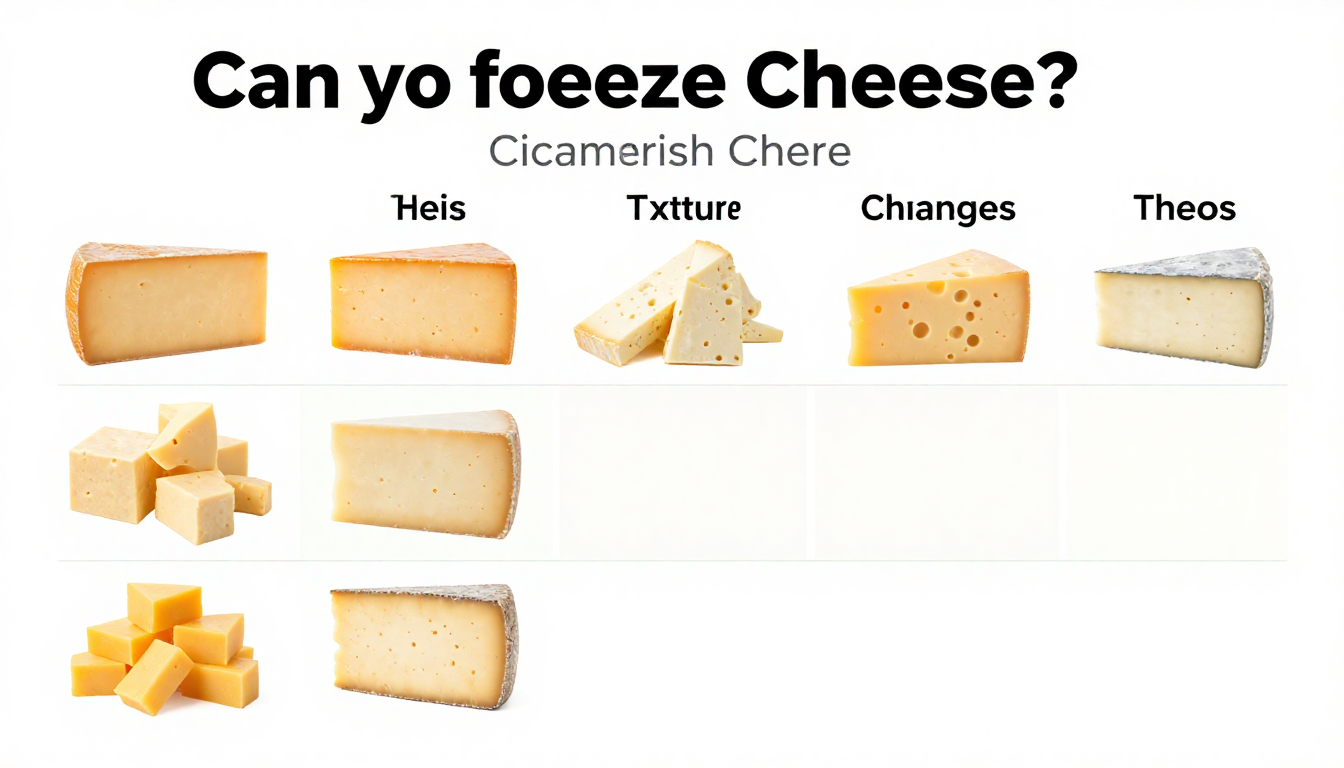
Cheese is a versatile dairy product that comes in various forms, each with distinct characteristics, moisture content, and textures. Understanding the differences between hard, soft, and processed cheeses is essential when considering can you freeze cheese effectively.
Starting with hard cheeses, these types typically have a low moisture content, which allows them to freeze well. Examples include Parmigiano-Reggiano, aged Gouda, and Cheddar. Their dense structure remains stable during the freezing process, although some changes in texture may occur upon thawing. When frozen properly, these cheeses can maintain their flavor and can be easily grated or sliced after being thawed.
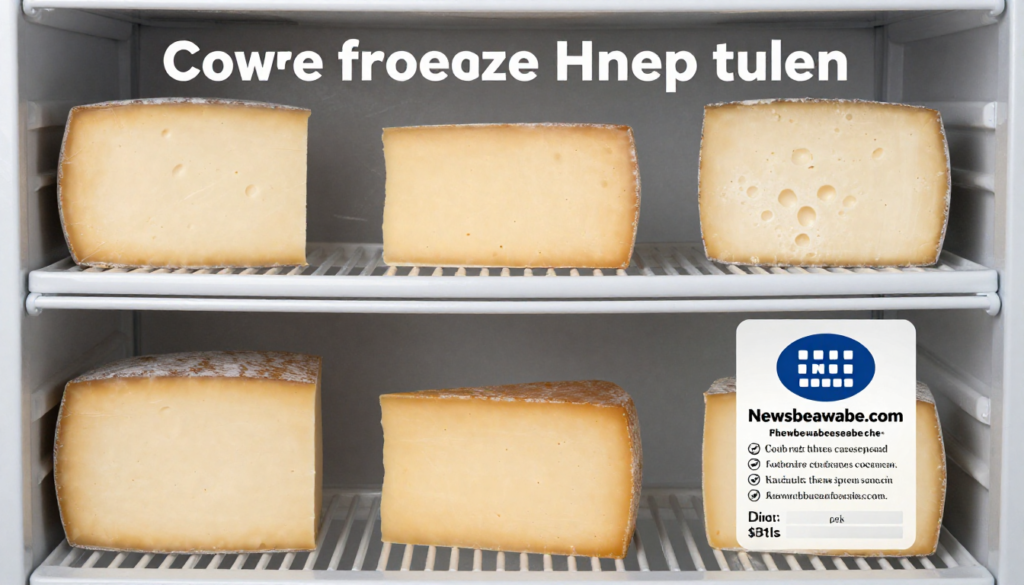
Soft cheeses, on the other hand, possess a higher moisture content, which significantly affects their freezing ability. Varieties like Brie, Camembert, and cream cheese are classified as soft cheeses. Freezing these cheeses can lead to a grainy texture once thawed, as the moisture separates from the fat. While you can freeze cream cheese for recipes, it might be best to use it directly from the fridge for the others to enjoy their creamy consistency.
Processed cheeses, such as American cheese and cheese spreads, exhibit unique freezing properties due to their ingredients and emulsifiers. These cheeses often maintain their texture and flavor after freezing, making them suitable options if you are considering whether you can freeze cheese. However, the quality may vary depending on the brand and formulation.
In summary, understanding the categorization and characteristics of different cheese types is crucial for determining their suitability for freezing. Hard cheeses generally fare better, while soft cheeses present challenges, and processed varieties typically hold up well in the freezer. This knowledge can help guide your decisions on preserving cheese for future use.
Can You Freeze Cheese? The Answer Explained
Yes, you can freeze cheese, but the effectiveness of freezing varies based on the type of cheese and how it is handled before freezing. Freezing cheese can alter its texture and flavor, making it essential to understand what types are suitable for freezing. Hard cheeses like cheddar, gouda, and parmesan tend to freeze better than softer varieties such as brie or cream cheese. The reason behind this differentiation lies in the moisture content; softer cheeses have higher moisture content, which can lead to undesirable texture changes when thawed.
When considering whether you can freeze cheese, it is important to note that the freezing process can cause some cheeses to become crumbly or grainy. For example, after being frozen, shredded cheese might perform well in cooked dishes but may not be as pleasant when served fresh. To ensure the best results, it is advisable to grate or shred cheese before freezing, as this allows for easier thawing and usage later on.
Additionally, the packaging plays a critical role in preserving cheese during freezing. Wrapping cheese tightly in plastic wrap, followed by placing it in an airtight container or freezer bag, helps to prevent freezer burn. It is best to use frozen cheese within six months to maintain optimal flavor and texture. Thawing should ideally be done in the refrigerator to minimize texture changes, as thawing at room temperature can lead to unwanted moisture loss and potential spoilage.
In summary, while the answer is affirmative that you can freeze cheese, the key determinants of quality post-thaw are the type of cheese and proper handling techniques. Understanding these elements will assist you in making informed decisions about freezing cheese for future culinary use.
The Science Behind Freezing Cheese
Freezing cheese is a common practice that can extend its shelf life, but understanding the science behind it is essential for achieving the best results. When cheese is frozen, the low temperatures cause the water content within the cheese to form ice crystals. These ice crystals can disrupt the cheese’s cellular structure. Different types of cheese have varying compositions of fat, moisture, and protein, all of which influence how well they fare in the freezing process.
For hard cheeses, such as cheddar or parmesan, the freezing process typically results in minimal negative effects. The lower moisture content in these cheeses leads to fewer and smaller ice crystals, which means the texture and flavor are less likely to be significantly altered. When you thaw hard cheese after freezing, it can still retain its usability for cooking or grating, although some crumbly texture may be noted.
On the other hand, softer cheeses like brie or cream cheese contain higher amounts of moisture and fat. When these cheeses freeze, larger ice crystals can form, which may break down the cheese’s texture upon thawing. This can lead to a more grainy or watery result, making them less ideal for direct consumption but still usable in cooked dishes.
The ability to freeze cheese without significant degradation depends on the specific cheese variety and how it is stored. Placing cheese in an airtight container or tightly wrapping it in plastic wrap before freezing can help minimize exposure to air and prevent freezer burn. Overall, while freezing cheese is feasible and can prolong its life, the type of cheese and the freezing method chosen will ultimately dictate the outcome.
Best Practices for Freezing Cheese
Freezing cheese can be a practical solution for extending its shelf life, provided that you adhere to some essential best practices. The quality and texture of cheese can be affected by freezing, so ensuring proper methods is paramount. To begin with, the first step is to choose the right type of cheese. Hard cheeses, such as cheddar or parmesan, freeze better in comparison to soft cheeses like brie or cream cheese. This is due to their lower moisture content, making it easier to preserve their texture.
When it comes to wrapping cheese for freezing, avoiding exposure to air is key. It is advisable to cut the cheese into smaller portions suitable for later use, as this prevents the need to defrost the entire block. Use plastic wrap or aluminum foil to tightly encase the cheese, minimizing air exposure. For heightened protection, you can further wrap the cheese in a freezer bag or an airtight container. Make sure to remove as much air as possible from the bag before sealing it. Vacuum sealing is another excellent method that can significantly prolong freshness.
Labeling is a critical aspect of the freezing process. Clearly mark the containers or bags with the type of cheese and the date it was frozen. This not only helps to track how long the cheese has been stored, but also aids in organizing your freezer space efficiently. Aim to consume the frozen cheese within six to eight months for optimal taste and quality, although it may still be safe to eat beyond this period. Lastly, when ready to use the frozen cheese, it is recommended to thaw it in the refrigerator rather than at room temperature to maintain its quality. By following these best practices for freezing cheese, you can enjoy this dairy product for months to come without significant loss in taste or texture.
Thawing Cheese: The Right Way
When it comes to enjoying frozen cheese, proper thawing is crucial to maintain its texture and flavor. While you can freeze cheese for storage, the key step lies in how you thaw it before use. Different types of cheese may require slightly varied approaches, but there are general guidelines applicable to most varieties.
Firstly, the ideal method for thawing cheese is to transfer it from the freezer to the refrigerator. This gradual process allows the cheese to reach a suitable temperature slowly, minimizing textural degradation. Ideally, aim to leave the cheese in the refrigerator for approximately 24 hours. However, the exact time may vary depending on the size and type of cheese. For instance, large blocks of cheese might need more time, while shredded cheese can thaw more quickly.
Once the cheese is thawed, it is advisable to consume it soon after, as the shelf life may be shorter than that of fresh cheese. When thawing cheese like feta or parmesan, retain any moisture that may have accumulated. This can help restore some of the texture compromised during freezing. Additionally, for soft cheeses such as brie or cream cheese, avoid aggressive manipulation as it may cause them to break down further.
If you’re in a hurry and need to thaw cheese faster, you can use a microwave on the defrost setting, but this method is risky as it can heat the cheese unevenly and affect its quality. Another quick approach is submerging the cheese in cold water, ensuring it is securely packaged, which may yield better results compared to microwaving.
Ultimately, while you can freeze cheese to extend its shelf life, adopting the right thawing techniques is essential to enjoy it to its fullest without sacrificing quality.
Cooking with Frozen Cheese
Incorporating frozen cheese into your cooking repertoire can be both simple and rewarding. While the texture of cheese may change slightly upon freezing, many dishes can still benefit from the convenience of having pre-portioned cheese readily available.
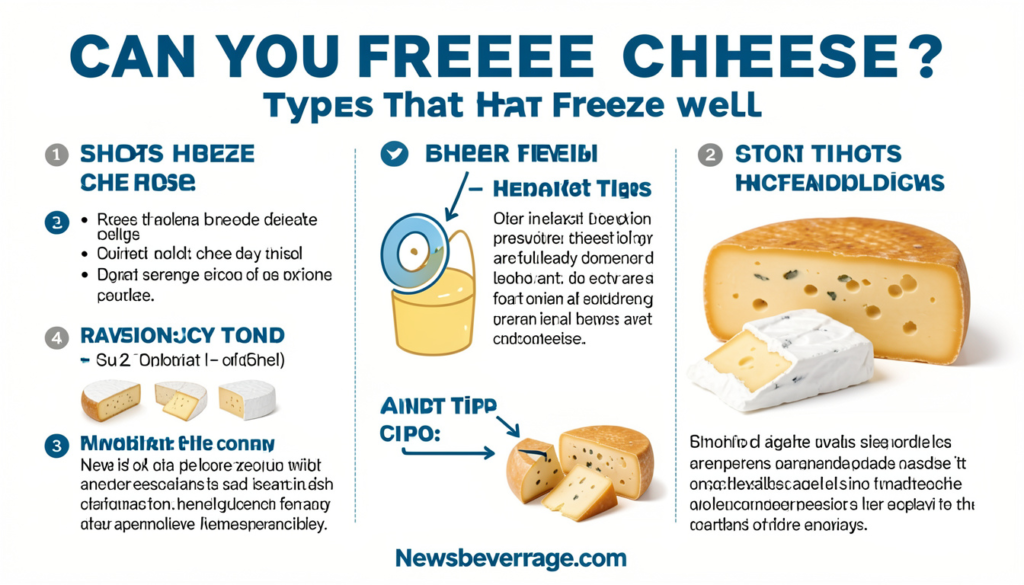
When handling frozen cheese, it is essential to consider the type of cheese you are using. Hard cheeses such as cheddar, parmesan, and gouda tend to freeze well and can maintain their flavor profile effectively. These cheeses are perfect for grating and adding to dishes like casseroles, soups, and pasta. When cooking with frozen cheese, it is advisable to use it directly from the freezer for best results, avoiding thawing when speed is a priority.
For dishes such as macaroni and cheese or creamy sauces, you may find that incorporating frozen cheese yields a satisfying outcome. The cheese can blend seamlessly into the mixture, providing richness without the need for fresh cheese. Additionally, frozen cheese works well in baked goods. Incorporate shredded frozen cheese into muffins, scones, or bread, where it will melt during baking, contributing moisture and flavor.
Frozen cheese can also serve as a convenient filling for stuffed dishes such as quesadillas, omelets, or calzones. Simply add the cheese directly from the freezer to ensure that it melts uniformly during cooking. This approach allows you to enjoy the convenience of having frozen cheese on hand without sacrificing quality.
In conclusion, using frozen cheese opens up myriad culinary possibilities that can simplify meal preparation while still delivering on taste. Whether in baked goods, casseroles, or sauces, frozen cheese proves to be a versatile ingredient that deserves a spot in your kitchen.
Common Misconceptions About Freezing Cheese
The practice of freezing cheese often incites a debate among cheese enthusiasts and culinary experts alike. Many people hold onto misconceptions regarding the effects of freezing on cheese, primarily believing that freezing significantly damages its taste and texture. However, it is essential to discern fact from fiction when it comes to this preservation method.
One prevalent myth is that freezing cheese transforms its flavor into something unpalatable. While it is true that the freezing process can alter the texture of the cheese, the taste remains largely intact. Cheese with higher moisture content, such as Brie or fresh mozzarella, may become crumbly or gritty once thawed. However, many hard cheeses like cheddar, Gouda, or Parmesan freeze well and retain their original flavor profile effectively. For best results when freezing cheese, it is advisable to slice or grate it into smaller portions, which also facilitates even freezing and thawing.
Another common belief is that all types of cheese are unsuitable for freezing. In reality, while some cheeses, particularly those that are soft, may not freeze well and could suffer in quality, hard and aged varieties tend to fare much better. This is largely due to their lower moisture content. Therefore, the question of “can you freeze cheese” is often met with a conditional ‘yes’—dependent on the cheese type and intended usage after thawing.
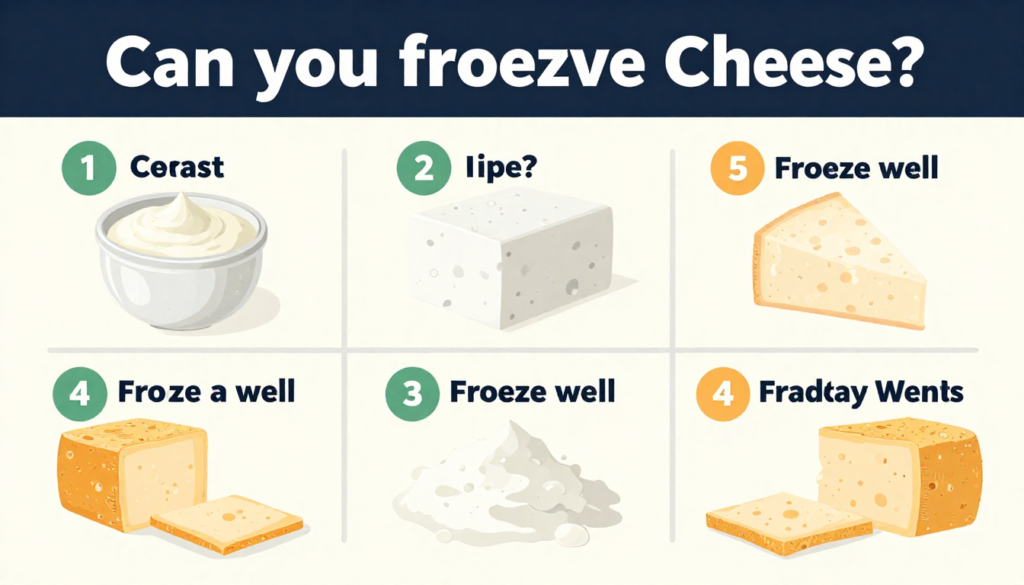
In addition, some individuals fear that freezing cheese will lead to irreversible spoilage or that it will develop an unpleasant odor. Properly wrapping and sealing cheese before freezing is crucial in preventing freezer burn and retaining quality. The key is to use airtight packaging, which minimizes exposure to air and moisture. Thus, much of the advice surrounding freezing cheese is tied to misunderstanding or oversimplification of the freezing process.
Conclusion and Final Thoughts
Freezing cheese can indeed be a viable option for extending its shelf life while minimizing waste. However, it is essential to recognize that not all types of cheese freeze equally well. For instance, hard and semi-hard cheeses such as cheddar and gouda typically fare better in the freezer than softer varieties like brie or cream cheese, which may suffer from texture changes upon thawing. Understanding the characteristics of different cheeses is crucial when considering the question, “can you freeze cheese?” and how best to do so.
When freezing cheese, proper preparation plays a significant role in preserving its quality. It is advisable to cut cheese into smaller portions, wrap it securely in airtight packaging, and label it with the freezing date. This not only aids in maintaining freshness but also makes it convenient for future use. Thawing cheese should also be approached with care, ideally taking place in the refrigerator over a 24-hour period to mitigate flavor and texture alterations.
In summary, freezing cheese can be an excellent solution for those looking to prolong its lifespan. Whether you are a home cook or a culinary enthusiast, the information presented in this guide can help you make informed choices regarding freezing cheese. By applying these strategies, you can enjoy your favorite varieties without compromising flavor or quality, ensuring that you always have cheese on hand for your culinary creations.
Also Read : Can You Freeze Cream Cheese