LG Refrigerator Not Cooling? Fix It Fast Before Food Spoils 2026
Introduction
You walk into your kitchen, open your LG refrigerator, and immediately notice something’s wrong. The milk feels warm. The lettuce is wilting. Your ice cream has turned into soup. If your LG refrigerator not cooling properly, you’re facing more than just an inconvenience. You’re looking at potentially hundreds of dollars in spoiled groceries and a major disruption to your daily routine.
I’ve been there, and I know how frustrating it feels. One minute everything’s fine, and the next, you’re scrambling to save your food while trying to figure out what went wrong. The good news is that many cooling issues have simple explanations and even simpler fixes. You don’t always need an expensive repair technician.
In this guide, I’ll walk you through the most common reasons why your LG refrigerator stops cooling effectively. We’ll explore practical troubleshooting steps you can take right now. By the end, you’ll know exactly what to check, when you can fix it yourself, and when it’s time to call for professional help.
Understanding How Your LG Refrigerator Cools
Before we dive into troubleshooting, let’s quickly cover the basics. Your LG refrigerator uses a refrigeration cycle to remove heat from inside the unit. The compressor pumps refrigerant through coils. As this refrigerant evaporates and condenses, it absorbs heat from the interior and releases it outside.
Several components work together to make this happen. The evaporator fan circulates cold air throughout the compartments. The condenser coils release the absorbed heat. Temperature sensors monitor conditions and signal when adjustments are needed. When any single part of this system fails, your LG refrigerator not cooling becomes an immediate problem.
Understanding this process helps you troubleshoot more effectively. It also helps you explain the issue clearly if you need to contact a repair service. Most importantly, it gives you insight into why certain fixes work and others don’t.
Common Causes When Your LG Refrigerator Not Cooling
Dirty Condenser Coils
This is probably the most common culprit, and fortunately, it’s one of the easiest to fix. Your condenser coils are typically located at the back or bottom of your refrigerator. Over time, they accumulate dust, pet hair, and debris.
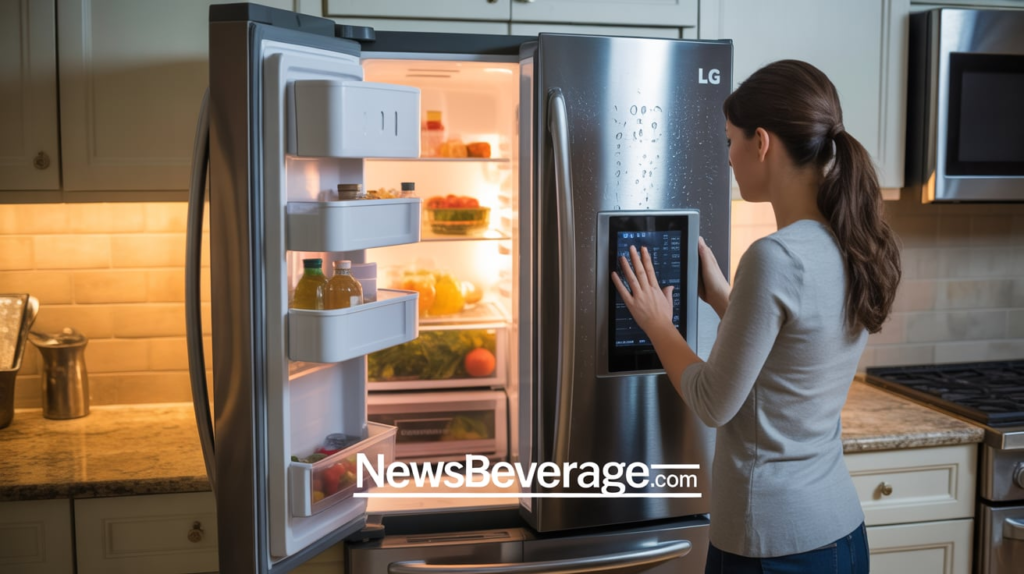
When coils get dirty, they can’t release heat efficiently. Your compressor has to work harder and longer. Eventually, the refrigerator struggles to maintain proper temperatures. You might notice the freezer section works fine while the fridge stays warm.
Cleaning these coils takes about 15 minutes. Unplug your refrigerator first for safety. Use a coil brush or vacuum attachment to gently remove the buildup. You’ll be amazed at how much dust comes off. This simple maintenance task should be done every six months to prevent cooling problems.
Faulty Evaporator Fan
The evaporator fan is responsible for circulating cold air from the freezer to the refrigerator compartment. When this fan stops working, cold air stays trapped in the freezer. Your freezer might seem fine, but your fridge section warms up quickly.
You can test this fan yourself. Open your freezer door and listen carefully. You should hear a small fan running. If you don’t hear anything, or if you hear unusual grinding or squealing noises, the fan motor might be failing.
Sometimes frost buildup blocks the fan from spinning. Other times, the motor itself burns out. If the fan blades spin freely when you push them but don’t run automatically, you’re likely dealing with a motor issue that needs replacement.
Damaged Door Seals
Your refrigerator door gaskets create an airtight seal when the door closes. Over time, these rubber seals can crack, tear, or become loose. Even a small gap lets warm air seep inside constantly.
Check your door seals by closing the door on a dollar bill. Try pulling the bill out. If it slides out easily, your seal isn’t tight enough. Repeat this test around the entire perimeter of both the refrigerator and freezer doors.
Sometimes you can improve the seal by cleaning the gasket with warm soapy water. Food particles and sticky spills prevent proper sealing. If the rubber is cracked or torn, however, you’ll need to replace the gasket entirely. Replacement gaskets are relatively inexpensive and can be installed without professional help.
Thermostat Problems
The thermostat controls when your compressor runs to maintain the set temperature. When it malfunctions, it might not signal the compressor to turn on. Alternatively, it might provide inaccurate temperature readings.
You can test the thermostat by adjusting the temperature setting. Listen for a click sound. This indicates the thermostat is functioning. If you don’t hear the click, or if the compressor doesn’t respond to temperature changes, the thermostat likely needs replacement.
Digital control boards can also fail in newer LG models. These boards function similarly to mechanical thermostats but are more complex. Error codes on the display panel often indicate control board issues before cooling problems become severe.
Compressor Failure
The compressor is the heart of your refrigeration system. When it fails, your entire refrigerator stops cooling. You might hear clicking sounds as the compressor tries to start but can’t. Or you might hear nothing at all.
Compressor failure is one of the more serious and expensive problems. These units typically last 10 to 15 years. If your refrigerator is older and the compressor fails, you’ll need to weigh repair costs against replacement costs.
Before assuming compressor failure, make sure you’ve checked everything else. Compressors rarely fail suddenly without warning signs. Usually, you’ll notice the refrigerator running constantly or making unusual noises for weeks or months beforehand.
Refrigerant Leak
Refrigerant is the chemical that absorbs heat inside your refrigerator. A leak causes refrigerant levels to drop. Without adequate refrigerant, the cooling cycle can’t function properly.
Refrigerant leaks are difficult to detect on your own. You might notice frost patterns on the evaporator coils or hear a hissing sound. The compressor might run constantly while temperatures steadily rise inside.
This repair requires a certified technician. Refrigerant handling is regulated by environmental laws. A professional will locate the leak, repair it, and recharge the system with the proper amount of refrigerant. This is not a DIY fix.
Blocked Air Vents
Your LG refrigerator has air vents that allow cold air to flow between compartments. When you overload your fridge or pack items too tightly, you can block these vents. The result is uneven cooling or complete warming in certain areas.
Check inside both the freezer and refrigerator compartments. Look for vents along the back wall or ceiling. Make sure nothing is pressed against them. Reorganize your food to allow proper airflow.
Some people accidentally block vents with large pizza boxes or stacked containers. Others don’t realize frost buildup on the vents restricts airflow. Clear any obstructions and give cold air a clear path to circulate.
Step-by-Step Troubleshooting for LG Refrigerator Not Cooling
Check the Power Supply
This might seem obvious, but start with the basics. Make sure your refrigerator is actually plugged in securely. Check your home’s circuit breaker to ensure the outlet has power. Sometimes breakers trip without any obvious cause.
Plug another appliance into the same outlet to verify it works. If you have a GFCI outlet in your kitchen, check if it needs to be reset. These outlets have built-in circuit breakers that can trip.
Look at your refrigerator’s display panel if it has one. If the panel is completely dark, you definitely have a power issue. If lights turn on but the compressor doesn’t run, the problem lies elsewhere.
Adjust Temperature Settings
Someone might have accidentally changed your temperature settings. Check both the refrigerator and freezer controls. The ideal refrigerator temperature is between 37°F and 40°F. Your freezer should be at 0°F.
If settings were changed, adjust them back and wait 24 hours. Refrigerators don’t cool instantly. Give the system time to stabilize before concluding you still have a problem.
Some LG models have a power saving or vacation mode. These modes intentionally reduce cooling to save energy. Make sure your refrigerator isn’t in one of these special modes.
Inspect and Clean the Condenser Coils
As mentioned earlier, dirty coils are extremely common. Pull your refrigerator away from the wall if the coils are on the back. If they’re underneath, remove the front grille panel at the bottom.
Use a vacuum with a brush attachment or a specialized coil cleaning brush. Work gently to avoid damaging the delicate fins. Remove all visible dust and debris. You can also wipe them down with a damp cloth afterward.
Once you’re finished, plug the refrigerator back in and restore power. You should notice improvement within a few hours if dirty coils were your problem. The compressor should run more quietly and less frequently.
Test the Evaporator Fan
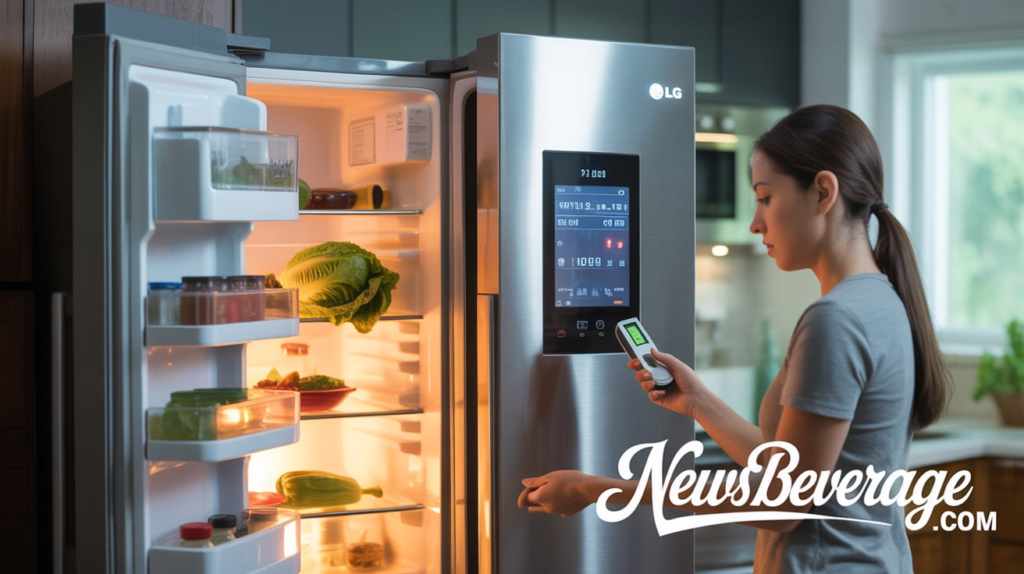
Open your freezer and locate the evaporator fan cover. It’s usually on the back wall of the freezer compartment. Remove any items blocking your access. Listen for fan operation.
If you hear the fan running, that’s good. If it’s silent, try closing the door and waiting a few minutes. Many refrigerators stop the fan when the door opens. If it still doesn’t run, you likely have a faulty fan motor.
Check for frost buildup around the fan. Excessive frost indicates a defrost system problem. The fan can’t spin if it’s encased in ice. You may need to manually defrost your freezer by unplugging it for several hours.
Examine Door Seals and Alignment
Run your hand around all door edges while the door is closed. Feel for cold air escaping or warm air entering. Perform the dollar bill test I mentioned earlier around the entire perimeter.
Clean the gaskets thoroughly with warm water and mild detergent. Sometimes cleaning alone restores the seal. If the gasket feels stiff or brittle, it’s time for replacement.
Check door alignment too. If your refrigerator isn’t level, doors might not close properly. Adjust the leveling feet under your refrigerator. Use a level to ensure the unit sits evenly. A slight backward tilt helps doors close automatically.
Look for Frost Buildup
Excessive frost inside your freezer compartment usually indicates a defrost problem. The automatic defrost system should prevent ice from accumulating. When it fails, frost blocks air vents and prevents the evaporator fan from working.
If you see thick frost on the back wall of your freezer, you’ll need to defrost. Unplug the refrigerator and leave doors open. Place towels on the floor to catch melting water. This process takes several hours.
After defrosting, if frost returns quickly, you have a defrost system component failure. This could be the defrost heater, defrost thermostat, or defrost control board. These repairs typically require a technician.
When to Call a Professional Technician
Some repairs are beyond typical DIY capabilities. If you’ve tried basic troubleshooting without success, professional help might be necessary. Refrigerant issues always require a licensed technician due to environmental regulations.
Compressor replacement is expensive and technical. Most homeowners lack the tools and expertise to handle this job. Control board failures can be tricky to diagnose without proper testing equipment.
If your refrigerator is still under warranty, contact LG customer service before hiring an independent repair person. Warranty work must usually be performed by authorized service centers. Unauthorized repairs can void your remaining coverage.
Get multiple quotes if your refrigerator is out of warranty. Repair costs vary significantly between companies. Ask about diagnostic fees upfront. Some companies waive the diagnostic charge if you proceed with repairs.
Preventing Future Cooling Problems
Regular maintenance prevents most cooling issues. Clean your condenser coils every six months without fail. This simple task extends the life of your compressor and improves efficiency.
Avoid overloading your refrigerator. Proper air circulation is essential for even cooling. Leave space between items and don’t block vents. Keep your refrigerator at least 80% full for optimal efficiency, but not so full that air can’t circulate.
Check door seals quarterly. Clean them regularly and inspect for damage. Replace worn gaskets promptly before they cause bigger problems.
Monitor your refrigerator’s performance. Notice how often the compressor runs. Pay attention to unusual sounds. Catching problems early often means simpler, cheaper repairs. Temperature fluctuations are early warning signs that something needs attention.
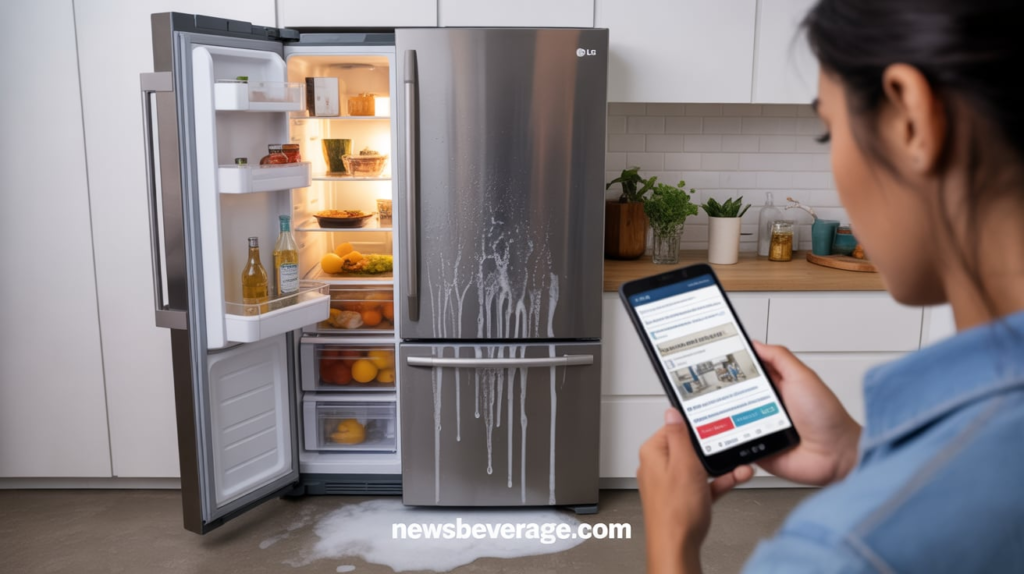
Keep the area around your refrigerator clean. Dust and pet hair accelerate coil buildup. Adequate ventilation space prevents overheating. Your refrigerator needs a few inches of clearance on all sides for proper airflow.
Understanding Repair vs. Replacement Decisions
When your LG refrigerator not cooling and repairs seem expensive, you face a tough decision. Should you repair or replace? Several factors influence this choice.
Consider the age of your refrigerator. If it’s less than eight years old, repairs usually make sense. Between eight and 12 years, evaluate the repair cost versus replacement cost. Beyond 12 years, replacement often makes more financial sense.
Apply the 50 percent rule. If repair costs exceed 50 percent of a new refrigerator’s price, consider replacement. Factor in energy efficiency too. Newer models use significantly less electricity than older ones. The energy savings might offset the replacement cost over time.
Think about your refrigerator’s overall condition. If you’ve had multiple repairs recently, that’s a red flag. Recurring problems indicate your refrigerator is reaching the end of its useful life. One repair might lead to another in quick succession.
Check current sales and promotions on new refrigerators. Sometimes retailers offer significant discounts that make replacement more attractive. Many stores also offer delivery and haul-away services for old appliances.
LG-Specific Issues and Known Problems
LG has earned a solid reputation for reliability, but some models have experienced specific issues. Linear compressors in certain models have had higher failure rates than traditional compressors. LG extended warranties for affected units.
Some LG French door models have experienced ice maker and cooling problems related to evaporator design. If you own one of these models, you might notice frost buildup issues more frequently than expected.
Check if your model has any recalls or service bulletins. Visit LG’s official website and enter your model number. You might discover free repairs for known defects. LG customer service can tell you if your specific model has extended warranty coverage.
Online refrigerator forums and reviews often reveal patterns in specific model problems. Research your model number to see if others report similar cooling issues. This information helps you understand whether you’re dealing with a common defect or an isolated incident.
Emergency Steps While Waiting for Repair
When your LG refrigerator not cooling and you’re waiting for parts or service, you need to protect your food. First, stop opening the doors unnecessarily. Every time you open the door, warm air enters and accelerates food spoilage.
If you have a second refrigerator or access to one, transfer perishables immediately. Dairy products, meat, and eggs are most vulnerable. Condiments and beverages can tolerate warmer temperatures longer.
Use coolers with ice to store critical items. Frozen gel packs work better than loose ice. Group similar items together to minimize cooler opening. Keep raw meat separate from other foods.
Consider what you can cook and eat immediately. Use up perishables before they spoil. Many foods can be cooked and then frozen. This strategy saves money and reduces waste.
Check food safety guidelines. When in doubt, throw it out. Harmful bacteria multiply rapidly at temperatures above 40°F. No food is worth the risk of foodborne illness.
Cost Expectations for Common Repairs
Understanding repair costs helps you budget and make informed decisions. Simple fixes like thermostat replacement typically cost between $100 and $200 including labor. Door gasket replacement runs similar amounts.
Evaporator fan motor replacement generally costs $150 to $300. Defrost system repairs range from $150 to $400 depending on which component failed. These are moderate repairs that usually make sense for refrigerators under 10 years old.
Compressor replacement is the big expense. Costs typically range from $400 to $800 or more. When you factor in refrigerant replacement and labor, the total can approach $1,000. For older refrigerators, this cost often tips the decision toward replacement.
Refrigerant leak repairs vary widely. Simple leaks might cost $200 to $300. Complex leaks requiring extensive coil replacement can exceed $500. Remember that refrigerant must be added by a certified technician.
Always get written estimates before authorizing repairs. Ask what’s covered by the estimate. Some companies charge separately for parts, labor, and service calls. Know the total cost upfront.
Conclusion
Discovering your LG refrigerator not cooling properly is stressful, but it doesn’t have to be a disaster. Many cooling problems have straightforward solutions that don’t require professional help or expensive repairs. By systematically checking common culprits like dirty condenser coils, faulty fans, and worn door seals, you can often restore normal operation quickly.
Remember that regular maintenance prevents most cooling issues. Clean those condenser coils every six months. Check door seals regularly. Monitor your refrigerator’s performance for early warning signs. These simple habits extend your appliance’s lifespan and save you money.
When DIY troubleshooting doesn’t solve the problem, don’t hesitate to call a qualified technician. Some repairs require professional expertise and specialized tools. The key is knowing which battles you can fight yourself and when to bring in reinforcements.
Have you dealt with a refrigerator cooling issue before? What solution worked for you? Share your experience in the comments to help others facing similar challenges. And if this guide helped you get your refrigerator running again, consider sharing it with friends who might need it too.
Frequently Asked Questions
Why is my LG refrigerator not cooling but the freezer works fine?
This usually indicates an evaporator fan problem or blocked air vents. Cold air generated in the freezer isn’t reaching the refrigerator compartment. Check if the evaporator fan is running. Look for frost buildup or obstructions blocking the vents between compartments. Sometimes the damper control that regulates airflow between sections malfunctions.
How long should I wait after plugging in my LG refrigerator before it cools?
A newly installed or recently moved refrigerator needs about 24 hours to reach optimal temperature. The compressor needs time to stabilize. The interior needs time to cool down from room temperature. Don’t load it with food immediately. Wait until temperatures reach safe levels around 37°F in the fridge and 0°F in the freezer.
Can a power outage cause my LG refrigerator to stop cooling permanently?
Power outages rarely cause permanent damage. However, power surges when electricity returns can damage control boards or compressor components. If your refrigerator won’t cool after power returns, first check your circuit breaker. Unplug the unit for five minutes to reset the control board. If it still doesn’t work, you may need professional diagnosis.
What temperature should I set my LG refrigerator to prevent cooling problems?
Set your refrigerator between 37°F and 40°F for optimal food safety and energy efficiency. The freezer should be at 0°F. Colder settings don’t improve food preservation significantly. They make your compressor work harder and waste energy. Use a refrigerator thermometer to verify actual temperatures match your settings.
How do I know if my LG refrigerator compressor is failing?
Compressor failure signs include clicking sounds without the compressor starting, constant running without cooling, or complete silence. You might feel the compressor is hot to the touch. The refrigerator might cool intermittently. These symptoms often develop gradually over weeks. If you suspect compressor failure, test other components first since this is an expensive repair.
Is it normal for my LG refrigerator to run constantly?
Refrigerators cycle on and off throughout the day. They shouldn’t run continuously. Constant operation suggests the unit is struggling to maintain temperature. Common causes include dirty condenser coils, failing components, or air leaks. Extremely hot ambient temperatures or frequent door opening also increase run time. If your refrigerator runs 80% or more of the time, investigate further.
Can I fix a refrigerant leak in my LG refrigerator myself?
No. Refrigerant repairs require a licensed technician. Federal regulations govern refrigerant handling due to environmental concerns. Attempting DIY refrigerant repair is illegal in most places. Professionals have the proper tools to locate leaks, repair them correctly, and recharge the system safely. They also ensure leaks are truly fixed before adding new refrigerant.
Why does my LG refrigerator have frost buildup in the freezer?
Frost accumulation indicates a defrost system failure. Your refrigerator should automatically defrost periodically. When the defrost heater, thermostat, or timer fails, frost accumulates continuously. This frost blocks air vents and prevents proper cooling. Manual defrosting provides temporary relief, but you need to repair the defrost system to prevent recurrence.
How much does it cost to repair an LG refrigerator that’s not cooling?
Repair costs range from $100 for simple fixes like thermostat replacement to $1,000 for compressor replacement. Most common repairs fall between $150 and $400. Diagnostic fees typically cost $50 to $100. Many repair companies waive diagnostic charges if you proceed with repairs. Get written estimates and compare prices from multiple technicians for expensive repairs.
Should I repair or replace my 10-year-old LG refrigerator that’s not cooling?
This depends on the repair cost and the refrigerator’s overall condition. For repairs under $300, fixing usually makes sense. Between $300 and $500, consider the 50 percent rule. If repair exceeds half the cost of a new refrigerator, replacement might be better. Factor in energy efficiency gains and whether you’ve had other recent problems. A 10-year-old refrigerator nearing the end of its typical 12 to 15-year lifespan might warrant replacement.