Master the Single Leg Deadlift: Transform Your Balance and Strength 2026
Have you ever wobbled while trying to put on your shoes while standing? Or felt unsteady walking on uneven ground? These everyday moments reveal something important: your body craves better balance and stability. That’s exactly where the single leg deadlift comes in.
The single leg deadlift is one of the most effective exercises for building functional strength, improving balance, and sculpting your lower body. Unlike traditional bilateral exercises, this movement challenges each leg independently, exposing and correcting strength imbalances that often hide in plain sight. Whether you’re an athlete looking to enhance performance or someone who wants to move better in daily life, this exercise delivers results you can actually feel.
In this comprehensive guide, you’ll discover everything about the single leg deadlift—from proper form and common mistakes to variations and programming strategies. We’ll explore why this exercise deserves a permanent spot in your workout routine and how to perform it safely and effectively.
What Is a Single Leg Deadlift?
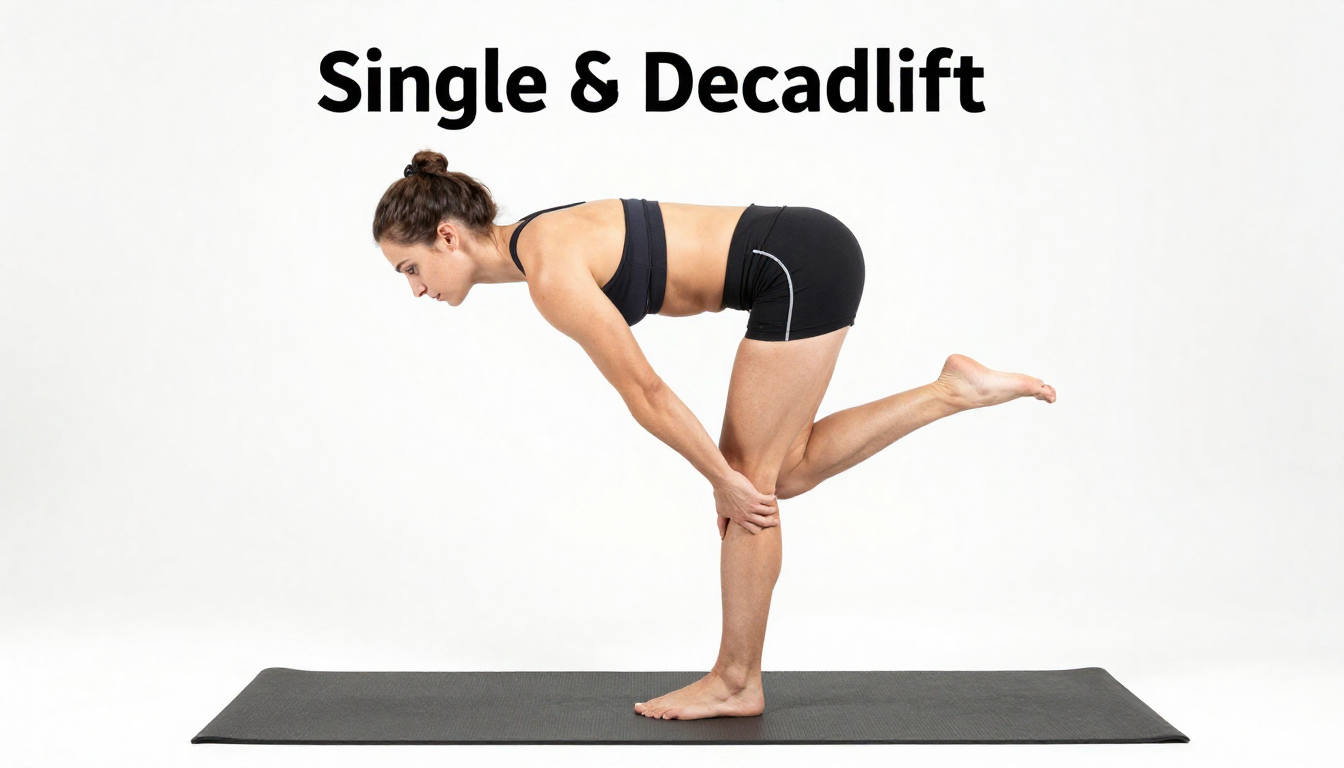
The single leg deadlift is a unilateral exercise that targets your posterior chain while standing on one leg. You hinge at the hip, lowering your torso toward the ground while extending your free leg behind you for balance. The movement mimics a traditional deadlift but demands significantly more stability, coordination, and core engagement.
This exercise works multiple muscle groups simultaneously. Your glutes, hamstrings, and lower back do the heavy lifting, while your core and stabilizer muscles work overtime to keep you balanced. It’s like getting a full-body workout disguised as a lower-body exercise.
The beauty of the single leg deadlift lies in its versatility. You can perform it with just your body weight, dumbbells, kettlebells, or a barbell. Each variation offers unique benefits, making it accessible for beginners while remaining challenging enough for advanced lifters.
Why the Single Leg Deadlift Should Be in Your Routine
Your body doesn’t move symmetrically in real life. You walk on one leg at a time, climb stairs with alternating steps, and navigate obstacles with unequal weight distribution. The single leg deadlift trains these real-world movement patterns better than almost any other exercise.
Corrects Muscle Imbalances
Most people have a dominant side. Your right leg might be stronger than your left, or vice versa. Traditional deadlifts allow your stronger side to compensate for the weaker one, perpetuating the imbalance. The single leg deadlift forces each leg to pull its own weight—literally. This exposes weaknesses you didn’t know existed.
When you train unilaterally, your weaker side gets the attention it needs. Over time, this creates more balanced strength development and reduces injury risk. I’ve seen countless gym-goers discover their “weak” leg is actually 20-30% weaker than their dominant side—an eye-opening revelation.
Builds Functional Strength
Functional strength translates to real-life activities. The single leg deadlift mimics movements you do every day: bending to pick something up, stepping over obstacles, or maintaining balance on one foot. By training this pattern, you’re investing in movement quality that pays dividends outside the gym.
Athletes particularly benefit from this functional carryover. Runners develop better single-leg stability, reducing energy waste during each stride. Basketball players improve their ability to land and change direction. Even weekend warriors notice improvements in hiking, recreational sports, and general movement confidence.
Enhances Balance and Stability
Balance isn’t just about not falling over. It’s about controlling your body position through space with precision and confidence. The single leg deadlift challenges your proprioception—your body’s awareness of where it is in space.
Standing on one leg activates dozens of small stabilizer muscles in your foot, ankle, knee, and hip. These muscles rarely get targeted in traditional exercises. Strengthening them improves your overall stability, which helps prevent falls, ankle sprains, and knee injuries.
Protects Your Lower Back
Here’s something counterintuitive: the single leg deadlift can be easier on your spine than bilateral deadlifts. Because you’re using less total weight, you place less compressive force on your vertebrae. Yet you still get tremendous posterior chain activation.
This makes the single leg deadlift an excellent option for people with lower back sensitivity. The reduced load combined with the balance challenge creates an effective training stimulus without excessive spinal stress.
Muscles Worked During Single Leg Deadlifts
Understanding which muscles fire during the single leg deadlift helps you maximize the exercise’s benefits. This movement recruits an impressive number of muscle groups working in coordination.
Primary Movers:
- Hamstrings: Your hamstrings control the hip hinge and extend your hip as you return to standing
- Glutes: The gluteus maximus powers hip extension, while the gluteus medius stabilizes your pelvis
- Erector Spinae: These lower back muscles maintain your spine position throughout the movement
Secondary Muscles:
- Core (abs and obliques): Your entire core works to prevent rotation and maintain balance
- Calves and foot muscles: These stabilize your standing ankle
- Quadriceps: Provide knee stability and help control the descent
- Hip flexors: Work in the extended leg to maintain position
The single leg deadlift creates what trainers call “total body tension.” While your posterior chain does most of the work, nearly every muscle in your body contributes to maintaining position and balance. This full-body engagement burns more calories and builds more functional strength than isolation exercises.
How to Perform the Single Leg Deadlift with Perfect Form
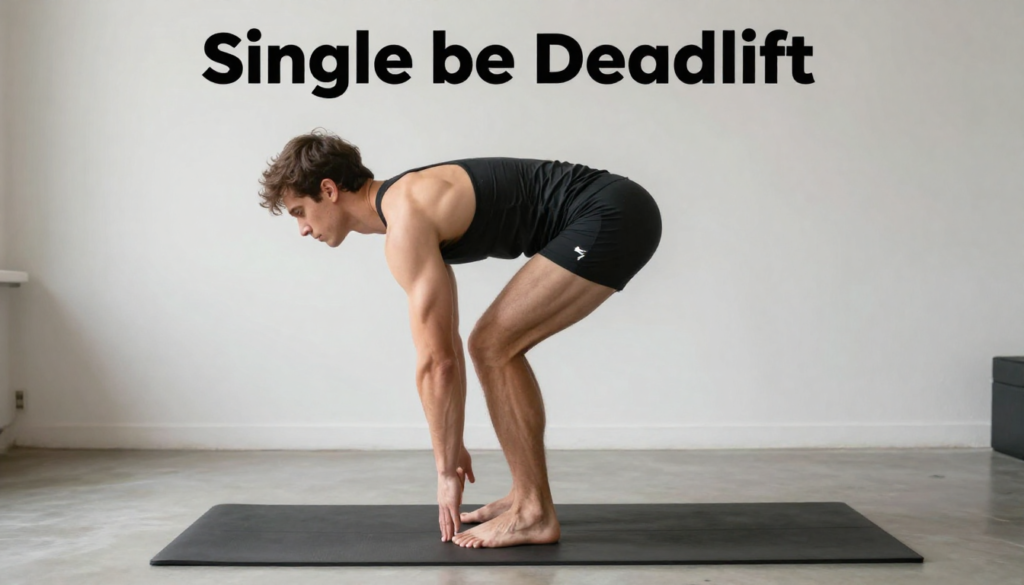
Proper form is non-negotiable with the single leg deadlift. Poor technique not only reduces effectiveness but increases injury risk. Let’s break down the movement step by step.
Starting Position:
Stand tall with your feet hip-width apart. Shift your weight onto your right leg. Engage your core by gently drawing your belly button toward your spine. Keep a slight bend in your standing knee—never lock it out completely. Your shoulders should be back and down, chest proud.
The Descent:
Begin by pushing your hips back, just like you’re trying to close a car door with your butt. As your hips hinge, your torso naturally lowers toward the ground. Simultaneously, extend your left leg straight behind you. Keep your hips square to the ground—avoid rotating or opening up.
Your extended leg, torso, and arms should form one straight line parallel to the floor. Think of your body as a seesaw pivoting at your standing hip. Lower until you feel a strong stretch in your hamstring, typically when your torso reaches parallel to the ground.
The Ascent:
Drive through your standing heel to return to the starting position. Squeeze your glute hard at the top. Imagine pushing the floor away from you rather than pulling yourself up. This mental cue helps activate the right muscles and maintains proper form.
Key Form Points:
- Keep your back flat throughout the movement—no rounding or excessive arching
- Your standing knee tracks over your toes
- The extended leg stays in line with your body
- Your head stays neutral, following your spine angle
- Movement comes from your hip, not your lower back
- Breathe—exhale as you lift, inhale as you lower
Start with body weight only until the movement feels natural. The single leg deadlift has a learning curve. Most people need several sessions to develop the balance and coordination required for smooth execution.
Common Mistakes to Avoid
Even experienced lifters make errors with the single leg deadlift. Recognizing these mistakes helps you correct them before they become ingrained habits.
Rotating Your Hips
This is the most common error. As you hinge forward, your hips want to rotate open, with your extended leg swinging out to the side. This defeats the purpose of the exercise and reduces posterior chain activation. Focus on keeping your hips level and square to the ground throughout the entire movement.
Rounding Your Back
When your hamstrings are tight or you’re using too much weight, your lower back rounds to compensate. This places dangerous stress on your spine. If you can’t maintain a flat back, reduce your range of motion or use less weight. Quality always trumps quantity.
Locking Your Standing Knee
A locked knee shifts stress from your muscles to your joint. Keep a slight bend—what we call a “soft knee”—to maintain muscular tension and protect the joint. This also improves your balance and control.
Looking Up
Many people crane their neck to look forward or up during the movement. Your head should stay neutral, following the line of your spine. If your torso is horizontal, your gaze should be toward the ground a few feet in front of you.
Rushing the Movement
The single leg deadlift isn’t a race. Slow, controlled movement builds strength, stability, and coordination better than fast, sloppy reps. Take 2-3 seconds to lower, pause briefly at the bottom, then take 2 seconds to return to standing.
Not Using the Extended Leg
Your back leg isn’t just along for the ride. Actively extend it behind you and think about creating length from your fingertips to your toes. This engagement improves balance and ensures proper form.
Single Leg Deadlift Variations to Try
Once you’ve mastered the basic single leg deadlift, these variations add new challenges and keep your training fresh.
Dumbbell Single Leg Deadlift
Hold a dumbbell in one or both hands. The most common approach uses a dumbbell in the hand opposite your standing leg (contralateral loading). This creates a balance challenge and works your core to resist rotation. Holding dumbbells in both hands increases the load on your posterior chain.
Kettlebell Single Leg Deadlift
The kettlebell’s unique center of gravity makes it an excellent tool for this exercise. Hold it in one hand or use two kettlebells. The offset load demands extra core stability and mimics real-world lifting scenarios.
Barbell Single Leg Deadlift
Advanced lifters can use a barbell for this variation. It requires exceptional balance and coordination. Start with an empty bar and progress slowly. The barbell creates a different stability challenge than dumbbells or kettlebells.
Elevated Single Leg Deadlift
Stand on a box or step to increase your range of motion. This variation intensifies the hamstring and glute stretch. Only use this variation after you’ve mastered the standard version with perfect form.
B-Stance Deadlift
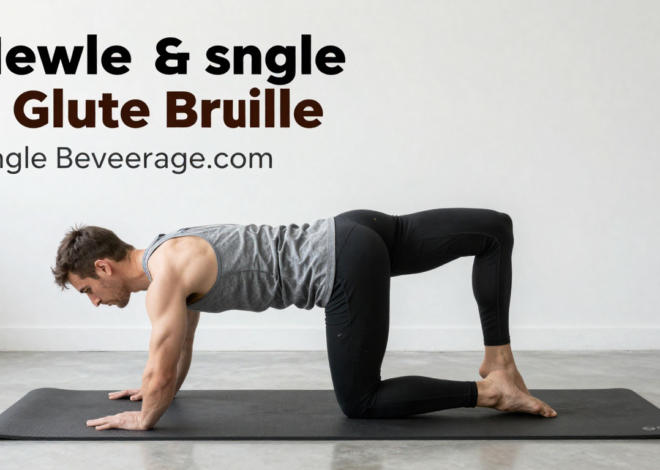
This is a regression that helps you transition from bilateral to unilateral loading. One foot stays fully planted while the other lightly touches the ground behind you with just the toes for minimal support. It’s perfect for building confidence before attempting the full single leg deadlift.
Single Leg Romanian Deadlift with Reach
At the bottom position, reach your arms toward a specific target on the ground. This variation improves shoulder stability, thoracic mobility, and coordination. It’s particularly valuable for athletes who need to bend and reach simultaneously during their sport.
Programming the Single Leg Deadlift
How you incorporate the single leg deadlift into your routine determines the results you’ll see. Here’s how to program it effectively based on your goals.
For Beginners:
Start with 2-3 sets of 8-10 reps per leg, 2-3 times per week. Use just your body weight until you can perform all reps with perfect form and good balance. Focus on the movement pattern rather than adding weight or reps. Rest 60-90 seconds between sets.
For Strength:
Use 3-4 sets of 5-8 reps per leg with challenging weight. Rest 2-3 minutes between sets. Perform single leg deadlifts early in your workout when you’re fresh. They work well as your primary hip hinge exercise or as an accessory movement after bilateral deadlifts.
For Hypertrophy (Muscle Growth):
Aim for 3-4 sets of 10-15 reps per leg with moderate weight. Use a controlled tempo—3 seconds down, 1 second pause, 2 seconds up. Keep rest periods to 60-90 seconds. This creates the time under tension needed for muscle growth.
For Athletic Performance:
Include 2-3 sets of 6-10 reps per leg, 2-3 times per week. Focus on explosive power during the concentric (lifting) phase while maintaining control during the descent. Single leg deadlifts pair well with plyometric exercises and sprint training.
Placement in Your Workout:
The single leg deadlift works best early to mid-workout when your nervous system is fresh. Balance exercises require neural resources that fatigue creates. Avoid programming them at the end of leg day when you’re already exhausted and wobbly.
Tips for Success with Single Leg Deadlifts
These strategies will accelerate your progress and help you get the most from every rep.
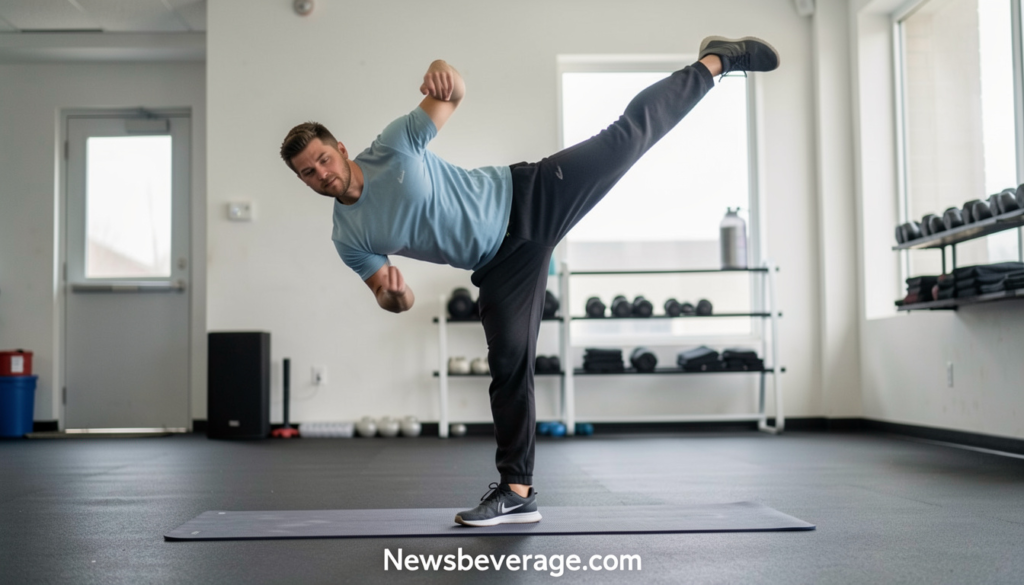
Master the Hip Hinge First
Before attempting single leg deadlifts, ensure you can perform a proper hip hinge. Practice with Romanian deadlifts or good mornings. The single leg variation is much harder when you’re still learning the basic movement pattern.
Use a Mirror or Video
Visual feedback is invaluable. Set up perpendicular to a mirror so you can watch your form from the side. Better yet, video yourself regularly. You’ll spot issues you can’t feel, like hip rotation or back rounding.
Focus on One Thing at a Time
Don’t try to perfect everything simultaneously. Spend one session focusing just on keeping your hips square. The next session, work on maintaining a flat back. Breaking down the movement into components makes it less overwhelming.
Use Your Breath
Proper breathing creates core stability. Take a deep breath before each rep. Brace your core as you descend. Exhale forcefully as you drive back to standing. This breathing pattern maximizes intra-abdominal pressure and protects your spine.
Touch Something for Balance (Initially)
There’s no shame in using assistance while learning. Lightly touch a wall, doorframe, or suspension trainer for balance. As you improve, use less pressure until you can perform the exercise completely unsupported.
Progress Gradually
Resist the temptation to add weight too quickly. The single leg deadlift requires patience. Small, consistent improvements compound over time. Adding 5 pounds when you’re ready is better than adding 10 pounds and sacrificing form.
Single Leg Deadlift vs. Other Exercises
Understanding how the single leg deadlift compares to similar exercises helps you make informed programming decisions.
Single Leg Deadlift vs. Traditional Deadlift:
Traditional deadlifts allow you to lift heavier absolute loads, making them superior for pure strength development. However, single leg deadlifts expose and correct imbalances that bilateral deadlifts mask. Both exercises deserve a place in a well-rounded program.
Single Leg Deadlift vs. Bulgarian Split Squat:
Both are excellent unilateral exercises, but they emphasize different movement patterns. Bulgarian split squats are more quad-dominant with a vertical torso. Single leg deadlifts are posterior chain-dominant with a horizontal torso. Use both for complete lower body development.
Single Leg Deadlift vs. Pistol Squat:
Pistol squats require extreme mobility and strength. They’re primarily quad-focused with a vertical movement pattern. Single leg deadlifts are more accessible for most people and better target the posterior chain. If you can only choose one, the single leg deadlift offers more bang for your buck.
Single Leg Deadlift vs. Single Leg Glute Bridge:
Glute bridges are an excellent glute builder but require lying down and offer less functional carryover than the single leg deadlift. The deadlift variation trains balance and stability while building similar muscle groups. For time-efficient training, the single leg deadlift wins.
Conclusion
The single leg deadlift transforms how you move, both in and out of the gym. This powerful exercise builds balanced strength, enhances stability, and creates functional fitness that improves your daily life. While it demands patience and practice to master, the payoff is absolutely worth the investment.
Start with body weight and focus on perfect form. Progress gradually by adding reps, then weight. Film yourself regularly to catch and correct mistakes. Most importantly, stay consistent—the single leg deadlift rewards those who put in the work.
Your body deserves balanced, functional strength. The single leg deadlift delivers exactly that. Are you ready to discover which leg is really your strong side? Give this exercise a try in your next workout and experience the difference for yourself.
Frequently Asked Questions
What muscles does the single leg deadlift work?
The single leg deadlift primarily targets your hamstrings, glutes, and lower back muscles. Secondary muscles include your entire core (especially obliques for stability), calves, hip stabilizers, and the quadriceps of your standing leg. It’s essentially a full posterior chain exercise with significant core and stabilizer muscle engagement.
How many single leg deadlifts should I do?
Beginners should start with 2-3 sets of 8-10 reps per leg. For strength, aim for 3-4 sets of 5-8 reps with heavier weight. For muscle building, try 3-4 sets of 10-15 reps per leg. Always perform equal reps on both legs to maintain balance. Listen to your body and prioritize form over quantity.
Can single leg deadlifts replace regular deadlifts?
Single leg deadlifts are excellent but shouldn’t completely replace traditional deadlifts if your goal is maximal strength. They serve different purposes. Use bilateral deadlifts for heavy loading and absolute strength, and single leg deadlifts for balance, stability, and correcting imbalances. A well-rounded program includes both variations.
Why do I wobble so much during single leg deadlifts?
Wobbling is completely normal, especially when starting out. It indicates your stabilizer muscles are working hard. Causes include weak stabilizers, poor ankle mobility, tight hips, or insufficient core strength. Improve by practicing regularly, starting without weight, and using a light touch on a wall for support until your balance improves.
What’s the difference between a single leg deadlift and a Romanian deadlift?
A Romanian deadlift is bilateral (both feet on the ground) and allows heavier loading. The single leg deadlift is unilateral (one foot on the ground), requires more balance, and uses lighter weights. Both hinge at the hips and target similar muscles, but the single leg variation adds a significant stability and balance component.
Should my back leg touch the ground during single leg deadlifts?
No, your back leg should remain elevated throughout the movement. However, if you’re just learning, you can use a “kickstand” or “B-stance” variation where your back toes lightly touch for minimal support. This is a stepping stone to the full single leg version where your back foot never touches down.
Can single leg deadlifts help with running performance?
Absolutely. Single leg deadlifts strengthen the exact muscles runners use with each stride. They improve single-leg stability, reduce energy leaks during the running gait, and help prevent common running injuries like IT band syndrome and runner’s knee. Many running coaches consider them essential for distance runners.
How much weight should I use for single leg deadlifts?
Start with just your body weight until you master the balance and movement pattern. Once comfortable, men might start with 15-25 pound dumbbells, and women with 10-15 pound dumbbells. You’ll use significantly less weight than bilateral deadlifts—typically 25-40% of your regular deadlift weight. Form always matters more than load.
Are single leg deadlifts safe for people with knee pain?
Single leg deadlifts can be knee-friendly when performed correctly because they’re a hip-dominant movement with minimal knee stress. However, the balance requirement does engage knee stabilizers. If you have knee issues, consult a physical therapist or doctor first. Start conservatively and stop if you experience pain.
How do I keep my hips from rotating during single leg deadlifts?
Hip rotation is the most common form breakdown. Fix it by consciously keeping both hip bones pointing toward the ground throughout the movement. Engage your core and think about keeping your belt buckle facing down. Start with a smaller range of motion and gradually increase depth as your control improves. Video yourself to check your form.
Also Read : Married At First Sight Season 16