Bad Bunny Calvin Klein: The Bold Collab That Shocked Everyone 2026
Introduction
You scrolled past it on Instagram. You saw it in a tweet. Maybe a friend forwarded it to you. The moment the Bad Bunny Calvin Klein campaign dropped, the internet lost its mind, and for good reason.
Bad Bunny, the Puerto Rican superstar who has built a career on breaking rules, teamed up with one of the most iconic fashion brands in the world. The Bad Bunny Calvin Klein collaboration was not just another celebrity ad. It was a cultural moment. It challenged gender norms, redefined what a Calvin Klein campaign could look like, and gave fans something to talk about for weeks.
In this article, you will learn exactly what happened, why it mattered, and what the Bad Bunny Calvin Klein partnership says about where fashion, music, and identity are all headed.
Who Is Bad Bunny and Why Does His Endorsement Matter?
Bad Bunny, born Benito Antonio Martinez Ocasio, is not your average pop star. He came up from Santurce, Puerto Rico, uploading music on SoundCloud while bagging groceries. By 2020, he was the most streamed artist on Spotify globally. By 2022, he did it again. Then again in 2023.
His appeal goes far beyond music. He wears skirts and painted nails. He speaks openly about machismo culture in Latin America. He carries his Puerto Rican identity with pride in every single thing he does. He is, simply put, a cultural force.
When a brand like Calvin Klein chooses to work with him, it sends a signal. It says the brand understands culture. It says the brand is willing to take a bold swing.
What Was the Bad Bunny Calvin Klein Campaign?
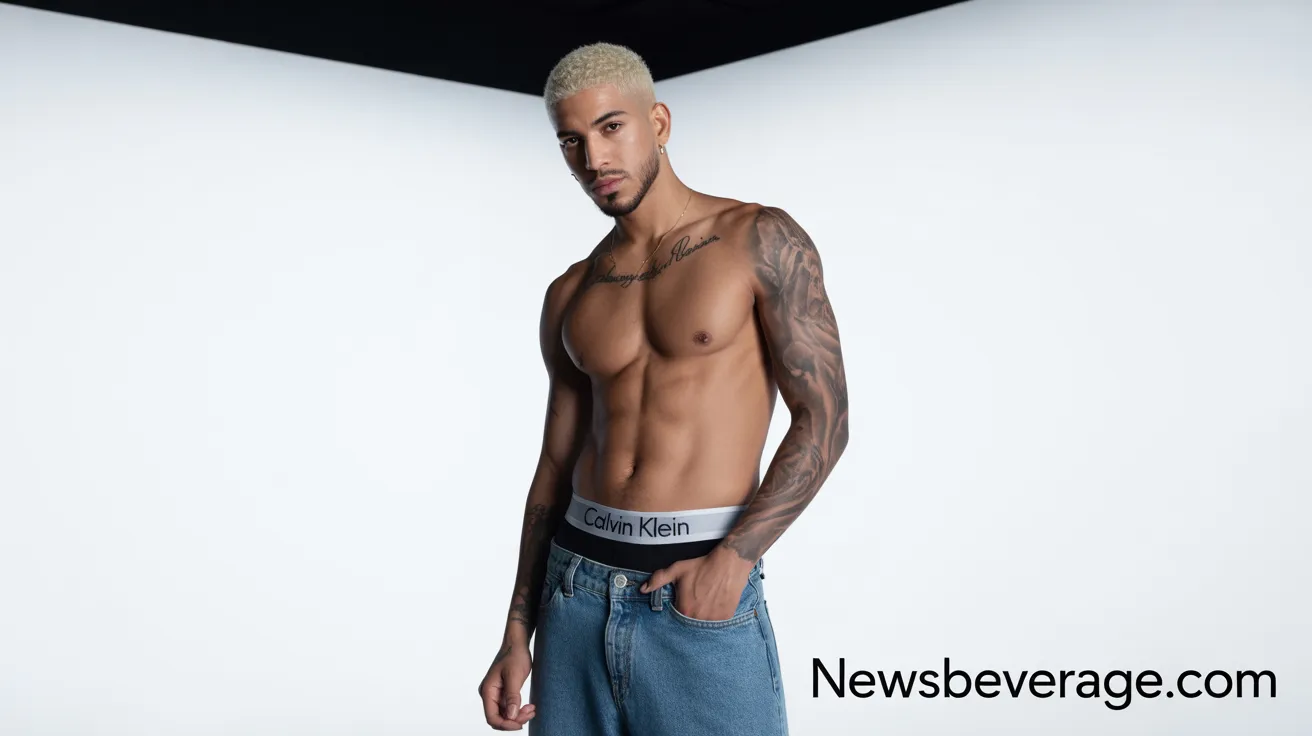
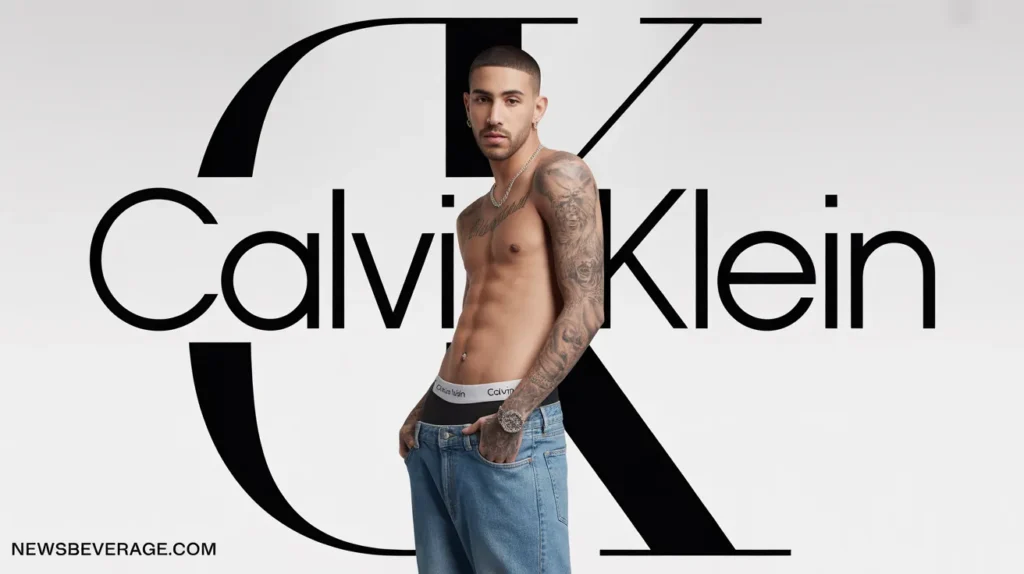
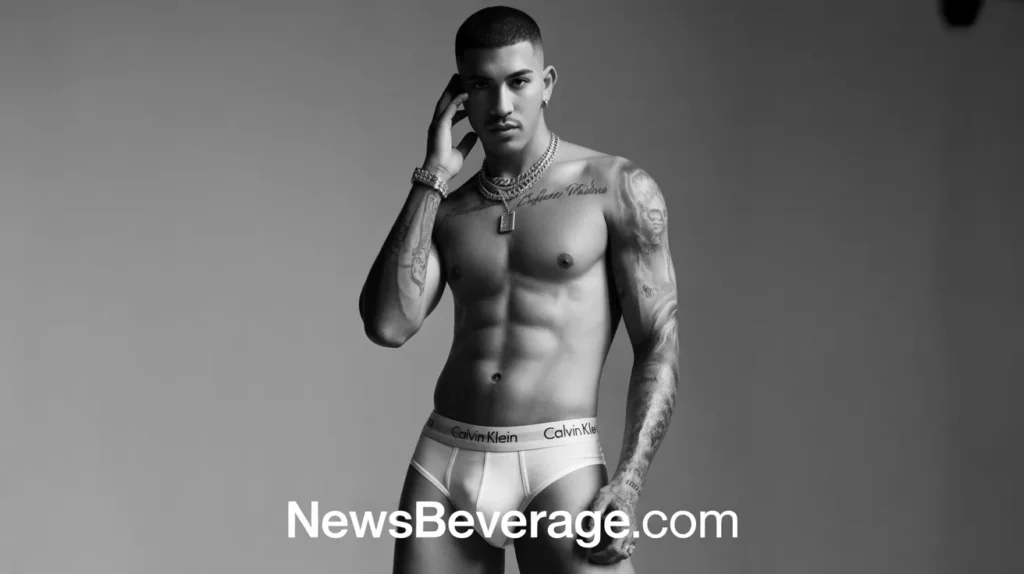
The Bad Bunny Calvin Klein campaign featured the reggaeton star in the brand’s signature underwear and denim. Shot in a raw, intimate style, the visuals were stripped down and confident. No over-the-top set design. No elaborate styling. Just Bad Bunny, his body, and the camera.
The campaign ran across Calvin Klein’s social channels and sparked immediate conversation. Within hours of the images going live, Bad Bunny Calvin Klein was trending across Twitter, TikTok, and Instagram.
What made it different from other celebrity campaigns? The authenticity. Bad Bunny looked like himself. He was not transformed into some sanitized, polished version of a model. He brought his whole identity into the frame.
Why the Bad Bunny Calvin Klein Photos Went Viral
Several things made these images share-worthy immediately:
- Bad Bunny’s confident, unapologetic energy in every shot.
- Calvin Klein’s history of using celebrities who define their era.
- The timing, released around peak Bad Bunny cultural momentum.
- The visual choice to keep things simple and powerful.
- Fans and fashion critics both had strong opinions, which fueled the algorithm.
Breaking Gender Norms: What Bad Bunny Brings to Calvin Klein
One of the biggest talking points around the Bad Bunny Calvin Klein partnership was what it said about masculinity. Calvin Klein has always pushed boundaries. Think of the Kate Moss campaigns. Think of Mark Wahlberg. Think of Justin Bieber. The brand knows how to make people feel things.
But Bad Bunny brought something new. He represents a generation of Latin men who reject the hyper-masculine tropes that have defined Latin pop for decades. He wears what he wants. He expresses vulnerability. He speaks to the LGBTQ+ community with genuine respect, not performative allyship.
When you put that energy inside a Calvin Klein frame, you get something that feels genuinely progressive. The Bad Bunny Calvin Klein collab was not just selling underwear. It was selling a new idea of what it means to be a man in 2024.
Calvin Klein’s Smart Strategy: Why They Chose Bad Bunny
Calvin Klein does not make moves randomly. The brand’s marketing team studies culture carefully before they commit to a face. Their recent campaigns, including work with Jeremy Allen White and Kendall Jenner, show a clear pattern: they want people who carry cultural weight.
Bad Bunny fit that brief perfectly. His fanbase, known as “Los Conejos,” is fiercely loyal. They buy merchandise. They travel for his concerts. They stream his music obsessively. They are exactly the kind of consumers Calvin Klein wants to convert into loyal customers.
There is also a demographic dimension here. The US Hispanic market is the fastest growing consumer segment in the country. By partnering with Bad Bunny, Calvin Klein sent a clear message to that audience: we see you, and we want you.
The Numbers Behind the Bad Bunny Calvin Klein Buzz
The cultural impact was measurable:
- Social mentions of Calvin Klein spiked significantly in the days following the campaign launch.
- Bad Bunny became one of the most searched terms alongside the Calvin Klein brand name.
- Fashion and entertainment publications worldwide covered the campaign within 24 hours.
- TikTok reactions and parodies extended the campaign’s reach far beyond the brand’s paid media spend.
How Fans and the Fashion World Reacted
Reactions to the Bad Bunny Calvin Klein campaign split into two clear camps. On one side, fans went absolutely wild. Memes flooded Twitter. TikTok creators made reaction videos. People shared the images with captions full of praise and enthusiasm. For many fans, seeing their favorite artist in this iconic fashion context felt like a crowning moment.
On the other side, some critics questioned whether the campaign felt too commercial. Was Bad Bunny, the artist known for calling out corporate influence in Latin music, selling out by becoming a fashion model? Some fans wrestled with that tension.
But that tension is exactly what made the Bad Bunny Calvin Klein moment so compelling. It was not clean. It was not simple. It raised real questions about celebrity, identity, and commerce. And that kind of conversation is what great marketing generates.
How This Campaign Fits Calvin Klein’s Legacy of Iconic Partnerships
Calvin Klein has been creating culturally resonant campaigns since the 1980s. Brooke Shields. Mark Wahlberg. Kate Moss. Christy Turlington. Each campaign felt like it captured a specific cultural moment in time. Each one became iconic for different reasons.
The Bad Bunny Calvin Klein campaign belongs in that lineage. Here is a quick look at how some of the most talked-about Calvin Klein campaigns compare:
- Brooke Shields (1980): Controversy over provocative copy for a 15-year-old model.
- Mark Wahlberg (1992): Raw sexuality and street credibility.
- Kate Moss (1990s): Waif aesthetic that defined a decade.
- Justin Bieber (2015): Pop crossover that brought a new generation to the brand.
- Jeremy Allen White (2024): Prestige TV cool meeting classic CK minimalism.
- Bad Bunny (2024): Latin cultural power meeting gender-fluid identity and global star power.
Each of these campaigns worked because the talent and the brand aligned on something deeper than just aesthetics. The Bad Bunny Calvin Klein pairing works for the same reason.

Bad Bunny’s Fashion Influence Before Calvin Klein
It would be a mistake to treat the Bad Bunny Calvin Klein deal as if it came out of nowhere. Bad Bunny has been a fashion force for years. He wore a skirt on the cover of Rolling Stone. He rocked custom Balenciaga on tour. He showed up to the Super Bowl halftime show in head-to-toe looks that had fashion editors scrambling.
He has also collaborated with shoe brands, appeared on fashion week front rows, and dressed in ways that make his fans talk about style as much as they talk about his music. Calvin Klein recognized that Bad Bunny was already a legitimate fashion figure. The campaign was confirmation, not a transformation.
What the Bad Bunny Calvin Klein Deal Means for Latin Artists
For Latin artists and fans, the Bad Bunny Calvin Klein collaboration carries extra weight. For a long time, Latin stars were not the faces of major luxury or heritage fashion brands. The mainstream fashion world had a very specific idea of who belonged in its campaigns.
Bad Bunny, singing entirely in Spanish, never crossing over to English to chase American chart success, becoming the face of Calvin Klein, is a statement. It says that Spanish-language culture does not need to assimilate to reach the top. It can arrive on its own terms.
That matters enormously to a generation of young Latin fans who have always felt like their culture was adjacent to the mainstream, never fully inside it.
What Can You Expect from the Bad Bunny Calvin Klein Collection?
If you are a fan of Bad Bunny and want to own a piece of this collab, here is what you should know. The campaign primarily featured Calvin Klein’s core underwear and denim lines. These are not limited edition drops in the traditional sense. You can shop the looks Bad Bunny wore directly through Calvin Klein’s website and major retail partners.
That accessibility is part of the brand’s strategy. They want the association between Bad Bunny and Calvin Klein to live in products that millions of people can actually buy and wear. You do not need to be a fashion insider to participate in this moment.
Keep an eye on Calvin Klein’s official channels. Given the massive success of the initial Bad Bunny Calvin Klein campaign, further content and potential exclusive drops are entirely possible.
Final Thoughts: Why the Bad Bunny Calvin Klein Collab Deserves Your Attention
The Bad Bunny Calvin Klein campaign was not just a pretty set of photos. It was a statement about where culture is heading. It showed that fashion’s biggest heritage brands are finally willing to put Latin stars at the center of their narratives. It showed that Bad Bunny has the cultural clout to reshape how a 50-year-old brand is perceived in 2024.
Most importantly, it showed that authenticity wins. Bad Bunny did not shrink himself to fit the Calvin Klein frame. He expanded the frame to include all of who he is. That is a lesson brands and artists can both learn from.
What do you think? Did the Bad Bunny Calvin Klein collab live up to the hype, or was it just another celebrity marketing moment? Drop your thoughts in the comments. And if you found this article useful, share it with a fellow Bad Bunny fan who needs to read it.
FAQs: Bad Bunny Calvin Klein
1. When did the Bad Bunny Calvin Klein campaign launch?
The Bad Bunny Calvin Klein campaign launched in 2024 and quickly went viral across social media platforms including Instagram, TikTok, and Twitter within the first 24 hours.
2. What products does the Bad Bunny Calvin Klein campaign promote?
The campaign primarily features Calvin Klein’s underwear and denim collections. These are core brand products that are widely available through Calvin Klein retail stores and the brand’s official website.
3. Why did Calvin Klein choose Bad Bunny?
Calvin Klein chose Bad Bunny because of his massive global reach, cultural influence, and authentic identity. He represents a new generation of consumers and a growing demographic that the brand wants to connect with more deeply.
4. Did Bad Bunny design a collection for Calvin Klein?
The collaboration was primarily a campaign partnership rather than a co-designed collection. Bad Bunny appeared in ads featuring existing Calvin Klein products. Fans should follow both accounts for any future drops.
5. What did fans think of the Bad Bunny Calvin Klein campaign?
Most fans responded with enormous enthusiasm. Many celebrated it as a milestone moment for Latin representation in mainstream fashion. Some raised questions about commercialism, but the overall reception was overwhelmingly positive.
6. Is this Bad Bunny’s first major fashion collaboration?
No. Bad Bunny has collaborated with several major brands before, including footwear partnerships and appearances at high-profile fashion events. The Calvin Klein partnership is his most high-profile fashion campaign to date.
7. Where can I buy the clothes from the Bad Bunny Calvin Klein campaign?
You can shop the underwear and denim styles featured in the campaign directly on Calvin Klein’s official website or at authorized Calvin Klein retail stores worldwide. The products are widely available and not limited to exclusive drops.
8. How does this campaign compare to other Calvin Klein celebrity ads?
The Bad Bunny Calvin Klein campaign stands alongside iconic partnerships like those with Mark Wahlberg, Kate Moss, and Justin Bieber. It is notable for its focus on Latin identity and its unapologetic, gender-fluid presentation.
9. What does this collaboration mean for Latin representation in fashion?
It is a significant milestone. Bad Bunny, who sings exclusively in Spanish and has never chased mainstream crossover, being the face of one of fashion’s biggest brands signals a real shift in how the industry values Latin culture and consumers.
10. Will Bad Bunny and Calvin Klein work together again?
Given the enormous success and cultural buzz generated by the first campaign, a continued partnership seems very likely. Follow both Bad Bunny and Calvin Klein on social media for the latest announcements.
Also Read Newsbeverage.com
Email: johanharwen314@gmail.com
Author Name: Johan harwen
About the Author: Johan Harwen is a fashion and culture writer with over a decade of experience covering the intersection of music, identity, and style. He has written for leading fashion and lifestyle publications, with a focus on how celebrity culture shapes mainstream consumer behavior.
Johan brings a deep passion for Latin culture and a sharp eye for the moments when music and fashion collide in ways that actually matter. He believes that the best fashion stories are the ones that say something true about the world we live in. When he is not writing, Johan is hunting down vintage denim, watching old Daddy Yankee interviews, and arguing on the internet about whether reggaeton ever stopped being cool. Spoiler: it never did.