Discover Banana Ball: The Revolutionary Baseball Game Changing Sports Forever 2026
Introduction
Have you ever watched a baseball game and thought it could use more excitement? You’re not alone. Traditional baseball, while beloved, can sometimes feel slow and predictable. Enter banana ball—a revolutionary twist on America’s pastime that’s taking the sports world by storm. Created by the Savannah Bananas, this high-energy version of baseball throws out the rulebook you know and replaces it with pure entertainment, wild plays, and non-stop action.
If you’ve seen videos of players doing backflips, fans catching foul balls for outs, or batters sprinting on walks, you’ve glimpsed banana ball in action. This isn’t your grandfather’s baseball. It’s faster, funnier, and designed specifically for the TikTok generation. In this article, you’ll discover everything about banana ball—from its quirky rules to why millions are obsessed with it. Whether you’re a baseball purist or someone who’s never watched a game, banana ball might just change how you think about sports.
What Is Banana Ball?
Banana ball is an entertainment-focused version of baseball created by the Savannah Bananas, a team based in Savannah, Georgia. Unlike traditional baseball, banana ball prioritizes fan engagement and excitement over conventional competition. The game follows unique rules designed to speed up play, increase action, and keep fans entertained from first pitch to final out.
The concept emerged from owner Jesse Cole’s vision to reinvent baseball for modern audiences. He recognized that younger generations found traditional baseball too slow and often boring. So he asked a simple question: What if we made baseball fun again?
The result is banana ball—a sport where entertainment comes first. Games typically last around two hours (compared to three-plus hours for MLB games). Every moment is designed to captivate you. There are no walks, no bunts, and if a fan catches a foul ball, you’re out. It’s baseball, but not as you know it.
The Origin Story of Banana Ball
The Savannah Bananas started as a Coastal Plain League summer collegiate team in 2016. Jesse Cole and his wife Emily bought the team with a mission to create the “greatest show in sports.” Initially, they focused on entertainment elements during traditional baseball games—dancing players, crazy promotions, and fan interaction.
But Cole wanted more. In 2020, the team introduced banana ball as an experimental format. The response was overwhelming. Fans loved the fast pace and unpredictability. The team’s social media exploded with viral moments. Soon, the Bananas had a waitlist of over a million fans wanting tickets.
By 2022, the Savannah Bananas stopped playing in the Coastal Plain League entirely. They committed full-time to barnstorming tours, playing banana ball across the country. They created an opponent team called the Party Animals to ensure competitive games. What started as a quirky experiment became a full-fledged sports phenomenon.
Today, the Bananas sell out stadiums everywhere they play. They’ve performed at major league ballparks including Fenway Park and Wrigley Field. ESPN covers their games. Celebrities attend. And millions watch their highlights online. Banana ball went from local curiosity to national sensation in just a few years.
The Wild Rules That Make Banana Ball Unique
The magic of banana ball lies in its rules. Each one is crafted to eliminate downtime and maximize excitement. Here’s what makes this sport so different:
No Walking Allowed
In banana ball, there are no walks. If a pitcher throws four balls, the batter doesn’t just trot to first base. Instead, they can sprint around the bases while the defense tries to get the ball to every fielder. It’s chaotic, thrilling, and keeps pitchers focused on throwing strikes.
Fans Can Get Batters Out
If a fan catches a foul ball, the batter is out. This rule transforms spectators into active participants. Fans pay intense attention to every pitch, hoping for their moment of glory. It’s one of the most interactive elements in sports today.
Two-Hour Time Limit
Games end after two hours, regardless of the inning. If the game is tied when time expires, it goes to a “showdown”—essentially a home run derby where batters get one pitch to score. The team with the most runs wins. No more five-hour marathons that test your patience.
Batters Can Steal First Base
After any wild pitch or passed ball, batters can attempt to steal first base. This adds constant tension to every at-bat. Catchers must be alert, and batters get creative opportunities to reach base.
No Bunting or Stepping Out
Bunting is banned in banana ball. The game wants action, not small ball tactics. Additionally, batters can’t step out of the box between pitches (except for special circumstances). This keeps the game flowing without constant delays.
No Mound Visits
Coaches and catchers can’t visit the pitcher on the mound. Pitchers must figure things out themselves, which adds to the authentic, unscripted nature of the game.
Golden Batter Rule
In the final inning, each team can send their best hitter to the plate once, regardless of where they fall in the batting order. It’s like a trump card that adds strategic drama to close games.
Showdown Tiebreaker
If the game is tied after two hours, teams enter a showdown. One pitcher, one batter, one pitch. The batter tries to hit a home run. The defense can make a play. First team to score more runs in this format wins. It’s sudden-death baseball on steroids.
Why Banana Ball Is Taking Over Social Media

Banana ball was practically designed for viral content. Every game produces dozens of shareable moments. Players do backflips when crossing home plate. They dance between pitches. Fans storm the field for celebrations. The Savannah Bananas have mastered the art of creating content that people want to share.
Their TikTok account has millions of followers. Their Instagram reels regularly get millions of views. Highlights from banana ball games circulate widely, introducing new audiences to the sport. Many people discover banana ball through social media before ever attending a game.
The team understands modern attention spans. They know you’re scrolling through content quickly. So they package baseball in bite-sized, entertaining clips. A ridiculous catch, a fan interaction, a player doing something unexpected—these moments spread like wildfire online.
This social media success translates to real-world demand. The Bananas can’t keep up with ticket requests. They’ve expanded their touring schedule to reach more cities. They’re building a media empire around banana ball, complete with documentaries, podcasts, and exclusive content.
The Experience of Attending a Banana Ball Game
Going to a banana ball game is unlike any sporting event you’ve attended. From the moment you enter the stadium, you’re immersed in entertainment. Music pumps constantly. Players interact with fans during warm-ups. The energy is electric.
The Bananas players are part athletes, part performers. They’ve got nicknames like “Party Animal” and “King Cobra.” They wear yellow uniforms that stand out brilliantly. Between innings, they perform choreographed dances. They climb fences to rob home runs, then celebrate with fans. Nothing is routine.
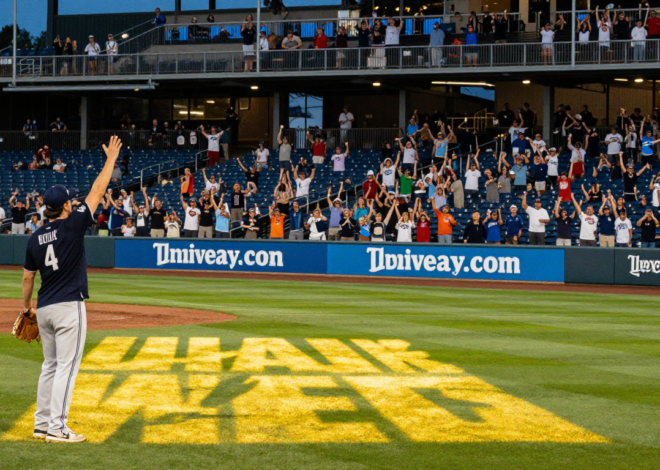
Fans are encouraged to participate loudly. You’re not just watching—you’re part of the show. You might catch a foul ball and get a batter out. You might be called onto the field for a promotion. You’ll definitely dance, cheer, and laugh throughout the game.
The atmosphere feels more like a concert than a baseball game. There’s constant action, whether the ball is in play or not. Kids love it because there’s never a dull moment. Adults appreciate the nostalgia of baseball mixed with modern entertainment sensibilities.
Many fans describe banana ball games as the most fun they’ve had at any sporting event. The combination of skill, comedy, and audience interaction creates something truly special. It’s an experience that transcends typical sports fandom.
How Banana Ball Differs from Traditional Baseball
Let’s be clear: banana ball is not trying to replace traditional baseball. It’s offering an alternative entertainment experience. Understanding the differences helps you appreciate both versions of the sport.
Traditional baseball values history, statistics, and strategic nuance. It rewards patient at-bats and defensive positioning. Games unfold slowly, allowing for conversation and contemplation. There’s beauty in this deliberate pace for those who appreciate it.
Banana ball sacrifices statistical integrity for entertainment value. There are no official stats tracked the same way. The focus is on moments, not metrics. Strategy takes a backseat to spectacle. The pace is frenetic, not contemplative.
Traditional baseball players are athletes first. Banana ball players must be athletes and entertainers. They need performance skills alongside baseball ability. They’re trained to engage fans constantly, not just execute plays.
The target audiences differ too. MLB aims for dedicated baseball fans willing to invest three-plus hours in a game. Banana ball targets everyone—families with young kids, people who’ve never liked baseball, social media enthusiasts, and anyone seeking pure entertainment.
Both versions have merit. Traditional baseball isn’t dying because banana ball exists. Instead, banana ball is expanding the tent, bringing new people to baseball-adjacent entertainment. Some banana ball fans eventually become interested in traditional baseball. Others just enjoy the show.
The Players Behind Banana Ball

Who plays banana ball? The roster includes former college players, independent league veterans, and athletes who never got a shot at affiliated baseball. These aren’t MLB All-Stars (though some former pros have appeared in exhibition games). They’re talented players with the right personality for the entertainment aspect.
Players audition for banana ball spots. The Savannah Bananas look for baseball skills, but also charisma, dance ability, and willingness to embrace the entertainment mission. Not every good baseball player fits banana ball. You need to enjoy performing and engaging crowds.
The most famous banana ball player is probably Jackson Olson, known for his acrobatic catches and social media presence. Other fan favorites include Kyle Luigs, who pitched professionally before joining the Bananas, and Bill LeRoy, a dancing first baseman who’s become iconic.
Players sign contracts for touring seasons. They live on buses, traveling city to city. It’s grueling but exhilarating. Many describe it as the most fun they’ve had playing baseball. The camaraderie is intense because they’re building something new together.
Importantly, banana ball players get paid. This isn’t amateur hour. The Savannah Bananas organization has grown profitable enough to compensate players fairly. They’re full-time entertainers who happen to play baseball.
The Business Model Behind the Madness
How does banana ball make money? Primarily through ticket sales. The Savannah Bananas sell out nearly every game, often months in advance. Tickets range from $20 to $100+, depending on seating. With capacities of 5,000-10,000+ per game and dozens of tour stops, revenue adds up quickly.
Merchandise is another huge revenue stream. Those yellow Bananas jerseys? Fans can’t get enough. The team sells hats, shirts, memorabilia, and specialty items. Their online store does significant business.
Content and media deals contribute too. The Bananas have partnered with ESPN for broadcasts. They’ve created documentary content. Their social media following provides advertising opportunities and brand partnerships.
Jesse Cole proved that baseball can thrive outside the traditional minor/major league structure. By owning the team, controlling the schedule, and focusing on direct fan relationships, banana ball operates profitably without relying on MLB affiliation or complex league arrangements.
This business model inspired other teams to consider alternative formats. The Bananas aren’t the only ones experimenting anymore. Copycat concepts are emerging, though none have matched the original’s success yet.
Criticism and Controversies
Not everyone loves banana ball. Baseball purists often criticize it for lacking the sport’s integrity. They argue it’s a circus act, not real baseball. They worry it trivializes America’s pastime and disrespects the game’s traditions.
Some critics claim banana ball’s rules are gimmicks that undermine competitive balance. The showdown tiebreaker, fan-caught outs, and time limits seem arbitrary to traditionalists. They question whether outcomes truly reflect which team played better baseball.
Others worry about the precedent banana ball sets. If entertainment always trumps competition, does sport lose meaning? Where’s the line between athletic contest and performance art?
Jesse Cole and the Bananas embrace these criticisms. They’re not claiming banana ball is superior to traditional baseball. They’re offering something different for different audiences. Cole often says, “We’re not disrespecting baseball; we’re trying to save it by bringing new fans.”
There’s also practical criticism about ticket accessibility. With waitlists in the millions and scalpers inflating prices, many fans can’t actually attend games. The Bananas are working on expansion to address this, but it remains a challenge.
Despite criticism, banana ball’s popularity speaks for itself. Millions of people enjoy it. That doesn’t invalidate traditional baseball, but it proves there’s an appetite for this entertainment-first approach.
The Future of Banana Ball
Where does banana ball go from here? The Savannah Bananas have ambitious plans. They’re expanding their touring schedule annually. They’re exploring international tours. They’re developing more teams to create a league structure.
Jesse Cole has discussed creating a “Banana Ball League” with multiple franchises playing the format. This would allow regular season competition, playoffs, and a championship. It could become a sustainable professional league separate from MLB and minor leagues.
Television and streaming deals are expanding. More people will be able to watch banana ball games live. This broader exposure could accelerate growth and attract larger sponsorships.
Youth versions of banana ball are emerging too. Little leagues and youth organizations are adopting modified banana ball rules to keep kids engaged. This creates a pipeline of fans who grow up understanding the format.
Technology integration is another frontier. Virtual reality experiences, enhanced broadcasts with multiple camera angles, and interactive fan features could make banana ball even more engaging.
The biggest question is whether banana ball can maintain its momentum. Novelty drives early success, but sustainability requires depth. Can the format continue attracting talent? Will fans stay interested long-term? Can the Bananas create lasting institutional value?
Based on current trends, banana ball seems positioned for continued growth. It’s tapping into something fundamental: people’s desire for joy, entertainment, and community. As long as the Bananas keep delivering that, banana ball will thrive.
How to Watch or Attend Banana Ball Games

Want to experience banana ball yourself? Here’s how:
Attending Games: Visit the Savannah Bananas’ official website to see their touring schedule. Games are announced months in advance. Due to high demand, you should register for the waitlist immediately. The team uses a lottery system for ticket distribution. If selected, you’ll receive a purchase opportunity.
Alternative ticket sources: Some fans resell tickets through verified platforms, though prices may be inflated. Be cautious of scams—only use official resale partners listed on the Bananas’ website.
Watching online: ESPN broadcasts select banana ball games. The Savannah Bananas also stream content on their YouTube channel, though full game broadcasts are limited. Highlights are readily available across their social media platforms.
Following virtually: Even if you can’t attend or watch full games, you can stay connected through TikTok, Instagram, and Twitter. The Bananas post daily content that captures the banana ball experience.
Future opportunities: As banana ball expands, more viewing and attendance options will emerge. Keep following the team’s announcements for new games, broadcasting deals, and franchise locations.
Conclusion
Banana ball represents more than just modified baseball rules—it’s a philosophy about what sports can be. By prioritizing entertainment, fan engagement, and pure joy, the Savannah Bananas created something that resonates with millions. Whether you’re a lifelong baseball fan or someone who finds traditional sports boring, banana ball offers an accessible, exciting experience.
The rules are wild, the players are talented performers, and the atmosphere is electric. Banana ball proves that tradition and innovation can coexist in sports. It’s not replacing baseball; it’s expanding what baseball can mean to different audiences.
Have you experienced banana ball yet? If not, put it on your bucket list. If you have, what was your favorite moment? The future of sports entertainment is yellow, fast-paced, and absolutely bananas—and that’s exactly what makes it special.
FAQs About Banana Ball
What is banana ball? Banana ball is an entertainment-focused version of baseball created by the Savannah Bananas. It features unique rules like no walks, fan-caught foul balls counting as outs, and a two-hour time limit. The game prioritizes excitement and fan engagement over traditional baseball conventions.
How long is a banana ball game? Banana ball games last exactly two hours, regardless of which inning they’re in. This is dramatically shorter than traditional baseball games, which average over three hours. If the game is tied when time expires, it goes to a “showdown” tiebreaker format.
Can fans really get batters out in banana ball? Yes! If a fan catches a foul ball in the stands, the batter is called out immediately. This rule makes fans active participants and creates intense focus on every foul ball. It’s one of banana ball’s most distinctive and popular features.
How much do banana ball tickets cost? Banana ball tickets typically range from $20 to $100+, depending on the seat location and venue. However, due to massive demand, tickets are extremely difficult to obtain. The Savannah Bananas use a waitlist and lottery system for ticket distribution.
Is banana ball a professional league? Currently, banana ball is primarily played by the Savannah Bananas and their opponent team, the Party Animals, on barnstorming tours. It’s not a traditional league structure yet, though Jesse Cole has discussed creating a Banana Ball League in the future. Players are paid professionals.
What happens if a banana ball game is tied? If a banana ball game is tied when the two-hour time limit expires, teams enter a “showdown.” This is similar to a home run derby where one pitcher faces one batter with one pitch. The team that scores more runs in this sudden-death format wins the game.
Do banana ball games count as official baseball statistics? No, banana ball statistics are not recognized by official baseball organizations like MLB or Minor League Baseball. The game is entertainment-focused rather than statistically driven. Players’ performances don’t affect professional baseball records or scouting reports.
Where can I watch banana ball games? You can watch banana ball through several channels: attending live games (tickets available via waitlist), ESPN broadcasts of select games, the Savannah Bananas’ YouTube channel for highlights and some full games, and their social media platforms (TikTok, Instagram) for daily content and viral moments.
Who plays banana ball? Banana ball players include former college players, independent league veterans, and talented athletes who can both play baseball and entertain crowds. They must audition for roster spots. Some former professional players have also appeared in exhibition banana ball games.
Why is it called banana ball? The name comes from the Savannah Bananas team, which created the format. The team chose the “Bananas” name in 2016 through a fan vote, embracing fun and quirkiness from the start. When they developed their unique baseball format, “banana ball” naturally became the name for this entertaining twist on the traditional sport.
Also Read : La Perla Puerto Rico