Adorable Sea Bunny: The Ultimate Guide to Ocean’s Cutest Slug 2026
Introduction
Have you ever seen something so cute underwater that you couldn’t believe it was real?
Meet the sea bunny—a tiny marine creature that looks like it hopped straight out of an animated movie. With fluffy “ears” and a soft, fuzzy appearance, this adorable sea bunny has taken the internet by storm. People can’t get enough of its charm.
But here’s the thing: the sea bunny isn’t actually a bunny at all.
It’s a type of sea slug. And trust me, once you learn about this fascinating creature, you’ll appreciate it even more. In this guide, I’ll walk you through everything you need to know about the sea bunny. You’ll discover where it lives, what it eats, and why it’s become such a viral sensation online.
Let’s dive in.
What Exactly Is a Sea Bunny?
The sea bunny is a species of sea slug scientifically known as Jorunna parva.
It belongs to a group of marine animals called nudibranchs. These creatures are shell-less mollusks found in oceans worldwide. The sea bunny earned its nickname because of two tiny structures on its head. These look remarkably like bunny ears.
But they’re not ears at all.
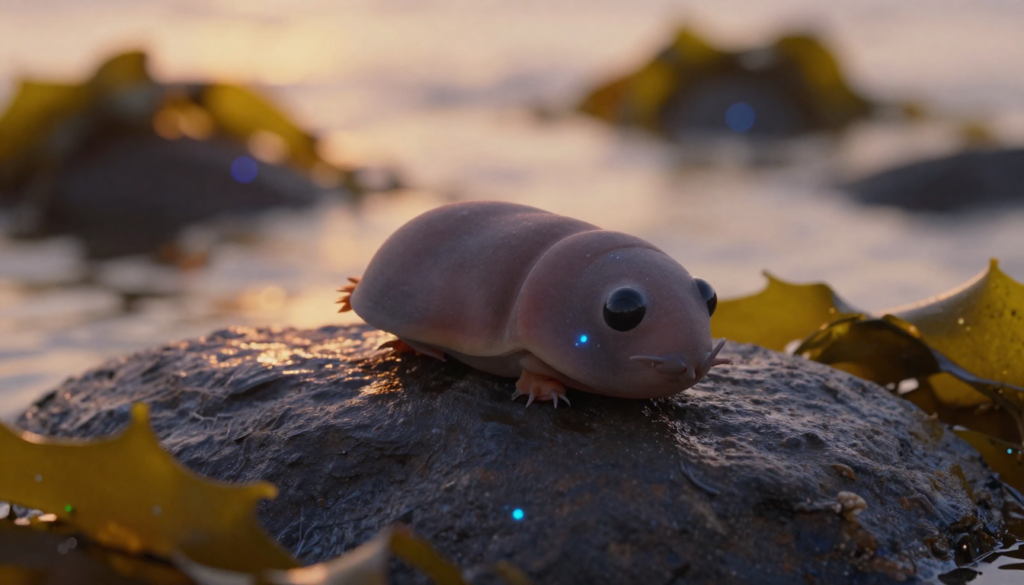
They’re called rhinophores. These sensory organs help the sea bunny detect chemicals in the water. They guide it toward food and away from danger. The sea bunny’s body is covered in tiny rod-like structures called caryophyllidia. These give it that fuzzy, fluffy appearance everyone loves.
Key Features of the Sea Bunny:
- Size: Typically less than 1 inch (2.5 cm) long
- Color: Usually white, yellow, or brown
- Habitat: Shallow waters in the Indo-Pacific region
- Lifespan: A few months to about a year
- Diet: Primarily sponges
The adorable sea bunny might look cuddly. But it’s actually a fierce little predator in its own microscopic world.
Where Do Sea Bunnies Live?
Sea bunnies are found primarily in the Indo-Pacific Ocean.
They prefer shallow, tropical waters. You’ll typically spot them in areas like Japan, the Philippines, Indonesia, and Papua New Guinea. These tiny creatures love rocky reefs and sandy bottoms where sponges thrive.
Preferred Habitats:
- Depth: Usually between 5 to 30 meters (16 to 98 feet)
- Temperature: Warm tropical waters
- Environment: Coral reefs, rocky substrates, and seagrass beds
The sea bunny doesn’t venture into deep ocean trenches. It sticks close to coastal areas where food is abundant. Divers and underwater photographers often encounter these adorable sea bunny creatures during shallow reef dives.
I’ve heard from many divers who say spotting a sea bunny feels like finding hidden treasure. They’re small and well-camouflaged, so you need a keen eye to notice them.
What Does a Sea Bunny Eat?
The sea bunny has a very specific diet.
It feeds almost exclusively on toxic sponges. Yes, you read that right—toxic. These sponges contain chemical compounds that would harm most creatures. But the sea bunny has evolved to handle these toxins.
How the Sea Bunny Feeds:
- It uses its radula (a tongue-like organ with tiny teeth)
- It scrapes and consumes sponge tissue
- It stores the toxins in its own body for defense
This process is called sequestration. By storing toxins, the sea bunny becomes poisonous to potential predators. It’s a clever survival strategy. The bright colors of some sea bunny species serve as a warning. They signal to predators: “Don’t eat me—I’m toxic!”
The adorable sea bunny might look innocent. But it’s packing a chemical punch that keeps it safe in the ocean.
Why Is the Sea Bunny So Popular Online?
The sea bunny went viral a few years ago.
Social media exploded with photos and videos of this tiny creature. People couldn’t believe something so cute existed in nature. The sea bunny’s fluffy appearance and “ears” made it instantly shareable.
Reasons for Its Viral Fame:
- Cuteness Factor: It resembles a cartoon character
- Unique Appearance: Nothing else in the ocean looks quite like it
- Photogenic Nature: It photographs beautifully
- Meme Potential: Its adorable look inspired countless memes
The sea bunny became a symbol of ocean biodiversity. It reminded people that the underwater world is full of surprises. Many environmental groups used the sea bunny’s popularity to raise awareness about marine conservation.
I think the sea bunny proves something important. When people connect emotionally with marine life, they care more about protecting it.
How Does the Sea Bunny Reproduce?
Sea bunnies are hermaphrodites.
This means each individual has both male and female reproductive organs. However, they cannot fertilize themselves. They need a partner to reproduce.
Reproduction Process:
- Two sea bunnies meet and position themselves side by side
- They exchange sperm with each other
- Both individuals can then lay fertilized eggs
- Eggs are deposited in ribbon-like masses on surfaces
- Larvae hatch and drift in the plankton before settling
The sea bunny’s larvae look nothing like the adults. They float in the water column as tiny, transparent organisms. Eventually, they settle on the ocean floor and metamorphose into the fuzzy form we recognize.
The adorable sea bunny has a relatively short lifespan. Most live only a few months to a year. This short life cycle means they need to reproduce quickly and efficiently.
Are Sea Bunnies Dangerous to Humans?
Sea bunnies are not dangerous to humans.
Even though they store toxins from the sponges they eat, these toxins aren’t harmful through touch. You could technically handle a sea bunny without getting sick. But here’s the thing: you shouldn’t.
Why You Shouldn’t Touch Sea Bunnies:
- They’re extremely delicate creatures
- Handling can damage their soft bodies
- Human oils and chemicals can harm them
- It disrupts their natural behavior
- Removing them from their habitat causes stress
Responsible divers and snorkelers observe the sea bunny from a distance. They take photos without touching or disturbing the creature. The sea bunny isn’t a pet or a toy. It’s a wild animal that deserves respect.
I always remind people: look but don’t touch. The ocean’s beauty is best appreciated when we leave it undisturbed.
What Makes the Sea Bunny’s Appearance So Unique?
The sea bunny’s appearance is truly one of a kind.
Let’s break down the features that make this adorable sea bunny so distinctive. Understanding its anatomy helps you appreciate the evolutionary adaptations that created this charming creature.
Distinctive Physical Features:
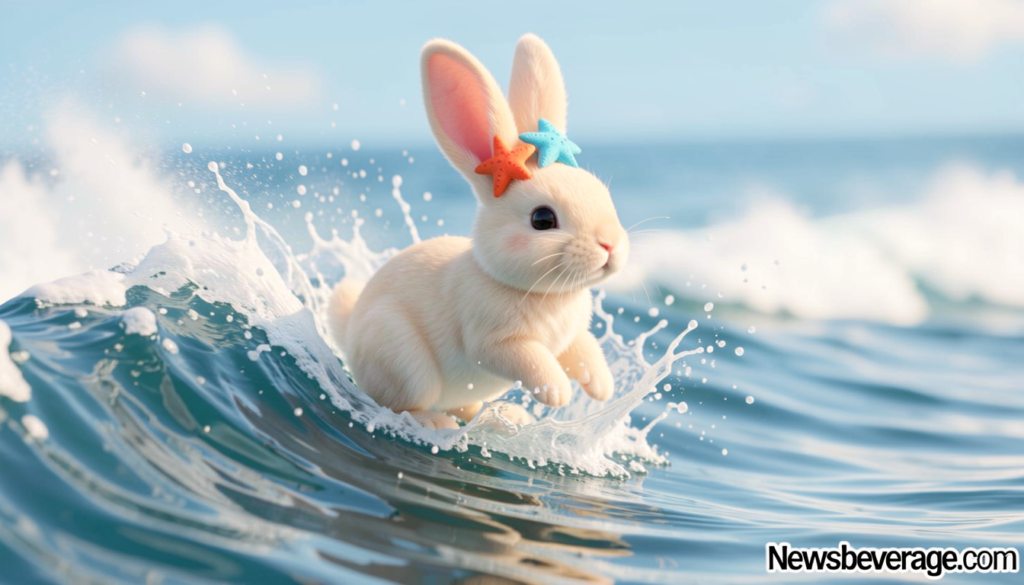
The “Ears” (Rhinophores):
- Black, antenna-like structures
- Highly sensitive to chemical signals
- Retractable when the sea bunny feels threatened
- Essential for locating food and mates
The Fuzzy Texture (Caryophyllidia):
- Rod-shaped structures covering the body
- Create the fluffy, velvety appearance
- May help with camouflage
- Possibly aid in respiration
Body Colors:
- Most commonly white or pale yellow
- Some have brown or golden hues
- Color often matches their sponge prey
- Helps them blend into their environment
Size and Shape:
- Typically 1-2.5 cm in length
- Oval or egg-shaped body
- Soft, gelatinous texture
- No shell protection
The sea bunny’s appearance isn’t just adorable. Each feature serves a specific survival purpose in its underwater habitat.
How Can You See a Sea Bunny in the Wild?
Spotting a sea bunny in the wild requires patience and luck.
These tiny creatures are masters of camouflage. They blend seamlessly with their surroundings. But if you know where and how to look, your chances improve dramatically.
Tips for Finding Sea Bunnies:
- Go diving in the right locations: Focus on Indo-Pacific waters, especially around Japan, the Philippines, and Indonesia
- Dive at the right depth: Stay between 5-30 meters where sea bunnies are most common
- Look carefully: Move slowly and scan rocky surfaces and sponge colonies
- Hire a knowledgeable guide: Local dive guides often know where sea bunnies hang out
- Bring a good underwater camera: You’ll want to document your find
- Dive during the right season: Ask locals about the best times to spot nudibranchs
The adorable sea bunny isn’t commonly seen. Many experienced divers have never encountered one. This rarity makes each sighting special and memorable.
I’ve talked to divers who’ve searched for years before spotting their first sea bunny. When they finally do, the excitement is real.
What Other Creatures Are Related to the Sea Bunny?
The sea bunny belongs to the diverse world of nudibranchs.
There are over 3,000 species of nudibranchs worldwide. They come in countless colors, shapes, and sizes. While the sea bunny might be the cutest, its relatives are equally fascinating.
Notable Nudibranch Relatives:
Spanish Shawl (Flabellinopsis iodinea):
- Bright purple body with orange cerata
- Found along the California coast
- Highly photogenic
Blue Dragon (Glaucus atlanticus):
- Floats upside-down on the ocean surface
- Electric blue coloration
- Feeds on Portuguese man o’ war jellyfish
Lettuce Sea Slug (Elysia crispata):
- Green, leaf-like appearance
- Can photosynthesize like a plant
- Found in Caribbean waters
Chromodoris Nudibranchs:
- Incredibly colorful species
- Found in tropical waters worldwide
- Often mistaken for sea bunny relatives
The sea bunny shares many characteristics with these creatures. All nudibranchs lack shells, have exposed gills, and display remarkable colors. The adorable sea bunny simply happens to have the most endearing appearance.
How Do Sea Bunnies Defend Themselves?
Despite their cute appearance, sea bunnies are well-protected.
They’ve evolved several defense mechanisms that keep predators at bay. These strategies have allowed them to survive in competitive reef environments.
Defense Strategies:
Chemical Defense:
- Stores toxins from sponge prey
- Makes the sea bunny unpalatable to predators
- Toxins remain effective throughout its lifetime
Warning Coloration:
- Bright colors signal toxicity
- Predators learn to avoid these patterns
- Called aposematic coloration in biology
Camouflage:
- Some sea bunnies match their food source
- Blend into sponge colonies
- Makes detection by predators difficult
Small Size:
- Being tiny helps avoid attention
- Can hide in small crevices
- Less appealing to larger predators
The sea bunny’s defenses are passive but effective. It doesn’t need speed or aggression. Its toxicity and appearance do the work. The adorable sea bunny can go about its business relatively unbothered by the threats around it.
Can You Keep a Sea Bunny as a Pet?
This is a common question people ask.
The answer is: no, you shouldn’t keep a sea bunny as a pet. While I understand the temptation, these creatures have specific needs that are nearly impossible to meet in captivity.
Why Sea Bunnies Don’t Make Good Pets:
- Specialized Diet: They only eat specific types of toxic sponges
- Short Lifespan: They live only a few months to a year
- Delicate Nature: Extremely sensitive to water quality changes
- Legal Issues: Collection may be illegal in many areas
- Ethical Concerns: Removing them harms wild populations
- Difficult to Source Food: Finding the right sponges is nearly impossible
The sea bunny belongs in the ocean. Attempts to keep them in aquariums typically fail. Without their specific food source, they starve. The stress of captivity also shortens their already brief lives.
I’ve seen people post about wanting sea bunny pets. It’s understandable given how cute they are. But the responsible choice is admiring them in their natural habitat. The adorable sea bunny thrives in the wild, not in tanks.
What Threats Do Sea Bunnies Face?
Sea bunnies face several environmental threats.
Like many marine species, their survival depends on healthy ocean ecosystems. Human activities increasingly impact their habitat and food sources.
Major Threats:
Climate Change:
- Rising ocean temperatures
- Ocean acidification
- Disruption of reef ecosystems
Pollution:
- Chemical runoff affects water quality
- Plastic pollution damages habitats
- Toxins accumulate in the food chain
Habitat Destruction:
- Coral reef degradation
- Coastal development
- Destructive fishing practices
Overharvesting:
- Illegal collection for aquarium trade
- Excessive photography disturbance
- Trampling by careless divers
The sea bunny’s dependence on sponges makes it vulnerable. When sponge populations decline, sea bunnies suffer. Protecting reef ecosystems protects the adorable sea bunny and countless other species.
Conclusion
The sea bunny is more than just a cute face.
It’s a remarkable example of evolution and adaptation. This tiny nudibranch has captured hearts worldwide while quietly playing its role in reef ecosystems. From its toxic defenses to its specialized diet, every aspect of the sea bunny tells a story of survival.
Understanding the adorable sea bunny helps us appreciate ocean biodiversity. These creatures remind us that the ocean holds endless wonders. Each species, no matter how small, deserves protection and respect.
Next time you see photos of a sea bunny online, you’ll know the full story. You’ll understand that behind that fuzzy exterior is a fascinating marine animal perfectly adapted to its environment.
Have you ever seen a sea bunny in person? Or would you love to spot one someday? Share your thoughts and experiences—I’d love to hear about your encounters with these adorable ocean creatures.
Frequently Asked Questions
Q1: How big is a sea bunny?
Sea bunnies are incredibly small creatures. Most adults measure between 1 to 2.5 centimeters (less than 1 inch) in length. Their tiny size makes them challenging to spot underwater, even for experienced divers.
Q2: Where can I find sea bunnies?
Sea bunnies primarily live in the Indo-Pacific Ocean region. You’ll find them in waters around Japan, the Philippines, Indonesia, Papua New Guinea, and other tropical areas. They prefer shallow depths between 5 to 30 meters on rocky reefs and sandy bottoms.
Q3: What do sea bunnies actually eat?
Sea bunnies feed exclusively on specific types of toxic sponges. They use their radula (a tongue-like organ with tiny teeth) to scrape and consume sponge tissue. They store the sponge’s toxins in their own bodies for defense against predators.
Q4: Are the “ears” on a sea bunny really ears?
No, those cute “ears” aren’t actually ears. They’re called rhinophores—chemosensory organs that help the sea bunny detect chemicals in the water. These structures help them locate food sources and find potential mates.
Q5: Is a sea bunny poisonous or venomous?
Sea bunnies are toxic but not venomous. They store toxins from the sponges they eat in their body tissues. This makes them unpalatable to predators. However, they don’t actively inject venom or pose danger to humans.
Q6: How long do sea bunnies live?
Sea bunnies have relatively short lifespans. Most live only a few months to about one year. Their brief life cycle means they must reproduce quickly to ensure species survival.
Q7: Can you touch a sea bunny?
While touching a sea bunny won’t harm you, you absolutely shouldn’t do it. These delicate creatures can be damaged by handling. Human oils and chemicals can harm their sensitive skin. Responsible ocean lovers observe without touching.
Q8: Why did sea bunnies go viral on the internet?
Sea bunnies became internet sensations because of their incredibly cute appearance. Their fluffy texture, tiny “ears,” and small size made them perfect for sharing on social media. Photos and videos of these adorable creatures spread rapidly across platforms.
Q9: Are sea bunnies rare?
Sea bunnies aren’t necessarily rare, but they’re not commonly seen. Their small size and camouflage abilities make them difficult to spot. Many divers never encounter them despite diving in areas where they live. This makes each sighting special.
Q10: What’s the scientific name for sea bunny?
The scientific name for the sea bunny is Jorunna parva. It belongs to the family Discodorididae within the larger group of nudibranchs, which are shell-less marine gastropod mollusks.
Also Read : Flex Seal Spray