Can You Freeze Cream Cheese? A Comprehensive Guide 2026
Introduction to Cream Cheese
Cream cheese is a popular dairy product characterized by its smooth texture and mild flavor. It is made from a blend of milk and cream, resulting in a spreadable consistency that is cherished in both sweet and savory dishes. Often used as a key ingredient in cheesecakes, frostings, dips, and spreads, cream cheese holds a versatile role in various culinary creations.
This dairy product comes in several flavors—such as garlic and herb, blueberry, and chocolate—allowing for a range of applications in cooking and baking. The neutral taste of traditional cream cheese serves as a perfect canvas for both sweet and savory enhancements, making it a staple for many home cooks and professional chefs alike.
Considering the abundant uses of cream cheese, it is understandable that many may wonder about its storage options, particularly in terms of preserving freshness. One solution that has garnered attention is freezing cream cheese, especially for those who might purchase in bulk to save on costs or for those seeking to reduce food waste. Freezing can help extend the shelf life of cream cheese while maintaining a reserve for later use, which can be particularly helpful in meal preparation.
Storing cream cheese in the freezer can also facilitate quick access to this versatile ingredient, allowing for spontaneous cooking and baking endeavors. However, it is essential to understand how the texture and flavor may change upon thawing. Thus, it’s crucial to explore the freezing guidelines, storage methods, and best practices to preserve the quality of cream cheese effectively.
Is Freezing Cream Cheese Possible?
Freezing cream cheese is a topic of interest for many home cooks and bakers who seek to extend the shelf life of this popular dairy product. Cream cheese is primarily composed of milk and cream, making it a soft, spreadable cheese with a high moisture content. When considering whether you can freeze cream cheese, it’s vital to understand the science behind freezing dairy products.
The freezing process involves lowering the temperature of the cream cheese to below its freezing point, typically 32 degrees Fahrenheit (0 degrees Celsius). When cream cheese is frozen, the water content within it forms ice crystals, which can alter its texture upon thawing. This is because the structural integrity of the cream cheese may be compromised due to these ice crystals disrupting the fat and water emulsion.
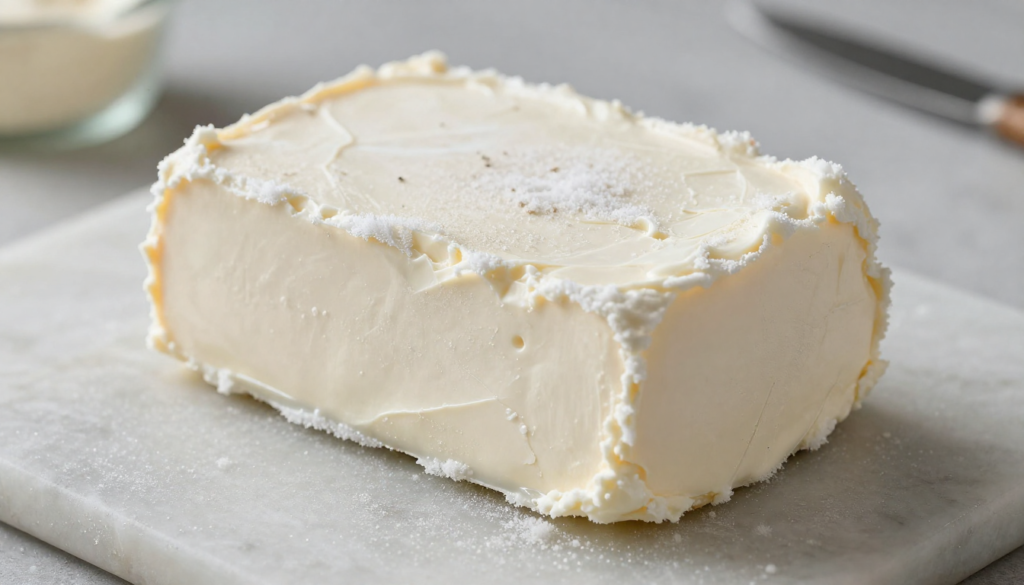
In practice, while you can freeze cream cheese, the outcome may not be ideal for all culinary uses. Thawing frozen cream cheese may result in a grainy or watery texture, which can be less than desirable if you intend to use it as a spread or in dips. However, it can still be effectively incorporated into recipes, such as baked goods, where the altered texture is less noticeable.
Additionally, it is worth noting that the flavor of cream cheese typically remains intact despite the freezing process. Therefore, if you plan to use frozen cream cheese in cooked or baked dishes, the impact on taste may be minimal. This can make freezing cream cheese an excellent solution for those who purchase in bulk or have leftovers they wish to preserve.
In summary, while it is possible to freeze cream cheese, one should be mindful of the potential changes in texture. For certain recipes and applications, frozen cream cheese can still be a valuable ingredient, making it a practical option for many home cooks.
How Freezing Affects Cream Cheese Texture and Flavor
When considering the storage of cream cheese, one common question arises: can you freeze cream cheese? Yes, you can, but it’s essential to understand how the freezing process influences both texture and flavor upon thawing. Freezing cream cheese is an effective way to extend its shelf life, though it comes with notable changes.
The most significant impact of freezing cream cheese is on its texture. Cream cheese is inherently smooth and creamy, making it an ideal ingredient for spreads and dips. When subjected to freezing, the moisture content within the cheese forms ice crystals. Upon thawing, these ice crystals can cause the cream cheese to become grainy or lumpy rather than smooth, altering its original consistency. This textural change can affect its spreadability, which is especially noticeable when using the cream cheese as a topping or in recipes that require a smooth finish.
In terms of flavor, many users find that freezing does not drastically alter the taste of cream cheese. However, some aficionados might perceive a slight reduction in its fresh flavor profile after being frozen and thawed. It is important to note that while the taste remains relatively stable, any changes in texture may impact the overall dining experience.
Due to these alterations, thawed cream cheese is often better suited for cooking and baking rather than as a raw ingredient. For recipes where creaminess is crucial—such as those requiring uncompromised spreadability or cold applications—fresh cream cheese is the preferred choice. Therefore, while freezing cream cheese is viable, understanding these shifts can help in determining its most appropriate use post-thaw.
In conclusion, while you can freeze cream cheese without a significant loss in flavor, the transformation in texture may limit its applications. Choosing the right use based on these changes will ensure you maintain the quality of your dishes.
Step-by-Step Guide to Freezing Cream Cheese
Freezing cream cheese can be an effective way to prolong its shelf life and reduce food waste. To successfully freeze cream cheese, it is important to follow a step-by-step approach to ensure that its texture and taste remain intact upon thawing. Here is a detailed guide on how to freeze cream cheese properly.
Firstly, begin with fresh, unexpired cream cheese. Check the packaging for any signs of damage or leaks. If you have opened the cream cheese, ensure that you use it within a short period before freezing. When you are ready to freeze it, divide the cream cheese into manageable portions. This allows you to thaw only what you need, preventing repeated freezing and thawing, which can compromise quality.
Next, consider the method of packaging. If the cream cheese is in its original packaging, ensure it is tightly sealed. Alternatively, you can transfer it to an airtight container or a heavy-duty freezer bag. When using a freezer bag, be sure to remove as much air as possible before sealing, as excess air can cause freezer burn and negatively impact the texture of the cream cheese.
After the cream cheese is securely packaged, it is essential to label the containers. Write the date on the packaging to keep track of how long it has been in the freezer. Generally, cream cheese can be stored in the freezer for up to two months without a significant decline in quality. Remember, while freezing cream cheese is possible, the texture may change slightly after thawing. It might become crumbly, but it should still be suitable for cooking or spreading.
In conclusion, by following these steps regarding packaging, minimizing air exposure, and proper labeling, you can successfully freeze cream cheese and have it ready for future culinary uses.
Thawing Cream Cheese: The Best Methods
When considering how to thaw cream cheese, it is crucial to approach the process carefully to preserve the texture and flavor. After freezing, cream cheese can sometimes develop a grainy or lumpy consistency, which may affect its usability in recipes. Here are the best methods to achieve a smooth thaw while minimizing quality loss.
The first and most effective method to thaw cream cheese is to transfer it from the freezer to the refrigerator. This method is recommended because it allows for a gradual thaw, which helps maintain the cream cheese’s consistency. Typically, a block of frozen cream cheese will take between 6 to 8 hours to thaw in the refrigerator, depending on its size.
If time is of the essence, an alternative method is to use a cold water bath. In this technique, seal the frozen cream cheese in a watertight plastic bag and immerse it in a bowl of cold water. Change the water every 30 minutes to ensure it remains cold. This method can reduce thawing time to approximately 1 to 2 hours. Care must be taken to ensure the bag is well-sealed to prevent any water from getting into the cream cheese.
For a quicker option, the microwave can be used, although one must be cautious to avoid melting the cream cheese. Set the microwave to a low power setting and heat in short bursts of 10 to 15 seconds, checking frequently until softened. However, this method may lead to a slightly altered texture if not monitored closely.
Regardless of the method chosen, proper thawing of frozen cream cheese is essential for optimal results. To avoid any potential lumpy texture when using the cream cheese post-thaw, it can be blended with a mixer or whisk. By following these guidelines, you can ensure that even after freezing, your cream cheese retains the quality needed for your culinary endeavors.
Creative Ways to Use Thawed Cream Cheese
Thawed cream cheese can be a versatile ingredient in both savory and sweet recipes. One of the most popular uses for thawed cream cheese is in baking, where its smooth texture adds moisture and richness to various treats. Consider incorporating it into your favorite cheesecake recipe for an indulgent dessert that is sure to impress. Additionally, cream cheese can be blended with sugar, vanilla extract, and whipped cream to create a luscious filling for cupcakes or a delightful frosting that pairs perfectly with chocolate or carrot cake.
If you’re leaning towards savory dishes, thawed cream cheese can elevate your culinary creations. Stir it into pasta sauces for a creamy texture or use it as a base for a flavorful dip. For a quick and easy appetizer, mix cream cheese with herbs, garlic, and spices to create a delicious spread for crackers or fresh vegetables. It serves as an excellent component in stuffed chicken breasts or as a filling for savory pastries and wraps.
Another innovative use for thawed cream cheese is in breakfast dishes. Consider incorporating it into scrambled eggs for an extra creamy consistency or subbing it for butter in pancake or waffle batter to enhance their richness. The creamy delight can even be featured in smoothies for added protein and smoothness. The options are plentiful; with a little creativity, thawed cream cheese can seamlessly fit into various meals throughout the day, making it a worthwhile item to have on hand after freezing.
Ultimately, whether you’re baking a decadent dessert or preparing a savory dish, the versatility of thawed cream cheese opens up a world of cooking possibilities. Embrace these ideas, and enjoy experimenting with thawed cream cheese in your kitchen!
Common Mistakes to Avoid When Freezing Cream Cheese
When it comes to the preservation of cream cheese, several common mistakes can lead to unsatisfactory results. Understanding these pitfalls can significantly improve your freezing experience and enhance the quality of the cream cheese once thawed.
One prevalent error arises from incorrect storage methods. Simply placing the cream cheese in the freezer without proper wrapping can result in freezer burn, which affects the texture and taste. To mitigate this, it is essential to wrap the cream cheese tightly in plastic wrap or aluminum foil before placing it into an airtight container or freezer bag. This extra layer of protection helps maintain the cream cheese’s quality during the freezing process.
Another common oversight is neglecting to label the packages before freezing. It is crucial to mark each package with the date of freezing. This practice not only helps you keep track of how long the cream cheese has been stored but also ensures that you utilize it while it is still at its best quality. Generally, frozen cream cheese should ideally be used within three months for optimal taste and consistency.
Additionally, using aged cream cheese for freezing can lead to disappointing results. Freezing is not a remedy for quality; thus, it is advisable to freeze only fresh cream cheese. Cream cheese that is past its expiration date may not freeze properly and, even more importantly, may present health risks. This principle applies universally; always opt for fresh ingredients, especially when considering long-term storage.
By avoiding these common mistakes, you can successfully freeze cream cheese, ensuring that it maintains its flavor and texture for future culinary endeavors.
Alternatives to Freezing Cream Cheese
While freezing cream cheese is an option for long-term storage, several alternatives exist that may be more suitable depending on your needs. One of the simplest preservation methods is to refrigerate cream cheese. When properly stored in an airtight container, it can last in the refrigerator for about 2 to 3 weeks. This is particularly effective if you know that you will be using the cream cheese within a short period.
Another alternative is to utilize cream cheese spreads. These products often contain additional ingredients, such as herbs or spices, and can be conveniently used as a replacement for traditional cream cheese in various recipes. Packaging often specifies whether the spread is suitable for freezing; thus, checking the label is advisable if you want to store it for a longer duration.
If cream cheese is integral to your recipes, consider using alternative ingredients specifically designed to mimic its texture and flavor without the need for freezing. Options like ricotta cheese or cottage cheese can sometimes be blended to achieve a similar consistency, making them suitable substitutes in dishes such as cheesecakes or creamy pasta sauces. Additionally, sour cream or Greek yogurt can also offer a creamy texture and distinct taste that can work well in recipes calling for cream cheese.
Utilizing these alternatives can help in minimizing waste while maintaining the quality of your culinary creations. Whether you keep your cream cheese in the fridge or switch to substitutes, these methods provide versatility in your cooking without the need for freezing cream cheese. Each method has its own merits, ensuring you can choose the best approach according to your individual circumstances and preference.
Conclusion: The Final Verdict on Freezing Cream Cheese
In concluding our discussion on the topic, the question of whether you can freeze cream cheese has been thoroughly examined. It is indeed possible to freeze cream cheese, allowing for longer storage and reducing food waste. However, it is essential to acknowledge that freezing may affect the texture of the cream cheese considerably. Upon thawing, cream cheese often becomes crumbly and watery, which can lead to a less desirable consistency compared to its fresh form.
When contemplating freezing cream cheese, it is advisable to consider the intended use post-thaw. For purposes such as cooking or mixing into recipes, the impact on texture may be minimal, and one may find it perfectly acceptable. Conversely, if the cream cheese is intended for spreadable use, the altered texture might be problematic. Alternative methods, including purchasing smaller quantities or ensuring timely usage, may be better suited for those who prefer the fresh product.

In terms of overall recommendations, it is prudent to freeze cream cheese in small portions, ideally using airtight containers or freezer bags to prevent freezer burn. Labeling these containers with dates is also beneficial for tracking storage times. It is generally suggested to use frozen cream cheese within several months for optimal flavor and quality.
To summarize, while you can freeze cream cheese, it does come with certain trade-offs in texture and usability. Making an informed decision based on intended use and personal preferences will lead to the best outcomes when considering your options for preserving this versatile dairy product.
Also Read : Harvest Right Freeze Dryer