Master the Darce Choke: Ultimate Submission Guide 202
Introduction
You’re rolling with a training partner, they shoot for a single leg, and suddenly you see it—the perfect opening for a darce choke. Your arm slides under their neck like clockwork, and within seconds, they’re tapping frantically. That’s the beauty of this submission. It’s sneaky, it’s powerful, and when done correctly, it’s nearly impossible to escape.
The darce choke has become one of the most popular submissions in Brazilian Jiu-Jitsu and mixed martial arts. You’ve probably seen it used countless times in UFC fights and grappling competitions. But here’s the thing: understanding how to execute this choke properly requires more than just wrapping your arms around someone’s neck. You need to know the mechanics, the setup, the angles, and the common mistakes that prevent most people from finishing it.
In this comprehensive guide, you’ll learn everything about the darce choke. We’ll break down the technique step by step, explore various entries, discuss what makes it so effective, and show you how to defend against it. Whether you’re a white belt looking to expand your submission arsenal or an experienced grappler wanting to refine your technique, this article will give you the tools you need.
What Is the Darce Choke?
The darce choke is a blood choke that cuts off the blood flow to your opponent’s brain through the carotid arteries. Unlike air chokes that compress the windpipe, this submission works by applying pressure to both sides of the neck simultaneously. The result is a quick tap or unconsciousness if your opponent refuses to submit.
This choke belongs to the same family as the anaconda choke and guillotine. However, it has unique characteristics that make it special. The darce choke uses a figure-four grip configuration where your choking arm goes under your opponent’s near-side arm and around their neck. Your other hand then grabs your own bicep, creating a tight loop that constricts the neck.
The name “darce” comes from Jeff Glover’s misspelling of his instructor’s name, Joe D’Arce, who popularized this variation. Some people still call it the “no-gi brabo choke” since it evolved from the gi technique. The beauty of the darce choke is its versatility. You can hit it from top position, bottom position, standing, or during transitions.
When executed properly, the darce choke creates incredible pressure. The choking arm acts like a blade cutting across one side of the neck. Your opponent’s own shoulder presses against the other side. Your chest or body weight adds the final compression needed to finish the submission. This triple-threat pressure system makes it extremely difficult to defend once locked in.
The Mechanics Behind the Darce Choke
Understanding the mechanics of the darce choke will dramatically improve your success rate. Many grapplers struggle with this submission because they don’t grasp what makes it work. Let me break down the essential components that create an effective choke.
First, the angle is everything. Your body needs to be perpendicular to your opponent’s body. Think of making a “T” shape where your torso crosses their torso. This angle allows your choking arm to cut deeply across their neck while their shoulder provides counter-pressure from the opposite side.
Second, depth matters more than strength. You want your choking arm to slide as deep as possible around the neck. Your bicep should be touching or very close to your opponent’s far-side ear. Shallow grips won’t finish the choke no matter how much you squeeze. I’ve seen powerful athletes fail at the darce choke simply because they didn’t prioritize depth over speed.
Third, the lock itself requires proper positioning. After threading your choking arm under their armpit and around the neck, you need to secure it with your non-choking hand. The figure-four grip works best when your non-choking hand grabs your choking arm’s bicep from underneath. This creates a tight, secure configuration that prevents escape.
Fourth, your head position controls the finish. Dropping your head toward your opponent’s hips and pulling your elbows back creates the final constriction. Many people make the mistake of keeping their head high or pushing forward. Instead, think about making a “C” shape with your body, curling around your opponent’s neck.
The darce choke doesn’t require enormous strength. It’s about leveraging body mechanics, angles, and positioning. A smaller person can successfully submit a larger opponent with proper technique. That’s what makes this submission so valuable in your grappling arsenal.
Step-by-Step Guide to the Darce Choke
Let’s walk through the most common darce choke setup from top position. This scenario happens frequently when your opponent is on their hands and knees or attempting a single-leg takedown.
Step 1: Identify the opportunity. You need your opponent’s head and one arm to be on the same side. The classic position is when they’re in turtle position or shooting for a takedown. Their near-side arm should be between you and their head.
Step 2: Control the far arm. Before attempting the choke, you should control or isolate their far arm. This prevents them from defending effectively. You can push their far arm away, trap it with your leg, or simply monitor it closely.
Step 3: Thread your choking arm. Your choking arm goes under their near armpit, wrapping around the back of their neck. The key is getting your arm as deep as possible. Your bicep should reach toward their opposite ear. Don’t rush this step.
Step 4: Secure the lock. Bring your non-choking hand underneath your choking arm’s bicep. Create the figure-four grip by grabbing your own bicep. The lock should feel tight and secure, like your arms are glued together.
Step 5: Adjust your angle. Position your body perpendicular to your opponent. Your chest should be roughly over their shoulder blade. This creates the “T” position that generates proper compression.
Step 6: Drop your weight. Let your body weight settle onto your opponent’s back and shoulder. Don’t pull up or away. Instead, think about sinking your weight down and through them.
Step 7: Finish the choke. Drop your head toward their hips while pulling your elbows back toward your own body. Squeeze your arms together and expand your chest. The combination of these movements creates the choking pressure that forces the tap.
Practice each step slowly with a cooperative partner before attempting it at full speed. The darce choke requires coordination and timing. Drilling the mechanics repeatedly builds the muscle memory you need for live rolling.
Common Entry Points for the Darce Choke
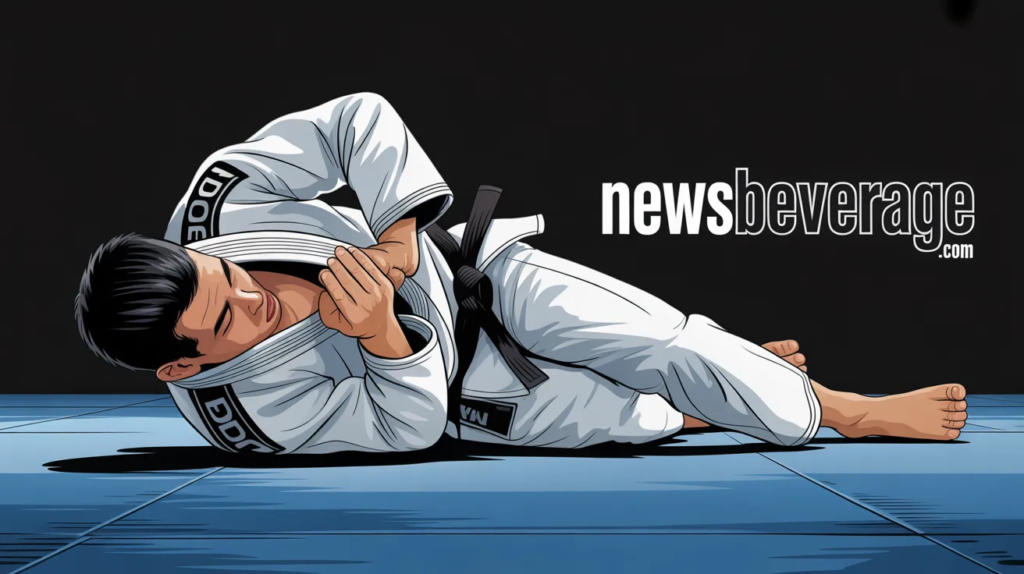
The darce choke isn’t a one-situation submission. You can attack it from multiple positions and transitions. Understanding various entries will multiply your submission opportunities dramatically.
Front Headlock Position
This is perhaps the most common entry for the darce choke. When your opponent shoots a takedown or you sprawl on their shot, you often end up in front headlock position. Their head and one arm are trapped, creating the perfect darce choke setup. From here, you can thread your arm under their armpit and secure the lock before they realize what’s happening.
Turtle Position
When your opponent assumes turtle position to defend their back, the darce choke becomes available. You can attack from the side by sliding your arm under their near armpit. The turtle position actually gives you excellent control because your opponent’s movement is limited. They can’t easily pull away or create space.
Half Guard Top
If you’re passing half guard and your opponent is turning away or attempting an underhook, you might find a darce choke entry. The key is catching them as they reach or when their posture breaks down. This entry requires quick recognition and fast hands, but it’s extremely effective against stubborn half guard players.
Failed Takedown Defense
When someone shoots a single leg or double leg and you sprawl, you often get darce choke opportunities. As they continue driving forward or try to adjust their grip, their head and arm alignment creates the opening you need. This counter-attack catches many wrestlers by surprise since they’re focused on completing the takedown.
Scrambles and Transitions
Some of the best darce chokes happen during scrambles when positions are rapidly changing. If you stay aware of arm and head positioning during transitions, you’ll spot opportunities others miss. The chaos of scrambling actually works in your favor because your opponent is less defensive and more focused on improving position.
Why the Darce Choke Works So Well
The darce choke has earned its reputation as a high-percentage submission for several important reasons. Understanding why it works helps you appreciate its effectiveness and teaches you how to maximize your success with it.
First, the darce choke attacks during common defensive positions. When people try to defend takedowns, recover guard, or protect their back, they often create the exact position this choke requires. You’re exploiting their defensive movements against them. They think they’re escaping danger when they’re actually walking into your trap.
Second, the submission happens quickly once locked in. Unlike some submissions that require extended periods of pressure, the darce choke can put someone to sleep in seconds. This speed makes it difficult for opponents to develop escape plans. By the time they realize they’re in danger, the choke is already tight.
Third, defending the darce choke requires specific knowledge that many grapplers lack. Casual practitioners often don’t understand how to prevent or escape it properly. Even experienced grapplers sometimes panic when caught in a tight darce choke, leading them to make defensive errors.
Fourth, the darce choke works in both gi and no-gi situations. While the grip mechanics change slightly, the fundamental technique remains the same. This versatility means you can rely on it in any grappling context. Whether you’re competing in IBJJF tournaments or submission-only matches, the darce choke is available.
Finally, size and strength advantages matter less with this submission. Proper technique and body mechanics trump raw power. A smaller grappler with excellent darce choke mechanics can submit much larger opponents. This efficiency makes it especially valuable for people who don’t have physical advantages.
Common Mistakes That Prevent Success
Even after learning the darce choke, many people struggle to finish it in live situations. Usually, the problem isn’t the basic technique but rather subtle mistakes that undermine effectiveness. Let’s examine the most common errors and how to fix them.
Shallow Grip Depth
The biggest mistake is not getting your choking arm deep enough around the neck. When your arm doesn’t reach past the midpoint of their neck, you’re trying to choke with your forearm instead of your bicep. This creates discomfort but rarely finishes the submission. Always prioritize depth over speed when securing your initial grip.
Wrong Body Angle
Staying parallel to your opponent instead of perpendicular kills your choking power. You need that “T” shape to create proper compression. When your angle is wrong, your opponent can simply flatten out and the choke disappears. Constantly check and adjust your body position throughout the submission attempt.
Pulling Up Instead of Dropping Down
Many people try to finish the darce choke by pulling their arms up and away from the opponent. This actually reduces pressure and makes escape easier. Instead, you should drop your weight down and pull your elbows back toward your own body. Think “down and back” not “up and away.”
Leaving Space Under the Chin
If your opponent successfully tucks their chin before you secure the choke, you need to address it immediately. Trying to force the choke over the chin rarely works and can injure your opponent’s jaw. Instead, use your free hand to pull their chin up or adjust your angle to slide deeper before finishing.
Neglecting the Far Arm
Failing to control or monitor your opponent’s far arm gives them powerful defensive options. They can grab their own leg, post on the mat, or grab your choking arm to create space. Always be aware of what their far arm is doing and take steps to neutralize it.
Finishing Too Early
Rushing to finish before the choke is properly set up allows your opponent to defend or escape. Take the extra second to ensure everything is in place. Your arm should be deep, your angle should be correct, and your lock should be tight before you commit to the finish.
Defending Against the Darce Choke
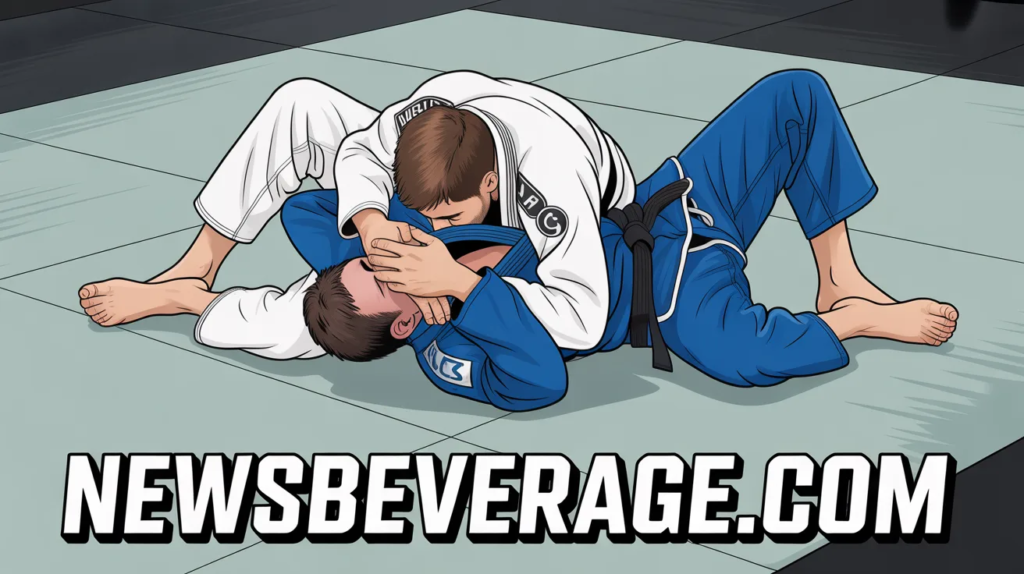
Knowing how to defend the darce choke makes you a more complete grappler. Defense starts with prevention and continues through various stages of the submission. Let’s explore the defense in order of when you should apply each technique.
Early Prevention
The best defense happens before your opponent even threads their arm. Maintain good posture when in vulnerable positions. Keep your head up, your elbows close to your body, and avoid reaching across your body. When shooting takedowns, finish quickly or pull out immediately if you feel someone starting to wrap your neck.
Initial Entry Defense
When you feel someone’s arm starting to slide under your armpit, react immediately. Pull your elbow down to your hip to block the path around your neck. Turn your head toward their body to make the angle difficult. Drop your shoulder down to compress the space they need for their arm.
After They Secure the Grip
If your opponent gets their arm around your neck but hasn’t locked the figure-four yet, you still have good options. Grab their choking arm with both hands and pull it away from your neck. Turn your body toward them to change the angle. Roll forward or backward to disrupt their position and create space.
When the Lock Is Secured
Once they’ve secured the figure-four lock, your defense becomes more difficult but not impossible. Immediately grab your own leg or the inside of their leg with your far hand. This creates a frame that prevents them from adjusting angle. Keep your chin tucked and your posture as tall as possible. Roll toward your trapped arm to relieve pressure temporarily while you work to clear your head.
Last Resort Escape
If the choke is very tight and you’re in serious danger, you need to move explosively. Bridge hard toward your trapped arm while pulling on their choking arm with both hands. Sometimes creating even a moment of relief allows you to get your head out. Tapping is always better than going unconscious, so know when to concede the position.
Variations and Advanced Concepts
Once you’ve mastered the basic darce choke, exploring variations and advanced concepts will expand your submission game significantly. These variations allow you to adapt to different situations and opponent reactions.
The Anaconda Choke
This close cousin of the darce choke uses a similar setup but with a different arm configuration. Instead of your choking arm going under their near arm, it goes over and around the far side of their neck. The finishing mechanics remain similar. Some people find the anaconda choke more comfortable or more powerful depending on body type and flexibility.
The Darce Choke from Guard
Attacking the darce choke from bottom position requires different mechanics but offers surprise value. When your opponent is in your closed guard or half guard with poor posture, you can sometimes swim your arm under theirs and around their neck. You’ll need to adjust your hips and often roll to finish, but it catches people completely off guard.
The Marce Choke
This hybrid combines elements of the darce choke and the arm-in guillotine. The setup resembles a darce choke, but you finish it more like a guillotine by pulling up on the head. It’s particularly useful when you have the darce grip but can’t get the perfect angle for the traditional finish.
Rolling Through
When your opponent defends the initial darce choke attempt by staying flat or heavy, you can roll under them to complete the submission. This advanced technique requires committing fully to the movement. You roll toward your choking arm while maintaining the lock, ending up on bottom with the choke fully secured.
Darce to Back Take
Sometimes your opponent defends the darce choke so effectively that finishing becomes unlikely. Instead of forcing it, you can transition to taking their back. Release the figure-four lock but maintain control of their upper body. Use your positional advantage to insert your hooks and establish back control.
Training Tips for Developing Your Darce Choke
Becoming proficient with the darce choke requires focused practice and intelligent training. Here are practical tips that will accelerate your development with this submission.
Start by drilling the basic mechanics with a completely cooperative partner. Go through each step slowly, focusing on proper form rather than speed. Spend dedicated time just working on getting your arm deep around the neck. Practice securing the lock in different positions until it becomes automatic.
Work your darce choke setup during positional sparring. Set up specific scenarios like front headlock or turtle position and repeatedly practice entering the submission. This controlled environment allows you to refine your timing and recognition without the chaos of full sparring.
Film yourself attempting the darce choke during training. Watching footage reveals mistakes you don’t notice in real time. You might discover your angle is consistently wrong or your grip isn’t deep enough. Video analysis provides objective feedback that accelerates improvement.
Study high-level competitors who excel at the darce choke. Watch how they set up the submission, how they adjust when opponents defend, and how they combine it with other techniques. Jeff Glover, Joe Rogan’s favorite grappler, has numerous instructional videos worth studying.
Practice the submission on people of different sizes and skill levels. Each body type presents unique challenges for the darce choke. Smaller opponents might be more mobile and harder to control. Larger opponents might be stronger but slower. Developing adaptability makes your darce choke more reliable.
Don’t neglect your own defense. Having training partners attempt the darce choke on you teaches you what it feels like from the defensive perspective. This experience helps you understand what makes the submission tight and what creates opportunities for escape.
Conclusion
The darce choke represents one of the most effective submissions in modern grappling. Its versatility, speed, and efficiency make it valuable for practitioners at every level. You’ve learned the fundamental mechanics, common setups, finishing details, and defensive strategies that surround this powerful technique.
Remember that mastering the darce choke takes time and dedicated practice. Focus on the details that separate good technique from great technique. Get your arm deep, adjust your angle properly, and finish by dropping your weight down. Avoid the common mistakes that plague most practitioners.
Start incorporating the darce choke into your training today. Begin with cooperative drilling to build solid fundamentals. Progress to positional sparring where you hunt for specific setups. Eventually, you’ll find yourself hitting the darce choke naturally during live rolling. The satisfaction of finishing this submission never gets old, even after years of training.

What aspect of the darce choke do you find most challenging? Share your experiences and questions with your training partners and coaches. The grappling community thrives when we learn from each other’s struggles and successes.
FAQs
What’s the difference between a darce choke and an anaconda choke?
The primary difference is which side your choking arm enters from. In a darce choke, your arm goes under their near-side arm and around their neck. In an anaconda choke, your arm goes over their near-side arm and around the opposite side of their neck. Both use similar figure-four locks and finishing mechanics, but the entry angles differ.
How long does it take to put someone to sleep with a darce choke?
A properly applied darce choke can render someone unconscious in 5 to 10 seconds. Blood chokes work much faster than air chokes because they cut off blood flow to the brain rather than simply restricting breathing. However, in training, people should tap long before reaching unconsciousness.
Can you do a darce choke in the gi?
Yes, the darce choke works perfectly in gi grappling, though some people call it the “brabo choke” in gi contexts. The mechanics remain the same, but you have additional grip options using your opponent’s collar. Many BJJ practitioners find the submission even tighter in the gi due to the friction and grip possibilities.
Why can’t I finish my darce chokes?
The most common reasons are insufficient depth on the initial grip, poor body angle, or trying to finish by pulling up instead of dropping down. Review the step-by-step guide in this article and focus especially on getting your bicep deep around the neck and positioning your body perpendicular to your opponent.
Is the darce choke legal in all competitions?
The darce choke is legal in most grappling competitions for adults, including IBJJF, ADCC, and submission-only events. However, some youth and beginner divisions restrict certain chokes for safety reasons. Always check the specific rules of the competition you’re entering.
What should I do if my opponent tucks their chin?
Don’t force the choke over their chin as this can cause jaw injuries. Instead, use your free hand to lift their chin up, adjust your angle to slide deeper, or transition to a different submission. Sometimes walking your body position around can create an angle that allows you to slide under the chin.
Can smaller people effectively use the darce choke against larger opponents?
Absolutely. The darce choke relies more on technique, angles, and leverage than pure strength. Many smaller grapplers successfully submit much larger opponents with this technique. The key is focusing on proper mechanics rather than trying to muscle the submission.
How do I prevent getting darce choked?
Maintain good defensive posture by keeping your head up, elbows tight, and avoiding reaching across your body. When shooting takedowns, either finish quickly or pull out immediately. If someone starts to thread their arm, block it by clamping your elbow to your hip and turning toward them.
Should I learn the darce choke as a beginner?
While the darce choke isn’t the simplest submission for absolute beginners, it’s definitely worth learning once you have basic grappling fundamentals. Start with simpler submissions like the rear-naked choke or armbar, then add the darce choke to your game after a few months of training.
What’s the best position to practice darce chokes from?
The front headlock position and turtle position offer the best opportunities for beginners to practice the darce choke. These positions provide good control and clear access to your opponent’s neck and arm. As you improve, you’ll recognize opportunities from many different positions.
Also Read : Swiffer Duster Refills