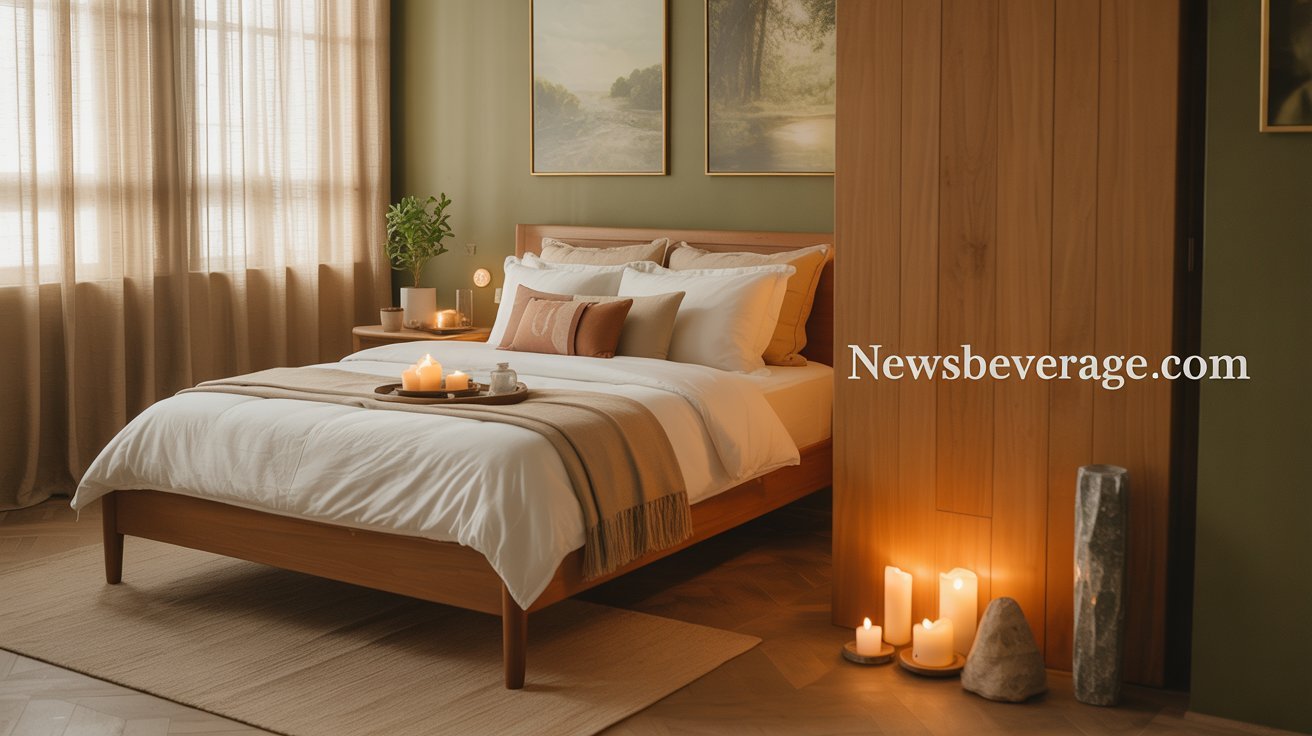
Transform Your Sleep Space: The Ultimate Feng Shui Bedroom Guide 2026
Introduction
Have you ever walked into a room and immediately felt calm — or walked into another and felt strangely tense, even though nothing looked obviously wrong? That feeling has a name. It’s energy flow, and feng shui bedroom design is built entirely around it.
Feng shui is an ancient Chinese practice that focuses on arranging your environment to support positive energy, called chi. Your bedroom is the most personal space in your home. It’s where you rest, recover, recharge, and connect with yourself or your partner. So it makes sense that the way you arrange and design it has a direct impact on how you feel.
In this article, you’ll learn everything you need to know about creating a feng shui bedroom — from furniture placement and color choices to the small habits that block good energy without you even realizing it. Whether you’re starting from scratch or just looking to tweak what you have, there’s something here for you.
What Is Feng Shui and Why Does Your Bedroom Matter?
Feng shui (pronounced “fung shway”) translates literally to “wind” and “water.” It’s rooted in the Taoist belief that the energy of your environment affects your health, relationships, and overall wellbeing.
Your bedroom is considered the most important room in feng shui. Unlike your living room or kitchen, your bedroom is where you spend roughly a third of your life. While you sleep, your body is in a receptive state — meaning you’re more sensitive to the energy around you than when you’re awake and moving around.
A well-arranged feng shui bedroom can support deep, restful sleep. It can improve your mood when you wake up. It can even strengthen romantic relationships. On the flip side, a feng shui bedroom that has poor energy flow can lead to restless sleep, low energy, and a constant feeling of unease you can’t quite explain.
The Commanding Position: The Most Important Feng Shui Rule

If there’s one feng shui bedroom principle you take away from this article, make it this: the commanding position.
In feng shui, the commanding position means placing your bed so that you can see the bedroom door while lying down — but without being directly in line with it. Think diagonally across the room from the door. This position gives you a sense of safety and control while you sleep.
When you can’t see who or what might enter the room, your nervous system stays subtly on alert. Even during sleep. This can affect the quality of your rest without you ever knowing why.
What to Do If You Can’t Move Your Bed
Sometimes your room layout makes the commanding position tricky. Here’s a simple workaround: place a mirror where you can see the door’s reflection while lying in bed. It’s not perfect feng shui, but it does the job.
Feng Shui Bedroom Bed Placement Tips
Beyond the commanding position, there are a few other bed placement rules worth knowing.
Keep these in mind:
- Never place your bed directly under a window. Energy flows in and out of windows, which can disrupt your sleep.
- Avoid placing the bed with your feet pointing directly at the door. This is called the “coffin position” in feng shui and is considered draining.
- Keep both sides of the bed equally accessible. This is especially important for couples — it signals balance and equality in the relationship.
- Avoid placing your bed against a wall on one side only. It symbolically blocks one partner from fully showing up in the relationship.
A solid headboard is also encouraged. It represents support and stability in your life. Wood or upholstered headboards are ideal. Avoid metal headboards with open bars — they create a sense of being trapped.
Feng Shui Bedroom Colors That Actually Work
Color carries energy. In feng shui bedroom design, the colors you choose set the emotional tone of the entire space.
Best Colors for a Feng Shui Bedroom
Earthy neutrals like beige, cream, sandy brown, and warm white are top choices. They ground the space and create a sense of calm without being boring.
Soft skin tones — think blush, peach, terracotta — are considered excellent feng shui bedroom colors because they’re nurturing and warm. They support both rest and romance.
Muted greens and blues work well too, as long as they’re soft and desaturated. These colors bring in the energy of nature and relaxation.
Colors to Avoid in a Feng Shui Bedroom
Bright red is a high-energy, passionate color — but it’s too stimulating for sleep. A little red as an accent is fine, but avoid making it the dominant color.
Stark white can feel cold and clinical. It lacks the warmth that a restful space needs.
Bright, saturated colors in general tend to overstimulate the mind. Save those for your creative workspaces or living areas.
Decluttering: The Feng Shui Step Most People Skip

Here’s something I always tell people when they ask about feng shui bedroom basics: before you move a single piece of furniture, clean out the clutter.
Clutter is one of the biggest energy blockers in feng shui. It doesn’t matter how perfectly you’ve positioned your bed if your floor is covered in clothes, your nightstand is buried under books, and your closet won’t close.
Clutter creates stagnant energy. It keeps you mentally stuck. It weighs on your subconscious even when you’re trying to sleep.
Areas to Focus On
- Under the bed: This is huge. Feng shui strongly advises keeping the space under your bed clear. Energy needs to circulate around you as you sleep. Storing boxes, shoes, or old memories under your bed blocks this flow.
- Nightstands: Keep them minimal. A lamp, a book, maybe a small plant. That’s it.
- Closets: Your closet is still part of your bedroom energy. Keep it organized.
- Surfaces: Every surface covered in stuff is visual noise — and visual noise is mental noise.
Start by removing everything from your bedroom that doesn’t belong there. Work equipment, exercise gear, piles of laundry — all of it disrupts the restful, restorative energy a feng shui bedroom is supposed to have.
Electronics and Technology in a Feng Shui Bedroom
This one’s hard to hear, but your phone is not your friend in the bedroom — at least not from a feng shui perspective.
Electronics emit electromagnetic fields (EMFs), which can interfere with sleep quality. Beyond that, they introduce the energy of work, social media, news, and constant stimulation into a space that’s supposed to be calm and restorative.
What feng shui recommends:
- Remove the TV from your bedroom if possible. If you can’t, cover it at night.
- Charge your phone outside the bedroom or at least across the room.
- Keep computers and work-related equipment out entirely.
- Avoid having a home office setup in your feng shui bedroom — it mixes the energy of productivity and rest, which creates confusion for your mind and body.
Feng Shui Bedroom Lighting: Setting the Right Mood
Lighting plays a big role in how energy moves through a space. Harsh overhead lighting creates an alert, yang (active) energy. Soft, warm lighting encourages yin (restful) energy — which is what your bedroom needs.
Tips for Better Feng Shui Lighting
- Use dimmer switches so you can adjust the light level based on the time of day.
- Layer your lighting: a main source plus bedside lamps creates warmth and flexibility.
- Choose warm-toned bulbs (2700K–3000K) over cool white or daylight bulbs.
- Candles add a beautiful, soft, natural glow — and fire energy in feng shui represents passion and warmth. Just be safe about it.
- Let natural light in during the day. It refreshes the energy of the room.
Plants in a Feng Shui Bedroom: Yes or No?
This is one of the most debated topics in feng shui bedroom design. Traditional feng shui is cautious about placing plants in the bedroom. Plants carry strong wood energy and active, growing life force — which can be too stimulating for sleep.
However, modern feng shui practitioners often take a more balanced view. A small, healthy plant in the corner of the room is generally fine. It adds freshness and a connection to nature.
The key rules:
- Keep plants small and away from the bed.
- Make sure they’re healthy. A dying or dead plant carries negative energy.
- Avoid spiky plants like cacti — their sharp energy isn’t ideal for a restful space.
- Snake plants and peace lilies are popular choices as they also purify air gently.
Mirrors in a Feng Shui Bedroom
Mirrors are powerful tools in feng shui — but in the bedroom, they need to be used carefully.
The biggest rule: don’t place a mirror directly facing the bed. In feng shui, mirrors are believed to bounce energy around. A mirror facing the bed can disturb sleep and create restlessness. Some traditions also believe it invites a third party into a romantic relationship, which isn’t something most couples want to invite in.
Where Mirrors Work Well
- On the inside of a closet door — completely hidden when closed.
- On a side wall where it doesn’t reflect the bed.
- In the entryway of the bedroom to draw in light and energy.
If you have a large mirror facing your bed and moving it isn’t possible, try covering it at night with a cloth or curtain.
Feng Shui Bedroom for Love and Relationships
One of the most popular reasons people explore feng shui bedroom principles is to improve their love life. Whether you’re in a relationship or hoping to invite one in, feng shui has some specific guidance.
Pair Everything
In feng shui, pairs represent partnership. Use two nightstands, two lamps, two pillows. Even if you’re single, setting up your space for two signals to the universe — and to your subconscious — that you’re open and ready for a partner.
Artwork Matters
Pay attention to what’s on your walls. Art featuring lonely figures, sad imagery, or single subjects can subconsciously reinforce being alone. Choose artwork with pairs, warmth, and positive energy. Romantic, soft, and beautiful imagery supports relationship energy.
The Romance Corner
In the bagua map (the feng shui energy map of a space), the far right corner from the door is the relationship area. Place meaningful items there — paired objects, rose quartz crystals, artwork that represents love and connection.
What to Remove from Your Feng Shui Bedroom
Sometimes feng shui is less about adding things and more about removing them. Here’s a quick list of things that tend to block positive energy:
- Family photos, especially of parents or children — keep your bedroom for you and your partner only. It’s a private, intimate space.
- Exercise equipment — this brings in yang, active energy that’s the opposite of restful.
- Work items — laptops, files, and to-do lists mix work stress into your sleep space.
- Broken items — anything broken represents stagnant, stuck energy. Fix it or let it go.
- Items under the bed — as mentioned, this blocks the energy that should circulate around you.
- Excess furniture — too much furniture crowds the room and restricts energy flow.
Feng Shui Bedroom Essentials: A Simple Checklist
To bring it all together, here’s a practical checklist for setting up your feng shui bedroom:
- Bed in the commanding position — diagonal from the door, not directly in line with it.
- Solid headboard against a solid wall.
- Both sides of the bed accessible with matching nightstands.
- Soft, warm color palette on walls and textiles.
- Clear floor space — especially under the bed.
- Soft, layered lighting with dimming capability.
- Electronics minimized or removed entirely.
- Calming, paired artwork on the walls.
- Minimal, meaningful decor — less is more.
- Fresh air and natural light during the day.
Small Changes, Big Impact

You don’t need to redesign your entire bedroom to benefit from feng shui. In my experience, even one or two changes can shift the energy of a room noticeably.
Start with your bed placement. Then clear the clutter. Then look at your lighting. Take it one step at a time and notice how each change makes you feel.
Feng shui is ultimately about creating a space that supports you. It’s not about following rigid rules — it’s about tuning in to how your environment affects your energy and making intentional choices.
Conclusion
Your bedroom should be a sanctuary. A place where you genuinely rest, where your mind lets go, and where you wake up feeling ready for the day. A feng shui bedroom makes that possible — not through magic, but through intentional design.
The principles of feng shui bedroom design are surprisingly simple: support good energy flow, remove what drains you, add what nurtures you, and create balance throughout the space. Whether you believe in the metaphysics behind it or simply appreciate the practical design wisdom, the results tend to speak for themselves.
So here’s my question for you: what’s one thing in your bedroom right now that you know isn’t serving you? Start there. Make one small change this week and see what shifts.
Share this article with someone who could use a bedroom refresh — and if you’ve already tried feng shui in your bedroom, I’d love to know what worked for you.
Frequently Asked Questions (FAQs)
1. What is the most important feng shui bedroom rule? The commanding position is the most important rule. Place your bed so you can see the bedroom door without being directly in line with it. This creates a sense of safety and supports restful sleep.
2. What colors are best for a feng shui bedroom? Soft neutrals, earthy tones, warm skin tones like peach and blush, and muted greens or blues are all excellent feng shui bedroom colors. They create a calm, nurturing atmosphere.
3. Should you have a mirror in a feng shui bedroom? Yes, but carefully. Avoid placing a mirror directly facing the bed. Side walls or the inside of closet doors are safer placements.
4. Is it bad to have a TV in your feng shui bedroom? Yes, traditionally. TVs bring in active, stimulating energy and emit EMFs. If you can’t remove it, cover the screen at night.
5. Can plants be placed in a feng shui bedroom? Small, healthy plants are generally fine in moderation. Keep them away from the bed and avoid spiky or dying plants.
6. What should I put under my bed in feng shui? Nothing, ideally. Keeping the space under your bed clear allows energy to circulate around you freely while you sleep.
7. How do I use feng shui to attract love? Use paired items throughout your bedroom — two nightstands, two lamps. Place meaningful romantic items in the far right corner of your room. Choose artwork that features warmth and partnership.
8. Is feng shui bedroom design backed by science? While traditional feng shui is rooted in Eastern philosophy rather than Western science, many of its principles align with established concepts in environmental psychology, sleep hygiene, and biophilic design.
9. Where should the bed face in a feng shui bedroom? There’s no single “correct” direction. The commanding position — being able to see the door from bed — matters more than compass direction. That said, some practitioners recommend avoiding sleeping with your head pointing north.
10. How do I feng shui a small bedroom? Prioritize decluttering. Use mirrors thoughtfully to open up the space. Keep furniture minimal and choose light, warm colors. Even in a small room, the commanding position and clear energy pathways make a significant difference.
Also Read: Senior Apartments Near me
| Author: Johan Harwen |
| E-mail: johanharwen314@gmail.com |
| Bio: Johan Harwen is a passionate tourist who has explored countless destinations across the globe. With an eye for hidden gems and local cultures, he turns every journey into an unforgettable story worth sharing. |