


Discover La Perla Puerto Rico: Hidden Beauty and Rich History 2026
Introduction
Have you ever stumbled upon a place that instantly captivates you with its raw beauty and untold stories? La Perla Puerto Rico is exactly that kind of place. Tucked between the ancient walls of Old San Juan and the crashing Atlantic waves, this vibrant neighborhood sits on a narrow strip of land that most tourists walk right past without even knowing it exists.
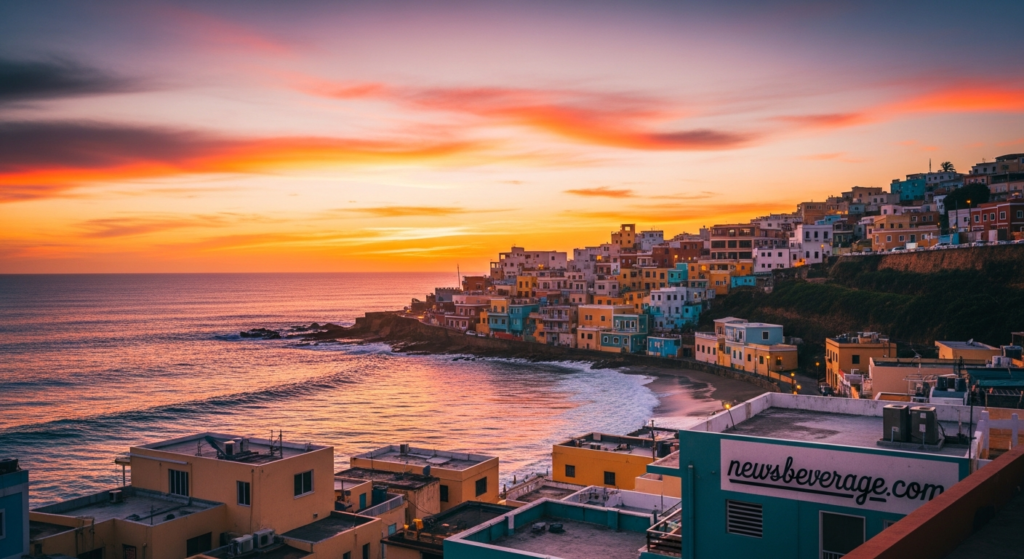
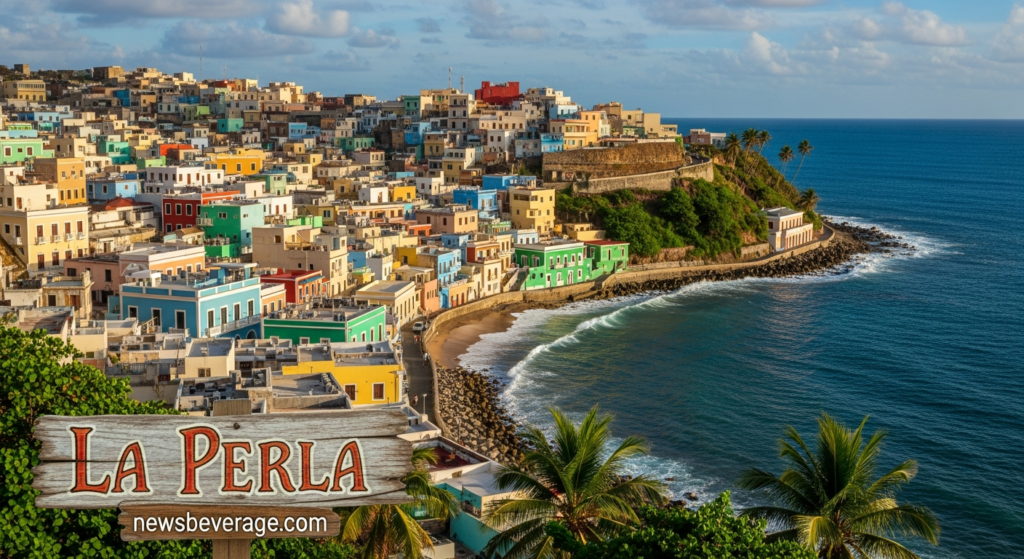
When you stand at the edge of the old city walls and look down, you’ll see a cascade of colorful houses clinging to the rocky coastline. The sight is breathtaking. But La Perla is so much more than just a pretty view. It’s a community with deep roots, complex history, and a spirit that refuses to be broken. This article will take you through everything you need to know about La Perla, from its fascinating past to what you can expect when you visit today.
The Origins and History of La Perla
La Perla wasn’t always the colorful neighborhood you see today. The area’s history stretches back to the Spanish colonial era. Originally, this coastal strip served a very different purpose. It was the location of a slaughterhouse during the 19th century. The Spanish colonizers built it outside the city walls because they didn’t want the smell and waste inside their pristine fortress city.
After the slaughterhouse closed, something remarkable happened. People who couldn’t afford to live inside the walled city began settling in this area. They built homes from whatever materials they could find. The community grew organically over decades. Families established roots. Generations were raised on these rocky shores.
Throughout the 20th century, La Perla faced numerous challenges. The government considered it an illegal settlement for many years. Residents lacked basic services like running water and electricity for a long time. Despite these hardships, the community remained tight-knit. People looked out for each other. They created their own culture and identity.
The neighborhood gained international attention in 2017 when the music video for “Despacito” by Luis Fonsi and Daddy Yankee was filmed there. Suddenly, millions of people around the world were seeing La Perla’s colorful houses and vibrant street life. This brought both opportunities and challenges for the community.
Understanding La Perla’s Cultural Identity
When you think about La Perla Puerto Rico, you need to understand its cultural significance. This isn’t just another neighborhood. It represents resilience and community strength. The people of La Perla have faced stigma and discrimination for generations. Mainstream Puerto Rican society often viewed the neighborhood as dangerous and unwelcoming.
But residents tell a different story. They describe a place where neighbors are family. Where children grow up knowing everyone on their street. Where cultural traditions are preserved and celebrated. The community has produced talented artists, musicians, and athletes who carry pride in their La Perla roots.
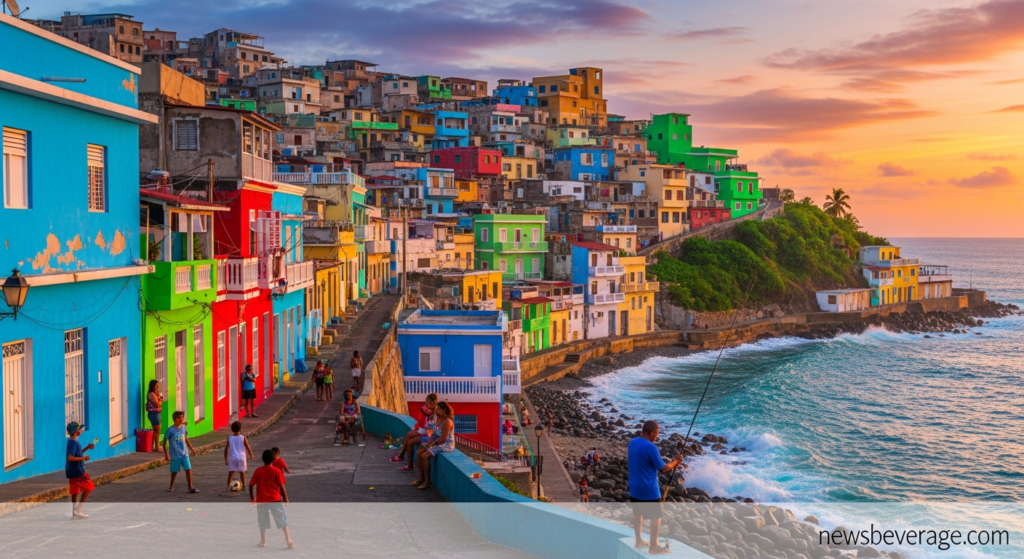
The neighborhood’s architecture tells its own story. Houses are painted in brilliant blues, yellows, pinks, and greens. Some buildings lean precariously toward the ocean. Others are wedged between massive rocks. There’s no master plan here. Everything evolved naturally over time. This organic development gives La Perla its unique character.
Music pulses through La Perla’s streets. You’ll hear salsa, reggaeton, and bomba rhythms floating from open windows. Street art adorns many walls. Local artists use their neighborhood as a canvas. These murals reflect community pride and cultural heritage.
What Makes La Perla Different from Old San Juan
Most visitors to San Juan explore the colonial architecture within the old city walls. They walk down cobblestone streets lined with pastel buildings. They visit forts and museums. These areas are undeniably beautiful and historically important. But La Perla offers something completely different.
While Old San Juan was built for Spanish colonizers and their descendants, La Perla was built by everyday working people. The contrast couldn’t be more striking. Inside the walls, you find carefully preserved colonial buildings and manicured plazas. Outside those same walls, clinging to the rocky coastline, La Perla represents a different Puerto Rico entirely.
The architecture reflects this difference. Old San Juan features Spanish colonial style with thick walls and interior courtyards. La Perla’s buildings are smaller and more improvised. They were constructed with whatever materials were available. This gives the neighborhood an authentic, unpolished character that many travelers find refreshing.
Tourism operates differently here too. In Old San Juan, everything caters to visitors. Shops sell souvenirs. Restaurants offer tourist menus. In La Perla Puerto Rico, life continues as it always has. Residents go about their daily routines. Children play in the streets. People sit on their stoops chatting with neighbors.
Safety Considerations for Visitors
Let’s address the elephant in the room. You’ve probably heard that La Perla is dangerous. For years, travel guides warned tourists to avoid the neighborhood entirely. Some of these warnings were based on reality. Drug trafficking was a problem in certain parts of the community. Violence did occur.
However, the situation has evolved significantly. After Hurricane Maria in 2017, community leaders made conscious efforts to improve safety and welcome respectful visitors. Many residents recognized that tourism could bring economic opportunities. They wanted to share their home with people who genuinely wanted to learn about their culture.
That said, you should still exercise common sense. Don’t visit La Perla alone, especially if you’re unfamiliar with the area. Going with a local guide is your best option. These guides are often from the community itself. They know which areas are safe and which to avoid. They can introduce you to residents and explain the neighborhood’s history firsthand.
Avoid displaying expensive jewelry, cameras, or electronics. Don’t take photos of people without asking permission first. This is basic respect anywhere, but it’s especially important in La Perla. Remember that this is someone’s home. You’re a guest in their community.
Visit during daylight hours. The neighborhood takes on a different character after dark. What feels vibrant and welcoming in sunshine can feel uncertain at night. Most guided tours operate during morning and afternoon hours for good reason.
The Best Ways to Experience La Perla
If you want to visit La Perla Puerto Rico responsibly, taking a guided tour is the way to go. Several tour operators work directly with community members. These tours provide income to local residents while giving you an authentic experience. Your guide will likely have grown up in La Perla. They can share personal stories that bring the neighborhood to life.
During a typical tour, you’ll walk through the main pathways. Your guide will point out significant landmarks and explain their importance. You might stop at a local home where residents sell handmade crafts. Some tours include visits to community centers where you can see cultural programs in action.
The views from La Perla are absolutely spectacular. The neighborhood sits right on the ocean. Waves crash against the rocks just feet from people’s homes. You can see the coastline stretching in both directions. The San Juan National Historic Site looms above. It’s a photographer’s dream, but always ask before taking pictures of people or their homes.
Some tours include interactions with local artists. La Perla has nurtured significant artistic talent. Painters, sculptors, and musicians often welcome visitors to their workshops. These interactions give you insight into how creativity thrives even in challenging circumstances.
You might also encounter community projects during your visit. Organizations work within La Perla to provide services and opportunities for residents. Educational programs, health initiatives, and economic development projects all operate here. Learning about these efforts shows you the neighborhood’s forward momentum.
The Impact of “Despacito” and Modern Tourism
The “Despacito” music video changed everything for La Perla. Before 2017, relatively few tourists ventured into the neighborhood. Those who did were usually particularly adventurous travelers or people with personal connections to the community. The video’s massive success brought La Perla Puerto Rico into the global spotlight.
Suddenly, tour buses started showing up. Visitors wanted to see the locations from the video. Some residents welcomed this attention and the economic opportunities it brought. Others worried about their neighborhood becoming a tourist attraction. The community had to navigate this rapid change.
Benefits emerged from increased visibility. More tour companies began offering La Perla experiences. Local entrepreneurs started small businesses catering to visitors. Artists found new markets for their work. The neighborhood’s image began shifting from “dangerous slum” to “vibrant cultural community.”
But challenges came too. Some tourists showed up without guides and wandered through the neighborhood treating it like a theme park. People took photos without permission. They blocked streets and doorways. This behavior frustrated residents who just wanted to live their lives.
Hurricane Maria hit Puerto Rico just months after “Despacito” was released. The storm devastated the island. La Perla suffered significant damage. Many homes were destroyed or damaged. The community came together to rebuild. International attention from the music video actually helped. People who had seen La Perla in the video donated to recovery efforts.
Living Conditions and Ongoing Challenges
Being honest about La Perla means acknowledging that it still faces serious challenges. While the neighborhood has improved in many ways, poverty remains a significant issue. Many families struggle to make ends meet. Employment opportunities are limited. Some homes still lack adequate infrastructure.
The physical location presents constant challenges. Houses built on rocky slopes face erosion and storm damage. High tides and heavy rains can flood lower areas. Hurricane season brings justified anxiety every year. Climate change and rising sea levels threaten the neighborhood’s long-term viability.
Access to services varies throughout La Perla. Some areas have good water and electricity service. Others experience frequent outages. Healthcare access requires traveling to other parts of San Juan. Educational opportunities within the neighborhood are limited, though programs have been expanding.
Despite these hardships, community spirit remains strong. Residents take pride in their neighborhood. They celebrate their unique identity. Families who’ve lived in La Perla for generations have no intention of leaving. This is their home, and they’re committed to making it better.
Various organizations work alongside the community to address these challenges. Non-profits provide educational programs for children and youth. Economic development initiatives help residents start small businesses. Cultural preservation projects document and celebrate La Perla’s heritage.
How La Perla Reflects Broader Puerto Rican Issues
Understanding La Perla Puerto Rico requires understanding broader issues facing Puerto Rico as a whole. The island has struggled economically for decades. A debt crisis, population decline, and inadequate infrastructure affect communities across Puerto Rico. La Perla’s challenges mirror these larger problems.
Colonial history still shapes life in Puerto Rico today. The relationship with the United States is complex and often controversial. Puerto Ricans are U.S. citizens but can’t vote in presidential elections. They receive less federal funding than states for many programs. This second-class status impacts everything from disaster recovery to economic development.
Hurricane Maria exposed deep inequalities across Puerto Rico. Wealthier areas recovered relatively quickly. Poorer communities like La Perla struggled for years. The inadequate federal response revealed how marginalized communities are often left behind during crises.
But La Perla also represents Puerto Rican resilience and creativity. The ability to build community in challenging circumstances. The determination to preserve culture despite outside pressures. The creativity that flourishes even when resources are scarce. These qualities define not just La Perla but Puerto Rico itself.
What You Should Know Before Visiting
Preparation makes all the difference when visiting La Perla. Start by booking a reputable tour with a guide from the community. Do some research about Puerto Rican history and culture. Understanding the context will deepen your experience. Learn a few basic Spanish phrases. While many residents speak some English, Spanish is the primary language.
Dress appropriately and comfortably. You’ll be walking on uneven surfaces and possibly climbing stairs. Wear sturdy shoes with good traction. Bring water, especially during hot months. Sun protection is essential since much of the neighborhood has limited shade.
Bring cash if you plan to purchase anything from local vendors or artists. Small bills are best. Credit cards aren’t widely accepted in the neighborhood. If you want to tip your guide, cash is necessary.
Set respectful intentions before your visit. You’re entering a real community where people live their daily lives. You’re not visiting a museum or attraction. The people you’ll encounter are going about their business. They’re not performers there for your entertainment.
Be prepared for an emotional experience. Visiting La Perla Puerto Rico often affects people deeply. The combination of beauty and hardship, pride and struggle, creates powerful feelings. You might leave with more questions than answers. That’s okay. Complex places deserve complex reactions.
The Future of La Perla
What does the future hold for La Perla? That question sparks passionate debates within the community. Some residents embrace tourism as an economic opportunity. They want to welcome visitors and share their culture. Others worry about gentrification and losing the neighborhood’s character.
Development pressures are real. As Old San Juan becomes increasingly expensive, investors eye surrounding areas. La Perla’s oceanfront location makes it valuable real estate. Some fear that residents could be pushed out as property values rise.
Community leaders are working to ensure that La Perla’s future is determined by its residents. They want development that benefits the people who’ve lived there for generations. Not development that displaces them for wealthier newcomers. This balancing act requires constant vigilance.
Young people from La Perla are increasingly pursuing education and professional opportunities. Some leave the neighborhood for better prospects elsewhere. Others return determined to improve conditions at home. This new generation brings fresh ideas and perspectives.
Climate change poses an existential threat. Rising sea levels and more intense storms could make parts of La Perla uninhabitable within decades. The community needs support to adapt and build resilience. Some propose relocating the most vulnerable areas. Others insist on staying and strengthening defenses.
Why La Perla Matters
You might wonder why a small neighborhood on the edge of Old San Juan deserves this much attention. La Perla matters because it represents stories that often go untold. It’s a reminder that beauty and dignity exist in places that society overlooks or dismisses.
The neighborhood challenges stereotypes about poverty and marginalized communities. Yes, La Perla faces serious problems. But it’s also home to talented artists, loving families, and proud residents. Reducing it to just “a dangerous slum” erases the humanity of everyone who lives there.
La Perla Puerto Rico also offers lessons about resilience and community strength. How do people thrive when systems fail them? How do communities survive when institutions abandon them? La Perla provides real-world answers to these questions.
For visitors, La Perla offers a different kind of travel experience. One that challenges you rather than just entertaining you. That teaches you something meaningful rather than just checking off a bucket list item. That connects you with real people and their stories.
The neighborhood reminds us that worth isn’t determined by wealth. That culture flourishes in unexpected places. That community bonds can be stronger than any wall. These are lessons our world desperately needs.
Conclusion
La Perla Puerto Rico is a place of contradictions and complexity. It’s stunningly beautiful yet faces serious challenges. It’s welcoming yet requires respect. It’s changing while fighting to preserve its identity. This small neighborhood on the edge of Old San Juan has so much to teach us if we’re willing to listen and learn.
Whether you decide to visit in person or simply learn about it from afar, La Perla deserves to be understood on its own terms. Not as a problem to be solved or a backdrop for photos, but as a living community with its own voice and vision. The people of La Perla are writing their own future. We should support them while respecting their agency.
If you do visit, go with an open heart and mind. Listen to the stories you hear. See the people, not just the colorful houses. And when you leave, carry those stories with you. Share them with others. Challenge the stereotypes. That’s how visitors can truly honor La Perla and its remarkable community.
Frequently Asked Questions
Is it safe to visit La Perla Puerto Rico? Visiting La Perla with a reputable local guide during daylight hours is generally safe. The neighborhood has worked to improve safety and welcome respectful tourists. However, avoid going alone or after dark. Always follow your guide’s instructions and use common sense about displaying valuables.
Do I need to speak Spanish to visit La Perla? While knowing Spanish certainly enhances your experience, it’s not absolutely necessary. Most tour guides speak English and can translate for you. Learning a few basic Spanish phrases shows respect and helps you connect with residents who may not speak English.
Can I take photos in La Perla? You can take photos, but always ask permission before photographing people or their homes. This is someone’s private community, not a public attraction. Respectful photographers who ask first usually receive friendly permission. Taking photos without consent is disrespectful and can create problems.
How long should I plan for a visit to La Perla? Most guided tours of La Perla last between 1.5 to 3 hours. This gives you enough time to walk through the main areas, hear stories from your guide, and possibly meet some residents. Allow extra time if you want to purchase art or crafts from local vendors.
What should I wear when visiting La Perla? Wear comfortable, modest clothing and sturdy walking shoes. You’ll be navigating uneven surfaces, stairs, and possibly rocky paths. Bring sun protection including a hat and sunscreen. Avoid wearing expensive jewelry or carrying high-end cameras visibly displayed.
How does visiting La Perla benefit the community? Responsible tourism provides income to local tour guides, artists, and small business owners. It also helps change negative perceptions about the neighborhood. When visitors treat La Perla with respect and share positive experiences, it improves the community’s reputation and can attract support for development projects.
Can I visit La Perla without a tour? While technically possible, it’s strongly discouraged. Going without a guide means missing important context and potentially wandering into unsafe areas. You also miss the opportunity to support local guides and hear authentic stories from community members. The experience is much richer and safer with a guide.
What’s the best time of day to visit La Perla? Morning and early afternoon are ideal times to visit. The light is beautiful for photos, and it’s generally safer. Most tours operate during these hours. Avoid visiting during the hottest part of the day unless you handle heat well. Never visit after dark.
How is La Perla different from other San Juan neighborhoods? La Perla has a unique history as an informal settlement built outside the colonial city walls. Its coastal location, colorful architecture, and strong community identity set it apart. Unlike touristy Old San Juan, La Perla remains primarily a residential community where real life continues.
What happened to La Perla after Hurricane Maria? Hurricane Maria in 2017 caused significant damage to homes and infrastructure in La Perla. The community came together to rebuild, though recovery took years. International attention from the “Despacito” video actually helped bring resources and support. The neighborhood continues to recover and build resilience against future storms.
Also read newsbeverage.com
