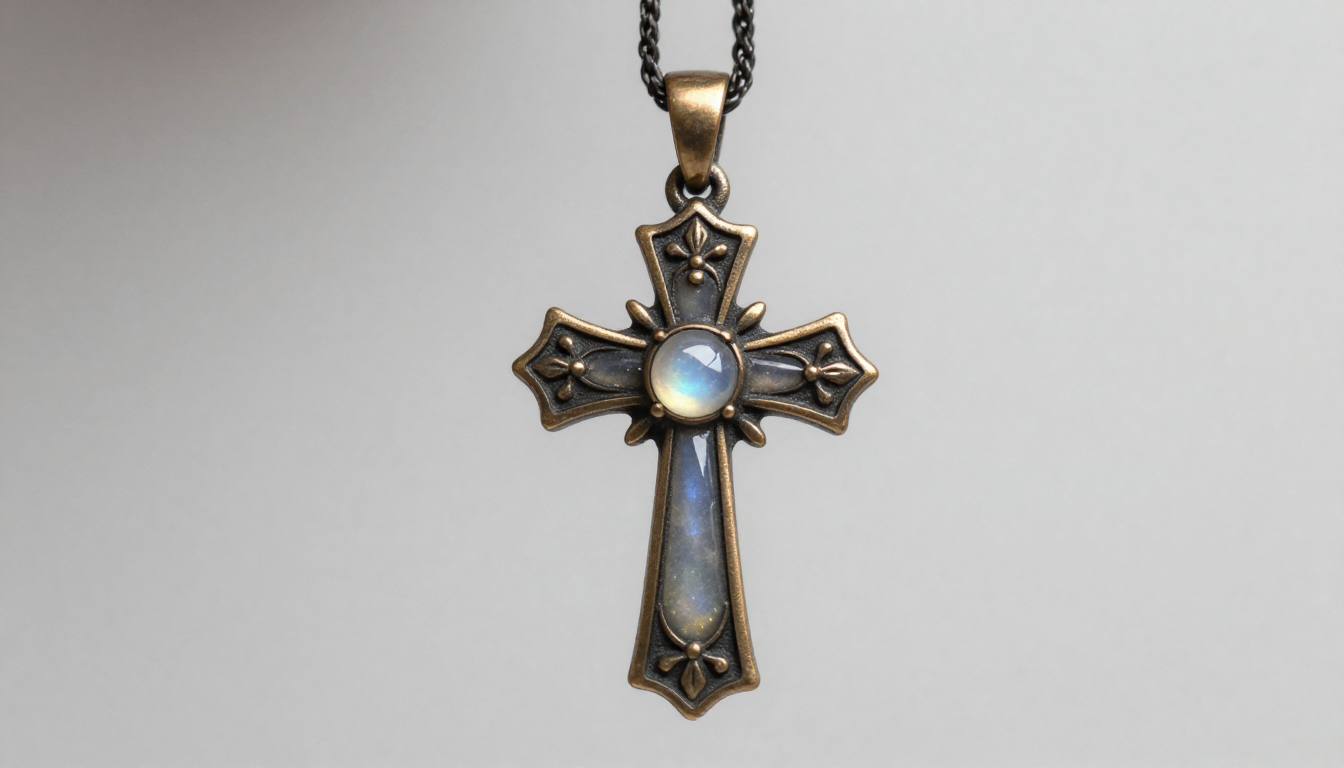
Magic Cross Piercing: The Stunning Style Worth Every Step 2026
Introduction
You’ve probably seen it — that perfectly placed cluster of piercings forming a clean, deliberate cross shape on someone’s ear and thought, “how is that even possible?” That’s the magic cross piercing effect. It stops people mid-scroll, mid-conversation, and mid-walk. There’s something about it that feels intentional and artistic without being over the top.
Magic cross piercing is a multi-piercing arrangement where four to five piercings are placed in a cross pattern — usually on the ear, though body placements exist too. The result looks almost like wearable jewelry art. It’s one of those piercings that rewards patience, planning, and the right piercer.
If you’ve been toying with the idea of getting one, this article is your complete guide. You’ll learn what magic cross piercing really is, where it goes, how much it hurts, how long it takes to heal, what jewelry works best, and how to take care of it properly. By the time you finish reading, you’ll know exactly what you’re walking into — and whether this style is right for you.
What Is Magic Cross Piercing?
Magic cross piercing is a structured, geometric piercing arrangement. Instead of getting one piercing at a time without a plan, this style maps out four to five piercings in a cross shape before a single needle touches your skin. The placements are deliberate. The spacing matters. And the end result is a cohesive design that reads as one piece rather than several random holes.
The “magic” part isn’t just marketing. When it’s done correctly, the cross shape seems almost impossible to achieve naturally. Four points align vertically and horizontally. Add a center fifth piercing and the whole thing transforms into something that looks almost three-dimensional with the right jewelry.
This style fits into the broader “curated ear” trend that’s been growing since the early 2020s. According to data from the Association of Professional Piercers, structured and planned ear setups saw a 40% increase in client requests between 2020 and 2023. Magic cross piercing is one of the more ambitious versions of that trend — and one of the most visually rewarding.
It’s worth understanding that magic cross piercing isn’t a single piercing. It’s a system. You’re committing to multiple piercings, a longer healing process, and a carefully considered jewelry selection. That’s what separates it from a casual decision and makes the final result feel so satisfying.
Where Does Magic Cross Piercing Go?
Ear Placements for Magic Cross Piercing
The ear is the most popular location for magic cross piercing, and for good reason. The cartilage and lobe offer natural landmarks that make it easier to map out a clean, symmetrical cross pattern.
Here’s how the cross breaks down on a typical ear:
- Top point — upper helix or antihelix
- Left point — mid-cartilage, level with the center
- Right point — opposite mid-cartilage, directly across
- Bottom point — lower lobe or lower cartilage
- Center (optional) — tragus or conch for a five-point cross design
When all four or five piercings are healed and fitted with matching jewelry, the cross shape becomes unmistakably clear. It’s a design that earns compliments regularly.
Body Placements for Magic Cross Piercing
Magic cross piercing doesn’t have to live on the ear. Some people go for it on the sternum, upper chest, or the nape of the neck. These are surface placements, which means they’re more complex. Surface piercings sit shallowly under the skin and have a higher rejection rate than cartilage placements.
If you’re considering a body surface version of magic cross piercing, you need a piercer who specializes specifically in surface work. This isn’t the place to cut costs or take chances on an inexperienced studio.
Best Starting Point If You’re New
Start with the ear. It heals more predictably. It’s easier to care for. It’s less painful than most surface body placements. And honestly, the ear version of magic cross piercing is the one that’s generating the most excitement and interest right now.
Magic Cross Piercing Pain: What to Realistically Expect
Pain is relative. Your experience with magic cross piercing will depend on your individual pain tolerance, the skill of your piercer, and your overall state on the day of your appointment. That said, here’s a realistic picture.
Cartilage piercings typically register around a 4 to 6 out of 10 on the pain scale. The sensation is usually a sharp pressure for a second or two, followed by a dull soreness that fades within minutes. Lobe piercings tend to be milder — closer to a 2 or 3.
The real challenge with magic cross piercing isn’t the pain of any single hole. It’s the cumulative effect. By the time you’re on your third or fourth piercing in the same session, your ear tissue is already irritated. Each subsequent needle feels sharper than the last. Many experienced piercers recommend splitting the magic cross piercing into two sessions to manage this.
Here’s what helps you have a better experience on the day:
- Eat a proper meal at least an hour before your appointment
- Stay hydrated — dehydrated skin is more sensitive
- Avoid alcohol for 24 hours before your session
- Don’t look at the needle — just breathe and let it happen
- Talk to your piercer throughout — a calm conversation helps
Most people leave the studio surprised by how manageable it was. The fear builds it up more than the reality delivers.
How Long Does Magic Cross Piercing Take to Heal?
Healing is where most people struggle — not because the process is complicated, but because patience is hard. Magic cross piercing involves several piercings healing at the same time, which means your body is working harder than it would for a single hole.
Here’s a practical healing timeline:
Lobe piercings: 6 to 9 months for full healing Cartilage piercings: 9 to 18 months, sometimes pushing to 24 months Surface body piercings: 12 to 24 months with more variability
During healing, you’ll notice some predictable things. Redness and mild swelling in the first one to two weeks is normal. A white or clear crust forming around the jewelry is also completely normal — that’s lymph fluid, not infection. Occasional soreness when you bump the ear or sleep on it is to be expected.
What’s not normal — and what needs attention — is yellow or green discharge, significant heat radiating from the piercing site, throbbing pain that gets worse instead of better, or a rapidly growing bump. These are signs that something has gone wrong and you need to see your piercer or a doctor.
One thing I always tell people who are new to multi-piercing setups: track your healing in a journal or with photos. When you’re in the middle of the process, it can feel like nothing is changing. Photos taken weekly show you just how much progress is actually happening.
Choosing Jewelry for Magic Cross Piercing
Jewelry selection is what takes magic cross piercing from interesting to genuinely stunning. The right pieces make the cross pattern pop. The wrong ones make it look random and unfinished.
Best Jewelry Styles
Flat back labret studs are the go-to choice for magic cross piercing. They sit flush against the skin, they’re comfortable during healing, and they come in an enormous variety of designs — from simple balls to opals, diamonds, stars, and custom charms.
Threadless push-pin jewelry is another strong option. These pieces don’t require threading through the jewelry, which reduces the chance of irritating a healing channel. They’re also incredibly easy to change once healed.
Small hoops or rings can work beautifully at the lower or outer points once your piercings are fully healed. They add movement and a slightly different texture to the overall cross design.
Best Jewelry Materials
Material matters enormously for a fresh magic cross piercing. Here’s what’s safe and what to avoid:
Safe options:
- Implant-grade titanium — lightweight, hypoallergenic, available in anodized colors
- Implant-grade ASTM F136 steel — safe for most people, more affordable
- Solid 14k or 18k gold — beautiful and body-safe, never gold-plated
- Niobium — excellent for anyone with known metal sensitivities
Avoid:
- Unknown alloy “surgical steel” from discount suppliers
- Gold-plated or gold-filled jewelry — the plating wears off and irritates the channel
- Acrylic or plastic in fresh piercings
- Anything labeled “hypoallergenic” without disclosing the actual material
Sizing Your Jewelry
Fresh magic cross piercing placements need slightly longer posts to accommodate initial swelling. Once healing is complete, your piercer will downsize you to a shorter post. This is an important step — jewelry that’s too long catches on things and prolongs healing. Don’t skip the downsizing appointment.
Magic Cross Piercing Aftercare: The Simple Routine That Works
Aftercare for magic cross piercing is genuinely straightforward. The problem is that people either skip it or overcomplicate it. Both approaches cause problems.
The Daily Routine
Twice daily — apply or spray sterile saline solution (0.9% sodium chloride) to each piercing. You can buy this as a pre-made wound wash spray at most pharmacies. Let it air dry or pat gently with a clean paper towel — not cloth, which can harbor bacteria.
After showering — let clean water rinse naturally over your piercings. That’s enough. You don’t need to clean it more than twice a day.
At night — if your magic cross piercing is on the ear, sleeping position matters a lot. Use a travel neck pillow with a hollow center so your ear floats without pressure. Or fold a fresh pillowcase over your pillow and flip it nightly to ensure a clean surface.
What You Should Never Do
- Don’t twist or rotate your jewelry — this is an outdated recommendation that causes micro-tears in the healing tissue
- Don’t use alcohol, hydrogen peroxide, or antibacterial soap directly on piercings
- Don’t submerge in pools, hot tubs, lakes, or the ocean until fully healed
- Don’t let other people touch your piercings — especially not with unwashed hands
- Don’t change jewelry before your piercer confirms healing is complete
When to Go Back to Your Piercer
If you notice an irritation bump forming, don’t panic and don’t start self-treating with tea tree oil or other home remedies. Go back to your piercer first. They’ll assess whether the jewelry needs to be changed, whether the placement is being stressed, or whether it’s something that will resolve on its own with consistent aftercare.
How Much Does Magic Cross Piercing Cost?
Let’s talk numbers. Magic cross piercing is a multi-piercing project, which means the cost adds up quickly. Here’s a realistic breakdown:
Per individual piercing: $30 to $80, not including jewelry Jewelry per piece: $20 for basic titanium to $150+ for solid gold or diamond options Complete magic cross piercing setup: Roughly $150 to $500 total, depending on location, studio reputation, and your jewelry choices
These numbers reflect quality studios in most markets. Prices will vary in major cities versus smaller towns. In places like New York, Los Angeles, or London, expect to pay toward the higher end of these ranges.
I’ll say this plainly — do not choose your piercer based on who’s cheapest. A poorly placed magic cross piercing is difficult to fix and can leave permanent scarring. The cost of treating an infected or rejected piercing will far exceed what you saved by going to a budget studio. Invest in someone who knows what they’re doing.
How to Find the Right Piercer for Magic Cross Piercing
Not every piercer has the skills required for magic cross piercing. You need someone who understands anatomy, has an eye for geometric symmetry, and can map out a four or five-point cross arrangement that will look balanced once healed.
Here’s how to vet a piercer before you commit:
- Check their portfolio — specifically look for multi-piercing ear setups and curated ear designs, not just individual piercings
- Visit the studio — it should be visibly clean, organized, and use sealed, sterile packaging for all equipment
- Ask about materials — a reputable piercer will immediately tell you they use implant-grade titanium or solid gold as standard
- Ask about their process — they should discuss anatomy and placement with you before starting, not just mark up your ear and begin
- Look for APP membership — the Association of Professional Piercers holds members to strict safety and material standards
A good piercer will welcome your questions. They’ll show you the jewelry they plan to use. They’ll explain their mapping process. If a piercer seems impatient or dismissive during the consultation, walk away.
Common Issues With Magic Cross Piercing and How to Handle Them
Irritation Bumps
Small fluid-filled or raised bumps near the piercing site are common, especially with cartilage placements. They’re almost always caused by trauma — sleeping pressure, catching the jewelry on clothing or hair, or jewelry that’s too short or too long.
The fix is usually straightforward: reduce irritation, be consistent with saline cleaning, and if the bump persists after two weeks of attentive aftercare, visit your piercer.
Keloids
Keloids are raised, fibrous scars that extend beyond the original wound. They’re more common in people with a genetic predisposition to them. If you’ve had keloids before, discuss this with your piercer before committing to magic cross piercing. Cartilage placements carry a higher keloid risk than lobe piercings.
Rejection
Surface placements of magic cross piercing on the body can reject. Rejection means the body gradually pushes the jewelry toward the skin surface. Signs include visible thinning of the skin over the jewelry, redness along the entire length of the piercing, and the jewelry visibly migrating. Caught early, rejection allows for clean removal without significant scarring.
Infection
True piercing infections are less common than most people assume. Most redness and soreness is irritation, not infection. A real infection involves spreading redness, warmth, swelling, and colored discharge. If you suspect infection, don’t remove the jewelry yourself — keeping it in allows drainage. See a healthcare provider.
Magic Cross Piercing Styles and Visual Inspiration
The style range for magic cross piercing is wide. You can go minimal, maximalist, celestial, geometric, or completely custom.
Some popular aesthetics worth exploring:
Celestial — crescent moons, stars, and sun charms aligned along the cross points. Gorgeous in gold.
Minimalist — matching flat titanium balls or tiny gems. Clean, modern, almost architectural.
Gemstone cluster — coordinated colored stones across all five points. Rich and vibrant.
Mixed metal — alternating gold and titanium pieces for an editorial, layered look.
Botanical — tiny floral or leaf charms that feel organic and delicate against the structured cross shape.
Bring reference photos to your consultation. The more visual context you give your piercer, the closer your final result will be to what you’re imagining.
Conclusion
Magic cross piercing is one of the most intentional, artistic, and visually striking piercing styles available right now. It takes planning, patience, and the right professional — but when it comes together, it’s genuinely unlike anything else.
The big takeaways: choose an experienced piercer with a strong portfolio, invest in quality implant-grade jewelry, commit to your twice-daily aftercare routine, and give your body the full healing time it needs. Don’t rush the process. Don’t change jewelry early. Trust the timeline.
If you’re thinking about getting magic cross piercing, start by researching piercers in your area and booking a consultation before you commit. And if you’ve already got one — how was your experience? What placement did you go with? Share this article with someone who’s been considering the style, or drop your thoughts below. The piercing community always loves hearing real stories.
FAQs About Magic Cross Piercing
1. What is a magic cross piercing exactly? It’s a planned arrangement of four to five piercings placed in a cross pattern, most commonly on the ear. The piercings are mapped out together so the final design reads as one cohesive shape.
2. Does magic cross piercing hurt a lot? Each cartilage piercing rates around 4 to 6 out of 10 on the pain scale. The cumulative effect across multiple piercings in one session is the bigger challenge. Splitting into two sessions helps.
3. How long does magic cross piercing take to heal? Lobe piercings heal in 6 to 9 months. Cartilage piercings can take 9 to 18 months. Healing all four or five points simultaneously means the process takes patience and consistent aftercare.
4. Can I get all the piercings done at once? Yes, but many piercers recommend two sessions to reduce tissue trauma. Talk to your piercer about what they recommend based on the specific placement plan.
5. What’s the best jewelry material for magic cross piercing? Implant-grade titanium is the top choice — hypoallergenic, lightweight, and available in various styles. Solid 14k gold is also excellent once the piercing is healed.
6. How much does a magic cross piercing cost? Expect to spend $150 to $500 total for the complete setup, depending on your location, studio, number of piercings, and jewelry quality.
7. Can magic cross piercing be done anywhere on the body besides the ear? Yes. Surface placements on the sternum or nape of the neck are possible, but they carry a higher rejection risk and require a specialist in surface piercing work.
8. What aftercare does magic cross piercing need? Sterile saline spray applied twice daily. Avoid touching, twisting, or submerging the piercings. Don’t change jewelry until your piercer confirms full healing.
9. Why is there a bump forming near my magic cross piercing? Usually it’s an irritation bump caused by pressure or trauma to the site. Reduce irritation, maintain aftercare, and see your piercer if it doesn’t improve within two weeks.
10. How do I find a good piercer for magic cross piercing? Look for someone with a strong portfolio of curated ear setups. Check that the studio uses implant-grade materials and has visible cleanliness standards. APP membership is a strong positive indicator.
Also Read : Excited Synonym