

The Ultimate Morningstar Weapon Guide: Deadly Medieval Power You Need to Know 2026
Introduction
Picture this: you’re a medieval knight facing an opponent clad head-to-toe in expensive plate armor. Your sword bounces off harmlessly. Your spear can’t penetrate. Then someone hands you a morningstar weapon, and suddenly, you’ve got a fighting chance.
The morningstar weapon stands as one of history’s most fearsome close-combat tools. This spiked club changed medieval warfare forever, turning heavily armored knights into vulnerable targets. Whether you’re a history enthusiast, medieval weapons collector, or just curious about ancient combat, understanding the morningstar weapon reveals fascinating insights into how our ancestors fought and survived.
In this comprehensive guide, we’ll explore everything about the morningstar weapon—from its origins and design to its devastating battlefield effectiveness. You’ll discover why warriors across Europe trusted this weapon, how it differs from similar armaments, and what made it such a game-changer in medieval combat.
What Is a Morningstar Weapon?
The morningstar weapon is a type of medieval club featuring a solid shaft topped with a spiked head. Think of it as evolution’s answer to increasingly sophisticated armor. When swords couldn’t cut through steel plates, warriors needed something that could crush and puncture simultaneously.
The name “morningstar” comes from its appearance. Those deadly spikes radiating from the head resembled a star, and some historical accounts suggest the grim humor of it being the last thing victims saw—like a morning star rising. Pretty dark, right?
This weapon typically measured between two to five feet in length. The business end featured a wooden or metal shaft connected to a head covered in sharp metal spikes. These spikes ranged from half an inch to several inches long, depending on the weapon’s intended use.
Unlike the flail (which we’ll discuss later), the morningstar weapon had a fixed head. You couldn’t swing it in circles like a flail. Instead, you brought it down with concentrated force, letting gravity and muscle power drive those spikes through armor, chain mail, or flesh.
The Historical Origins of the Morningstar Weapon
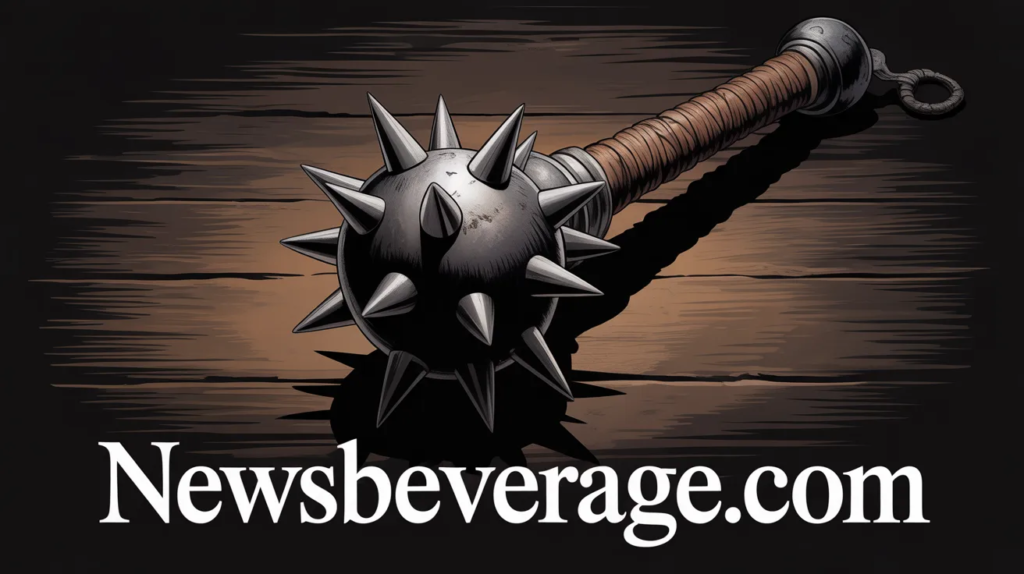
The morningstar weapon emerged during the 14th century, though simpler spiked clubs existed earlier. Medieval Europe was experiencing an arms race—armor was getting better, so weapons had to evolve too.
German and Swiss mercenaries particularly favored the morningstar weapon. These professional soldiers needed reliable tools that could defeat the expensive plate armor worn by wealthy knights. The morningstar weapon offered an affordable yet deadly solution.
Historical records show the morningstar weapon gaining popularity throughout the 1300s and 1400s. Peasant armies loved it because you didn’t need years of training to use one effectively. A farmer could pick up a morningstar weapon and pose a genuine threat to an armored nobleman.
The weapon spread across Europe rapidly. French, English, Italian, and Eastern European armies all adopted variations of the morningstar weapon. Each region developed its own style, but the core concept remained the same—spikes that could defeat armor.
Design and Construction of the Morningstar Weapon
The Shaft
The morningstar weapon’s shaft typically used hardwood like ash, oak, or hickory. These woods provided strength without excessive weight. Some higher-quality versions featured metal reinforcement along the shaft to prevent it from being cut during combat.
Length varied based on whether you’d use it on foot or horseback. Foot soldiers preferred shorter versions (around two to three feet) for better control in crowded battles. Cavalry sometimes used longer morningstar weapons reaching four or five feet.
The Head
Here’s where the morningstar weapon got creative. Blacksmiths crafted heads from iron or steel, shaping them into spheres, cylinders, or flanged designs. The spikes—usually between six and twelve of them—protruded at strategic angles.
Some morningstar weapons featured pyramid-shaped spikes for maximum penetration. Others used shorter, broader spikes designed to crush rather than pierce. The most elaborate versions combined both spike types for versatility.
Weight Distribution
A well-designed morningstar weapon balanced deadly force with practical handling. The head typically weighed between two and four pounds. Too light, and it wouldn’t penetrate armor. Too heavy, and you’d tire quickly or lose control.
Craftsmen positioned the center of gravity carefully. The best morningstar weapons felt natural in your hands, allowing powerful swings without exhausting the wielder after a few minutes of combat.
How the Morningstar Weapon Was Used in Combat
Using a morningstar weapon effectively required understanding leverage and timing. You’d grip the shaft with both hands (for larger versions) or one hand (for smaller ones), then bring it down in overhead strikes or swing it laterally.
The overhead strike was most common. You’d raise the morningstar weapon above your head and bring it down onto your opponent’s helmet, shoulder, or shield. The spikes concentrated force into tiny contact points, creating enormous pressure that could puncture metal or cause devastating blunt trauma.
Lateral swings targeted arms, legs, or the torso. Even if the spikes didn’t penetrate armor, the impact could break bones underneath. Medieval armor protected against cuts, but it couldn’t fully absorb the crushing force of a morningstar weapon strike.
Against unarmored opponents, the morningstar weapon was absolutely brutal. A single strike could cause catastrophic injuries. This made it particularly effective in situations where heavily armored knights fought alongside lightly protected foot soldiers.
Morningstar Weapon vs. Flail: Understanding the Difference
People constantly confuse the morningstar weapon with the flail, but they’re distinctly different. This confusion matters because each weapon required different techniques and served different tactical purposes.
The Morningstar Weapon:
- Fixed head attached directly to the shaft
- Swings like a club or mace
- More predictable and controllable
- Better for precise strikes
- Easier to learn for beginners
The Flail:
- Head attached by a chain or hinge
- Swings in circular motions
- More unpredictable trajectory
- Can wrap around shields and defenses
- Requires significant skill to avoid self-injury
The morningstar weapon offered reliability. You knew exactly where it would strike. The flail brought chaos—good for overwhelming opponents but risky for the wielder. Many soldiers preferred the morningstar weapon precisely because it was safer and more dependable.
Advantages of the Morningstar Weapon
Armor Penetration
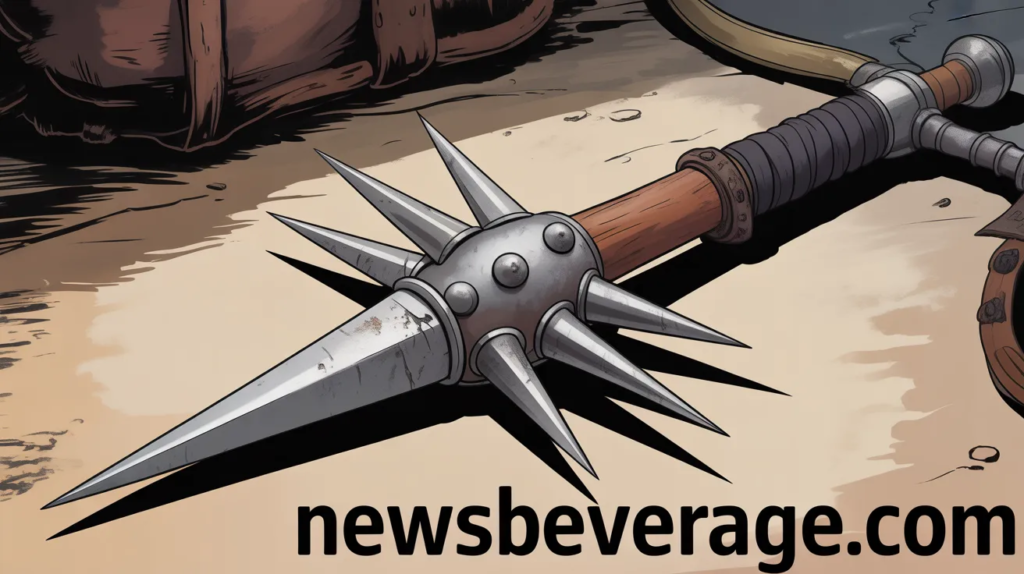
The primary advantage of the morningstar weapon was its ability to defeat armor. Those spikes could puncture plate metal, especially at weak points like joints or less-reinforced areas. Even when spikes didn’t fully penetrate, they created dents that caused internal injuries.
Simplicity
You didn’t need to be a master swordsman to use a morningstar weapon effectively. Basic training covered the fundamentals—grip, stance, and swing mechanics. This made it perfect for militia forces and peasant levies who couldn’t afford extensive combat training.
Psychological Impact
The morningstar weapon looked terrifying. Opponents knew what those spikes could do to human flesh and bone. This psychological element sometimes won fights before the first blow landed, as less determined enemies might flee rather than face such a brutal weapon.
Versatility
The morningstar weapon worked in various combat scenarios. Close-quarters fighting? Check. Mounted combat? Check. Defensive formations? Check. This adaptability made it valuable across different military situations.
Cost-Effectiveness
Compared to swords or specialized pole weapons, the morningstar weapon was relatively inexpensive to produce. A skilled blacksmith could make several in the time it took to forge a quality sword, making it economically practical for arming large forces.
Disadvantages and Limitations
Range
The morningstar weapon was strictly a close-combat tool. You needed to get dangerously close to your enemy, which meant exposing yourself to their weapons too. Spearmen and halberdiers could keep morningstar weapon users at bay.
Speed
Swinging a morningstar weapon took time and energy. Each strike was powerful but slow compared to lighter weapons like swords or axes. Missing a swing left you vulnerable during recovery.
Fatigue
The weight and awkward balance of the morningstar weapon meant wielders tired faster than with lighter weapons. Extended combat became increasingly difficult as fatigue set in, reducing strike accuracy and power.
Limited Defensive Capability
Unlike swords that could parry and block, the morningstar weapon wasn’t ideal for defense. You could use the shaft to block, but it lacked the finesse needed for skilled defensive swordplay.
Regional Variations of the Morningstar Weapon
Different European regions developed unique morningstar weapon styles:
German Morgenstern: Featured a spherical head with long, narrow spikes. German craftsmen often added decorative elements while maintaining functionality.
Swiss Designs: Emphasized practicality with reinforced shafts and shorter, sturdier spikes designed for the brutal close-quarters combat Swiss mercenaries specialized in.
English Versions: Tended toward simpler construction with flanged heads rather than individual spikes, creating a hybrid between mace and morningstar weapon.
Eastern European Models: Sometimes incorporated longer shafts for cavalry use, with heads featuring a mix of spike lengths for versatility.
Each variation reflected regional combat preferences and metallurgical traditions, but all shared the core morningstar weapon concept.
The Morningstar Weapon in Popular Culture
Modern media loves the morningstar weapon, though it often gets details wrong. Video games frequently feature it as a powerful but slow weapon option. Fantasy novels describe warriors wielding massive morningstar weapons in epic battles.
However, Hollywood often confuses the morningstar weapon with flails in movies. You’ll see characters swinging chained spiked balls while the film calls it a morningstar. This drives medieval weapons enthusiasts crazy.
Despite these inaccuracies, the morningstar weapon’s presence in pop culture keeps interest alive. New generations discover this fascinating weapon through games like Dungeons & Dragons, The Elder Scrolls, and Dark Souls.
Collecting and Reproductions
Modern enthusiasts can purchase morningstar weapon reproductions from specialized manufacturers. These range from decorative wall-hangers to battle-ready replicas built with historical accuracy.
If you’re interested in collecting, look for:
- Reputable manufacturers with historical knowledge
- Proper weight distribution and balance
- Quality materials (spring steel for heads, hardwood for shafts)
- Accurate historical details in construction
Prices vary dramatically. Display pieces start around $50-100, while museum-quality functional reproductions can cost $300-800 or more.
Always check local laws regarding weapon ownership. Some jurisdictions classify the morningstar weapon as a prohibited weapon, while others allow it for historical collection or martial arts training.
Training and Martial Arts
Several historical European martial arts (HEMA) groups teach morningstar weapon techniques. These organizations study medieval combat manuals and reconstruct authentic fighting methods.
Training typically covers:
- Proper grip and stance
- Strike mechanics and targeting
- Footwork and positioning
- Defense against common medieval weapons
- Historical combat context
If you’re serious about learning morningstar weapon techniques, finding a qualified HEMA instructor is essential. They can teach you safe training methods while preserving historical accuracy.
The Morningstar Weapon’s Legacy
Though no longer used in actual combat, the morningstar weapon influenced military technology development. It demonstrated how specialized weapons could overcome defensive innovations, spurring further evolution in both armor and armaments.
The weapon also left a linguistic legacy. “Morningstar” appears in literature, music, and art as a symbol of medieval brutality and the harsh realities of historical warfare.
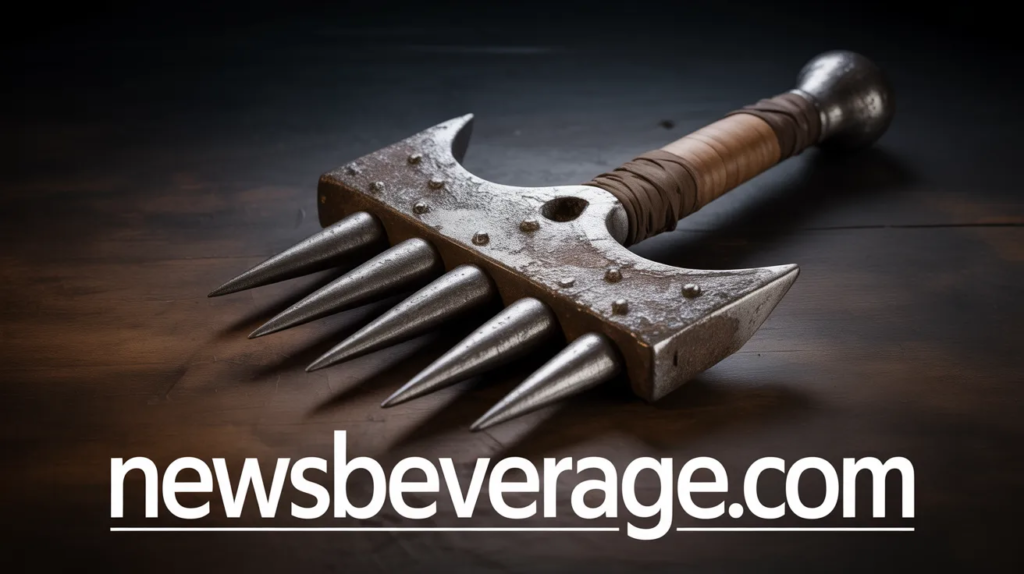
Museums worldwide display authentic morningstar weapons, offering tangible connections to medieval life. These artifacts teach us about metallurgy, warfare, social structures, and the daily realities soldiers faced centuries ago.
Conclusion
The morningstar weapon represents a fascinating chapter in military history. Born from necessity when armor threatened to make traditional weapons obsolete, it offered a brutal but effective solution. Its spiked head could penetrate plate metal, crush bones through chain mail, and strike fear into opponents’ hearts.
Understanding the morningstar weapon gives us insight into medieval warfare’s evolution and the constant struggle between offense and defense. Whether you’re a history buff, weapons collector, or martial artist, appreciating this weapon’s design and purpose enriches your knowledge of how our ancestors fought and survived.
What aspect of the morningstar weapon interests you most—its brutal efficiency, historical significance, or cultural impact? The story of this medieval armament continues to captivate people worldwide, connecting us to a time when combat was personal, violent, and unforgiving.
FAQs
What’s the difference between a morningstar weapon and a mace?
The morningstar weapon features prominent spikes protruding from its head, while a mace typically has a smooth or flanged head without sharp spikes. The morningstar weapon was designed to penetrate armor, whereas maces relied primarily on blunt force trauma. Both were effective against armored opponents, but the morningstar weapon offered better armor penetration.
How heavy was a typical morningstar weapon?
Most morningstar weapons weighed between 3-6 pounds total, with the spiked head accounting for 2-4 pounds of that weight. Heavier versions existed but weren’t practical for extended combat. The weight needed to be sufficient for effective strikes while remaining light enough for multiple swings without excessive fatigue.
Could a morningstar weapon actually penetrate plate armor?
Yes, but with limitations. A well-struck morningstar weapon could penetrate thinner plate sections or exploit gaps at joints. The spikes concentrated force into small areas, creating enormous pressure. Even when spikes didn’t fully penetrate, they could dent armor severely enough to cause internal injuries or restrict movement.
Why did the morningstar weapon decline in use?
The morningstar weapon became less common as firearms transformed warfare. Gunpowder weapons made heavy armor obsolete, which eliminated the primary problem the morningstar weapon solved. By the 16th-17th centuries, lighter, faster weapons became more practical for the evolving battlefield where ranged combat dominated.
Is it legal to own a morningstar weapon today?
Laws vary by location. In many areas, owning historical weapon reproductions is legal for collection or martial arts practice. However, some jurisdictions classify spiked clubs as prohibited weapons. Always check your local and national laws before purchasing. Some regions require permits or restrict carrying such weapons in public.
How long did it take to make a morningstar weapon?
A skilled blacksmith could forge a basic morningstar weapon in 1-3 days, depending on complexity. This included forging the head, shaping and attaching spikes, heat-treating the metal, and fitting it to the shaft. More elaborate versions with decorative elements or specialized features took longer.
What training was needed to use a morningstar weapon effectively?
Basic proficiency required only a few weeks of training to learn proper grip, stance, and striking techniques. The morningstar weapon’s simplicity made it accessible to common soldiers with limited combat training. However, mastering advanced techniques—timing, targeting, and fighting against various opponents—took months or years of practice.
Did knights use morningstar weapons?
While associated more with common soldiers, some knights did carry morningstar weapons as secondary armaments. Knights appreciated the weapon’s effectiveness against heavily armored opponents like themselves. However, swords remained the primary knightly weapon for reasons of status, versatility, and symbolism.
How effective was the morningstar weapon against shields?
The morningstar weapon could damage shields through sheer impact force, potentially splintering wooden shields or denting metal ones. The spikes could embed in shields, potentially pulling them aside or down. However, a well-made shield offered reasonable protection, forcing morningstar weapon users to target exposed areas.
Are there any surviving medieval morningstar weapons?
Yes, museums across Europe house authentic medieval morningstar weapons. Notable collections exist in the Royal Armouries (UK), Kunsthistorisches Museum (Austria), and various German museums. These artifacts provide valuable insights into medieval craftsmanship and military technology. Surviving examples show considerable variation in design and construction quality.
Also Read : Celtics vs Magic
