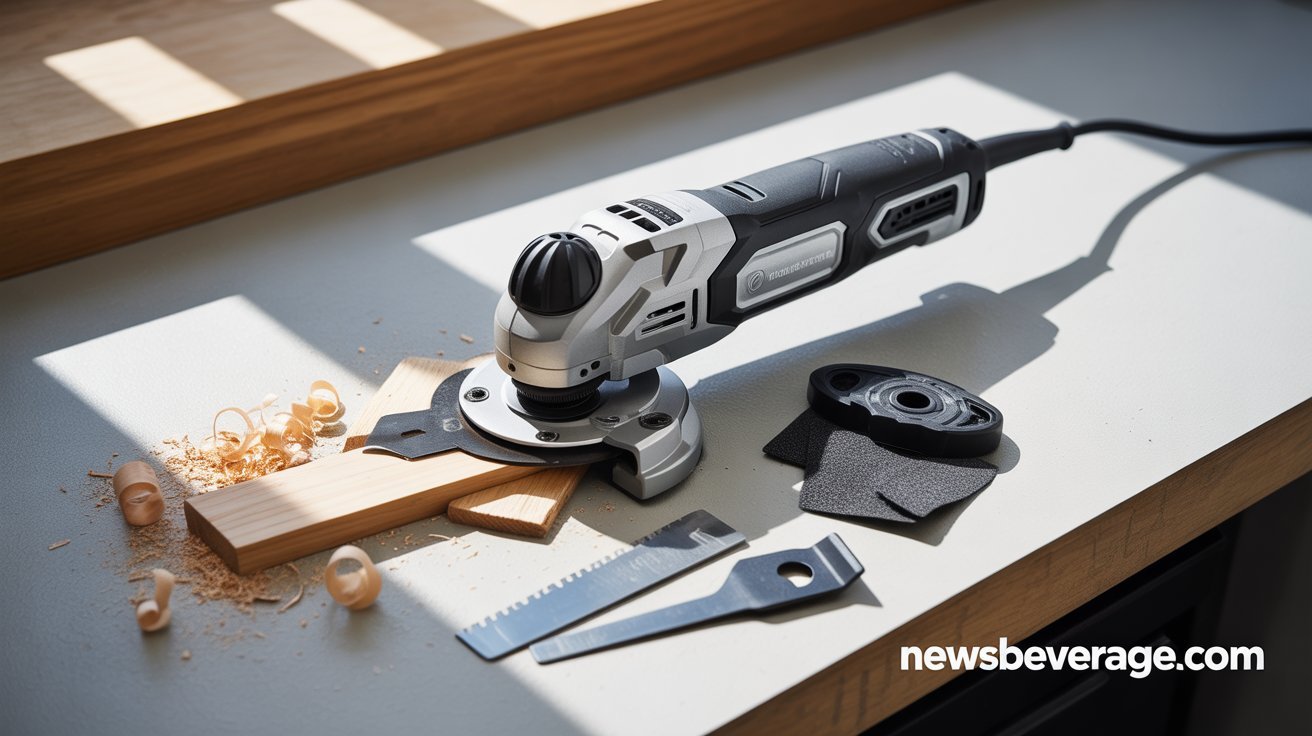
Ultimate Oscillating Tool Guide: Transform Your DIY Projects 2026
Introduction
Ever found yourself switching between five different tools just to complete one simple project? I’ve been there, and it’s frustrating.
Here’s the thing: an oscillating tool might be the solution you’ve been overlooking. This compact powerhouse has quietly become one of the most versatile additions to any toolbox, whether you’re a weekend warrior or a seasoned contractor.
What makes this tool so special? It oscillates—or vibrates—at incredibly high speeds, allowing it to cut, sand, scrape, and grind with remarkable precision. You can tackle everything from cutting through drywall to removing old grout, all with one device.
In this guide, you’ll discover what an oscillating tool can do, how to choose the right one, and why it deserves a spot in your workshop. We’ll cover the essential features, practical applications, and insider tips that’ll help you maximize this tool’s potential.
Let’s dive in.
What Exactly Is an Oscillating Tool?
An oscillating tool, also called a multi-tool or oscillating multi-tool, is a handheld power tool that moves its attachment back and forth in a rapid arc. This oscillating motion typically ranges between 10,000 and 23,000 oscillations per minute (OPM).
Unlike rotary tools that spin continuously, the oscillating action provides more control. The movement is subtle—usually just a few degrees—but incredibly effective.
The magic happens at the attachment point. You can swap between dozens of different blades and accessories, each designed for specific tasks. This versatility is what sets the oscillating tool apart from single-purpose tools cluttering your garage.
How Does It Work?
The motor inside creates a rapid side-to-side motion. When you attach a blade or accessory, this oscillation translates into cutting, scraping, or sanding action. The high frequency means the tool does the hard work while you simply guide it.
Most models feature a tool-free blade change system. You simply press a lever, remove the old attachment, and snap in a new one. No wrenches required.
The oscillating motion also generates less kickback than circular or reciprocating saws. This makes it safer and easier to control, especially in tight spaces or when working on delicate materials.
Key Features to Look For
Not all oscillating tools are created equal. Here’s what separates the good from the great:
Power Source
Corded models deliver consistent power without battery concerns. They’re ideal for extended projects or professional use. The downside? You’re tethered to an outlet.
Cordless models offer unbeatable portability. Modern lithium-ion batteries provide impressive runtime. Just remember to keep spare batteries charged for longer jobs.
I’ve found that cordless versions work brilliantly for quick tasks and tight spaces. But for heavy-duty projects, corded tools maintain their edge.
Variable Speed Control
Speed matters more than you might think. Different materials and tasks require different oscillation speeds.
A dial or trigger that adjusts speed gives you precision control. Softer materials like plastic need slower speeds to prevent melting. Harder materials like metal benefit from higher speeds.
Look for tools with a range of at least 8,000 to 20,000 OPM. This flexibility ensures you’re covered for virtually any project.
Oscillation Angle
Most tools oscillate between 2.8 and 4.2 degrees. A wider angle means more aggressive cutting but potentially rougher results.
For general use, a 3-degree oscillation angle hits the sweet spot. It balances cutting speed with control.
Blade Attachment System
Tool-free systems are non-negotiable in my book. Fumbling with hex keys wastes time and tests your patience.
Popular systems include quick-release levers and magnetic attachments. Some brands use proprietary systems, while others follow universal standards.
Consider accessory compatibility before buying. Universal systems give you more blade options and better prices down the road.
What Can You Do with an Oscillating Tool?
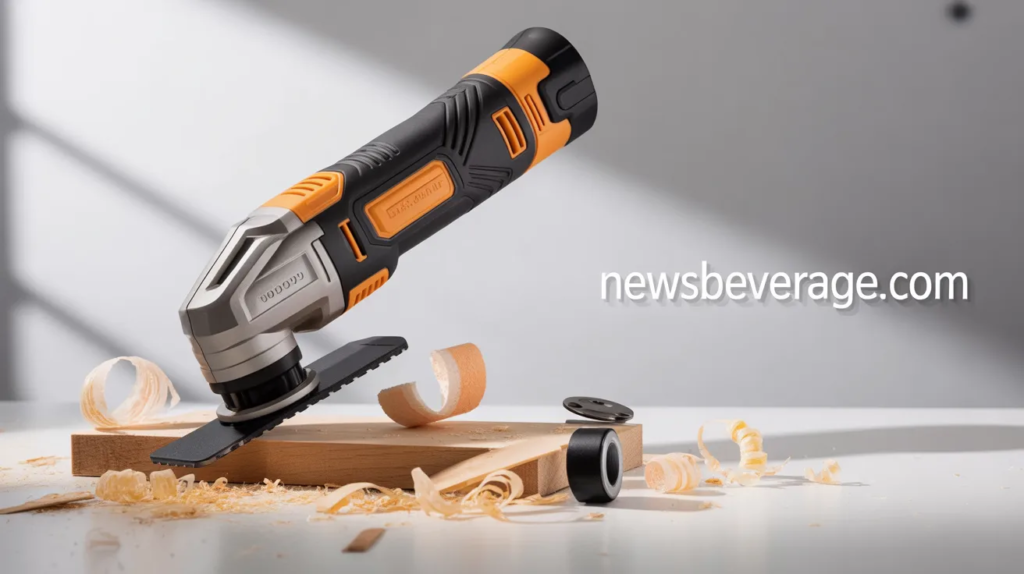
The versatility of an oscillating tool is genuinely impressive. Here are the most common applications:
Cutting
- Flush cutting: Trim door jambs, baseboards, or dowels perfectly flush with surfaces
- Plunge cutting: Cut openings in drywall, flooring, or cabinetry without a pilot hole
- Metal cutting: Slice through nails, screws, pipes, and sheet metal
- Wood cutting: Make precise cuts in tight spaces where saws can’t reach
The oscillating motion prevents the blade from walking or wandering. You get cleaner cuts with less effort.
Sanding
Attach triangular or detail sanders to reach corners and tight spaces. Regular orbital sanders simply can’t compete here.
I’ve used my oscillating tool to sand inside cabinet corners, around window frames, and in carved details. The results are phenomenal.
The precision lets you sand without damaging adjacent surfaces. Perfect for refinishing furniture or preparing trim for paint.
Scraping
Remove old caulk, adhesive, grout, paint, or tile with specialized scraper blades. The oscillating action breaks material bonds without damaging underlying surfaces.
This is where the tool truly shines. Tasks that used to take hours with hand scrapers now take minutes.
Grout removal between tiles becomes almost enjoyable. Almost.
Grinding and Polishing
Carbide-grit attachments let you grind mortar, thin-set, or rough edges. You can also polish metal surfaces or remove rust.
The controlled motion prevents gouging while still removing material efficiently.
Choosing Your First Oscillating Tool
With dozens of models available, selection can feel overwhelming. Here’s how to narrow it down:
Determine Your Primary Use
Are you tackling occasional home repairs or daily professional work? Your answer shapes everything.
DIY users can succeed with mid-range models between $80-$150. These offer adequate power and features for periodic use.
Professional contractors should invest $200-$300 in premium tools. Higher build quality, better warranties, and consistent performance justify the cost.
Consider Power Needs
Check the amperage on corded models. Higher amps generally mean more power. Look for at least 2.5 amps for general use, and 3+ amps for heavy-duty work.
For cordless tools, voltage matters. 12V tools work for light tasks. 18V or 20V tools deliver professional-level performance.
Battery amp-hours (Ah) determine runtime. A 2.0Ah battery might last 20-30 minutes of continuous use. A 5.0Ah battery can run 45-60 minutes or more.
Evaluate Ergonomics
You’ll be holding this tool for extended periods. Comfort isn’t luxury—it’s necessity.
Visit a store and actually hold different models. Check the grip, balance, and weight. Some tools feature rubberized grips or ergonomic designs that reduce fatigue.
Top-mounted vs. barrel-grip designs suit different users. Try both styles to see what feels natural.
Read Real Reviews
Skip the manufacturer hype and find honest user reviews. Look for patterns in feedback about durability, battery life, and actual performance.
Pay attention to comments about vibration levels. Excessive vibration causes hand fatigue and reduces precision.
Factor in Accessory Costs
The tool itself is just the beginning. Blades and accessories add up quickly.
Universal attachment systems save money long-term. Proprietary systems lock you into potentially expensive manufacturer accessories.
Some brands bundle starter accessory kits. These offer great value and let you explore different applications immediately.
Top Brands Worth Considering
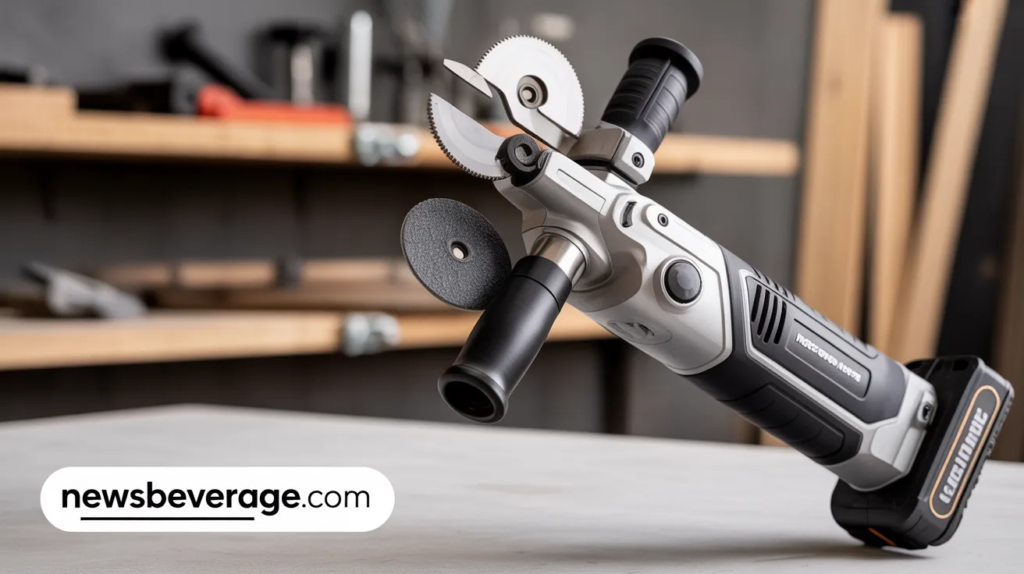
Several manufacturers dominate the oscillating tool market. Here’s what they bring to the table:
DeWalt builds rugged tools favored by professionals. Their models feature excellent power and durability.
Bosch pioneered the modern oscillating tool. They offer innovative features and extensive accessory lines.
Milwaukee produces high-performance cordless models. Their M18 platform integrates with dozens of other tools.
Makita delivers reliable tools with competitive pricing. Great battery runtime and comfortable designs.
Ryobi targets budget-conscious buyers. Solid performance for DIY users without breaking the bank.
Ridgid offers lifetime warranties on many models. Excellent value for homeowners planning long-term ownership.
Essential Accessories and Blades
Your oscillating tool is only as good as its attachments. Here are the must-haves:
Cutting Blades
- Wood blades: Japanese-tooth or standard-tooth designs for different applications
- Metal blades: Bi-metal construction handles nails, pipes, and screws
- Flush-cut blades: Flexible design bends to follow surfaces perfectly
- Plunge-cut blades: Pointed tips start cuts without pre-drilling
Buy quality blades from reputable brands. Cheap blades dull quickly and deliver poor results.
Sanding Pads
Triangular, finger, and detail pads reach different areas. Hook-and-loop systems make sandpaper changes quick and easy.
Stock various grits from 60 to 220. Coarse grits remove material fast. Fine grits create smooth finishes.
Scraping Tools
Rigid scrapers handle tough adhesives and thick paint. Flexible scrapers adapt to curved surfaces.
Grout removal blades feature carbide grit that outlasts standard scrapers by orders of magnitude.
Specialty Attachments
Segment blades cut tile and masonry. Diamond-grit blades tackle stone and concrete. Rasps shape wood quickly.
Build your collection gradually based on actual needs. Don’t buy attachments you’ll never use.
Safety Tips You Need to Know
Power tools demand respect. Follow these guidelines to stay safe:
Always wear safety glasses. Flying debris can cause serious eye injuries. This isn’t optional.
Use dust masks when sanding or cutting. Inhaling fine particles damages your lungs over time. A simple N95 mask provides good protection.
Secure your workpiece. Material movement causes accidents and ruins results. Use clamps whenever possible.
Check for hidden hazards. Electrical wires, plumbing, and structural elements hide behind walls and floors. Use a stud finder with wire detection before cutting into any surface.
Let blades stop completely. Never set down a tool while the blade is still moving. Wait for complete stops before placing it on any surface.
Disconnect power when changing blades. Remove batteries or unplug corded models. It takes two seconds and prevents serious injuries.
Don’t force the tool. If you’re pushing hard, something’s wrong. Either your blade is dull or you’re using the wrong attachment for the job.
Maintain proper posture. Awkward positions cause fatigue and increase accident risk. Position yourself comfortably before starting.
Maintenance and Care
Proper maintenance extends tool life and ensures consistent performance:
Clean after every use. Dust and debris accumulate quickly. A quick wipe-down prevents buildup.
Inspect blades regularly. Dull or damaged blades work poorly and strain the motor. Replace them at the first sign of wear.
Lubricate moving parts. Apply a drop of machine oil to the blade-mounting mechanism periodically.
Store batteries properly. Don’t leave them fully discharged or in extreme temperatures. Charge them to about 50% for long-term storage.
Check for loose screws. Vibration can work fasteners loose over time. Tighten them as needed.
Keep vents clear. Blocked air vents cause overheating. Brush them out occasionally.
Common Mistakes to Avoid
Learn from others’ errors:
Using the wrong blade. Each attachment has specific purposes. Metal blades on wood waste money. Wood blades on metal destroy blades and deliver terrible results.
Running at incorrect speeds. Too fast melts plastic and burns wood. Too slow creates rough cuts and excessive wear.
Neglecting blade changes. Dull blades require more pressure, which reduces control and causes motor strain.
Skipping ear protection. These tools aren’t deafeningly loud, but extended use still damages hearing. Simple foam earplugs help.
Buying cheap accessories. That bargain blade pack might seem appealing, but quality accessories perform better and last longer.
Making the Most of Your Investment
An oscillating tool pays for itself quickly when you use it effectively:
Keep it accessible. Tools buried in storage don’t get used. Mount it on your workshop wall or keep it in an easy-reach spot.
Experiment with different attachments. Many users stick with one or two blades and never explore the tool’s full potential.
Watch tutorial videos. YouTube offers thousands of technique demonstrations. Five minutes of learning can save hours of frustration.
Join online communities. Forums and social media groups share tips, troubleshooting advice, and project ideas.
Conclusion
The oscillating tool might not be the flashiest item in your workshop, but it’s definitely one of the most useful. Its versatility, precision, and ease of use make it invaluable for countless projects.
Whether you’re renovating your kitchen, maintaining your home, or tackling professional jobs, this tool delivers results that other equipment simply can’t match. The initial investment pays dividends every time you reach for it instead of juggling multiple specialized tools.
Start with a quality mid-range model and essential accessories. As you discover new applications, expand your collection of attachments.
What project will you tackle first with your oscillating tool? Drop a comment below and share your plans. And if you found this guide helpful, share it with fellow DIY enthusiasts who might be considering this game-changing tool.
Frequently Asked Questions
Q: What’s the difference between an oscillating tool and a rotary tool?
A: An oscillating tool moves back and forth in a small arc, while a rotary tool spins continuously. Oscillating tools offer more control and work better for cutting and scraping. Rotary tools excel at detailed grinding and engraving work.
Q: Can an oscillating tool cut through metal?
A: Yes, with the right bi-metal blade, an oscillating tool cuts through nails, screws, pipes, and thin metal sheets effectively. It won’t replace a metal saw for thick stock, but it handles most common metal-cutting tasks.
Q: How long do oscillating tool blades last?
A: Blade life varies dramatically based on quality and application. A quality wood-cutting blade might last through several projects. Metal-cutting blades dull faster. Expect to replace blades every few hours of heavy use.
Q: Are cordless oscillating tools powerful enough for professional use?
A: Modern 18V-20V cordless oscillating tools deliver professional-level performance. They match or exceed corded models in most applications. Battery technology has improved dramatically in recent years.
Q: Can I use any brand’s attachments on my oscillating tool?
A: Many tools use universal attachment systems that accept most major brands. However, some manufacturers use proprietary systems. Check your tool’s specifications and look for “universal” or “StarlockPlus” compatibility.
Q: What’s a fair price for a good oscillating tool?
A: DIY users should expect to spend $80-$150 for a reliable tool. Professional-grade models cost $200-$300. Budget options under $60 exist but often lack power and durability.
Q: Do oscillating tools work for tile removal?
A: Absolutely. With a grout removal blade, they excel at removing grout between tiles. For removing tiles themselves, use a rigid scraper attachment. This combination makes tile removal much easier than traditional methods.
Q: How loud are oscillating tools?
A: Most operate around 80-90 decibels, similar to a vacuum cleaner. They’re not the loudest power tools, but you should still wear hearing protection during extended use.
Q: Can beginners use oscillating tools safely?
A: Yes. Oscillating tools are among the safer power tools due to their controlled motion and minimal kickback. Following basic safety guidelines makes them very beginner-friendly.
Q: What’s the most useful attachment to start with?
A: A flush-cut blade for wood and a rigid scraper are the most versatile starting attachments. These two handle the majority of common projects and let you explore the tool’s capabilities before investing in specialized accessories.
Also Read : Coffin French Tip Nails