Prune Juice: Amazing Benefits & Shocking Side Effects Revealed 2026
Introduction
You’ve probably heard jokes about prune juice and bathroom trips. Maybe you’ve seen it sitting on grocery store shelves and wondered who actually drinks it. Perhaps your grandmother swore by it for staying regular. Whatever brought you here, you’re about to discover that prune juice deserves far more respect than its old-fashioned reputation suggests.
This humble beverage packs an incredible nutritional punch. It’s loaded with vitamins, minerals, and natural compounds that support your health in surprising ways. Beyond its famous digestive benefits, prune juice affects your bones, heart, and energy levels. Some benefits might actually shock you.
In this comprehensive guide, we’ll explore everything you need to know about prune juice. You’ll learn about its impressive nutritional profile and science-backed health benefits. We’ll cover proper serving sizes, potential side effects, and how to incorporate it into your daily routine. By the end, you’ll understand why this underrated drink might deserve a place in your kitchen.
What Exactly Is Prune Juice?
Prune juice comes from dried plums, which we commonly call prunes. Fresh plums are harvested, then dried to concentrate their natural sugars and nutrients. These dried plums are then juiced to create the thick, sweet beverage you find in stores.
The juice retains most of the beneficial compounds found in whole prunes. The drying and juicing process concentrates certain nutrients while removing most of the fiber. This makes prune juice easier to digest for some people, though you sacrifice some benefits of whole fruit.
Most commercial prune juice contains just one ingredient: prunes. Some brands add water to adjust consistency. Others include vitamin C for preservation. Always check labels to ensure you’re getting pure juice without added sugars or artificial ingredients.
The taste is distinctly sweet with earthy undertones. Some people love it immediately. Others need time to acquire the taste. The texture is thicker and richer than most fruit juices, which comes from its high natural sugar content and concentrated fruit solids.
Impressive Nutritional Profile of Prune Juice
Vitamins and Minerals
Prune juice delivers an impressive array of essential nutrients. A single cup provides about 182 calories, which comes primarily from natural fruit sugars. You’ll get 2 grams of protein and virtually no fat, making it a low-fat nutrient source.
The vitamin content is particularly noteworthy. One cup provides significant amounts of vitamin K, essential for blood clotting and bone health. You’ll also get B vitamins including niacin, riboflavin, and vitamin B6. These vitamins support energy metabolism and nervous system function.
The mineral content stands out too. Prune juice contains substantial potassium, which regulates blood pressure and heart function. Iron supports oxygen transport in your blood. Magnesium aids hundreds of enzymatic reactions in your body. You’ll also find calcium, phosphorus, and manganese.
Prune juice provides about 3 grams of fiber per cup. This is significantly less than whole prunes, which contain about 12 grams per cup. However, the fiber present is mostly soluble fiber, which dissolves in water and creates beneficial effects in your digestive system.
Natural Compounds and Antioxidants

Beyond basic vitamins and minerals, prune juice contains powerful bioactive compounds. Phenolic compounds act as antioxidants, protecting your cells from oxidative damage. These include chlorogenic acid and neochlorogenic acid, which have demonstrated health benefits in research studies.
Prune juice contains sorbitol, a natural sugar alcohol that draws water into your intestines. This compound contributes significantly to prune juice’s laxative effect. The sorbitol content varies but typically ranges from 6 to 15 grams per cup.
Hydroxycinnamic acids in prune juice support your body’s antioxidant defenses. These compounds help neutralize free radicals that damage cells and contribute to aging. Regular consumption of foods high in these compounds is associated with reduced disease risk.
The dark color of prune juice indicates high anthocyanin content. These pigments belong to the flavonoid family and provide numerous health benefits. They support cardiovascular health, cognitive function, and may have anti-inflammatory properties.
Remarkable Health Benefits of Prune Juice
Digestive Health and Constipation Relief
This is what prune juice is famous for, and the reputation is well deserved. Prune juice works as a natural laxative through multiple mechanisms. The high sorbitol content draws water into your intestines, softening stool and promoting movement. Dietary fiber adds bulk and stimulates intestinal contractions.
Studies confirm prune juice’s effectiveness for constipation. Research published in Alimentary Pharmacology & Therapeutics found that prunes were more effective than psyllium for treating constipation. Participants consuming prunes experienced more frequent, softer bowel movements with less straining.
You don’t need massive amounts for digestive benefits. Most people find relief with 4 to 8 ounces daily. Some need as little as 2 ounces. Start with a small amount and adjust based on your response. Effects typically occur within a few hours to a day.
Prune juice works gently compared to harsh chemical laxatives. It doesn’t cause dependency or damage your intestinal function over time. This makes it suitable for regular use when you need consistent digestive support.
Bone Health Support
This benefit surprises most people, but research strongly supports prune juice’s positive effects on bones. Studies show that regular prune consumption helps prevent bone loss and may even reverse some bone density decline. The mechanism involves multiple nutrients working together.
Vitamin K in prune juice is essential for bone metabolism. It activates proteins that bind calcium to bone tissue. Adequate vitamin K intake is associated with better bone density and reduced fracture risk. One cup of prune juice provides a significant portion of your daily vitamin K needs.
Boron, a trace mineral in prune juice, supports bone health by affecting how your body uses calcium and magnesium. Prunes are one of the richest dietary sources of boron. Research suggests boron supplementation can reduce calcium loss and support bone formation.
A study published in Osteoporosis International found that postmenopausal women who ate prunes daily maintained better bone density than control groups. The protective effect was particularly notable in spine and hip bones, which are most vulnerable to osteoporosis.
Heart Health and Blood Pressure
Your cardiovascular system benefits significantly from regular prune juice consumption. The high potassium content helps regulate blood pressure by counteracting sodium’s effects. Potassium relaxes blood vessel walls, allowing blood to flow more easily and reducing strain on your heart.
Antioxidants in prune juice protect your blood vessels from oxidative damage. This damage contributes to atherosclerosis, where plaque builds up inside arteries. By reducing oxidative stress, prune juice helps maintain flexible, healthy blood vessels.
Research indicates that prune consumption can lower LDL cholesterol, the type associated with heart disease risk. A study in the Journal of Nutritional Science found that participants who ate prunes daily experienced modest but significant reductions in total and LDL cholesterol levels.
The anti-inflammatory compounds in prune juice also support heart health. Chronic inflammation plays a role in cardiovascular disease development. Regular consumption of anti-inflammatory foods like prune juice may help reduce this risk over time.
Blood Sugar Regulation
This might seem contradictory given prune juice’s high sugar content, but research shows interesting effects on blood sugar. Prune juice has a low to moderate glycemic index despite its sweetness. This means it doesn’t cause rapid blood sugar spikes like refined sugars do.
The fiber and sorbitol in prune juice slow sugar absorption. This creates a more gradual rise in blood glucose levels. The phenolic compounds may also improve insulin sensitivity, helping your cells respond better to insulin signals.
A study published in Nutrition Research found that consuming prunes or prune juice with meals reduced post-meal blood sugar spikes. Participants experienced lower glucose and insulin levels compared to control groups eating similar amounts of other carbohydrates.
However, moderation remains crucial, especially for diabetics. The natural sugars still affect blood glucose. People with diabetes should monitor their response carefully and consult healthcare providers about appropriate serving sizes.
Energy and Iron Absorption
Feeling tired and sluggish? Prune juice might help. The iron content supports hemoglobin production, which carries oxygen throughout your body. Adequate iron levels prevent fatigue associated with anemia. Just one cup provides about 10% of your daily iron needs.
The vitamin C naturally present in prune juice enhances iron absorption. Vitamin C converts iron into a form your body absorbs more easily. This combination makes prune juice particularly effective for supporting healthy iron levels.
B vitamins in prune juice support energy metabolism at the cellular level. They help convert food into usable energy. Deficiencies in B vitamins often manifest as fatigue, so regular intake supports consistent energy levels throughout your day.
The natural sugars provide quick energy when you need it. Unlike refined sugars that cause energy crashes, the sugars in prune juice come packaged with nutrients and fiber that create more stable energy release.
How Much Prune Juice Should You Drink?
Recommended Daily Amounts
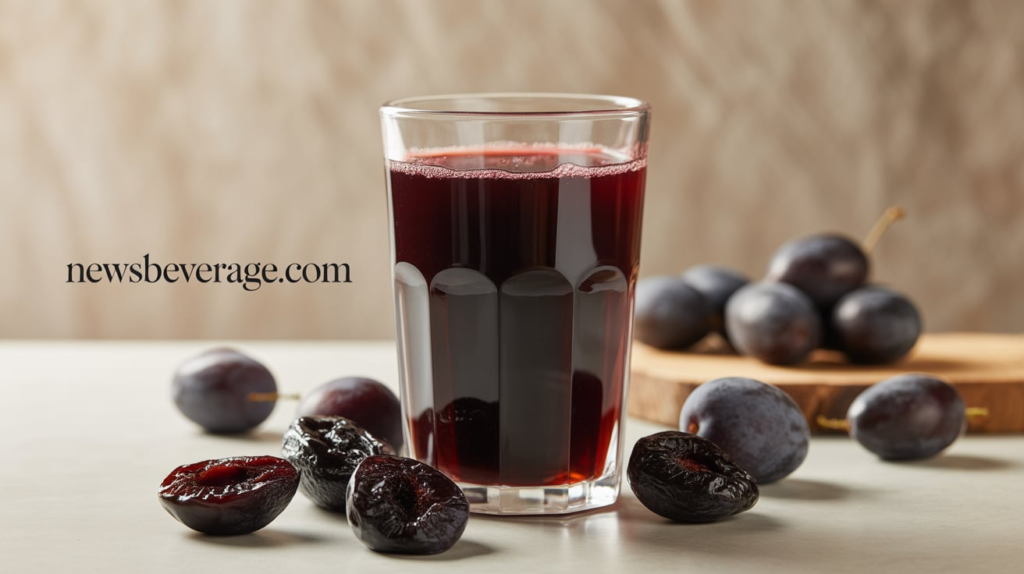
Standard recommendations suggest 4 to 8 ounces daily for general health benefits. This amount provides nutritional benefits without overwhelming your digestive system. You can drink it all at once or split it into smaller servings throughout the day.
For constipation relief, start with 4 ounces in the morning on an empty stomach. This timing maximizes the digestive benefits. If you don’t see results within 24 hours, you can increase to 8 ounces daily. Some people need up to 12 ounces, but start conservatively.
Children require smaller amounts based on age and size. Toddlers can typically handle 2 to 4 ounces daily. School-age children can have 4 to 6 ounces. Always introduce new foods gradually to children and watch for adverse reactions.
Listen to your body’s response. Some people are very sensitive to prune juice’s laxative effects. Others need more to notice benefits. There’s no universal perfect amount. Find what works for your individual digestive system and health needs.
Best Times to Drink Prune Juice
Morning consumption works best for most people. Drinking prune juice on an empty stomach maximizes its digestive effects. The natural sugars provide energy to start your day. The laxative effect typically occurs within a few hours, allowing you to stay near a bathroom when needed.
Some people prefer splitting their daily serving between morning and evening. This approach provides more sustained benefits throughout the day. It also reduces the intensity of the laxative effect, which some people find more comfortable.
Avoid drinking large amounts right before bed. The laxative effect might disrupt your sleep. If you drink prune juice in the evening, do so at least two hours before bedtime to allow time for digestion.
You can drink prune juice with meals or between them. Some research suggests consuming it with meals may help moderate blood sugar response. However, drinking it alone on an empty stomach maximizes digestive benefits. Choose timing based on your primary health goals.
Potential Side Effects and Cautions
Digestive Discomfort
The most common side effect is the very thing that makes prune juice beneficial: its laxative effect. Drinking too much causes diarrhea, cramping, and abdominal discomfort. These effects result from excessive sorbitol and fiber overwhelming your digestive system.
Gas and bloating can occur, especially when you first start drinking prune juice. Your gut bacteria ferment the fiber and sorbitol, producing gas as a byproduct. This typically improves as your digestive system adjusts. Starting with small amounts and increasing gradually minimizes this issue.
Some people experience nausea, particularly when drinking prune juice on an empty stomach. The concentrated sweetness and thick texture can be overwhelming. Diluting prune juice with water or mixing it with other juices sometimes helps reduce nausea.
If you have irritable bowel syndrome or other digestive conditions, prune juice might trigger symptoms. The high FODMAP content can worsen symptoms in people sensitive to fermentable carbohydrates. Consult your doctor before adding prune juice to your diet if you have digestive disorders.
Blood Sugar Concerns
Despite the moderate glycemic index, prune juice contains significant natural sugars. One cup provides about 42 grams of sugar. People with diabetes need to account for this in their daily carbohydrate intake. Uncontrolled consumption can lead to blood sugar spikes.
Monitor your blood glucose response if you have diabetes or prediabetes. Test before and after drinking prune juice to understand how your body responds. You may need to adjust medication or insulin doses. Never make these adjustments without consulting your healthcare provider.
Weight management can be challenging with regular prune juice consumption. The calories add up quickly if you drink large amounts. Those trying to lose weight should factor prune juice calories into their daily targets. It’s a nutritious choice but not calorie-free.
Medication Interactions
Prune juice’s high vitamin K content can interfere with blood-thinning medications like warfarin. Vitamin K promotes blood clotting, counteracting these medications’ effects. If you take blood thinners, maintain consistent vitamin K intake or avoid prune juice without medical guidance.
The laxative effect might reduce medication absorption. If medications move through your intestines too quickly, your body can’t fully absorb them. Take medications at least two hours before or after drinking prune juice to minimize this interaction.
Prune juice may interact with certain diuretics and blood pressure medications. The high potassium content combined with these medications could lead to hyperkalemia, dangerously high blood potassium levels. Discuss prune juice consumption with your doctor if you take these medications.
Choosing and Storing Prune Juice
Reading Labels and Selecting Quality
Look for 100% prune juice without added sugars. Some brands dilute their juice with water or sweeten it with corn syrup. Check the ingredient list carefully. The only ingredients should be prunes and possibly water or added vitamin C for preservation.
Organic options are available if you prefer to avoid pesticide residues. Prunes are not typically heavily sprayed, so organic may not be essential. However, organic certification ensures no synthetic pesticides were used during growing.
Some brands offer prune juice blends mixed with apple or grape juice. These can taste more palatable if you find pure prune juice too strong. However, blends dilute the beneficial compounds. You’ll need to drink more to get equivalent benefits.
Glass bottles preserve flavor better than plastic. Prune juice in glass tends to maintain its quality longer. However, plastic bottles are more convenient and less breakable. Choose based on your priorities and how quickly you’ll consume the juice.
Proper Storage Methods
Unopened prune juice can sit in your pantry for months. Store it in a cool, dark place away from direct sunlight and heat sources. Check the expiration date and use before it passes for best quality and safety.
After opening, refrigerate prune juice immediately. Most brands recommend consuming within 7 to 10 days once opened. The juice is pasteurized but can still spoil once exposed to air. Write the opening date on the bottle to track freshness.
Watch for signs of spoilage including off smells, mold, or fermentation bubbles. Fresh prune juice should smell sweet and fruity. Any sour or alcoholic smell indicates spoilage. When in doubt, throw it out.
Freezing prune juice extends its shelf life significantly. Pour it into ice cube trays or freezer-safe containers. Frozen prune juice maintains quality for several months. Thaw in the refrigerator overnight before using.
Creative Ways to Enjoy Prune Juice
Mixing and Blending Ideas
If you find pure prune juice too intense, try mixing it with other juices. Apple juice blends particularly well and adds complementary sweetness. Orange juice adds vitamin C and creates a tangy flavor profile. Experiment with ratios until you find your perfect blend.
Smoothies are an excellent way to incorporate prune juice. Blend it with bananas, berries, and yogurt for a nutritious breakfast. The other ingredients mask the prune flavor while you still get the benefits. Add spinach or kale for extra nutrients.
Mix prune juice into oatmeal or overnight oats instead of water or milk. This adds natural sweetness and beneficial compounds to your breakfast. The fiber in oatmeal complements prune juice’s digestive benefits for powerful results.
Create a simple digestive tonic by mixing prune juice with warm water and lemon. This gentle drink is soothing and effective for morning digestive support. Some people add a pinch of ginger for additional anti-inflammatory benefits.
Cooking and Baking Applications
Prune juice works beautifully in marinades for meat. The natural sugars caramelize during cooking, creating a delicious glaze. The acidity helps tenderize tougher cuts. Try it in marinades for pork, chicken, or beef.
Bakers use prune juice as a fat substitute in some recipes. It adds moisture and sweetness while reducing calories from butter or oil. This works particularly well in muffins, quick breads, and some cakes. Replace half the fat with prune juice for best results.
Add prune juice to braised dishes for depth and sweetness. It complements beef stews and pot roasts beautifully. The sugars concentrate during long cooking, creating rich, complex flavors. Start with small amounts and adjust to taste.
Reduce prune juice on the stovetop to create a syrup. This concentrated version drizzles beautifully over pancakes, waffles, or yogurt. Simmer until it reaches your desired thickness. It keeps refrigerated for several weeks.
Prune Juice Versus Whole Prunes
Comparing Nutritional Benefits
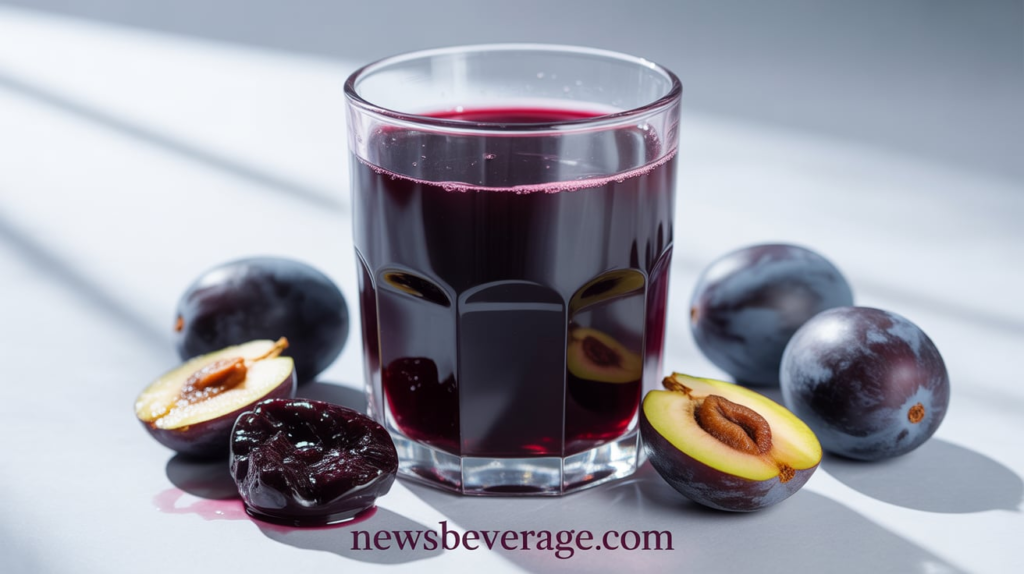
Whole prunes contain significantly more fiber than juice. A serving of whole prunes provides about 12 grams of fiber compared to 3 grams in juice. This extra fiber enhances digestive benefits and promotes fuller feelings of satiety.
The chewing process for whole prunes slows consumption and increases satisfaction. Drinking juice allows you to consume more calories quickly. Whole fruit generally promotes better portion control and weight management.
However, prune juice is more easily digested by some people. Those with sensitive digestive systems might tolerate juice better than whole fruit. The liquid form is also convenient for people with swallowing difficulties.
Nutrient absorption may differ slightly between forms. Some compounds in juice are more readily absorbed because the juicing process breaks down cell walls. Other nutrients are better preserved in whole fruit. Both forms offer valuable nutrition.
Which Form Is Right for You?
Choose whole prunes if your primary goal is maximizing fiber intake. The extra fiber provides superior digestive benefits and better satiety. Whole prunes also require less storage space and don’t need refrigeration after opening.
Opt for prune juice if you need quick, convenient digestive support. It works faster than whole prunes for many people. The liquid form mixes easily into smoothies and recipes. It’s also ideal for people who dislike the texture of dried fruit.
Consider your calorie needs too. Whole prunes are more filling with fewer calories per serving. Juice concentrates calories, making it easier to overconsume. This matters for weight management goals.
You can also combine both forms. Eat whole prunes as snacks and drink juice when you need quick digestive support. This approach maximizes benefits from both forms. There’s no need to choose one exclusively.
Prune Juice for Specific Health Conditions
Pregnancy and Postpartum
Constipation affects many pregnant women due to hormonal changes and prenatal vitamins. Prune juice offers a safe, natural remedy. It provides iron and other nutrients needed during pregnancy while addressing digestive discomfort.
Most doctors consider prune juice safe during pregnancy in moderate amounts. However, always consult your healthcare provider before adding anything new to your diet. Some women are more sensitive to its laxative effects during pregnancy.
Postpartum constipation is common, especially after vaginal delivery or C-section. Prune juice can help restore regular bowel movements gently. This is particularly important if you have hemorrhoids or healing surgical incisions that make straining painful.
Breastfeeding mothers sometimes worry about effects on their babies. Small amounts of prune juice rarely cause issues in nursing infants. However, excessive consumption might lead to loose stools in some babies. Monitor your baby’s response if you drink prune juice regularly.
Senior Health
Older adults frequently struggle with constipation due to medications, reduced activity, and changes in digestive function. Prune juice addresses this common concern naturally. It’s gentle and doesn’t cause the harsh effects of stimulant laxatives.
The bone health benefits are particularly important for seniors, especially postmenopausal women at risk for osteoporosis. Regular prune juice consumption may help maintain bone density and reduce fracture risk. This benefit combined with digestive support makes it especially valuable.
Potassium content supports heart health and blood pressure control, concerns that increase with age. Many seniors don’t get adequate potassium from their diets. Prune juice provides an easy way to boost intake.
However, seniors taking multiple medications should check for interactions. The high potassium might interact with certain heart and blood pressure medications. Always discuss dietary changes with healthcare providers, especially when taking prescription medications.
Common Myths and Misconceptions
It’s Only for Old People
This outdated stereotype prevents many people from trying prune juice. While seniors do benefit greatly, people of all ages can enjoy its nutritional advantages. Young adults need bone support too. Athletes benefit from the natural energy and electrolytes.
The association with aging comes from constipation being more common in older adults. This created a marketing association that persists today. Modern research reveals benefits extending far beyond digestive health that apply to everyone.
It Tastes Terrible
Taste is subjective, but many people actually enjoy prune juice. The natural sweetness appeals to those who like rich, fruit-forward flavors. If you haven’t tried it recently, give it another chance. Your palate may have changed since childhood.
Quality matters significantly. Premium brands taste noticeably better than cheap versions. Trying different brands might change your opinion completely. Organic varieties often have superior flavor profiles.
Mixing prune juice with other flavors makes it more palatable without sacrificing benefits. You don’t have to drink it straight. Creative blending opens up possibilities that make it enjoyable for most people.
Conclusion
Prune juice offers far more than its reputation suggests. Beyond being nature’s gentle laxative, it supports bone health, cardiovascular function, and energy levels. The impressive nutritional profile delivers essential vitamins, minerals, and powerful antioxidants in every glass.
Starting with small amounts and adjusting based on your body’s response ensures you get benefits without uncomfortable side effects. Whether you drink it straight, blend it into smoothies, or use it in cooking, prune juice easily fits into a healthy lifestyle. The key is finding the right amount and timing that works for you.
Remember to choose quality products without added sugars. Store them properly to maintain freshness. Most importantly, listen to your body and adjust consumption accordingly. Prune juice isn’t a magic cure-all, but it’s a valuable addition to a balanced diet.
Have you tried prune juice? What benefits have you noticed? Share your experiences in the comments below. And if this guide helped you understand prune juice better, pass it along to someone who might benefit from this underrated nutritional powerhouse.
Frequently Asked Questions
How long does it take for prune juice to work for constipation?
Most people experience effects within 2 to 6 hours after drinking prune juice. Some notice results in as little as 30 minutes. The timing depends on your metabolism, how much you drink, and when you last ate. For best results, drink it on an empty stomach in the morning. If you don’t see effects within 24 hours, you may need to increase your serving size gradually.
Can you drink prune juice every day?
Yes, daily consumption is generally safe for most people in moderate amounts. Stick to 4 to 8 ounces daily to avoid excessive laxative effects. Daily use can support digestive regularity, bone health, and cardiovascular function. However, if you have diabetes or take certain medications, consult your doctor first. Monitor your body’s response and adjust amounts as needed.
Does prune juice help you lose weight?
Prune juice doesn’t directly cause weight loss, but it can support weight management efforts. The fiber promotes fullness and may reduce overall calorie intake. Improved digestion can help your body process nutrients more efficiently. However, prune juice contains significant calories and sugar. Drinking excessive amounts could hinder weight loss. Use it as part of a balanced diet rather than relying on it for weight loss.
Is prune juice good for your liver?
Research suggests prune juice may support liver health through its antioxidant content. The phenolic compounds help protect liver cells from oxidative damage. Some studies indicate prunes can reduce liver damage markers in people with fatty liver disease. However, more research is needed. Prune juice should complement, not replace, other liver-healthy habits like limiting alcohol and maintaining healthy weight.
Can diabetics drink prune juice safely?
Diabetics can drink prune juice in moderation with careful blood sugar monitoring. Despite containing natural sugars, it has a moderate glycemic index. The fiber and phenolic compounds help moderate blood sugar response. Start with small amounts like 2 to 4 ounces and test your blood glucose. Account for the carbohydrates in your meal planning. Always consult your healthcare provider before adding prune juice to your diabetic diet.
What’s better for constipation, prune juice or prunes?
Whole prunes typically work more effectively due to higher fiber content. They provide about four times the fiber of juice. However, prune juice works faster for some people and is easier to consume. Both contain sorbitol, the compound that promotes laxative effects. If you need quick relief, juice might be better. For sustained digestive health, whole prunes are superior. You can also use both.
Can children drink prune juice?
Yes, children can safely drink prune juice in age-appropriate amounts. Toddlers can have 2 to 4 ounces daily. School-age children can handle 4 to 6 ounces. It’s commonly used to treat childhood constipation. Introduce it gradually and watch for digestive upset. Dilute it with water if the taste is too strong. Always consult your pediatrician before using prune juice to treat constipation in infants under one year.
Does prune juice need to be refrigerated?
Unopened prune juice doesn’t require refrigeration and can be stored in a cool pantry. Once opened, it must be refrigerated to prevent spoilage. Most brands recommend using opened juice within 7 to 10 days. Check the label for specific storage instructions. Refrigeration preserves flavor and prevents fermentation. Always seal the container tightly after each use to maintain freshness.
Can prune juice cause diarrhea?
Yes, drinking too much prune juice causes diarrhea. The sorbitol and fiber have strong laxative effects. What’s helpful in moderation becomes problematic in excess. Diarrhea typically occurs when consuming more than 8 to 12 ounces in a short period. Start with small amounts and increase gradually. If you experience diarrhea, reduce your intake significantly or stop temporarily until symptoms resolve.
What nutrients are in prune juice?
Prune juice contains significant amounts of potassium, vitamin K, iron, and B vitamins. It provides magnesium, phosphorus, and manganese. One cup contains about 3 grams of fiber and powerful antioxidants including phenolic compounds and anthocyanins. It supplies about 180 calories per cup, primarily from natural fruit sugars. The nutrient density makes it valuable beyond just digestive benefits, supporting bones, heart, and energy levels.
Also Read : LG Refrigerator Not Cooling