The Incredible Quaker Parrot: Your Complete Guide to This Charming Bird 2026
Introduction
If you’ve ever watched a Quaker parrot strut across a perch with complete confidence, you already know there’s something special about this bird. The Quaker parrot — also called the monk parakeet — is one of the most popular pet birds in the world, and for good reason. These small, bright green parrots pack a massive personality into a tiny body. They talk, they bond, they entertain, and sometimes they drive you a little crazy (in the best way possible).
What makes the Quaker parrot stand out from other birds? It’s the combination of intelligence, affectionate nature, and surprisingly strong communication skills. Whether you’re a first-time bird owner or a seasoned parrot enthusiast, the Quaker parrot has something to offer. In this guide, you’ll find everything you need to know — from their origins and personality traits to diet, housing, training, and health. Let’s get into it.
What Exactly Is a Quaker Parrot?
The Quaker parrot (Myiopsitta monachus) is a small parrot native to South America, particularly Argentina, Bolivia, and Brazil. They’re named “Quaker” because of the distinctive quaking or bobbing motion young chicks make while begging for food. It’s adorable, honestly.
In the wild, Quaker parrots are known for building large, elaborate communal nests out of sticks. Unlike most parrots that use tree holes or burrows, Quaker parrots are the architects of the bird world. Their nests can grow massive over time, sometimes housing dozens of birds at once. This behavior speaks volumes about their social nature.
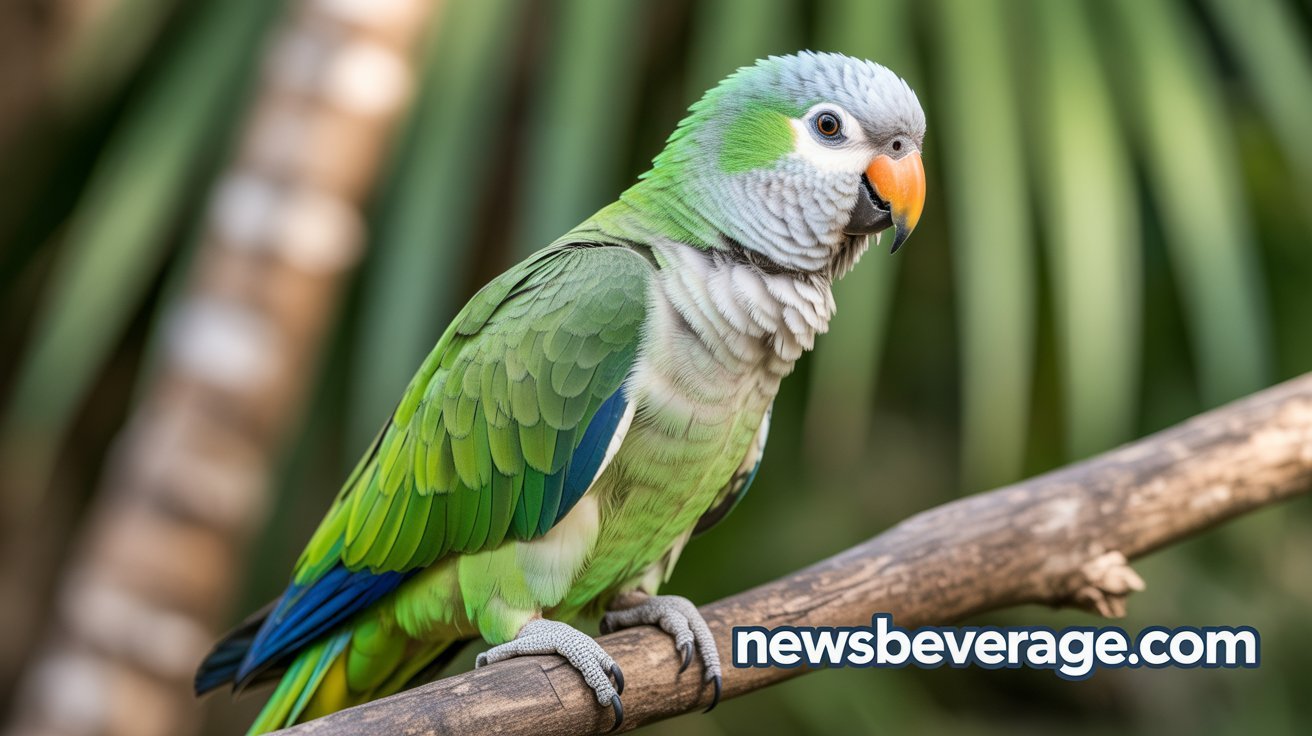
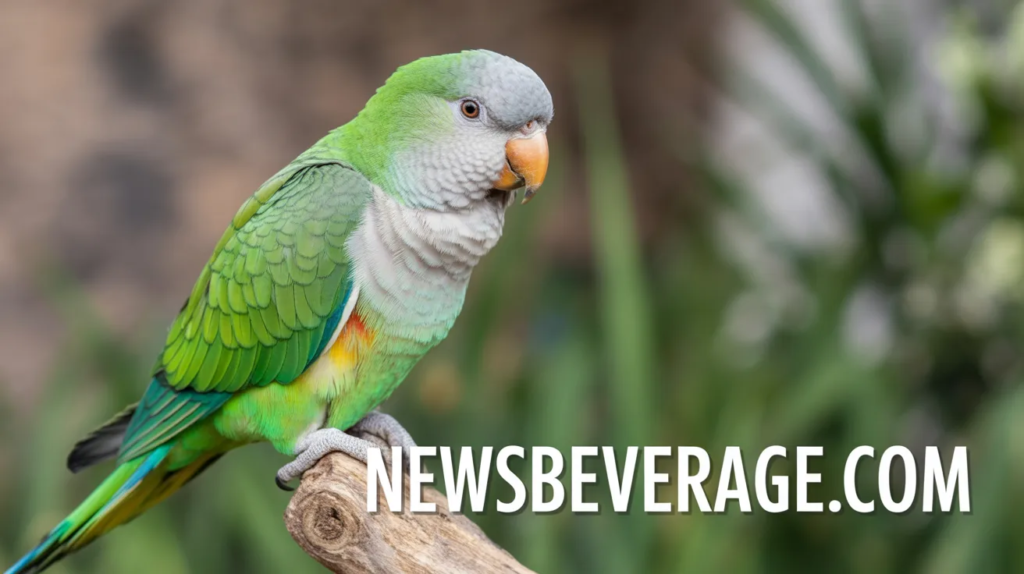
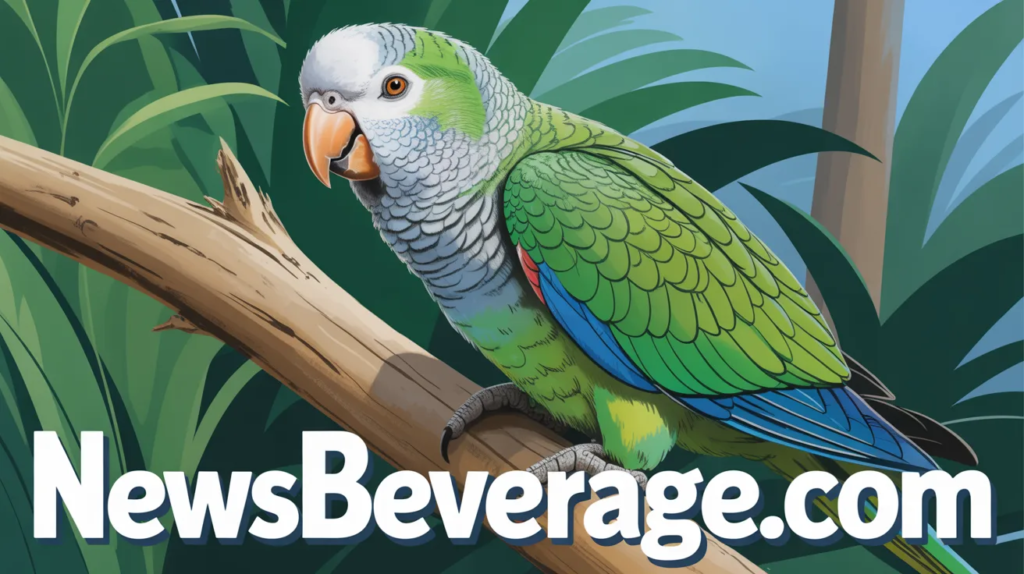
They typically measure around 11–12 inches in length and weigh between 90–150 grams. Their natural coloring is bright green with a gray chest and face — which gives them that distinguished, almost formal look. Several color mutations exist today, including blue, yellow, white, and albino varieties.
The Personality of a Quaker Parrot: What to Really Expect
Bold, Confident, and Opinionated
If there’s one thing every Quaker parrot owner will tell you, it’s this: these birds have opinions. Strong ones. Your Quaker parrot will let you know when it’s happy, when it’s annoyed, and when it absolutely does not want to go back in the cage. That last one is a personal experience I know all too well.
They’re bold and fearless in a way that surprises people. A Quaker parrot will often stand its ground even around larger birds or unfamiliar people. This confidence is one of their most endearing traits, though it can occasionally cross into stubbornness.
Deeply Bonded to Their Owners
Quaker parrots are known to form incredibly strong bonds with their humans. Once your Quaker parrot decides you’re their person, you’re going to feel it. They’ll follow your movements, call out when you leave the room, and get genuinely excited when you come back.
This level of bonding is wonderful, but it does come with responsibility. Quaker parrots can develop separation anxiety if left alone too long. If you work long hours, you’ll want to plan for enrichment toys, background noise, or even a companion bird.
Talking Ability: One of the Best in Small Parrots
One of the biggest reasons people fall in love with the Quaker parrot is their talking ability. They’re considered one of the best talking small parrots available. Some Quaker parrots develop vocabularies of over 100 words. Many can mimic sounds, phrases, and even the tone of specific voices with surprising accuracy.
Training helps, but even without formal teaching, many Quaker parrots start picking up words naturally by listening to their environment. Don’t be shocked when your bird casually drops a sentence while you’re eating breakfast.
Quaker Parrot Care: Everything You Need to Know
Choosing the Right Cage
Cage size matters more than most new bird owners realize. For a single Quaker parrot, you’ll want a cage that’s at minimum 18 x 18 x 18 inches, though bigger is always better. Bar spacing should be around ¾ inch to prevent escape or injury.
Quaker parrots love to climb, chew, and explore. Make sure the cage has:
- Multiple perches at different heights
- Plenty of toys (especially foraging and chew toys)
- Food and water dishes that are easy to access
- A secure latch (these birds are clever and escape-prone)
Where to Place the Cage
Placement matters. Your Quaker parrot is social and needs to feel like part of the household. A common living area works well. Avoid placing the cage near drafts, air vents, or the kitchen — cooking fumes and non-stick cookware can release fumes that are toxic to birds.
Natural light is beneficial, but direct sunlight for extended periods can overheat them. Aim for a spot with indirect light and a consistent room temperature between 65–80°F (18–27°C).
What Do Quaker Parrots Eat?
A Balanced Diet Is Everything
Diet is one of the most important aspects of Quaker parrot care and one of the most misunderstood. Many new owners rely too heavily on seed mixes. Seeds are fine in moderation, but a diet that’s mostly seed is like a person living on chips — not ideal.
A well-rounded Quaker parrot diet includes:
- Pellets — High-quality pellets should make up around 50–60% of their diet
- Fresh vegetables — Leafy greens, carrots, sweet peppers, broccoli
- Fresh fruits — Apples, berries, mango, and melon (in moderation due to sugar)
- Whole grains — Brown rice, quinoa, whole wheat pasta (cooked, unseasoned)
- Seeds and nuts — As treats, not as staples
Foods to Absolutely Avoid
Some foods are genuinely dangerous for Quaker parrots. Keep these away from your bird at all times:
- Avocado (toxic)
- Chocolate and cocoa
- Onion and garlic
- Caffeine (coffee, tea, soda)
- Alcohol
- Salty or heavily processed foods
- Fruit pits and apple seeds
Fresh water should always be available. Change it daily to prevent bacterial growth.
Training Your Quaker Parrot
Start Early, Stay Consistent
Quaker parrots are highly trainable, which is part of what makes them such excellent companions. The earlier you start, the better — but older birds can absolutely learn too. Patience and consistency are your best tools.
Start with basic trust-building. Spend time near the cage talking softly. Let your Quaker parrot get used to your voice and presence before you start reaching in. Forcing interaction too early can set back the bonding process significantly.
Teaching the “Step Up” Command
“Step up” is the foundational command every parrot should know. To teach it, gently press your finger against the bird’s lower chest while saying “step up” in a calm, clear tone. Most Quaker parrots catch on quickly — sometimes within a few sessions.
Use positive reinforcement. Small treats, praise, and gentle scratches go a long way. Never punish or physically force your bird to comply. That damages trust fast, and trust is the entire foundation of your relationship.
Teaching Speech and Tricks
Once your Quaker parrot is comfortable with you, teaching words is surprisingly straightforward. Repeat target words clearly and consistently throughout the day. Pairing words with actions helps — saying “hello” every time you walk in, for instance.
Tricks like spinning, waving, and fetching small objects are all within reach for a motivated Quaker parrot. Keep training sessions short — around 5–10 minutes — to hold their attention and prevent frustration.
Socialization and Mental Stimulation
Boredom Is the Enemy
A bored Quaker parrot is a destructive Quaker parrot. These birds are intelligent enough that they need regular mental engagement. Without it, they can develop problem behaviors like feather plucking, excessive screaming, or aggressive biting.
Rotate toys regularly so the cage always feels fresh. Foraging toys — where your bird has to work to get a treat — are especially effective. You can also make DIY foraging puzzles from paper cups, cardboard tubes, or small boxes.
Outside-the-Cage Time
Daily out-of-cage time is essential. Aim for at least 2–3 hours of supervised interaction outside the cage each day. This is time for your Quaker parrot to exercise, explore, and bond with you.
Bird-proof your space before letting them out. Cover windows and mirrors, remove toxic plants, and watch for small spaces they might squeeze into. Quaker parrots are fast, curious, and surprisingly good at finding trouble.
Quaker Parrot Health: Common Issues and Prevention
How Long Do Quaker Parrots Live?
With proper care, a Quaker parrot can live 20–30 years. That’s a long-term commitment, and it’s important to understand that before bringing one home. Some well-cared-for birds have reportedly lived even longer.
Common Health Problems
Quaker parrots are generally hardy, but they’re prone to a few specific issues:
- Fatty liver disease — Often caused by a high-fat, seed-heavy diet
- Psittacosis — A bacterial infection that can spread to humans
- Feather destructive behavior — Linked to stress, boredom, or nutritional deficiencies
- Proventricular Dilatation Disease (PDD) — A serious neurological and digestive disorder
- Respiratory infections — Often from drafts, poor air quality, or exposure to fumes
Regular Vet Visits
Find an avian vet — not just a general vet — before you bring your bird home. Avian vets have specialized knowledge that general practitioners often lack. Schedule a check-up shortly after adoption and at least once a year after that.
Early detection makes a huge difference with most parrot health conditions. Watch for signs like changes in droppings, decreased appetite, fluffed feathers, or unusual lethargy. Any of these warrant a vet call.
Quaker Parrot Legality: Is It Legal to Own One?
Here’s something a lot of people don’t know before buying a Quaker parrot: they’re illegal to own in several U.S. states. Because feral Quaker parrot colonies can cause agricultural damage, states like California, Georgia, Kansas, Kentucky, Hawaii, New Jersey (with restrictions), Pennsylvania, Tennessee, and Wyoming have restrictions or outright bans.
Before purchasing a Quaker parrot, check your local laws. The rules vary not just by state but sometimes by city or county. The last thing you want is to fall in love with a bird you legally can’t keep.
Quaker Parrot Colors and Mutations
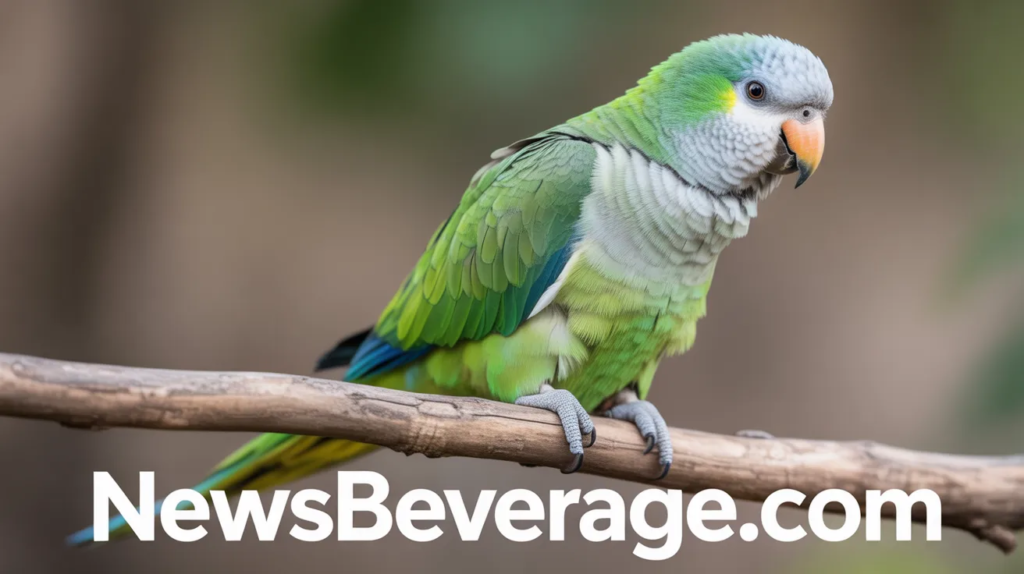
The classic Quaker parrot is bright green with a gray forehead and chest. But breeders have developed a wide range of color mutations over the years. Some of the most popular include:
- Blue Quaker parrot — One of the most popular mutations; sky blue with white or gray chest
- Albino — All white with red eyes
- Lutino — Yellow-green with red eyes
- Cinnamon — Warmer brown-green tones
- Pallid — Soft, washed-out version of the standard colors
- White — Mostly white feathering with some pale green
Color mutations don’t affect personality or care requirements. They’re purely aesthetic, though they can significantly affect price.
Buying or Adopting a Quaker Parrot
Where to Get One
You have two main options: purchase from a reputable breeder or adopt from a rescue. Both are valid, and each has pros and cons.
A reputable breeder offers hand-raised birds that are already socialized and often easier to bond with. Expect to pay between $300–$700 for a Quaker parrot from a good breeder. Be cautious of breeders who can’t show you the parents, keep birds in poor conditions, or pressure you into a quick sale.
Rescues and adoption groups are another great option. Many Quaker parrots end up in rescues because their owners underestimated the commitment involved. Adopting gives a bird a second chance and can be deeply rewarding.
What to Look for in a Healthy Bird
When choosing your Quaker parrot, look for:
- Bright, alert eyes
- Clean, smooth feathers
- Active and curious behavior
- Clear nostrils and no discharge
- A healthy weight — not too thin or too heavy
Avoid birds that appear lethargic, have ruffled feathers, or seem overly fearful without cause.
Conclusion
The Quaker parrot is one of the most rewarding birds you can bring into your life. They’re smart, affectionate, talkative, and endlessly entertaining. But they’re also demanding in the best way — they need your time, your attention, and your commitment. When you give them that, what you get back is a companion relationship unlike anything else in the pet world.
Whether you’re just starting your research or you’re already set on bringing a Quaker parrot home, I hope this guide gave you the clarity and confidence to move forward. These birds deserve excellent care, and clearly you’re already putting in the effort to learn.
Do you already own a Quaker parrot, or are you still deciding? Drop your experience or questions in the comments — I’d love to hear your story.
FAQs About Quaker Parrots
1. Are Quaker parrots good for beginners? Yes, Quaker parrots are often recommended for first-time bird owners. They’re intelligent, trainable, and affectionate. They do require daily interaction and mental stimulation, so they suit owners who can commit time each day.
2. Do Quaker parrots talk a lot? Quaker parrots are among the best-talking small parrots. Many develop large vocabularies and can mimic phrases, sounds, and specific voices. Consistent interaction and repetition speed up speech development.
3. Are Quaker parrots loud? They can be. Quaker parrots vocalize frequently and can be noisy, especially in the morning and evening. They’re not as loud as macaws or cockatoos, but apartment dwellers should consider this before adopting.
4. How long do Quaker parrots live? With proper care, Quaker parrots live 20–30 years. This makes them a long-term commitment, so it’s important to plan accordingly before bringing one home.
5. Can Quaker parrots live alone? Yes, but they need significant daily interaction from their owner. If you’re away often, consider getting two birds so they can keep each other company.
6. Why is my Quaker parrot bobbing its head? Head bobbing is normal in Quaker parrots. Chicks do it to beg for food. In adults, it can signal excitement, anticipation, or even a desire to regurgitate food as a sign of affection.
7. Are Quaker parrots illegal? In some U.S. states, yes. States including California, Georgia, and Hawaii prohibit ownership of Quaker parrots due to concerns about feral populations. Always check your local laws before purchasing.
8. Do Quaker parrots bite? They can bite, especially when stressed, frightened, or overstimulated. Proper socialization and reading your bird’s body language greatly reduces biting behavior over time.
9. What’s the difference between a Quaker parrot and a monk parakeet? They’re the same bird. “Quaker parrot” and “monk parakeet” are simply two names for Myiopsitta monachus. Both terms are used interchangeably.
10. How do I keep my Quaker parrot mentally stimulated? Rotate toys regularly, offer foraging opportunities, provide out-of-cage time daily, and engage in training sessions. Puzzle feeders, shreddable toys, and social interaction are all excellent for mental enrichment.
Also Read: Eagles vs Packers
| Author: Johan Harwen |
| E-mail: johanharwen314@gmail.com |
| Bio: Johan Harwen is a passionate tourist who has explored countless destinations across the globe. With an eye for hidden gems and local cultures, he turns every journey into an unforgettable story worth sharing. |