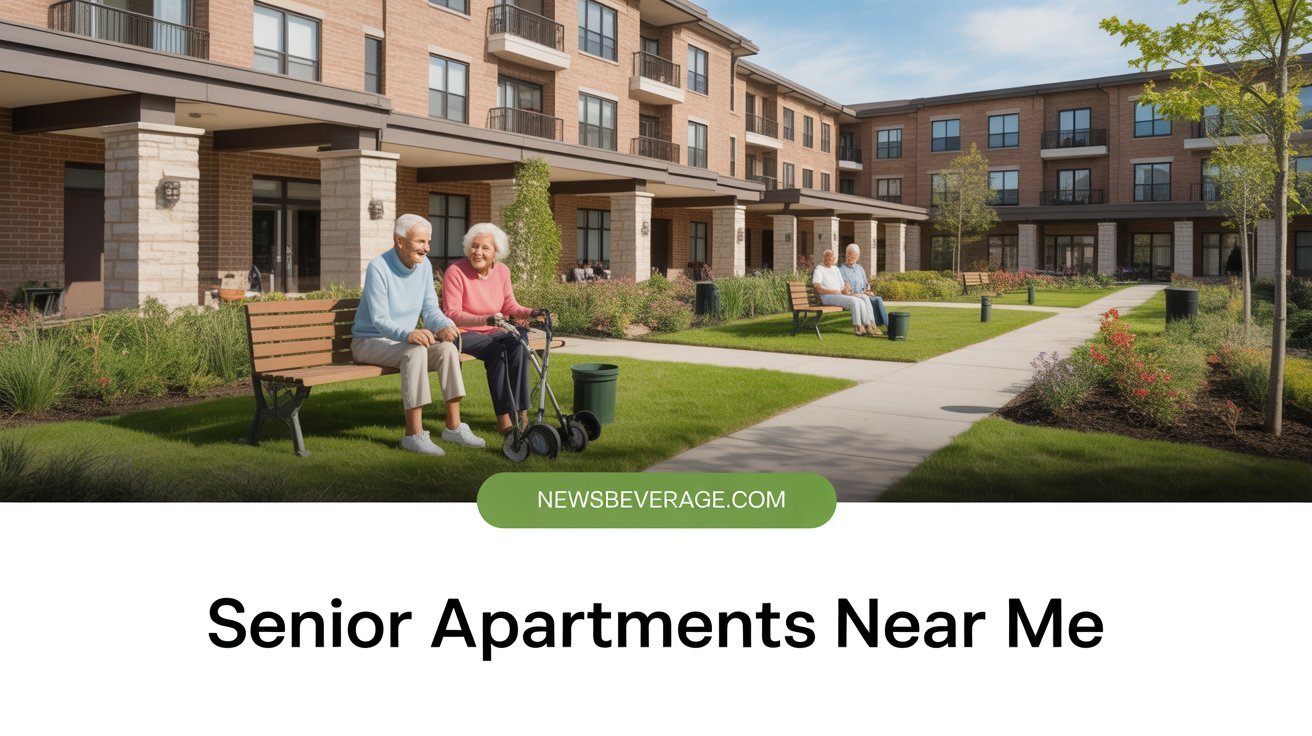
Discover Senior Apartments Near me on 2026 : Freedom, Comfort, and Community
Introduction
You’ve reached a point in life where maintaining a large home feels more like a burden than a blessing. The yard work piles up, stairs become challenging, and you’re craving a simpler lifestyle surrounded by people who understand this chapter of life. If you’ve been searching for senior apartments near me, you’re not alone. Thousands of older adults make this transition every year, seeking the perfect balance between independence and community support.
Finding the right senior apartment isn’t just about downsizing. It’s about discovering a place where you can thrive, stay active, and enjoy your retirement years without the hassles of homeownership. Whether you’re planning ahead or need to make a move soon, understanding your options makes all the difference. This guide walks you through everything you need to know about senior apartments, from types and costs to amenities and how to choose the best fit for your lifestyle.
Understanding Senior Apartments and Independent Living
Senior apartments are housing communities designed specifically for older adults, typically aged 55 and up. These aren’t nursing homes or assisted living facilities. Instead, they’re independent living spaces where you maintain your autonomy while enjoying the perks of community life.
Most senior apartments function like regular apartments with a twist. You have your own private unit with a kitchen, bathroom, and living space. The difference lies in the age-restricted nature of the community and the amenities designed with older adults in mind. Think elevators instead of stairs, grab bars in bathrooms, and wider doorways for accessibility.
The beauty of senior apartments near me is that they eliminate many daily stresses. No more worrying about lawn care, snow removal, or fixing a leaky roof. Maintenance teams handle these tasks, freeing up your time for activities you actually enjoy. Many communities also offer social programs, fitness centers, and transportation services that keep you connected and active.
Types of Senior Housing Options
When you search for senior apartments near me, you’ll encounter several housing models:
Independent Living Communities offer the most freedom. These are perfect if you’re healthy, active, and don’t need daily assistance. You live independently but enjoy community amenities and social opportunities.
55+ Apartment Complexes are age-restricted buildings where at least one resident must be 55 or older. These can range from affordable housing to luxury high-rises. The main focus is on creating an environment tailored to older adults without providing healthcare services.
Subsidized Senior Housing helps low-income seniors afford quality apartments. These HUD-funded properties offer reduced rent based on your income. The waitlists can be long, but they’re worth exploring if budget is a concern.
Luxury Senior Apartments provide upscale amenities like concierge services, gourmet dining, spa facilities, and resort-style activities. These communities come with higher price tags but offer exceptional comfort and convenience.

Key Amenities to Look for in Senior Apartments
The amenities can make or break your experience in a senior community. When touring senior apartments near me, I always recommend focusing on features that align with your lifestyle and future needs.
Essential Community Features
Maintenance-free living tops most people’s wish lists. This includes landscaping, snow removal, trash collection, and repairs. You simply call the office when something needs attention.
Transportation services become increasingly valuable as you age. Many communities offer scheduled shuttles to grocery stores, medical appointments, shopping centers, and cultural events. This service provides independence even if you eventually stop driving.
Fitness and wellness centers help you stay healthy and active. Look for communities with exercise equipment, swimming pools, yoga classes, and walking trails. Regular physical activity becomes easier when facilities are steps from your door.
Social spaces and activities combat isolation and loneliness. The best communities have active social calendars with game nights, book clubs, educational lectures, movie screenings, and group outings. These organized activities make it easy to build friendships.
In-Unit Features That Matter
Accessible design includes features like step-in showers, grab bars, lever-style door handles, and good lighting. Even if you don’t need these now, they provide peace of mind for the future.
Modern kitchens with updated appliances make cooking enjoyable. Many seniors appreciate kitchens with ample counter space, easy-to-reach cabinets, and quality appliances.
Emergency call systems offer security and quick response if you need help. These systems typically include pull cords or buttons that alert staff or emergency services.
Storage solutions help you live comfortably in a smaller space. Look for units with good closet space, built-in shelving, and possibly a storage locker.
How Much Do Senior Apartments Cost?
The cost of senior apartments near me varies dramatically based on location, amenities, and apartment size. Understanding the pricing structure helps you budget appropriately and avoid surprises.
Average Monthly Costs
Affordable senior housing ranges from $500 to $1,500 per month. These subsidized properties base rent on your income, making them accessible for seniors with limited budgets. However, waitlists often stretch for months or years in popular areas.
Mid-range independent living typically costs $1,500 to $3,500 monthly. This price usually includes your rent, utilities, maintenance, and some amenities. You’ll find comfortable apartments with good services in this range.
Luxury senior communities can run $3,500 to $6,000 or more per month. These premium properties offer extensive amenities, fine dining, housekeeping, and concierge services. The higher cost reflects resort-style living.
What’s Included in the Rent?
Most senior apartments bundle several services into the monthly fee. Common inclusions are water, trash, sewer, and basic cable. Many also cover maintenance, lawn care, and snow removal.
Some communities include one meal per day in the base rent. Others offer meal plans as optional add-ons. Understanding what’s included versus what costs extra helps you compare properties accurately.
Utilities like electricity and internet might be separate charges. Always ask for a complete breakdown of monthly costs, including any required community fees or assessments.
Additional Expenses to Consider
Beyond rent, budget for groceries, personal care items, and entertainment. If the community charges separately for activities, dining, or housekeeping, factor these into your monthly budget.
Medical expenses and insurance premiums continue regardless of where you live. Make sure your budget accommodates healthcare costs, prescriptions, and any services not covered by Medicare.
Pet fees apply if you have furry companions. Many senior apartments welcome pets but charge monthly pet rent or non-refundable deposits.
Finding Senior Apartments in Your Area
The search for senior apartments near me becomes less overwhelming when you break it down into manageable steps. Start by defining your needs and preferences before diving into listings.
Start Your Search Online
National directories like A Place for Mom, SeniorHousingNet, and Caring.com aggregate thousands of senior living options. You can filter by location, price range, and amenities to create a shortlist.
Local housing authorities maintain lists of subsidized senior housing in your area. Visit their websites or call to learn about affordable options and application processes.
Google searches for “senior apartments near me” show nearby communities with reviews, photos, and contact information. Pay attention to Google ratings and read recent reviews for honest feedback.
Work with Senior Living Advisors
Placement agencies offer free consultations to help you find suitable communities. These advisors know local options, pricing, and availability. They’re paid by communities, not you, so their services cost nothing.
Real estate agents who specialize in senior housing can guide your search. They understand the market and can negotiate lease terms on your behalf.
Tour Multiple Communities
Visit in person whenever possible. Photos don’t capture the feel of a community. Walk through the building, check out amenities, and observe how staff interact with residents.
Talk to current residents during your tour. Ask about their experiences, what they love, and any concerns. Residents provide insights you won’t get from marketing materials.
Attend a meal or activity if the community allows. This gives you a taste of daily life and helps you assess whether the atmosphere suits your personality.
Important Questions to Ask During Your Search
Coming prepared with questions ensures you gather all necessary information. Don’t feel shy about asking detailed questions. This is a major decision that deserves thorough investigation.
About the Community
How long has the community been operating? Established communities have proven track records and stable management.
What’s the staff-to-resident ratio? Adequate staffing ensures prompt maintenance, better security, and more personalized attention.
Is there a waitlist for apartments? Some popular communities have waiting periods. Knowing this upfront helps you plan your move timeline.
What happens if my health needs change? Understanding the community’s policy on aging in place or transitioning to higher levels of care is crucial.
About Costs and Contracts
What’s included in the base monthly rent? Get a detailed list to compare properties accurately.
How often do rents increase? Annual increases are common, but knowing the typical percentage helps with long-term budgeting.
What’s the lease length and what are the move-out terms? Flexible lease options provide peace of mind if circumstances change.
Are there entrance fees or community fees? Some communities charge upfront fees in addition to monthly rent.
About Daily Life
What activities and programs do you offer? Ensure the community provides activities that interest you.
Is transportation available for appointments and shopping? Reliable transportation maintains your independence.
What dining options exist? If meals are included, visit during mealtime to check quality and variety.
How do you handle maintenance requests? Quick response times to maintenance issues matter for your comfort.
Making the Transition to Senior Apartment Living
Moving to a senior apartment requires emotional and practical preparation. Approaching this transition thoughtfully makes it smoother and more positive.
Downsizing Your Belongings
Start early with sorting through your possessions. Decide what’s essential, what has sentimental value, and what you can let go. This process takes time, so don’t wait until the last minute.
Measure your new space before moving. Knowing exact dimensions helps you determine which furniture fits. Many senior apartments have smaller floor plans than single-family homes.
Involve family members in decisions about family heirlooms and keepsakes. Passing items to children or grandchildren ensures treasured belongings stay in the family.
Hire professional movers experienced with senior relocations. They understand the physical and emotional aspects of downsizing and can make the process less stressful.
Adjusting to Community Living
Give yourself time to adapt. Feeling uncertain or homesick initially is normal. Most residents report feeling settled and happy within a few months.
Attend community events even if you’re naturally introverted. These gatherings help you meet neighbors and build friendships. You don’t have to attend everything, but try various activities to find what you enjoy.
Establish new routines that incorporate community amenities. Regular visits to the fitness center, joining a weekly card game, or attending morning coffee socials create structure and connection.
Stay connected with friends and family outside the community. Your new home should enhance your life, not isolate you from existing relationships.
Benefits of Senior Apartment Living
The advantages of senior apartments extend far beyond convenient maintenance. These communities offer lifestyle improvements that enhance your retirement years.
Social Connections and Reduced Isolation
Loneliness affects many older adults, particularly after losing a spouse or when children live far away. Senior apartments naturally combat isolation by placing you among peers who share similar life experiences.
Spontaneous interactions happen daily. You might chat with neighbors in the elevator, join someone for coffee, or walk together to an activity. These casual connections blossom into meaningful friendships.
Organized social activities eliminate the challenge of planning your own entertainment. Whether you enjoy cards, crafts, exercise classes, or educational lectures, the community calendar keeps you engaged.
Safety and Security
24-hour security in many communities provides peace of mind. Controlled building access, surveillance cameras, and staff presence enhance your safety.
Emergency response systems ensure help arrives quickly if you fall or experience a medical emergency. Knowing assistance is available reduces anxiety for you and your family.
Regular wellness checks by staff help identify problems early. Some communities do daily check-ins, while others monitor residents more discreetly.
Simplified Lifestyle
No home maintenance frees up your time and energy. You’ll never shovel snow, rake leaves, fix a broken furnace, or deal with property taxes again.
Predictable monthly expenses make budgeting easier. Instead of surprise repair bills, you have one consistent payment that covers most needs.
Walkable amenities mean everything you need is nearby. The gym, dining room, social spaces, and often a small convenience store are all within the building.
Common Concerns About Senior Apartments
Hesitation about moving to a senior community is completely normal. Addressing these concerns head-on helps you make an informed decision.
Loss of Independence
Many people worry that moving to a senior apartment means giving up their independence. The reality is quite different. Independent living communities are designed to support your autonomy, not restrict it.
You maintain complete control over your daily schedule. Come and go as you please, cook your own meals, decorate your apartment, and live life on your terms. The difference is you have less responsibility for maintenance and more opportunities for social engagement.
Affordability Concerns
“Can I afford senior apartments near me?” is a common worry. While some communities are expensive, options exist for various budgets.
Subsidized housing programs help low-income seniors access quality apartments. The application process requires patience, but reduced rent makes these properties excellent values.
Consider the total cost of your current living situation. When you factor in property taxes, insurance, utilities, maintenance, lawn care, and repairs, a senior apartment might cost less than your current home.
Timing the Move
Knowing when to make the transition puzzles many seniors. Moving while you’re healthy and active is actually ideal. You’ll have energy to settle in, make friends, and establish yourself in the community.
Waiting until health problems force your hand creates additional stress. Emergency moves often result in settling for whatever’s available rather than choosing the best fit.
Conclusion
Searching for senior apartments near me opens doors to a lifestyle that combines independence with community support. The right senior apartment provides freedom from home maintenance, opportunities for social connection, and amenities that enhance your daily life. Whether you prioritize affordability, luxury, or something in between, options exist that match your needs and budget.
Take time to visit multiple communities, ask thorough questions, and envision yourself in each space. Trust your instincts about where you feel most comfortable. This decision shapes your daily experience and overall happiness, so it deserves careful consideration.
The transition to senior apartment living represents a positive step toward enjoying your retirement years fully. You’re not giving up your independence. You’re embracing a simpler, more engaging lifestyle that lets you focus on what matters most.
What features matter most to you in a senior apartment? Start your search today and discover the possibilities waiting in your area.

Frequently Asked Questions
What’s the difference between senior apartments and assisted living?
Senior apartments are for independent older adults who don’t need daily assistance with personal care. You live autonomously in your own apartment with access to community amenities. Assisted living provides help with activities like bathing, dressing, medication management, and meals for seniors who need daily support.
Can I bring my pet to a senior apartment?
Many senior apartments welcome pets, though policies vary by community. Some allow cats and dogs under certain weight limits, while others restrict pet types. Expect to pay pet deposits or monthly pet rent. Always verify the pet policy before signing a lease.
What age do you need to be to live in senior apartments?
Most senior apartments require at least one resident to be 55 or 62 years old. The specific age requirement depends on the community and whether it’s HUD-funded housing. Some communities allow younger spouses to live in the apartment even if they’re under the age threshold.
Are senior apartments only for low-income seniors?
No, senior apartments serve all income levels. Subsidized housing exists for low-income seniors, but many communities are market-rate properties where you pay full rent. Luxury senior apartments cater to affluent retirees seeking upscale amenities and services.
How do I apply for affordable senior housing?
Contact your local housing authority to find subsidized senior apartments in your area. You’ll need to complete an application, provide income verification, and possibly undergo a background check. Due to high demand, waitlists often stretch from several months to years.
Can my adult child live with me in a senior apartment?
Age-restricted senior housing typically doesn’t allow permanent residents under the age threshold. Exceptions might exist for disabled adult children or temporarily for caregivers, but this varies by property. Check specific community rules before assuming family members can live with you.
What happens if I can no longer live independently?
Policies vary by community. Some independent living apartments require residents to move if they need regular assistance with daily activities. Others have relationships with home care agencies that can provide services in your apartment. Discuss this scenario during your initial tour.
Do senior apartments have storage space?
Most senior apartments include closets and some storage space, though typically less than single-family homes. Many communities offer additional storage lockers you can rent for seasonal items, luggage, or belongings you use infrequently.
Is internet included in senior apartments?
Internet inclusion varies by community. Some include basic cable and internet in the monthly rent, while others require you to arrange and pay for these services separately. Always ask about technology amenities and associated costs during your search.
How long does it take to move into a senior apartment?
The timeline depends on apartment availability and your readiness to move. If units are available, you could move within weeks of signing a lease. For popular communities with waitlists, you might wait months. Subsidized housing typically has the longest wait times.
Also Read newsbeverage.com