Soft Locs: The Ultimate Guide to This Beautiful, Damage-Free Style 2026
Introduction
Have you ever walked past someone with the most beautiful, flowy locs and thought — what are those, and how do I get them? Chances are, you were looking at soft locs. This protective style has completely taken over the natural hair community, and for good reason. Soft locs give you the look of traditional locs without the long-term commitment, and they’re gentle enough to wear without worrying about serious damage to your natural hair.
Whether you’re a protective style veteran or someone who’s just starting to explore what works for your hair, soft locs might be exactly what you’ve been looking for. In this guide, we’re covering everything — what soft locs actually are, how they differ from other loc styles, how to install them, how to care for them, and how to make them last as long as possible. By the time you’re done reading, you’ll know exactly whether this style is right for you.
What Are Soft Locs?
Soft locs are a type of faux loc that uses a specific wrapping technique and particular types of hair to create a softer, more flexible, and more natural-looking loc. Unlike traditional faux locs, which can feel stiff and heavy, soft locs have a lighter, bouncier feel. They move naturally when you walk, they look incredibly realistic, and they tend to be far more comfortable to wear for extended periods.
The style became wildly popular around 2020 and hasn’t slowed down since. You’ve probably seen them all over social media — on Instagram reels, TikTok tutorials, and Pinterest boards. And there’s a reason for that. Soft locs hit a sweet spot that’s hard to find: they look stunning, they protect your natural hair, and they don’t require you to commit to permanent locs.
How Are Soft Locs Different From Regular Faux Locs?
This is one of the most common questions people ask, and it’s a fair one. At first glance, soft locs and traditional faux locs can look similar. But there are some key differences.
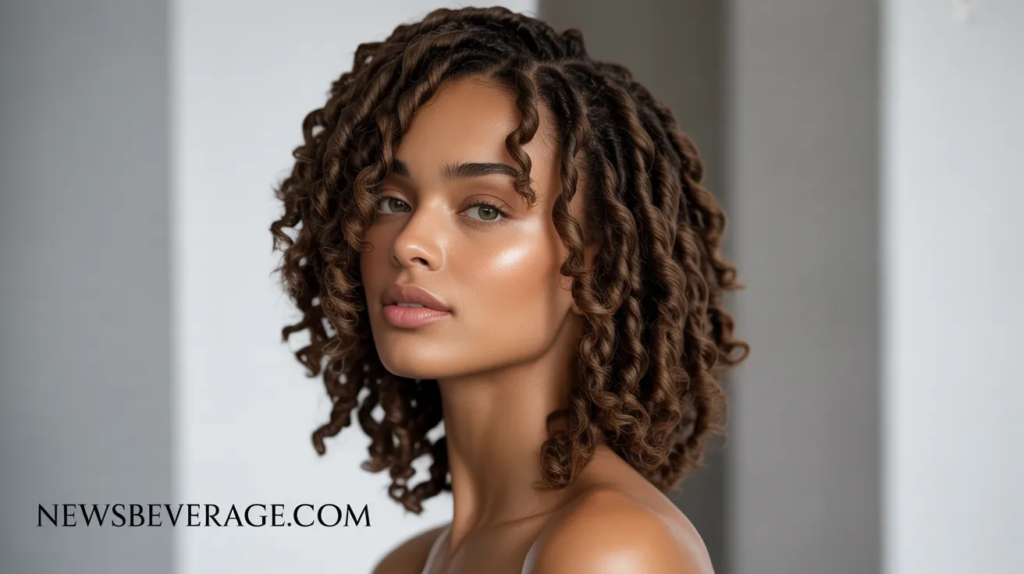
Traditional faux locs are usually installed using a crochet method or by wrapping hair extensions tightly around braided sections. The result tends to be a stiffer, heavier loc that doesn’t move as freely. Soft locs, on the other hand, use water wave hair or passion twist hair as the wrapping material. This creates a loc with a slightly textured, almost fluffy exterior that gives the style its signature softness and bounce.
The weight difference is also significant. Many people who’ve tried both styles say soft locs feel noticeably lighter. That matters a lot when you’re wearing a style for six to eight weeks.
Types of Soft Locs

There’s more than one version of this style, and knowing the differences helps you choose what’s right for you.
Distressed Soft Locs — These have a slightly rougher, more textured look. They’re meant to mimic the appearance of mature, worn-in locs. If you love a more lived-in, bohemian aesthetic, this is the version for you.
Butterfly Locs — A close cousin to soft locs. Butterfly locs have a distinctive looped texture along the length of the loc. They’re lightweight, eye-catching, and hugely popular right now.
Goddess Soft Locs — These incorporate wavy or curly hair peeking through the locs, often near the ends. The result is romantic and ethereal — perfect if you love a more feminine, flowy look.
Short Soft Locs — You don’t have to go long. Short soft locs sit around shoulder length or above and are a great option if you want to test the style without committing to a dramatic length change.
Why So Many People Are Choosing Soft Locs
If you spend any time in natural hair communities online, you’ll notice soft locs come up constantly. There’s a reason this style has earned such loyal fans.
They protect your natural hair. This is the big one. Soft locs tuck your natural hair away from daily manipulation, heat, and environmental stress. That creates the ideal conditions for length retention. If you’ve been struggling to grow your hair, a good protective style like soft locs can genuinely make a difference.
They’re versatile. You can wear soft locs up in a bun, down and loose, half up and half down, or wrapped in a scarf. The styling options are endless, and the locs themselves move beautifully with each style.
They work on almost any hair texture. Whether your hair is fine and straight or thick and coily, soft locs can be installed. Your stylist may adjust the technique slightly depending on your hair type, but the style translates across textures.
They last a good while. With proper care, soft locs can last anywhere from four to eight weeks. Some people stretch them to ten or twelve weeks, though that requires extra diligence about maintenance.
They look realistic. One of the best compliments you can get when wearing soft locs is someone asking if those are your real locs. The texture and movement of the style mimics natural locs remarkably well.
What You’ll Need for Soft Locs Installation
Before you sit down in the chair — or set up your own installation station at home — it helps to know what goes into this style.
Hair extensions: The most commonly used hair for soft locs is water wave crochet hair. Brands like Bobbi Boss, FreeTress, and Zury all make popular options. You’ll typically need anywhere from six to ten packs depending on the length and thickness you want.
A rat-tail comb: For clean parting.
Hair clips: To keep sections separated while you work.
Hot water or a spray bottle: Some installation methods use hot water to seal the ends of the locs and help them hold their shape.
Edge control and mousse: For a neat, polished finish around the hairline.
Scissors: For trimming excess hair at the ends.
If you’re getting this done in a salon, your stylist will handle all of this. But if you’re doing it yourself at home, gathering these supplies ahead of time makes the process so much smoother.
How Soft Locs Are Installed

The installation process takes time — this isn’t a quick style. Depending on the length, thickness, and your stylist’s pace, expect to spend anywhere from four to eight hours in the chair. Yes, that’s a commitment. But given that you’ll be wearing the style for weeks, it’s worth it.
Here’s a general overview of how the installation works:
Step 1 — Section and braid your natural hair. Your hair is divided into small, even sections and braided down. The size of the braids determines the thickness of each loc. Smaller braids create thinner locs; larger braids create chunkier ones.
Step 2 — Attach the extension hair. A piece of extension hair is looped onto each braided section using a crochet needle or wrapped around the base. This anchors the loc to your natural hair.
Step 3 — Wrap the loc. Water wave hair is wrapped around the braided extension, moving downward toward the end of the loc. This wrapping is what gives soft locs their distinctive texture and appearance.
Step 4 — Seal the ends. The ends of each loc are sealed either by dipping them in hot water, using a lighter (carefully), or applying a loc sealing product. This prevents unraveling.
Step 5 — Style and finish. Once all the locs are complete, your stylist will trim any uneven ends, lay your edges, and style the finished look.
Caring for Your Soft Locs
Getting the style installed is the exciting part. But how you care for soft locs in the weeks that follow determines how long they’ll look good — and how healthy your natural hair will be when you take them down.
Moisturizing Your Scalp
Your scalp doesn’t stop needing moisture just because it’s under a protective style. In fact, neglecting scalp care is one of the biggest mistakes people make when wearing soft locs. Use a lightweight scalp oil or spray — something with nourishing ingredients like jojoba oil, peppermint, or tea tree — and apply it directly to your scalp every few days. This prevents dryness, flaking, and itching.
Washing Soft Locs
Yes, you can and should wash your soft locs while you’re wearing them. Aim to wash every two to four weeks, depending on how active you are and how quickly your scalp produces oil. Use a diluted shampoo or a residue-free cleanser. Apply it directly to your scalp, massage gently, and let it rinse through the locs. Avoid scrubbing aggressively — that causes frizz and can disturb the loc structure.
After washing, squeeze (don’t rub) excess water from your locs and allow them to air dry completely. Sitting under a hooded dryer speeds up the process. Never go to bed with wet locs — that creates mildew and odor, which nobody wants.
Sleeping with Soft Locs
How you sleep matters. Invest in a satin or silk pillowcase, or wrap your locs in a satin bonnet or scarf before bed. This reduces friction, which means less frizz and a longer-lasting style. If your locs are on the longer side, loosely gathering them on top of your head before wrapping helps prevent tangling while you sleep.
Managing Frizz
A little frizz is normal and honestly adds to the natural, textured look of soft locs. But if frizz is getting out of hand, a light application of mousse or a shine spray can help smooth things down. Avoid heavy creams or butters — these can cause buildup that’s hard to remove.
How Long Do Soft Locs Last?
Most people wear soft locs for four to eight weeks. That’s the sweet spot where the style still looks fresh and your natural hair isn’t under unnecessary stress. Some people push to ten or twelve weeks, and that’s doable if you keep up with scalp care and moisturizing. Beyond twelve weeks, though, lint buildup, frizz, and potential matting become real concerns.
If you notice significant new growth, excessive frizz at the roots, or the locs themselves starting to look overly worn, those are signs it’s time to take them down.
Taking Down Soft Locs
The takedown process requires patience. Rushing it is the number one way to damage your natural hair. Here’s how to do it safely.
Start by applying a generous amount of conditioner or oil to each loc before you begin unwrapping. This lubricates the hair and makes the extension material easier to slide off. Work from the ends up, unwrapping carefully rather than pulling. Once the extension hair is off, gently detangle your natural hair with your fingers before reaching for a comb.
After takedown, give your hair a deep conditioning treatment. Your strands have been tucked away for weeks — they deserve some extra love before you move on to your next style.
How Much Do Soft Locs Cost?
Prices vary depending on where you live, how long the locs are, and your stylist’s experience level. In major cities, expect to pay anywhere from $150 to $350 or more for a full install. If you’re in a smaller city or town, prices may be lower — anywhere from $100 to $200.
The hair itself is an additional cost. A pack of water wave crochet hair typically runs between $8 and $15, and you’ll need multiple packs. Factor that into your budget upfront so there are no surprises.
If you’re installing them yourself at home, your main investment is time and the cost of the hair — which makes this a very budget-friendly option once you’ve learned the technique.
Common Mistakes to Avoid
Even a beautiful style can go sideways if you’re not careful. Here are the most common soft locs mistakes — and how to avoid them.
Installing over dirty hair. Always start with clean, moisturized hair. Buildup and dirt trapped under a protective style create scalp issues that are hard to address mid-installation.
Making the locs too heavy. If you add too much extension hair per section, the weight can put tension on your roots and cause breakage over time. Lighter locs are always safer for your edges and scalp.
Skipping scalp care. Out of sight, out of mind — but your scalp still needs attention. Build a simple routine and stick to it throughout your wear.
Leaving the style in too long. We know it’s tempting, especially when the locs still look decent. But keeping them in past the recommended time increases your risk of matting and breakage.
Not sealing the ends properly. Loose, unsealed ends unravel quickly and can make the whole style look unkempt within weeks.
Soft Locs for Different Hair Types
One of the things that makes soft locs such an accessible style is that they really do work across hair types. If your hair is fine or low-density, a skilled stylist can install smaller, thinner locs without putting too much weight on each section. If your hair is thick and high-density, fuller, chunkier locs might suit you better and require fewer packs of hair. Type 4 natural hair tends to hold the style especially well because the coily texture grips the extension hair beautifully. But even if your hair is straighter or looser in texture, soft locs are achievable with the right technique.
Conclusion
Soft locs have earned their place as one of the most loved protective styles of the last several years — and honestly, that’s not going to change anytime soon. They’re beautiful, they’re practical, they protect your natural hair, and they give you the freedom to experiment with a loc look without the permanent commitment. Whether you go for a classic distressed look, romantic goddess locs, or trendy butterfly locs, you’re choosing a style that works hard for you.
The key to getting the most out of soft locs is simple: start with a good installation, take care of your scalp while you wear them, and take them down before they overstay their welcome. Do those three things, and you’ll have a gorgeous, healthy experience every time.
Have you tried soft locs before? Are you thinking about getting them for the first time? Drop your questions or share your experience — I’d love to hear what’s worked for you.
Frequently Asked Questions About Soft Locs
1. How long does it take to install soft locs? Installation typically takes four to eight hours, depending on the desired length, thickness, and your stylist’s speed. Longer, fuller styles take more time.
2. Can I install soft locs on short hair? Yes, but your hair needs to be at least three to four inches long so the braids have enough length to anchor the extensions securely. A professional stylist can assess whether your current length works.
3. Do soft locs damage your natural hair? When installed correctly and maintained properly, soft locs are a low-damage style. The most common source of damage is tension at the roots from locs that are too heavy or installed too tightly.
4. How do I reduce itchiness under my soft locs? Keep your scalp moisturized with a lightweight oil or spray. You can also use a diluted apple cider vinegar rinse on your scalp to balance pH and relieve itching.
5. Can soft locs get wet? Yes. You can swim and wash your hair while wearing soft locs. Just make sure to dry them thoroughly afterward — never sleep on wet locs.
6. What’s the best hair to use for soft locs? Water wave crochet hair is the most popular choice. It creates that signature soft, textured appearance. Passion twist hair is also commonly used and gives a similar result.
7. How do I keep my soft locs from frizzing? Sleep on a satin pillowcase or wrap your hair in a satin bonnet. Use a light mousse or shine spray to smooth frizz. Avoid heavy products that cause buildup.
8. Are soft locs suitable for color? Yes. You can purchase pre-colored extension hair in virtually any shade, or mix colors for an ombré or highlighted effect. Trying to dye the extensions after installation is more difficult and not generally recommended.
9. What’s the difference between soft locs and butterfly locs? Butterfly locs have a distinctive looped texture created by a specific folding technique during wrapping. Soft locs have a more uniform wrapped texture. Both are lightweight and popular, but they have a slightly different appearance.
10. How do I know when it’s time to take my soft locs down? Signs it’s time include significant new growth at the roots, excessive frizz that won’t smooth down, lint buildup, or locs that have been in for more than eight to twelve weeks. When in doubt, take them down — your natural hair will thank you.
Also Read : Soft Shell Crab