Soft Shell Crab: The Surprisingly Delicious Seafood You Need to Try 2026
Have you ever bitten into something and immediately thought — why didn’t I try this sooner? That’s exactly what soft shell crab does to people. It’s one of those foods that sounds intimidating at first. You eat the whole thing? Shell and all? Yes, you do. And once you try it, there’s really no going back.
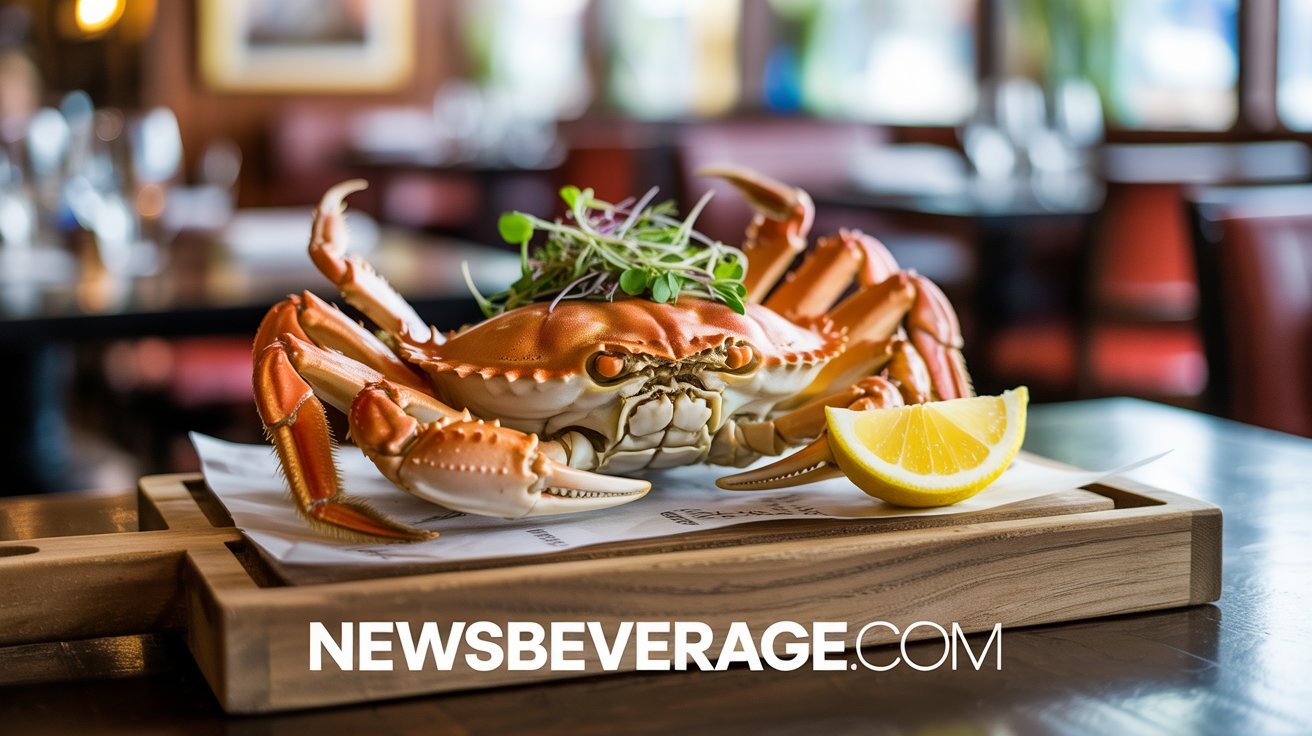
Soft shell crab is one of the most unique and genuinely exciting ingredients in the seafood world. It’s not a different species of crab. It’s actually a regular crab — most commonly the blue crab — caught right after it has shed its old hard shell and before a new hard shell grows back. That window is brief. That’s what makes it special.
In this article, you’ll learn exactly what soft shell crab is, where it comes from, how the molting process works, how to clean and cook it properly, what it tastes like, and where you can buy it. Whether you’re a seafood lover or just crab-curious, this guide covers everything.
What Exactly Is Soft Shell Crab?
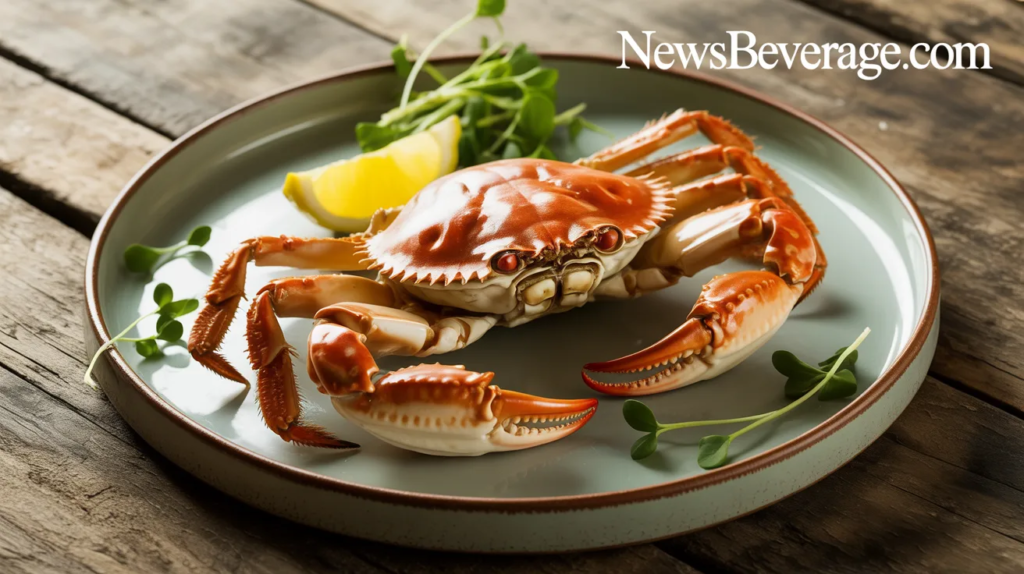
Soft shell crab isn’t some exotic species you’ve never heard of. It’s biology at work. Crabs grow by shedding their hard outer shell in a process called molting. Right after they shed the old shell, their new shell is paper-thin and completely soft. That’s the moment they’re harvested.
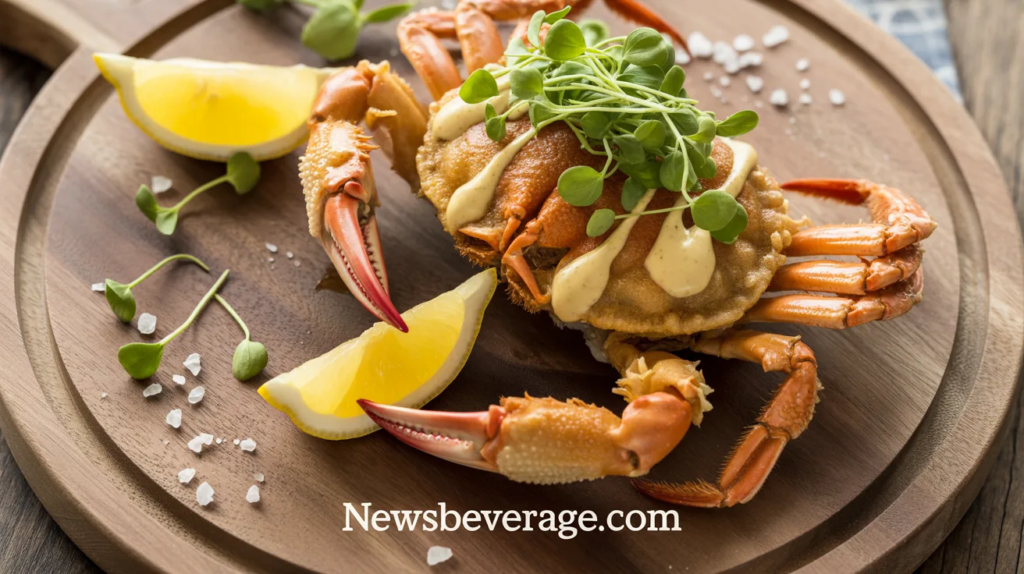
The result is a crab you can eat entirely — legs, body, claws, and all. Nothing gets discarded. Nothing gets cracked. You just cook it and eat it whole. It’s honestly one of the most satisfying and delicious experiences in all of seafood cooking.
The blue crab, Callinectes sapidus, is the most common species used for soft shell crab in the United States. These crabs are harvested primarily along the Chesapeake Bay, the Gulf Coast, and the Atlantic coastline. The season typically runs from late spring through early fall, though frozen soft shell crab is available year-round.
The Molting Process: Why It Happens and Why It Matters
Understanding molting helps you appreciate soft shell crab on a completely different level. Crabs, like all crustaceans, have an exoskeleton. That outer shell doesn’t grow with them — so they have to shed it periodically to grow larger. This is called ecdysis, or molting.
Right before a crab molts, it absorbs water to expand its body. The old shell cracks along the back and the crab slowly pulls itself out. The new shell underneath is soft, pliable, and thin. Within a matter of hours to days, that new shell begins to harden. The harvesting window for soft shell crab is incredibly tight — often just a day or two.
Experienced watermen and seafood farmers watch for “peeler crabs” — crabs that are about to molt. They move these crabs into separate tanks and monitor them carefully. The moment the molt happens, the crab is immediately harvested, cleaned, and either sold fresh or flash-frozen. It’s a labor-intensive process, which is part of why soft shell crab carries a premium price.
What Does Soft Shell Crab Taste Like?
This is the question everyone asks first. Soft shell crab has a sweet, briny, oceanic flavor that’s distinctly crab. The taste is clean and fresh. There’s nothing overpowering about it.
The texture is what really sets it apart. The thin, soft shell gets perfectly crispy when fried or sautéed. The meat inside stays juicy and tender. You get that satisfying crunch on the outside and soft, sweet crab meat on the inside — all in one bite. It’s genuinely unlike anything else.
Some people compare the experience to eating a soft-shell taco where the shell is actually the food. Others say it’s like getting the best parts of a crab without any of the work. I’d say both descriptions are accurate. It’s effortlessly indulgent.
The flavor also takes on whatever you cook it with. Garlic butter? Outstanding. Cornmeal breading? Incredible. Asian-style with ginger and soy? Also brilliant. Soft shell crab is versatile in a way that hard-shell crab simply can’t be.
How to Clean Soft Shell Crab
If you’re buying fresh soft shell crab, you’ll need to clean it before cooking. This step sounds daunting, but it takes about 60 seconds per crab once you know what you’re doing.
Here’s what you need to remove:
- The face: Using kitchen scissors, snip off the front of the crab just behind the eyes and mouth. This removes the hard biting parts and some unwanted material.
- The gills: Lift each side of the top shell and pull out the feathery gray gills — also called “dead man’s fingers.” These are spongy and inedible.
- The apron: Flip the crab over. You’ll see a flap on the underside called the apron. Fold it back and pull it off. It snaps off cleanly.
That’s it. Rinse the crab gently under cold water, pat it dry, and it’s ready to cook. If the idea of cleaning live crabs bothers you, ask your fishmonger to do it for you. Most will clean soft shell crab at the point of sale, no extra charge.
How to Cook Soft Shell Crab: Popular Methods
This is where things get really exciting. Soft shell crab is one of the most versatile proteins in the kitchen. It cooks fast, takes on flavor beautifully, and rewards you with an incredible texture no matter which method you choose.
Pan-Fried Soft Shell Crab
Pan-frying is the most popular method — and for good reason. Season the crab with salt and pepper. Dredge it lightly in flour. Cook it in a hot skillet with butter and a little oil for about 3 minutes per side. The shell turns golden and crispy. The inside stays sweet and juicy. Finish with a squeeze of lemon and you’re done.
This is the method I come back to every single time. It’s simple, it’s fast, and the results are consistently stunning.
Deep-Fried Soft Shell Crab
Deep-frying takes things up a notch in terms of crunch. Dip the crab in egg wash, then coat it in seasoned cornmeal or breadcrumbs. Fry it at 375°F for about 3 to 4 minutes. The crab comes out shatteringly crispy on every surface. It’s the version you’ll find on soft shell crab po’boys in New Orleans, and there’s a reason that sandwich has become legendary.
Grilled Soft Shell Crab
Grilling works beautifully if you want something a little lighter. Brush the cleaned crab with olive oil and season it well. Grill it over medium-high heat for 3 to 4 minutes per side. You get a slightly charred, smoky flavor that complements the natural sweetness of the crab. It’s a wonderful summer preparation.
Sautéed in Garlic Butter
This method is pure, unapologetic richness. Melt butter in a pan over medium heat. Add minced garlic and let it soften. Add the crab and cook it for 3 minutes per side. Baste it constantly with the garlic butter as it cooks. Finish with fresh parsley and lemon. It’s the kind of dish that makes people go quiet at the dinner table — in the best way.
Soft Shell Crab Recipes Worth Trying
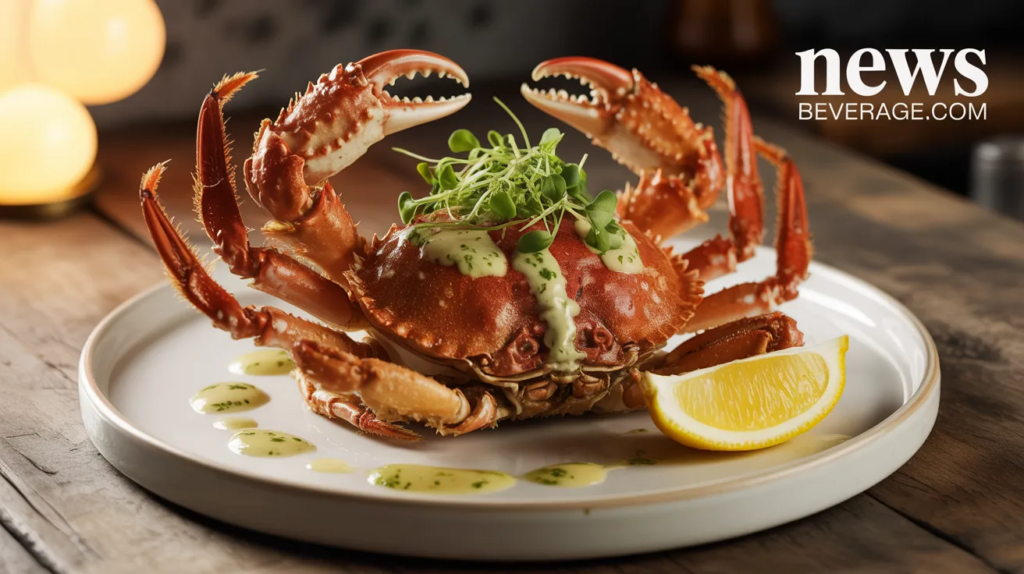
If you want to go beyond the basics, there are countless directions you can take soft shell crab. Here are some ideas that genuinely work:
Soft Shell Crab Po’Boy: Deep-fried crab on a toasted hoagie roll with shredded lettuce, sliced tomato, pickles, and remoulade sauce. This is a New Orleans classic for a reason.
Soft Shell Crab Sandwich with Avocado: Pan-fried crab on toasted brioche with sliced avocado, pickled onion, and sriracha mayo. Modern, balanced, and absolutely delicious.
Soft Shell Crab Pasta: Sauté the crab in garlic butter and serve it over linguine with cherry tomatoes, white wine, and fresh herbs. The crab juices mingle with the pasta sauce and create something unforgettable.
Asian-Style Soft Shell Crab: Dust the crab in seasoned flour, fry it until crispy, then toss it in a sauce made from ginger, garlic, soy sauce, sesame oil, and a touch of honey. Serve over steamed rice or in a lettuce wrap.
Soft Shell Crab Tacos: Pan-fried crab in warm corn tortillas with pickled cabbage slaw, jalapeño crema, and fresh cilantro. Light, bright, and incredibly satisfying.
Nutritional Value of Soft Shell Crab
Soft shell crab is genuinely nutritious — not just delicious. It’s a lean protein source packed with essential nutrients. Here’s a general nutritional overview for a 100-gram serving of cooked soft shell crab:
- Calories: approximately 90–100 (before any breading or added fat)
- Protein: around 18–20 grams
- Fat: roughly 1–2 grams in its natural state
- Omega-3 fatty acids: present in meaningful amounts
- Zinc: excellent source, supporting immune function
- Selenium: a powerful antioxidant mineral
- Vitamin B12: important for nerve health and energy
Of course, once you fry it, the calorie count goes up. But even fried soft shell crab remains a relatively balanced indulgence compared to many other fried foods. The natural protein content is impressive, and the omega-3s provide genuine cardiovascular benefit.
Soft Shell Crab Season: When to Buy It Fresh
Fresh soft shell crab has a season. In the United States, the primary season runs from late April or early May through September, with peak availability in May and June. The season follows the molting cycle of blue crabs along the Atlantic and Gulf Coasts.
During peak season, you’ll find fresh soft shell crab at quality fish markets, upscale grocery stores, and seafood counters along the East Coast. Outside of season, frozen soft shell crab is a perfectly good alternative. Modern flash-freezing technology preserves the texture and flavor remarkably well.
If you’re buying fresh, look for crabs that smell clean and oceanic — not fishy or ammonia-like. They should look moist and be stored on ice. Alive is ideal, but freshly cleaned and refrigerated is fine too. Use fresh soft shell crab within a day of purchase for the best results.
Where to Buy Soft Shell Crab
You have several solid options for sourcing soft shell crab:
Local Fish Markets: Your best bet during season. Fresh, local, and often cleaned on request. The quality is usually excellent and you can ask the fishmonger exactly when the crabs came in.
Specialty Grocery Stores: Whole Foods, Fresh Market, and similar retailers carry soft shell crab during peak season. Quality varies, so ask questions.
Online Seafood Retailers: Companies like Fulton Fish Market, Cameron’s Seafood, and Global Seafoods ship fresh and frozen soft shell crab directly to your door. This is a great option if you don’t live near the coast.
Japanese and Asian Grocery Stores: Many carry frozen soft shell crab year-round, often at competitive prices. The quality is typically very good, particularly for restaurants serving it in rolls and Asian preparations.
Common Mistakes to Avoid When Cooking Soft Shell Crab
Even experienced cooks make a few errors with soft shell crab. Here’s what to watch out for:
Overcooking it: Soft shell crab cooks fast. Three to four minutes per side is usually all you need. Overcooking makes it rubbery and dry.
Not drying it properly: Moisture is the enemy of crispiness. Pat the crab thoroughly dry before cooking. Any leftover water will cause the oil to spatter and the skin to steam instead of sear.
Using too much breading: A light dredge in flour is all you need for pan-frying. Heavy breading overwhelms the delicate flavor of the crab and makes it feel heavy.
Skipping the cleaning step: Even if your fishmonger cleaned the crab, double-check. Missing the gills or apron will affect both the flavor and your dining experience.
Using low-quality fat: Butter and a neutral oil like avocado or canola are your best friends here. Low-quality oil at the wrong temperature leads to greasy results.
Soft Shell Crab vs. Regular Crab: What’s the Difference?
People often ask whether soft shell crab is just a different species. It’s not. Soft shell crab is a preparation and harvest method, not a species distinction.
The biggest practical difference is convenience. With regular hard-shell crab, you have to crack the shell, pull out the meat, and work for every bite. It’s fun — but it’s work. With soft shell crab, you eat the entire thing. There’s nothing to discard. The eating experience is completely different.
Flavor-wise, both offer that sweet, oceanic crab taste. But soft shell crab has a more nuanced texture experience because the thin shell crisps up beautifully when cooked. You get textural contrast that hard-shell crab simply can’t deliver in the same way.
Price-wise, soft shell crab is typically more expensive per piece — partly due to the labor involved in harvesting and partly due to the limited seasonal window.
Conclusion
Soft shell crab is one of those rare foods that delivers on every level — flavor, texture, versatility, and sheer eating enjoyment. It’s approachable once you understand what it is and how to handle it. The cleaning process takes seconds. The cooking takes minutes. The payoff is enormous.
Whether you fry it golden and stuff it into a po’boy, sauté it in garlic butter, or grill it on a summer evening, soft shell crab consistently delivers. It’s the kind of ingredient that makes you look like a far more skilled cook than you actually need to be.
If you’ve never tried soft shell crab, this spring or summer is the perfect time to start. Head to your local fish market when the season hits, pick up two or three crabs, and cook them simply. You’ll understand the obsession immediately.
Have you cooked soft shell crab before? What’s your favorite way to prepare it? Drop a comment, share this article with a fellow seafood lover, or send it to someone who keeps saying they want to try something new in the kitchen.
Frequently Asked Questions About Soft Shell Crab
1. Do you eat the whole soft shell crab, including the shell? Yes. The entire crab is edible after cleaning — shell, legs, claws, and body. The thin shell becomes crispy and delicious when cooked.
2. What kind of crab is used for soft shell crab? The blue crab (Callinectes sapidus) is the most common species used in the United States. Some Asian varieties use different species, but blue crab is the gold standard.
3. When is soft shell crab season? In the U.S., soft shell crab season typically runs from late April through September, peaking in May and June along the Atlantic and Gulf Coasts.
4. Is soft shell crab healthy? Yes. It’s a lean protein source rich in omega-3 fatty acids, zinc, selenium, and vitamin B12. Preparation method affects the overall calorie count.
5. Can you freeze soft shell crab? Absolutely. Flash-frozen soft shell crab retains excellent quality and is available year-round. Thaw it slowly in the refrigerator before cooking.
6. How do you clean soft shell crab at home? Remove the face with scissors, lift the sides of the top shell and pull out the gray gills, then flip it over and remove the apron. Rinse and pat dry.
7. What does soft shell crab taste like? It has a sweet, briny, oceanic crab flavor. When cooked, the thin shell becomes crispy while the inside stays tender and juicy.
8. How long does it take to cook soft shell crab? Very quickly. Most methods — pan-frying, deep-frying, grilling — require just 3 to 4 minutes per side. Overcooking makes it rubbery.
9. Where can I buy fresh soft shell crab? During season, look at local fish markets, quality grocery stores, and online seafood retailers. Asian grocery stores often carry frozen soft shell crab year-round.
10. Is soft shell crab expensive? It’s priced higher than many seafood options due to the labor-intensive harvesting process and limited seasonal window. Expect to pay a premium, especially for fresh product during peak season.
Also Read : Magic Cross Piercing