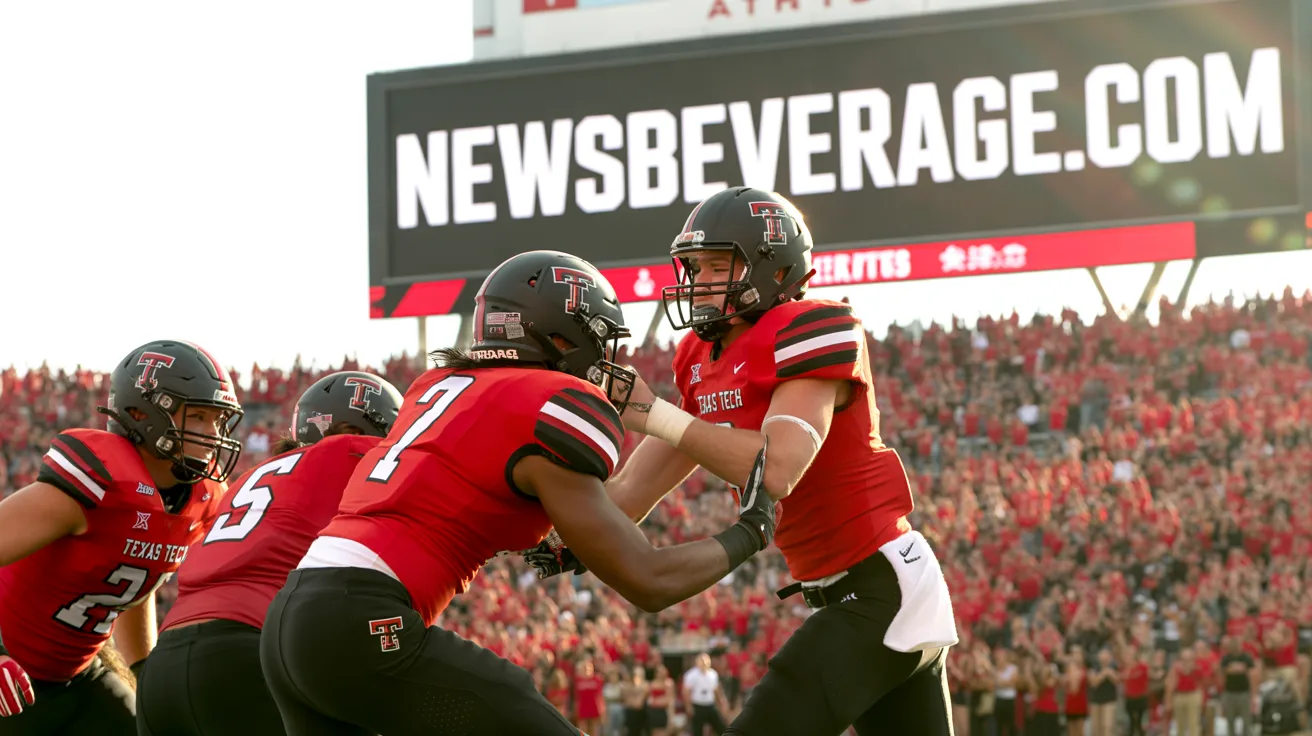
Texas Tech Football: The Unstoppable Rise You Cannot Ignore 2026
Introduction
If you follow college football in America, you already know that Texas Tech football carries weight. The program does not just fill seats in Lubbock, Texas. It shapes careers, fuels rivalries, and builds lifelong fans. Texas Tech football has quietly evolved into one of the most compelling stories in the Big 12 Conference, and right now, the momentum is real.
This article covers everything you need to know about Texas Tech football. You will find the history, the key players, the coaching evolution, the business impact, and the future outlook. Whether you are a die-hard Red Raiders fan or a casual observer trying to understand what the program is about, this guide gives you the full picture.
Let us get into it.
The Rich History Behind Texas Tech Football
Texas Tech football launched its first season back in 1925. For almost a century, the program has built a distinct identity on the South Plains. It is not the biggest budget in college football. It is not the flashiest recruiting machine. But what Texas Tech football has always delivered is a brand of play that gets people talking.
The Red Raiders joined the Southwest Conference early on and later became a founding member of the Big 12 Conference. That move in 1996 placed Texas Tech football on a bigger stage. National television exposure followed. Bowl game appearances increased. The fanbase grew.
Over the decades, Texas Tech football produced moments that still get replayed on highlight reels. The program has sent dozens of players to the NFL. It has hosted some of the most memorable games in Big 12 history. And it has developed a culture that fans feel deeply proud of.
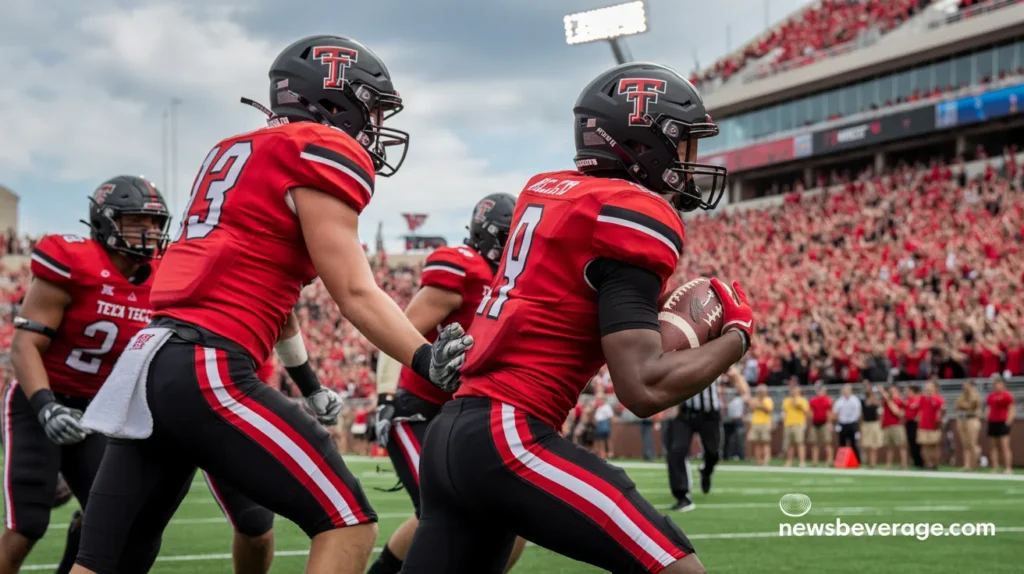
Key Historical Milestones
- 1925: First season of Texas Tech football kicks off
- 1996: Program joins the Big 12 Conference
- 2008: Reaches No. 2 in national rankings under Mike Leach
- 2009: First and only Big 12 South Division title
- Multiple bowl game victories and growing NFL draft history
The Air Raid Offense That Defined Texas Tech Football
When most people think of Texas Tech football, they think of the Air Raid. This pass-heavy offensive system became synonymous with the program during Mike Leach’s tenure from 2000 to 2009. Leach did not invent the Air Raid, but he perfected it in Lubbock.
The Air Raid prioritizes spacing, quick reads, and volume passing. It turned Texas Tech football into a scoring machine. Fans loved it. Defenses feared it. And the media could not stop writing about it.
Under Leach, Texas Tech football produced some of the most prolific offenses in college football history. Quarterbacks like Kliff Kingsbury set passing records. Wide receivers became legitimate NFL prospects. The offense drew national attention that elevated the entire program.
The Air Raid legacy still lives in the DNA of Texas Tech football. Even as coaching staffs changed and offensive philosophies evolved, the commitment to exciting, high-scoring play remained. That identity continues to attract fans and recruits today.
Mike Leach Era Stats at Texas Tech Football
- 84 wins in 10 seasons
- 6 consecutive bowl game appearances
- Highest program ranking ever: No. 2 nationally in 2008
- Multiple Big 12 scoring records broken during his tenure
Jones AT&T Stadium: The Business of Home Field Advantage
Jones AT&T Stadium is the home of Texas Tech football. It seats over 60,000 fans and consistently ranks among the louder venues in the Big 12. The atmosphere on game day in Lubbock is something you have to experience to fully appreciate.
From a business perspective, the stadium represents a significant economic engine for Lubbock and the surrounding region. On home game weekends, the city sees sharp increases in hotel bookings, restaurant revenue, and retail spending. Texas Tech football drives millions of dollars in local economic activity every season.
Texas Tech University has invested heavily in stadium upgrades over the years. Better facilities attract better recruits. Better recruits lead to more wins. More wins mean more ticket sales, sponsorships, and media revenue. It is a business cycle that the program understands well.
The Red Raiders fan base is known for its passion. Season ticket sales remain strong. Corporate partnerships continue to grow. And the brand of Texas Tech football carries real commercial value both inside and outside of Texas.
Coaching Evolution: Building a Winning Culture
Texas Tech football has gone through several coaching chapters. Each coach brought a different philosophy and left a lasting mark on the program.
After Mike Leach departed in 2009, Kliff Kingsbury took over as head coach from 2013 to 2018. Kingsbury was a Leach disciple and continued the Air Raid tradition. He had mixed on-field results but kept the program relevant nationally through his offensive identity and recruiting efforts.
Matt Wells then led the program from 2019 to 2021 before Joey McGuire was brought in ahead of the 2022 season. McGuire changed the energy around Texas Tech football immediately. He emphasized toughness, recruiting Texas players, and building genuine connections with the community.
Under McGuire, Texas Tech football recorded its first eight-win regular season in over a decade in 2022. The Red Raiders went to the Big 12 Championship Game for the first time ever. That season was a turning point that proved the program could compete at the highest level of the conference.
What Joey McGuire Brings to Texas Tech Football
- Strong Texas recruiting network built over years as an assistant
- High-energy culture that resonates with players and fans
- Focus on physical, disciplined football on both sides of the ball
- Proven ability to develop talent and compete in the Big 12
Recruiting: The Fuel That Powers Texas Tech Football
Recruiting is the lifeblood of any college football program. Texas Tech football operates in one of the most talent-rich states in the country. Texas produces elite high school football players every single year, and the Red Raiders compete hard for those players.
The challenge for Texas Tech football has always been competing against Texas, Texas A&M, Oklahoma, and other major programs for top prospects. But under McGuire, the program has improved its recruiting significantly. The team now targets players who fit the program’s culture and want to play in Lubbock.
NIL (Name, Image, and Likeness) has changed college football recruiting dramatically. Texas Tech football has embraced NIL opportunities for its players. The program understands that modern recruits look at the full picture: coaching staff, playing time, NIL potential, and program trajectory.
The transfer portal has also become a major tool. Texas Tech football has used it effectively to add experienced players who contribute immediately. This blend of high school recruiting and strategic portal additions gives the program competitive depth.
Fierce Rivalries That Define Texas Tech Football
No article on Texas Tech football is complete without discussing rivalries. These matchups generate the highest energy games of the season and carry deep cultural meaning for fans across the state.
Texas Tech vs. Texas
This is the rivalry that gets the most attention outside of Lubbock. Texas Tech football against the Longhorns is a clash of size, budget, and pride. The Red Raiders have delivered memorable upsets over the years, and every game in this series feels like a statement opportunity. The 2008 victory over then No. 1 Texas remains one of the most stunning moments in college football history.
Texas Tech vs. TCU
The Texas Tech and TCU matchup has intensified in recent years as both programs compete for Big 12 positioning. These games tend to be high stakes and often determine bowl game destiny. Both fan bases treat this rivalry with real intensity.
Texas Tech vs. Baylor
Baylor and Texas Tech football have had some close, competitive games over the years. Both programs recruit similar players and compete in overlapping geographic markets. This matchup often carries significant Big 12 standings implications.
Texas Tech Football’s Impact on the NFL
One of the clearest measures of a college football program’s strength is its NFL pipeline. Texas Tech football has produced impressive NFL talent over the decades. Players who came through Lubbock have gone on to have meaningful professional careers.
Notable NFL players from Texas Tech football include Wes Welker, who became one of the most productive slot receivers in NFL history. Michael Crabtree was a top draft pick. Zach Thomas was a Pro Bowl linebacker. These players put the program on the NFL map.
The current roster also features players with legitimate NFL potential. Scouts regularly visit Jones AT&T Stadium. Coaches build relationships with NFL front offices. That pipeline is a real recruiting advantage, because talented players want to go to a school that develops them for the next level.
The Business Impact of Texas Tech Football on Lubbock
Texas Tech football is not just a sports program. It is a major business. The financial ecosystem surrounding the team touches virtually every sector of the Lubbock economy.
On game days, the city transforms. Hotels sell out. Restaurants operate at maximum capacity. Retailers see spikes in merchandise sales. The economic activity generated by home games at Jones AT&T Stadium supports thousands of jobs in the region.
Beyond game day spending, Texas Tech football drives alumni engagement. Donors who attend games become more connected to the university. That connection translates into major gifts that fund scholarships, research facilities, and athletic improvements.
The brand value of Texas Tech football also affects university enrollment. High-profile wins and national attention drive interest in Texas Tech University. Prospective students who follow college football are more likely to research a school when its team is performing well. Athletics and academics are more connected than most people realize.
Texas Tech Football Revenue Drivers
- Ticket sales and season ticket packages
- Corporate sponsorships and stadium naming rights
- Big 12 Conference media revenue distribution
- Bowl game payouts and postseason appearances
- Licensed merchandise and apparel partnerships
- NIL collective and donor fundraising programs
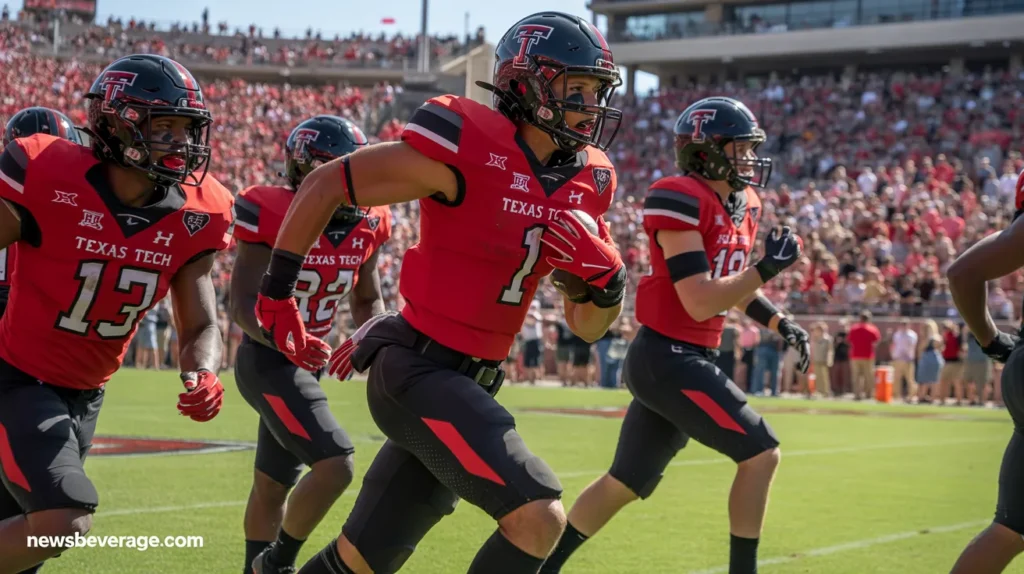
Recent Performance: Where Texas Tech Football Stands Today
Texas Tech football has shown clear signs of upward momentum in recent seasons. The 2022 season was a breakthrough moment. The team finished with a strong record, competed for the Big 12 title, and earned national recognition.
The 2023 and 2024 seasons brought challenges, as the Big 12 landscape shifted with new programs joining from the Pac-12. Texas Tech football had to adapt. The competition got tougher. But the program continued to develop its roster and refine its systems.
Heading into the 2025 season, expectations in Lubbock are high. The roster features experienced players from both recruiting classes and transfer additions. The coaching staff has continuity. And the fanbase is energized after years of steady building.
Texas Tech football is not a program that sneaks up on anyone anymore. Opponents prepare for the Red Raiders. Conference rivals take these games seriously. That respect is earned, and it reflects real progress in the program.
Fan Culture: Why Red Raiders Fans Are Uniquely Passionate
If you have ever attended a Texas Tech football game in Lubbock, you know the atmosphere is different. The city essentially becomes one big tailgate. Fans arrive hours early. The parking lots fill up with red and black. The energy inside Jones AT&T Stadium is electric.
Texas Tech football fans are known for their loyalty even during down years. The program does not have the same resources as Texas or Texas A&M, but it has something those programs sometimes lack: a tight-knit community that genuinely lives and dies with every game.
The Masked Rider tradition adds a layer of pageantry that is uniquely Texas Tech. Before every home game, a rider in black charges the field on horseback. It is one of the most recognizable traditions in college football and something that gives Texas Tech football its own distinct identity.
Alumni from across the country travel back to Lubbock for home games. The Texas Tech football community is active on social media. Podcasts, fan sites, and YouTube channels dedicated to the program have grown significantly. The digital fan community mirrors the passion of the stadium crowd.
The Future Outlook for Texas Tech Football
The future of Texas Tech football looks genuinely promising. The pieces are in place for sustained competitiveness. Joey McGuire has shown he can recruit, develop players, and win games that matter. The university administration supports the program financially and strategically.
The expanded College Football Playoff gives programs like Texas Tech football a realistic path to the national stage. You no longer need a perfect season to compete for a national title. A strong conference record and a few signature wins can open the door.
NIL will continue to evolve, and Texas Tech football is positioning itself to compete effectively. The Raider Power NIL collective continues to grow. Donors who support the program understand that NIL investment is now a recruiting necessity, not a luxury.
Facility upgrades remain a priority. The university continues to invest in practice facilities, player development resources, and the overall game-day experience. These investments pay off in recruiting rankings, player retention, and fan satisfaction.
If you ask me, Texas Tech football is at an inflection point. The foundation is solid. The culture is right. The talent level is rising. The next few seasons could define the program for the next generation of fans.
Conclusion: Texas Tech Football Is Worth Paying Attention To
Texas Tech football has always had something special. A unique offensive identity. A passionate fan base. A location that turns every home game into a community event. And now, a coaching staff and roster that gives the program a real chance to compete for championships.
The program has navigated challenges, rebuilt from setbacks, and come out stronger each time. That resilience is a defining characteristic of Texas Tech football. The Red Raiders do not quit. They adapt. They compete. And they keep coming back.
Whether you are a lifelong fan, a business professional studying sports economics, or simply someone curious about college football in Texas, this program deserves your attention. Texas Tech football is not just surviving in a tough landscape. It is building something worth watching.
What do you think is the biggest opportunity for Texas Tech football going forward? Share your thoughts and let us know what excites you most about the Red Raiders.
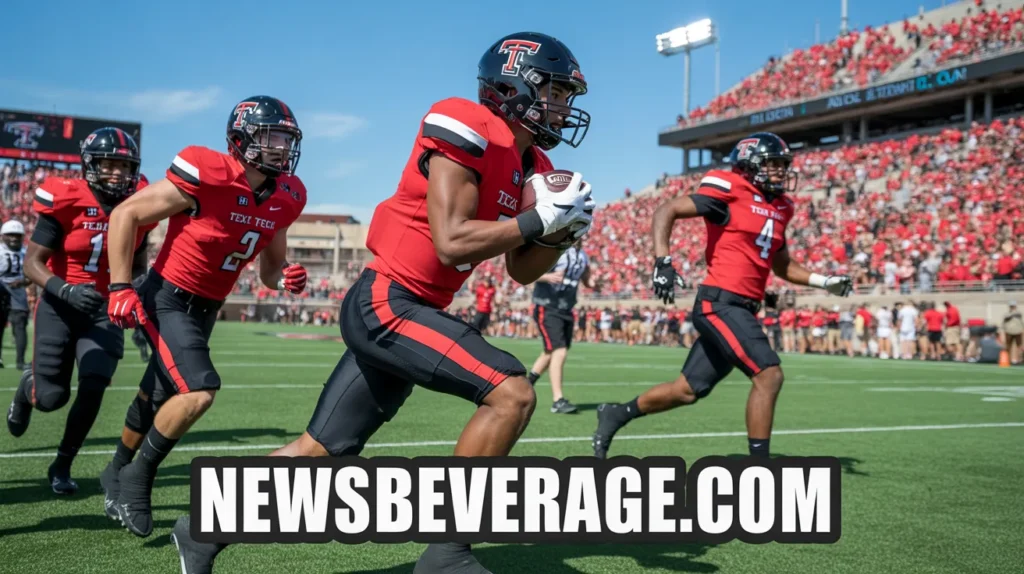
Frequently Asked Questions About Texas Tech Football
1. When did Texas Tech football start?
Texas Tech football began its inaugural season in 1925. The program has played for nearly 100 years and built one of the most recognized brands in the Big 12 Conference.
2. What conference does Texas Tech football play in?
Texas Tech football competes in the Big 12 Conference. The Red Raiders joined the Big 12 as a founding member in 1996 and have been a permanent fixture in the conference since.
3. Who is the head coach of Texas Tech football?
Joey McGuire is the head coach of Texas Tech football. He took over ahead of the 2022 season and quickly built a winning culture that led the Red Raiders to their first Big 12 Championship Game appearance.
4. What is the home stadium for Texas Tech football?
Jones AT&T Stadium in Lubbock, Texas serves as the home of Texas Tech football. The venue holds over 60,000 fans and is one of the louder atmospheres in college football.
5. What is the Air Raid offense in Texas Tech football?
The Air Raid is a pass-heavy offensive system made famous at Texas Tech football by coach Mike Leach. It uses four and five wide receiver sets, quick passing concepts, and high-volume throws to create scoring opportunities.
6. Has Texas Tech football ever won a Big 12 title?
Texas Tech football won the Big 12 South Division title in 2008 under Mike Leach. In 2022, the program reached the Big 12 Championship Game for the first time ever under Joey McGuire.
7. What NFL players came from Texas Tech football?
Texas Tech football has produced notable NFL players including Wes Welker, Michael Crabtree, Zach Thomas, and many others. The program has a strong history of developing players for professional careers.
8. What is the biggest rivalry in Texas Tech football?
The rivalry between Texas Tech football and the University of Texas is the most prominent. The 2008 upset of No. 1 Texas remains the most iconic moment in the history of this series.
9. How does NIL affect Texas Tech football recruiting?
NIL gives Texas Tech football players the ability to earn money from endorsements while in school. The program’s NIL collective, Raider Power, helps attract and retain top talent by offering competitive compensation packages.
10. What are the chances of Texas Tech football reaching the College Football Playoff?
With the expanded 12-team playoff format, Texas Tech football has a realistic path to the College Football Playoff. A strong Big 12 record and competitive nonconference wins could earn the Red Raiders a bid in coming seasons.
Also read Newsbeverage.com
Email: johanharwen314@gmail.com
Author Name: Johan Harwen
About the Author: Johan Harwen is a seasoned sports business writer and college football analyst with over a decade of experience covering the intersection of athletics, economics, and culture. He specializes in Big 12 football programs and has written extensively on program development, coaching strategy, recruiting dynamics, and the financial ecosystem of college sports.