

What Is Palm Sunday: The Influential Truth Behind This Sacred Day In 2025
Introduction
Have you ever seen people carrying green palm branches into a church on a Sunday morning and wondered what it all means? That moment carries centuries of history, faith, and deep feeling
. So, what is Palm Sunday, and why does it matter so much to millions of people around the world?
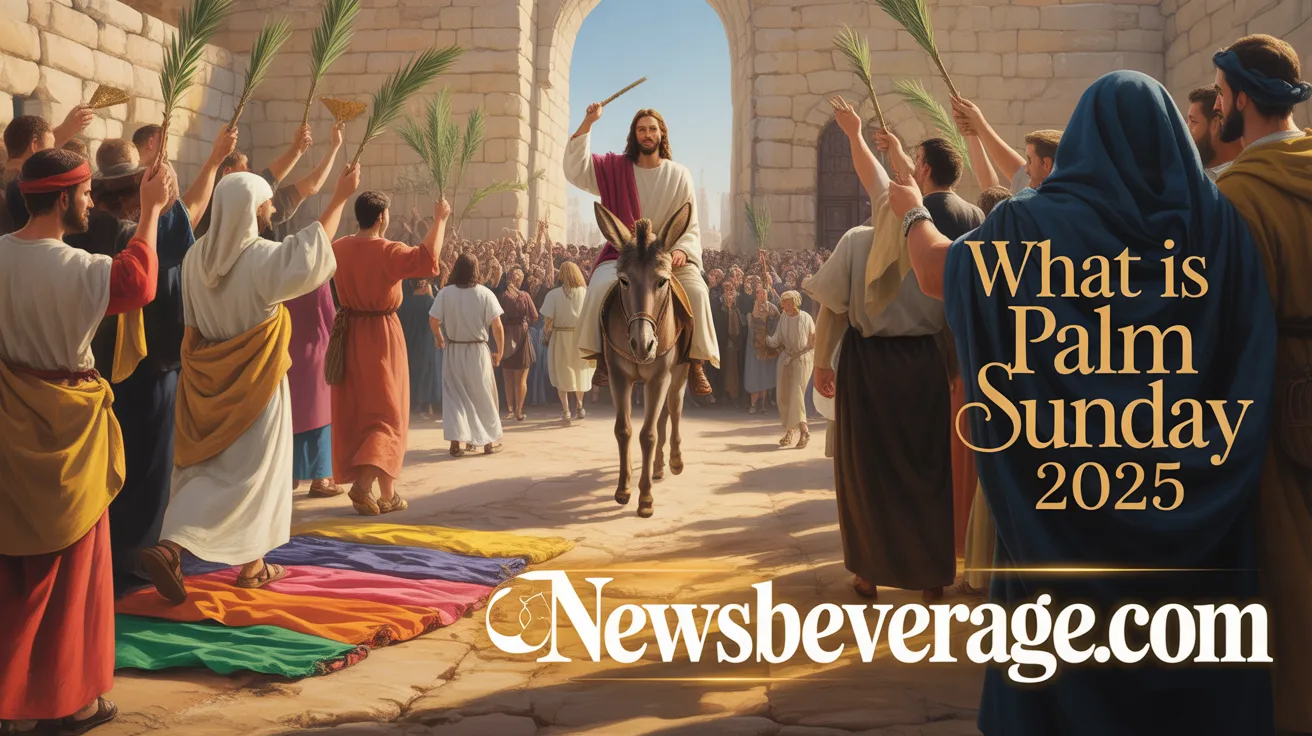
Palm Sunday is the Sunday before Easter. It marks the day Jesus Christ rode into Jerusalem on a donkey while crowds cheered and waved palm branches. Christians around the world celebrate this day every year. It officially opens Holy Week, the most sacred seven days in the Christian calendar.
In this article, you will learn what is Palm Sunday, where it comes from, what the Bible says about it, how people celebrate it today, and why it still holds such powerful meaning. if you are a lifelong Christian or simply curious, this guide gives you everything you need.
What Is Palm Sunday? A Simple and Clear Definition
Palm Sunday falls on the Sunday before Easter Sunday. It is the first day of Holy Week in the Christian faith. The name comes from the palm branches that people spread on the road as Jesus entered Jerusalem. This event is called the Triumphal Entry.
Christians believe this moment fulfilled an ancient prophecy. The Prophet Zechariah wrote that a king would come to Jerusalem riding on a donkey. Jesus did exactly that. The crowd recognized this and responded with joy, praise, and palm branches.
So when people ask what is Palm Sunday, the simplest answer is this: it is the day Christians remember and celebrate the triumphant arrival of Jesus in Jerusalem, just days before his crucifixion and resurrection.
The Biblical Story Behind Palm Sunday
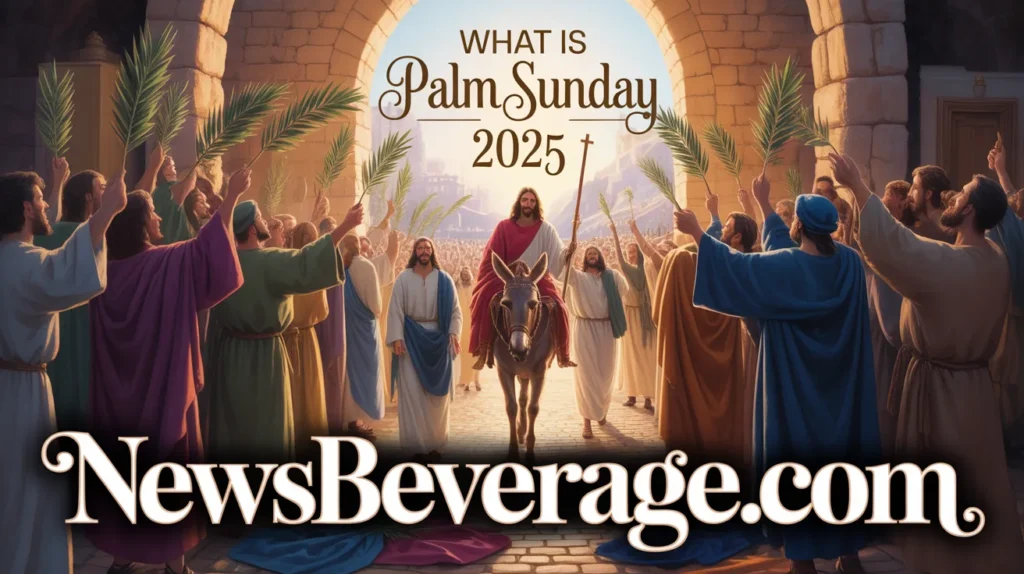
You can read the Palm Sunday story in all four Gospels: Matthew 21, Mark 11, Luke 19, and John 12. Each account adds a slightly different detail, but all four agree on the core events.
What Happened That Day?
Here is what the Bible tells us happened:
- Jesus sent two disciples ahead to find a donkey and its colt tied in a nearby village.
- He rode the donkey down the Mount of Olives and into Jerusalem.
- Large crowds lined the road, laying down their cloaks and cutting palm branches to spread on the path.
- People shouted “Hosanna!” which means “Save us” or “Please save.”
- They called Jesus the “Son of David,” a royal and messianic title.
What Did the Palm Branches Mean?
Palm branches carried deep symbolism in the ancient Near East. They were a sign of victory and triumph. When a victorious general or king returned from battle, people welcomed him with palm branches. By waving palms before Jesus, the crowd was declaring him their king and deliverer.
The donkey also carried meaning. A king riding a war horse signaled conquest. A king riding a donkey signaled peace. Jesus was showing that he came as a peaceful king, not a military conqueror. That message still resonates today.
The Historical Background of Palm Sunday
Christians have observed what is Palm Sunday since the early centuries of the church. The Jerusalem church celebrated it as early as the 4th century. Bishop Egeria, a pilgrim who visited Jerusalem around 381 AD, wrote detailed accounts of Palm Sunday processions in the city.
By the 7th century, the practice spread across Europe. Churches began distributing blessed palm branches to their congregations. In regions where real palms were scarce, Christians used other plants like willow, yew, or box branches. In some Eastern European countries, they still use pussy willows today.
The Western church formally established Palm Sunday in its liturgical calendar during the medieval period. It became one of the most visually dramatic celebrations in the Christian year. Processional hymns, dramatic readings, and the blessing of palms all developed over time into the rich traditions you see today.
How Do Christians Celebrate Palm Sunday Today?
Across the globe, Christians mark what is Palm Sunday in beautiful and varied ways. While the core meaning stays the same, the cultural expressions differ widely. Here is what you will typically see in churches around the world:
In Catholic and Anglican Churches
- The priest blesses palm branches before the service begins.
- A procession walks around the outside of the church or through the streets.
- The congregation holds palm branches during the procession.
- The Passion narrative (the story of Jesus’s suffering and death) is read aloud, often with the congregation reading parts.
In Protestant and Evangelical Churches
- Children often carry palm branches and sing in a processional parade.
- Sermons focus on the Triumphal Entry and the events of Holy Week ahead.
- Worship songs celebrate the kingship of Jesus.
Around the World
- In the Philippines, large bamboo arches decorated with palms line the church roads.
- In Ethiopia and Eritrea, Orthodox Christians carry crosses and candles in colorful processions.
- In Mexico and Guatemala, people weave intricate palm art called palmas.
- In Spain, some processions feature life-size floats depicting scenes from Holy Week.
What Happens to the Palm Branches After Palm Sunday?
Many Christians take their palm branches home after the service. Some people place them behind a cross or picture on their wall. Others weave them into small crosses as a personal devotional reminder. The branches stay in the home throughout the rest of the year.
Here is a fascinating tradition you might not know. Catholic and many Anglican churches collect the dried palms from the previous year. They burn them into ash. That ash then becomes the ashes used on Ash Wednesday of the following year, the service that begins the Lent season. This creates a beautiful full-circle connection between the seasons of the church calendar.
Why Is Palm Sunday Important? The Deeper Meaning
Understanding what is Palm Sunday goes beyond knowing the facts. It means grasping why this event matters so much. Palm Sunday holds multiple layers of spiritual significance.
1. It Fulfills Ancient Prophecy
The prophet Zechariah wrote hundreds of years before Jesus was born: “Rejoice greatly, Daughter Zion! See, your king comes to you, righteous and victorious, lowly and riding on a donkey” (Zechariah 9:9). Jesus rode into Jerusalem on a donkey, fulfilling this exact prophecy. For Christians, this confirms that Jesus is the promised Messiah.
2. It Reveals the Nature of Jesus’s Kingdom
Jesus did not come as a political or military king. He came as a servant king. His choice of a donkey instead of a war horse communicated something radical: his kingdom operates on humility, love, and sacrifice. That is a message the world still needs to hear.
3. It Foreshadows the Cross
Many of the same people who shouted “Hosanna!” on Palm Sunday would shout “Crucify him!” just five days later. Palm Sunday sits at a dramatic turning point. The celebration contains within it the seeds of suffering. This is why the day often ends with the reading of the Passion narrative, which brings the congregation from joy to grief within a single service.
4. It Invites Personal Response
Palm Sunday asks you a question: How do you respond to Jesus? The crowd on that day chose celebration. Others chose skepticism. Religious leaders chose opposition. Each person had to decide. The story still poses the same invitation to you today.

Palm Sunday and Holy Week: What Comes Next?
Palm Sunday opens the most intense week in the Christian year. Knowing the sequence helps you understand the full significance of what is Palm Sunday and where it leads.
- Palm Sunday: The Triumphal Entry into Jerusalem
- Monday: Jesus clears the temple of merchants and money changers
- Tuesday: Jesus teaches in the temple; religious leaders challenge him
- Wednesday: A quiet day; Judas agrees to betray Jesus
- Maundy Thursday: The Last Supper; Jesus washes the disciples’ feet; his arrest in Gethsemane
- Good Friday: The trial, crucifixion, and death of Jesus
- Holy Saturday: Jesus rests in the tomb
- Easter Sunday: The resurrection of Jesus Christ
You can see why Palm Sunday carries so much weight. It sets the entire story into motion. Without the Triumphal Entry, the events of Holy Week would lose their opening chapter.
Palm Sunday Date: When Does It Fall Each Year?
Palm Sunday always falls exactly one week before Easter Sunday. Since Easter Sunday falls on a different date every year, Palm Sunday also changes each year. Easter is calculated as the first Sunday after the first full moon following the spring equinox (March 21). This means Easter can fall anywhere between March 22 and April 25.
Here are the upcoming dates for Palm Sunday:
- 2025: April 13
- 2026: March 29
- 2027: March 21
- 2028: April 9
Note that Orthodox Christians sometimes celebrate Palm Sunday on a different date because they follow a different calendar system for calculating Easter.
Palm Sunday Across Different Christian Traditions
Christianity is a global faith with many denominations. Each tradition approaches what is Palm Sunday slightly differently.
Roman Catholic Church
Catholics call it “Palm Sunday of the Lord’s Passion.” The day includes both the celebration of the Triumphal Entry and the solemn reading of the Passion narrative from the Gospels. The contrast between the two tones is intentional and moving.
Eastern Orthodox Church
Orthodox Christians celebrate Palm Sunday with great joy and festivity. In Russia and Eastern Europe, willow branches replace palms. The faithful carry candles alongside the branches during the liturgy. The Orthodox name for the day is “The Entry of the Lord into Jerusalem.”
Protestant Traditions
Many Protestant churches celebrate Palm Sunday with a focus on the joy of Jesus’s arrival. Children’s processions are especially popular. The emotional shift toward the suffering ahead is handled through Holy Week services that follow. Some denominations with lower liturgical traditions may observe Palm Sunday more informally, but the theme of Christ’s kingship remains central.
Common Questions People Ask About Palm Sunday
Is Palm Sunday a Public Holiday?
In most countries, Palm Sunday is not a public holiday. However, in some nations with strong Catholic traditions, like parts of Latin America and the Philippines, it may be observed as a day off work or school. It is primarily a religious observance rather than a national one.
Why Do Some Churches Not Celebrate Palm Sunday?
Some Protestant and non-denominational churches do not follow a liturgical calendar and therefore do not formally observe Palm Sunday. They may still teach about the Triumphal Entry as part of their annual Easter season messages, but without the ceremonial elements of palm branches and processions.
What Do Children Learn on Palm Sunday?
For children, Palm Sunday is often one of the most memorable days in the church year. They carry palm branches, sing songs like “Hosanna,” and learn the story of Jesus entering Jerusalem. It introduces them to Holy Week in a joyful, participatory way before the more solemn days that follow.
Conclusion: What Palm Sunday Means for You Today
Now you have a full picture of what is Palm Sunday. It is the day when Jesus rode into Jerusalem and the world changed forever. It is a day of triumph and tension, of joy shadowed by what is coming. It is a day when crowds made a choice about who Jesus was to them.
Palm Sunday invites you to consider the same question. You see the same Jesus who rode into Jerusalem. You hear the same proclamation: this is a king who comes in peace, who came to serve, and who gave his life so you could have yours.
Whether you wave a palm branch in church this Sunday or simply pause to reflect, the story of what is Palm Sunday has a place for you in it. The crowd that day had one voice: Hosanna. Translated, it means: Save us. It is still a prayer worth praying.
What does Palm Sunday mean to you personally? Share this article with someone who would love to learn more about the story behind this sacred day.
Frequently Asked Questions (FAQs)
1. What is Palm Sunday in simple terms?
Palm Sunday is the Sunday before Easter. It commemorates the day Jesus rode into Jerusalem on a donkey while crowds waved palm branches and cheered. It is the start of Holy Week in Christianity.
2. What do you do on Palm Sunday?
Most Christians attend church, where they receive blessed palm branches. Many churches hold processions, read from the Gospels about the Triumphal Entry, and sing hymns of praise. Some people make crosses from their palm branches to take home.
3. Why is it called Palm Sunday?
It gets its name from the palm branches that the crowd spread on the road as Jesus entered Jerusalem. Palms were a symbol of victory and royal welcome in the ancient world.
4. What does Hosanna mean on Palm Sunday?
Hosanna is a Hebrew word meaning “Save us” or “Lord, save.” The crowd used it as a cry of praise and as a prayer for rescue. When they shouted “Hosanna to the Son of David,” they were celebrating Jesus as their long-awaited king and deliverer.
5. Is Palm Sunday a sin to miss?
No, missing Palm Sunday is not a sin. It is an important and meaningful observance, but church attendance on that specific day is not a doctrinal requirement for salvation in mainstream Christianity.
6. What is the difference between Palm Sunday and Easter?
Palm Sunday marks Jesus entering Jerusalem alive and celebrated. Easter Sunday marks his resurrection after his death on Good Friday. Palm Sunday begins Holy Week; Easter Sunday concludes it with the most joyful celebration in the Christian faith.
7. Do all Christians celebrate Palm Sunday?
Most mainline, Catholic, Orthodox, and liturgical Protestant churches observe Palm Sunday. Some non-denominational and evangelical churches do not follow a formal liturgical calendar, so they may not celebrate it with palms and processions, though they still teach about the Triumphal Entry around Easter time.
8. What happens to palms after Palm Sunday?
Many people take them home as a devotional reminder. In Catholic and Anglican churches, the palms are collected, dried, and burned the following year. That ash is used on Ash Wednesday, connecting the seasons of the church year in a meaningful cycle.
9. Why did Jesus choose a donkey for Palm Sunday?
Jesus chose a donkey to fulfill the prophecy in Zechariah 9:9 and to symbolize humility and peace. In the ancient Near East, a king riding a horse came for war. A king riding a donkey came in peace. Jesus was signaling the nature of his kingdom from the very start.
10. Is Palm Sunday mentioned in the Old Testament?
The Triumphal Entry itself is not described in the Old Testament, but it is prophesied there. Zechariah 9:9 specifically foretold a king coming to Jerusalem on a donkey. Psalm 118:26 contains the words “Blessed is he who comes in the name of the Lord,” which the crowd quoted when Jesus arrived.
Also Read Newsbeverage.com
Email: johanharwen314@gmail.com
Author name: Johan harwen
About the Author: Johan Harwen is a passionate religious writer and educator with over a decade of experience exploring the history, theology, and cultural traditions of Christianity. He holds a background in Religious Studies and has written extensively on Christian holidays, sacred observances, and faith-based topics for readers of all backgrounds. Johan believes that understanding the roots of religious celebrations deepens both personal faith and global appreciation for diverse spiritual traditions. When he is not writing, he enjoys leading community Bible study groups and mentoring young adults in matters of faith and life. You can reach Johan through his author page for inquiries, speaking engagements, or collaboration.
