

Best Wired Headphones: Honest Picks You Will Not Regret in 2026
Introduction
You plug in your wired headphones, press play, and everything just sounds right. No lag. No battery anxiety. No dropped connections. Just clean, reliable audio straight from the source.
Wired headphones have been around for decades, but they are far from outdated. In fact, audiophiles, gamers, content creators, and everyday listeners are returning to them in bigger numbers than ever. The reason is simple: wired headphones deliver consistent sound quality that wireless options still struggle to match.
In this article, you will learn everything you need to pick the right pair. We cover the real benefits of going wired, what specs actually matter, top picks across different budgets, and mistakes to avoid before you buy. Whether you are a first-time buyer or upgrading from a worn-out pair, this guide has you covered.
Why Wired Headphones Still Dominate in 2025
You might wonder why anyone would choose a cable over Bluetooth freedom. The answer comes down to three things: sound quality, reliability, and value.
Bluetooth audio compression is real. Even the best wireless codecs shave off some audio data during transmission. With wired headphones, the signal travels uncompressed from your device straight to your ears. That means richer bass, cleaner highs, and a more natural midrange.
Reliability is another big win. Wireless headphones can cut out, lag during video calls, or refuse to pair at the worst moment. A wired connection does not do any of that. You plug in and it works, every single time.
And then there is the price factor. You get significantly better sound quality per dollar with wired headphones compared to their wireless counterparts. A $50 wired pair often outperforms a $150 Bluetooth model in pure audio performance.
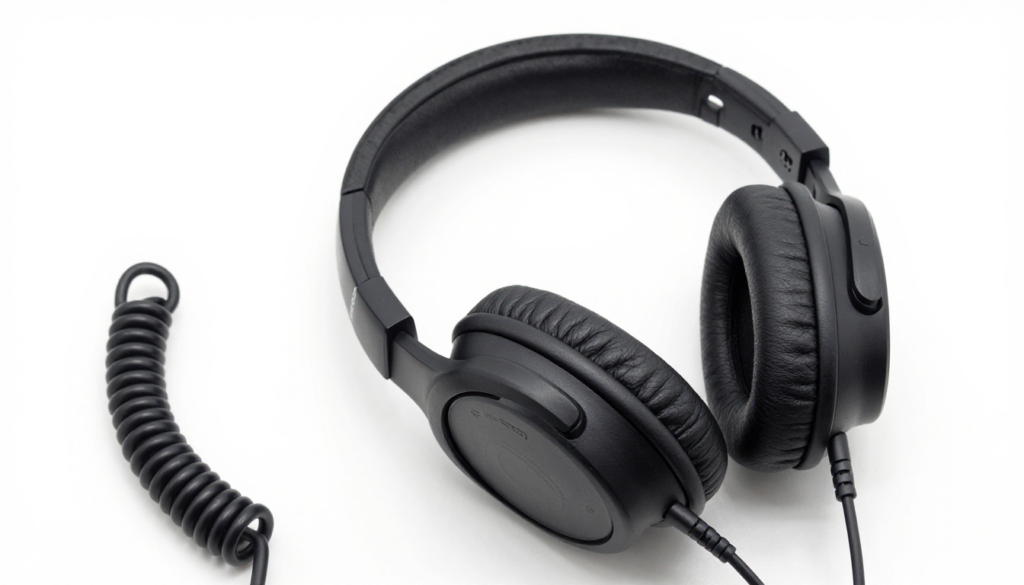
The Audiophile Case for Wired Audio
Serious music listeners have stuck with wired audio for good reason. High-resolution audio files, which can carry detail beyond standard CD quality, require a wired connection to deliver their full potential. Streaming platforms like Tidal and Apple Music now offer lossless audio, and you need wired headphones to actually hear the difference.
Studios, recording engineers, and musicians rely on wired headphones because they cannot afford signal instability. In a professional setting, wireless headphones are simply not an option.
Key Specs to Look For in Wired Headphones
Not all specs matter equally. Here is what you should actually pay attention to before buying.
Driver Size
The driver is the component that converts electrical signals into sound. Larger drivers (40mm to 50mm) generally produce stronger bass and more volume, but driver quality matters more than size alone. A well-tuned 32mm driver can outperform a cheap 50mm one.
Impedance
Impedance is measured in ohms and tells you how much power the headphones need to perform at their best.
Low impedance (16 to 32 ohms) works great with smartphones and laptops. High impedance (250 ohms or more) requires a dedicated headphone amplifier. Pairing high-impedance headphones with a weak source gives you quiet, thin sound. Match your headphones to your source device for best results.
Frequency Response
A standard frequency response range is 20Hz to 20,000Hz, which covers the full range of human hearing. Pay attention to the shape of the curve rather than the raw numbers. Some headphones boost bass, some are flat and accurate, and others emphasize treble. Choose based on how you like your music to sound.
Cable Length and Type
Short cables (1.2m) work well for portable use. Long cables (2m to 3m) suit home listening or studio work. Look for a detachable cable if possible. Cables wear out and break, and a detachable one means you replace the cable, not the whole headphone.
Comfort and Fit
You might wear these for hours at a time. Check for padded ear cups, adjustable headbands, and lightweight builds. Over-ear designs (circumaural) surround the ear and offer better isolation. On-ear designs (supra-aural) sit on the ear and are lighter but can cause fatigue over long sessions.
Best Wired Headphones by Budget
Under $50: Best Budget Wired Headphones
Budget headphones have improved dramatically. You do not need to spend a lot to get solid audio quality.
Audio-Technica ATH-M20x
This is one of the most recommended entry-level studio headphones available. It features 40mm drivers, a closed-back design for passive noise isolation, and a coiled cable. Sound is clear and balanced with decent bass. Build quality feels sturdy for the price.
Sennheiser HD 206
A lightweight over-ear option that works beautifully with phones and laptops. The HD 206 has a wide soundstage for its price point, making it ideal for casual listening and light gaming. Comfort holds up well over longer listening sessions.
Philips SHP9500
This open-back option offers a spacious, natural soundstage. It is breathable and comfortable, making it perfect for long listening sessions. The SHP9500 punches well above its price, and the community around it is enthusiastic and vocal about its value.
$50 to $150: Mid-Range Wired Headphones Worth Every Penny
This price range is where wired headphones really shine. You get professional-grade features without spending a fortune.
Audio-Technica ATH-M50x
The ATH-M50x is arguably the most recommended pair of wired headphones in the world. It delivers a powerful low end, clear mids, and extended highs. The ear cups fold flat for portability. Three interchangeable cables are included. This is the go-to pair for producers, podcasters, and serious listeners.
Sony MDR-7506
This is a legendary studio workhorse. Broadcasters, film studios, and sound engineers have relied on the MDR-7506 for decades. It is lightweight, folds compact, and produces a crisp and detailed sound. If you want to hear your audio the way professionals do, this is the pair to buy.
Beyerdynamic DT 240 Pro
A newer contender from a brand known for precision engineering. The DT 240 Pro features a detachable cable, a lightweight build, and an impressively balanced sound profile. It works without an amplifier and performs well directly from a laptop or phone.
$150 and Above: Premium Wired Headphones for Serious Listeners
At this level, you are investing in an experience. These headphones justify their price with exceptional build quality, longevity, and audio performance.
Beyerdynamic DT 990 Pro
This is a cult-classic open-back headphone with 250 ohms of impedance. The soundstage is wide and airy. Highs sparkle without harshness. Bass is present but never overpowering. You need a headphone amplifier to drive these properly, but the investment is worth it for home listening and mixing.
Sennheiser HD 600
The HD 600 is a reference-class headphone that has remained a benchmark since its introduction in 1997. It produces a remarkably neutral and natural sound. Listeners who love jazz, classical, and acoustic music often consider the HD 600 the ideal tool. It rewards quality recordings with stunning detail retrieval.
AKG K712 Pro
AKG designed the K712 Pro for mixing and mastering professionals. It has a flat frequency response and an exceptionally wide soundstage. The velvet ear pads are supremely comfortable. If you produce music or want the most accurate listen possible, the K712 Pro delivers.
Wired Headphones for Specific Use Cases
Different situations call for different features. Here is how to match your headphones to your lifestyle.
For Gaming
Gamers need clear directional audio, a comfortable fit for long sessions, and ideally a microphone. Look for closed-back headphones with strong bass for immersion, and check if the pair comes with a detachable boom mic or inline mic.
The HyperX Cloud Alpha Wired stands out for gaming. It uses dual-chamber drivers for separated bass and mids, which improves clarity in games where hearing footsteps matters.
For Working From Home
You need good passive noise isolation, a built-in microphone, and comfort for 8-hour days. A closed-back design reduces ambient noise without active noise cancellation hardware, which keeps the price down.
For the Gym
Wired headphones are not always ideal for high-intensity workouts, but if you prefer them, choose a short cable and an on-ear design. Look for sweat-resistant materials and a secure fit.
For Commuting
In-ear wired options offer the best portability. They pack into a pocket, isolate outside noise naturally, and deliver surprisingly good sound. The Etymotic ER2SE is a standout choice for commuters who want audiophile performance in a tiny package.
Common Mistakes Buyers Make
Avoid these pitfalls before you hand over your money.
Ignoring impedance compatibility. Buying a 250-ohm headphone and using it with a phone produces weak, disappointing sound. Always match impedance to your source.
Overlooking cable quality. A great headphone with a cheap cable holds you back. Check whether the cable is detachable and whether the connector is standard (3.5mm or 6.35mm).
Chasing specs over sound signature. Numbers like frequency response charts only tell part of the story. Try to audition headphones if possible, or read reviews from trusted sources that describe the actual listening experience.
Buying for looks. A pair of headphones can look stunning and sound mediocre. Prioritize reviews from audio communities over marketing copy.
How to Take Care of Your Wired Headphones
Good headphones can last many years with proper care.
Store them in a case or on a headphone stand when not in use. Avoid wrapping the cable tightly around the headphones. Coiling a cable repeatedly causes internal wire damage at stress points. Instead, use a loose loop or figure-eight wrap.
Clean ear pads regularly with a lightly damp cloth. Sweat and oils degrade foam and leather pads over time. Many brands sell replacement ear pads separately, which extends the life of your headphones significantly.
If your cable is detachable, unplug it when you are not using the headphones. This reduces connector wear and keeps the connection clean.
Wired vs. Wireless: Which Should You Actually Buy?
This debate comes up constantly. Here is a clear way to think about it.
Choose wired headphones if:
- Sound quality is your top priority
- You use them at a desk or in a fixed location
- You have a tight budget and want the best audio per dollar
- You work in audio production, podcasting, or broadcasting
- You cannot tolerate any audio lag, such as during video editing
Choose wireless headphones if:
- You move around frequently while listening
- You want freedom from cable management
- You exercise or commute and need convenience
- You are willing to spend more for comparable audio quality
Many people own both. A wired pair at home for critical listening and a wireless pair for the gym and commute is a very common and sensible setup.
Conclusion
Wired headphones are not a relic. They are the smart choice for anyone who values audio quality, reliability, and value. You get a direct, lossless connection to your music every time you plug in.
Whether you are buying your first pair or replacing an old favorite, the options available today are better than ever. Start with your budget, think about where and how you listen, and match impedance to your source. You will find a pair that makes every song feel new.
Have a favorite pair of wired headphones you swear by? Or are you on the fence between two options? Drop your thoughts in the comments. Your next great listening experience might be just one cable away.
Frequently Asked Questions
1. Are wired headphones better than wireless for sound quality? Yes, in most cases. Wired headphones deliver an uncompressed audio signal directly from your device. Wireless headphones use Bluetooth, which compresses the audio and can introduce latency. For critical listening and studio work, wired always wins.
2. Do wired headphones work with modern phones that lack a headphone jack? Yes. You can use a USB-C to 3.5mm adapter or a Lightning to 3.5mm adapter depending on your phone. Most adapters are inexpensive and work well for everyday use.
3. What impedance should I look for in wired headphones? If you plan to use headphones with a phone or laptop, choose 16 to 32 ohms. If you have a dedicated amplifier or audio interface, you can use higher impedance headphones (80 to 300 ohms) for better performance.
4. Are open-back or closed-back wired headphones better? It depends on your use case. Open-back headphones offer a wider soundstage and more natural sound but leak audio. Closed-back headphones isolate external noise and keep your audio private. Use open-back at home for casual listening and closed-back in offices or studios.
5. How long do wired headphones typically last? A quality pair of wired headphones can last 5 to 15 years with proper care. The most common failure point is the cable. Choosing headphones with a detachable cable significantly extends their lifespan.
6. Can I use wired headphones for gaming? Absolutely. Many professional gamers prefer wired headphones for zero audio latency and consistent performance. Pair them with a separate clip-on or boom mic for communication.
7. What is the best brand for wired headphones? Audio-Technica, Sennheiser, Beyerdynamic, Sony, and AKG are consistently top-rated brands. Each has strengths in different areas. Audio-Technica and Sony excel in value, while Sennheiser and Beyerdynamic lead in audiophile and studio applications.
8. Do I need a headphone amplifier for wired headphones? Not for most consumer headphones. If your headphones have an impedance of 80 ohms or higher, an amplifier helps. For 16 to 32 ohm headphones, a phone or laptop provides enough power.
9. Are expensive wired headphones worth it? Yes, if audio quality matters to you. There is a clear and noticeable improvement in detail, soundstage, and comfort as you move up in price, especially between the $50 and $200 range. Beyond $300, gains become more incremental and depend on your listening sensitivity.
10. Can children use wired headphones safely? Yes, but choose models with volume-limiting features. Prolonged exposure above 85dB can cause hearing damage. Several brands offer children’s headphones with built-in volume caps at safe levels.
also read: newsbeverage.com
email: johanharwen@314gmail.com
Author Name: James Calloway
About the Author : James Calloway is an audio enthusiast and tech writer with over eight years of experience reviewing consumer electronics. He has tested hundreds of headphones across every price range and writes with a focus on practical, honest advice for everyday listeners and professionals alike. When he is not writing, James is behind a mixing board or hiking with a playlist he spent too long perfecting
