The Ultimate Ford Flex Guide: Why This Versatile SUV Still Wins Hearts 2026
Introduction
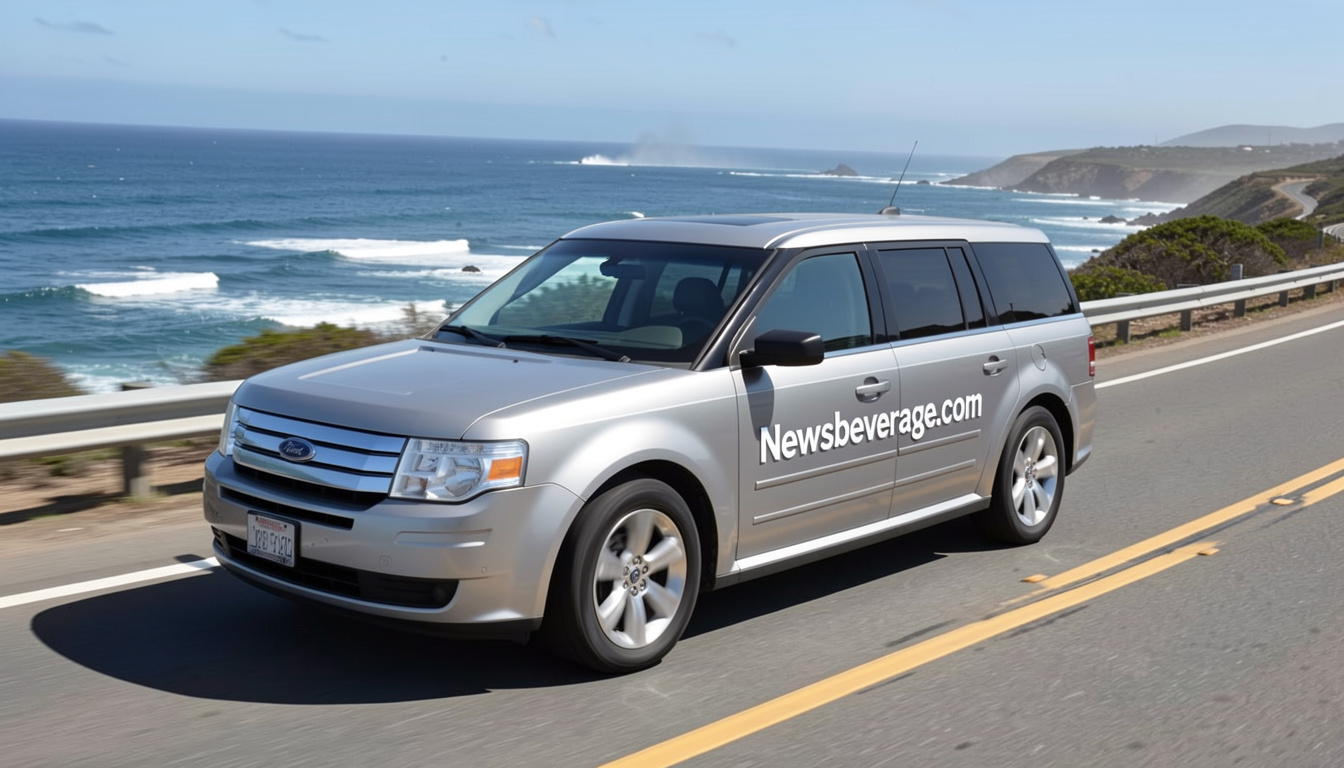
When you think about family SUVs that break the mold, the Ford Flex immediately stands out. This isn’t your typical rounded, cookie-cutter crossover. The Ford Flex brings something different to the table—a boxy, retro-inspired design that turns heads while delivering serious practicality.
You’ve probably seen one cruising down the highway and thought, “What is that?” That’s the Flex effect. It’s distinctive, spacious, and surprisingly capable. Whether you’re hauling kids to soccer practice, loading up for a road trip, or just need a reliable daily driver with personality, the Ford Flex has earned its spot in the conversation.
In this guide, we’ll dive deep into what makes the Ford Flex special. You’ll learn about its history, features, performance capabilities, and whether it’s the right choice for your needs. We’ll also tackle common questions and concerns so you can make an informed decision. Let’s get started.
The History and Evolution of the Ford Flex
How the Ford Flex Came to Be
Ford introduced the Flex in 2009 as a bold experiment. The automotive world was dominated by rounded SUVs and crossovers. Ford took a risk with the Flex’s retro, station wagon-inspired design. Think of it as a modern interpretation of the classic American family hauler.
The Ford Flex was built on the same platform as the Ford Taurus and Lincoln MKT. This D4 platform gave it a solid foundation. From day one, the Flex offered three rows of seating and generous cargo space. Ford positioned it as a lifestyle vehicle for families who wanted something different.
Production Run and Discontinuation
The Ford Flex enjoyed a decade-long production run from 2009 to 2019. During this time, it received a mid-cycle refresh in 2013. This update brought styling tweaks, improved technology, and enhanced safety features. Despite its loyal following, Ford discontinued the Flex in 2019 as part of its strategic shift away from sedans and traditional SUVs.
The discontinuation doesn’t diminish the Ford Flex’s appeal. In fact, it’s made well-maintained used models more sought after. You can still find plenty of Ford Flex vehicles on the used market. Many are loaded with features and have been well cared for by their original owners.
Ford Flex Design: Standing Out from the Crowd
That Unmistakable Boxy Exterior
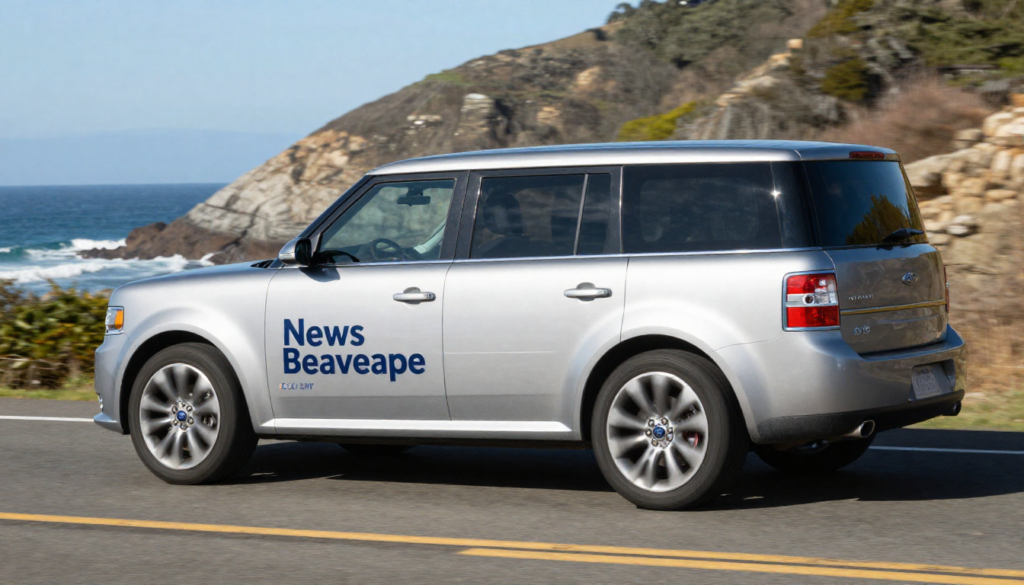
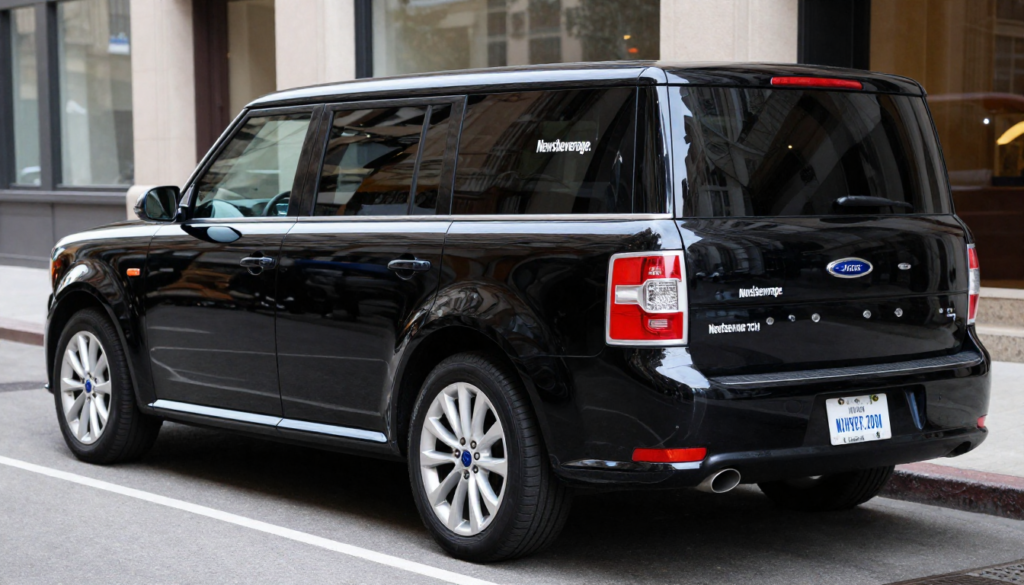
The Ford Flex’s design is polarizing, and that’s precisely the point. You either love it or you don’t, but you definitely notice it. The boxy silhouette sets it apart from every other SUV on the road. It’s long, wide, and has clean lines that give it an almost retro-futuristic vibe.
One of the most distinctive features is the optional two-tone paint scheme. You can get the Ford Flex with a contrasting roof color. This adds to its unique character. The wraparound rear glass is another standout element. It’s not just for show—it provides excellent visibility for the driver.
Spacious and Functional Interior
Step inside the Ford Flex, and you’ll immediately notice the space. This isn’t an exaggeration. The cabin is genuinely massive. Three rows of seating accommodate up to seven passengers comfortably. Unlike many three-row SUVs where the third row is basically a penalty box, the Flex’s third row is actually usable.
The second row can be configured with either a bench seat or captain’s chairs. The captain’s chairs are the premium choice. They make it easier to access the third row and provide individual comfort for passengers. The Ford Flex’s interior materials have improved over the years. Later models feature soft-touch surfaces and higher-quality trim pieces.
Storage is abundant throughout the cabin. You’ll find cubbies, bins, and compartments everywhere. The center console is massive. Cup holders are strategically placed. There’s even a hidden storage compartment under the rear cargo floor. Ford clearly designed the Flex with real-world family needs in mind.
Performance and Capability
Engine Options That Deliver
The Ford Flex came with two engine choices. The base engine is a 3.5-liter V6 that produces 287 horsepower. This engine provides adequate power for most driving situations. It’s smooth, refined, and capable of highway cruising without breaking a sweat.
But if you want more excitement, the Ford Flex offers a turbocharged 3.5-liter EcoBoost V6. This engine cranks out an impressive 365 horsepower. That’s serious performance for a family SUV. The EcoBoost transforms the Flex from a comfortable cruiser into a surprisingly quick vehicle. Zero to sixty happens in about six seconds with the EcoBoost.
Both engines pair with a six-speed automatic transmission. The transmission shifts smoothly and predictably. It’s not the most advanced gearbox by today’s standards, but it gets the job done reliably. Fuel economy is reasonable for the vehicle’s size. The base V6 achieves around 18 mpg combined. The EcoBoost gets slightly less at about 17 mpg combined.
All-Wheel Drive Capability
The Ford Flex offers available all-wheel drive on both engine options. The AWD system is a traditional mechanical setup, not the electronically controlled systems found in many modern crossovers. This gives it a more direct feel. The system automatically distributes power to all four wheels when needed.
While the Ford Flex isn’t designed for serious off-roading, the AWD system handles inclement weather beautifully. Snow, rain, and slippery conditions are no problem. The Flex’s low center of gravity also contributes to stable handling. You won’t feel like you’re driving a tall, tippy SUV. It feels planted and secure.
Technology and Features
Ford SYNC and Infotainment
Technology in the Ford Flex has evolved throughout its production run. Early models featured Ford’s SYNC system, which was relatively advanced for 2009. Later models received SYNC 3, which offers a much-improved touchscreen interface. The system includes smartphone integration through Apple CarPlay and Android Auto.
The available Sony audio system is a highlight. This 12-speaker setup delivers excellent sound quality. If you’re an audiophile, you’ll appreciate the clarity and depth. The Ford Flex can also be equipped with rear-seat entertainment. Dual headrest-mounted screens keep backseat passengers entertained on long trips.
Navigation is available on higher trims. The system works well, though many people now prefer using their smartphone apps. Voice commands through SYNC allow hands-free control of many functions. You can make calls, change music, and adjust climate settings without taking your hands off the wheel.
Comfort and Convenience Features
The Ford Flex came loaded with convenience features, especially on higher trims. Power liftgate makes loading cargo effortless. Remote start allows you to warm up or cool down the cabin before you get in. Heated and cooled front seats are available, as are heated second-row seats.
The panoramic vista roof is a popular option. It’s huge, stretching over both the first and second rows. It makes the cabin feel even more spacious and airy. MyFord Touch (later replaced by SYNC 3) controls climate, audio, and other settings through a touchscreen interface.
Ambient lighting allows you to customize the cabin’s mood. Keyless entry and push-button start are standard on many trims. A refrigerated center console is available—yes, you read that right. You can keep drinks cold during your drive. These thoughtful touches show Ford’s attention to detail with the Flex.
Safety Ratings and Features
Crash Test Performance
Safety is paramount in any family vehicle, and the Ford Flex performs well in this department. The National Highway Traffic Safety Administration (NHTSA) gave the Flex a five-star overall safety rating. It scored particularly well in side-impact protection.
The Insurance Institute for Highway Safety (IIHS) also tested the Ford Flex. Results varied slightly by year, but overall the Flex earned good ratings in most crash tests. The structure is solid and robust. That boxy design isn’t just for looks—it provides excellent protection for occupants.
Advanced Safety Technologies
Later model Ford Flex vehicles came equipped with advanced safety features. Blind-spot monitoring helps you change lanes safely. Cross-traffic alert warns you of approaching vehicles when backing out. A rearview camera is standard across the lineup.
Adaptive cruise control is available on higher trims. This system maintains a set distance from the vehicle ahead. It’s a great feature for highway driving and reduces fatigue on long trips. The Ford Flex also offers inflatable rear seat belts. These provide additional protection for rear passengers, especially children.
Parking sensors make maneuvering the Flex’s considerable length easier. While it’s a large vehicle, these aids help you avoid bumps and scrapes. Overall, the Ford Flex provides peace of mind when transporting your precious cargo.
Cargo Space and Versatility
Room for Everything
One of the Ford Flex’s biggest strengths is cargo capacity. Behind the third row, you get 20 cubic feet of space. That’s enough for several suitcases or a week’s worth of groceries. Fold down the third row, and you unlock 43.2 cubic feet. This is where the Flex starts to shine for hauling gear.
Drop both rear rows, and you’re rewarded with a cavernous 83.2 cubic feet of cargo space. The load floor is flat and low, making it easy to slide heavy items in and out. You could fit furniture, camping gear, sports equipment—pretty much anything your active lifestyle demands.
The Ford Flex’s square cargo area is more usable than many competitors. Rounded SUVs waste space with their curved shapes. The Flex’s boxy design maximizes every inch. Cargo tie-downs help secure items. The power-folding third row makes reconfiguring the space quick and effortless.
Towing Capacity
Need to tow a trailer or boat? The Ford Flex can handle it. When properly equipped, the Flex can tow up to 4,500 pounds. That’s enough for a small camper, a boat, or a utility trailer. The EcoBoost model is the better choice if towing is a priority. Its extra power makes pulling loads less stressful.
Ford offers a factory towing package that includes a trailer sway control system. This technology helps maintain stability when towing. You’ll also get an integrated trailer brake controller. These features make the Ford Flex a capable towing platform for weekend adventures.
Ownership Experience and Reliability
How Reliable Is the Ford Flex?
Reliability is a mixed bag with the Ford Flex. Overall, owners report generally positive experiences. The platform and engines are proven and shared across multiple Ford products. This means parts availability is good and mechanics are familiar with the systems.
Common issues reported include the following. The power transfer unit (PTU) in AWD models can develop leaks. Regular maintenance helps prevent this. Some owners have experienced problems with the water pump. The MyFord Touch system in earlier models can be glitchy. Ford addressed many of these issues with software updates.
The EcoBoost engine requires premium fuel for optimal performance. This is an ongoing cost to consider. Turbocharged engines also require more maintenance than naturally aspirated ones. Regular oil changes are critical. Overall, if you maintain the Ford Flex properly, it should serve you well for many years.
Cost of Ownership
Fuel costs for the Ford Flex are moderate for its class. You’re not getting hybrid-level efficiency, but it’s reasonable. Insurance rates are typically average for a midsize SUV. Parts and service costs are in line with other Ford vehicles. The Flex uses common components, which keeps repair costs manageable.
Depreciation has been relatively steep for the Ford Flex. This is actually good news for used buyers. You can find well-equipped models at attractive prices. The discontinuation means values may stabilize as the supply decreases. Well-maintained examples could become collectible given the Flex’s unique character.
Tires for the Ford Flex can be expensive due to the size. Many models came with 19 or 20-inch wheels. Replacement tires for these sizes cost more than smaller alternatives. Budget for this in your ownership costs.
Who Should Buy a Ford Flex?
Perfect for Growing Families
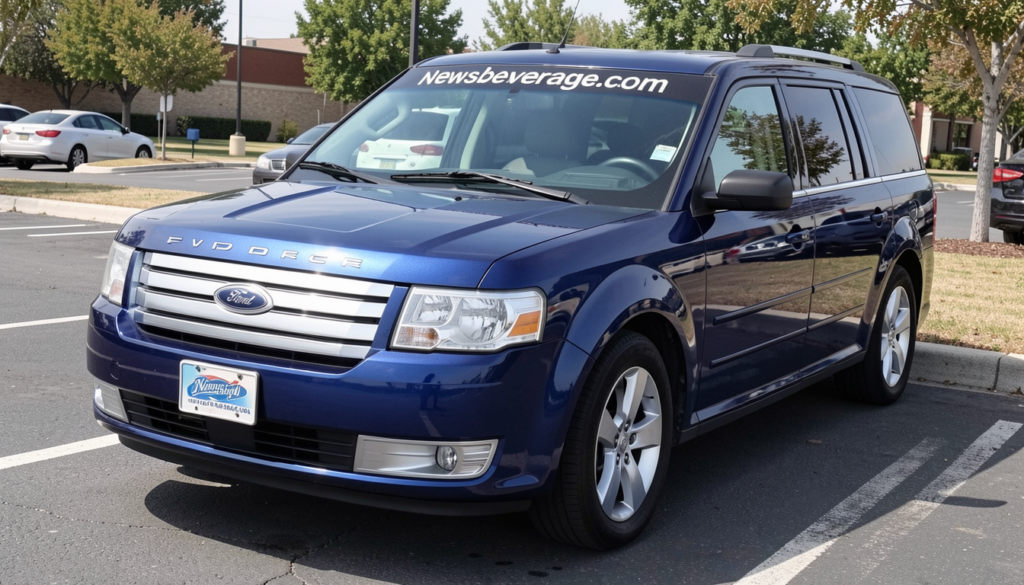
The Ford Flex is ideal if you have a growing family. Three rows of actual usable seating make it perfect for multiple kids and their friends. The space means nobody feels cramped on road trips. You can carry all the gear that comes with family life—strollers, sports equipment, luggage.
Parents appreciate the Ford Flex’s practical features. The refrigerated console keeps drinks and snacks fresh. Multiple USB ports let everyone charge their devices. Rear-seat entertainment keeps kids occupied. The cabin is quiet, making conversations easy.
Road Trip Enthusiasts
If you love road trips, the Ford Flex is an excellent companion. The comfortable seats support long-distance driving. The smooth ride quality reduces fatigue. Ample cargo space swallows up vacation gear. The EcoBoost model provides confident passing power on highways.
The Ford Flex’s unique style makes it easy to spot in crowded parking lots. You won’t lose your vehicle in a sea of identical crossovers. That distinctive look becomes part of your travel identity.
Those Who Value Individuality
The Ford Flex appeals to buyers who want something different. If you’re tired of generic SUVs, the Flex offers a refreshing alternative. Its retro-modern styling makes a statement. You’re not following trends—you’re setting your own path.
This vehicle attracts creative types, families who prioritize function, and anyone who appreciates good design. The Ford Flex has developed a loyal following. Owners often wave to each other on the road. There’s a sense of community among Flex enthusiasts.
Buying a Used Ford Flex: What to Look For
Model Years to Target
If you’re shopping for a used Ford Flex, target 2013 and newer models. The mid-cycle refresh brought significant improvements. You’ll get updated styling, better technology, and enhanced features. The 2013-2019 models represent the best combination of features and value.
Look for models equipped with the features you want. The Limited trim offers the most luxury. The SEL strikes a good balance between features and price. Titanium models are rare but worth seeking out. They came standard with many desirable features.
Pre-Purchase Inspection Points
Always get a pre-purchase inspection before buying a used Ford Flex. Have a mechanic check the following areas. Inspect the PTU for leaks on AWD models. Check the turbos on EcoBoost engines for proper operation. Test all electronic features—power liftgate, seats, infotainment system.
Look for service records showing regular maintenance. The Ford Flex requires consistent care to perform its best. Check for signs of accident damage, especially around the frame. Test drive the vehicle thoroughly. Listen for unusual noises. Feel how the transmission shifts. Make sure the AWD system engages properly.
Inspect the interior carefully. Check all three rows of seats for wear. Test climate control in all zones. Make sure the panoramic roof opens and closes smoothly. Look for water stains that might indicate leaks.
Alternatives to Consider
How the Ford Flex Compares
If you’re considering a Ford Flex, you might also look at these alternatives. The Chevrolet Traverse offers three rows and good cargo space. It’s more conventional in styling. The Honda Pilot is known for reliability and holds value well. The Dodge Durango provides a sportier driving experience and available V8 power.
The Mazda CX-9 offers better handling but less cargo space. The Toyota Highlander is the reliability champion but lacks the Flex’s unique character. The Volkswagen Atlas provides similar space with German engineering. Each has strengths, but none match the Ford Flex’s distinctive personality.
The closest spiritual successor to the Ford Flex is probably the Subaru Ascent. It offers three rows, AWD, and a family-friendly design. However, it lacks the Flex’s bold styling statement.
The Ford Flex Community and Culture
Enthusiast Following
The Ford Flex has developed a passionate owner community. Online forums and Facebook groups connect Flex owners nationwide. Enthusiasts share tips, modifications, and experiences. The community is welcoming and helpful to new owners.
Some owners modify their Ford Flex vehicles with custom wheels, lowered suspensions, and performance upgrades. The EcoBoost model especially lends itself to tuning. Others focus on enhancing comfort with upgraded audio systems and interior touches.
Annual meetups bring Flex owners together. These gatherings celebrate the vehicle’s unique place in automotive culture. The Ford Flex may be discontinued, but its community ensures it won’t be forgotten.
Conclusion
The Ford Flex carved out a unique niche in the SUV market. It dared to be different with bold styling and practical design. Whether you prioritize space, comfort, performance, or individuality, the Ford Flex delivers. Its discontinuation in 2019 hasn’t diminished its appeal—if anything, it’s made these vehicles more special.
For families needing serious space without sacrificing style, the Ford Flex remains an excellent choice. The used market offers great values on well-equipped models. If you’re tired of cookie-cutter crossovers and want something with personality, give the Ford Flex a serious look. You might just find your perfect family hauler with a side of cool.
Are you ready to join the Ford Flex family? Start your search today and discover why this distinctive SUV continues to win hearts.
FAQs About the Ford Flex
1. Is the Ford Flex reliable for high mileage?
Yes, the Ford Flex can be reliable at high mileage with proper maintenance. Regular oil changes, fluid services, and addressing issues promptly are key. Many owners report trouble-free operation beyond 100,000 miles.
2. Does the Ford Flex require premium gas?
The EcoBoost turbocharged engine requires premium fuel for optimal performance and fuel economy. The base V6 engine runs fine on regular unleaded gasoline. Check your owner’s manual for specific recommendations.
3. How does the Ford Flex handle in snow?
The Ford Flex with all-wheel drive handles snow exceptionally well. Its low center of gravity provides stability. The AWD system effectively distributes power to all four wheels. Many owners in snowy climates praise its winter performance.
4. What’s the best year to buy a used Ford Flex?
The 2013-2019 model years are best due to the mid-cycle refresh. These years offer updated technology, improved styling, and refined features. The 2017-2019 models represent the most recent and refined versions.
5. Can the Ford Flex tow a camper?
Yes, the Ford Flex can tow up to 4,500 pounds when properly equipped. This capacity handles small campers, boats, and utility trailers. The EcoBoost model is better suited for regular towing due to its higher power output.
6. What are common problems with the Ford Flex?
Common issues include PTU leaks on AWD models, water pump failures, and occasional transmission concerns. The MyFord Touch system in earlier models can be problematic. Most issues are preventable with regular maintenance and prompt repairs.
7. How many miles can a Ford Flex last?
With proper care, a Ford Flex can easily last 200,000 miles or more. The key is consistent maintenance, using quality parts, and addressing problems early. Many owners report reliable service well into the high-mileage range.
8. Is the Ford Flex good for tall drivers?
Yes, the Ford Flex offers excellent headroom and legroom for tall drivers. The upright seating position and spacious cabin accommodate people of all sizes comfortably. Even the third row can fit adults for shorter trips.
9. What is the fuel economy of the Ford Flex?
The base V6 achieves approximately 16-18 mpg city and 24-25 mpg highway. The EcoBoost V6 gets about 15-16 mpg city and 21-22 mpg highway. Actual mileage varies based on driving conditions and habits.
10. Are Ford Flex parts expensive?
Parts for the Ford Flex are reasonably priced compared to luxury SUVs. Since it shares components with other Ford vehicles, parts availability is good. Regular maintenance items like brakes and filters are affordable. Specialty parts may cost more but aren’t prohibitively expensive.
Also Read : Sad Emoji