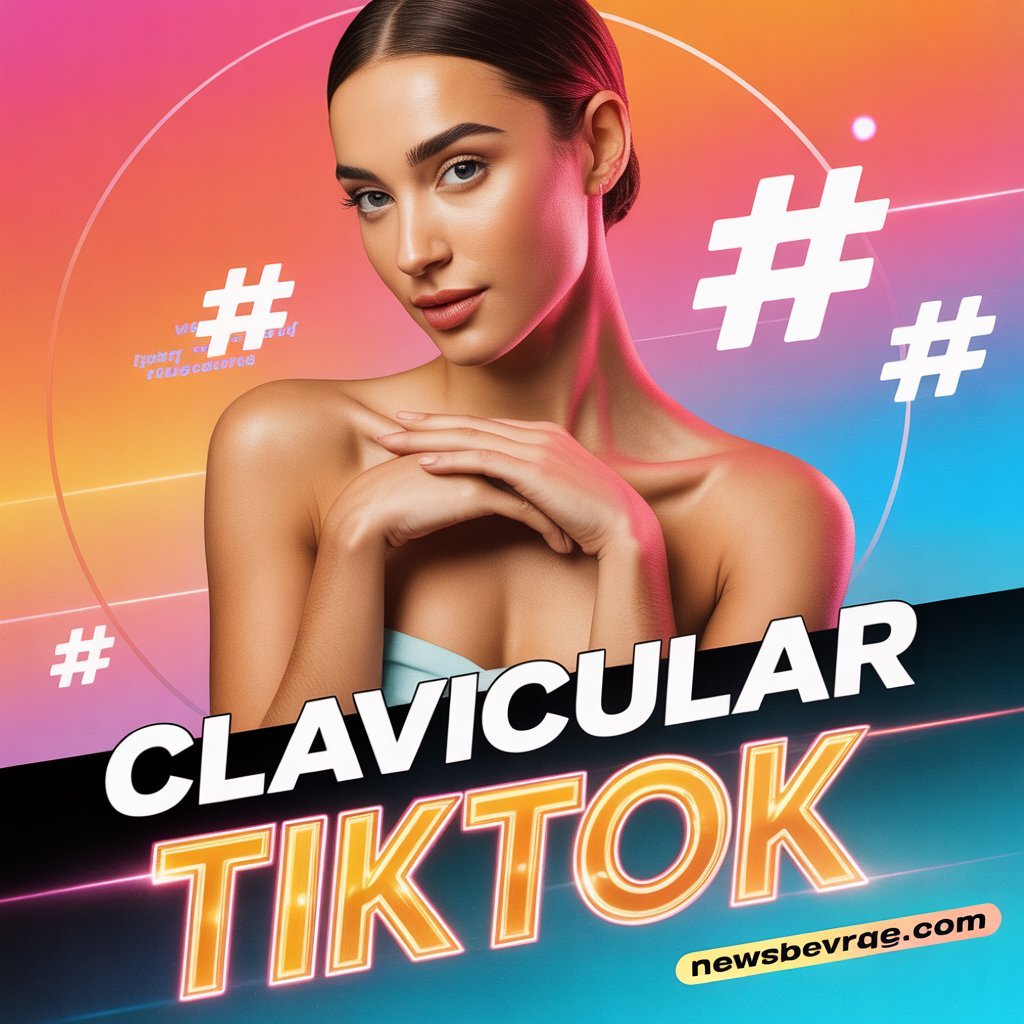
Clavicular TikTok: The Dangerous Trend You Must Know in 2026
Clavicular TikTok: The Dangerous Trend You Must Know
Have you ever scrolled TikTok and suddenly felt like your body was not good enough? You’re not alone. A new wave of body-focused content has taken over the app, and clavicular TikTok is right at the center of it.
This trend puts the collarbone, known medically as the clavicle, in the spotlight. People are filming their collarbones, comparing them, stacking coins on them, and even chasing extreme thinness to make them more visible. It sounds harmless at first. But the deeper you look, the more alarming it gets.
In this article, you will learn exactly what clavicular TikTok is, why it went viral, what the health risks are, and what doctors and mental health experts actually think about it. You will also find out what you can do if this content has affected you or someone you know.
What Is Clavicular TikTok?
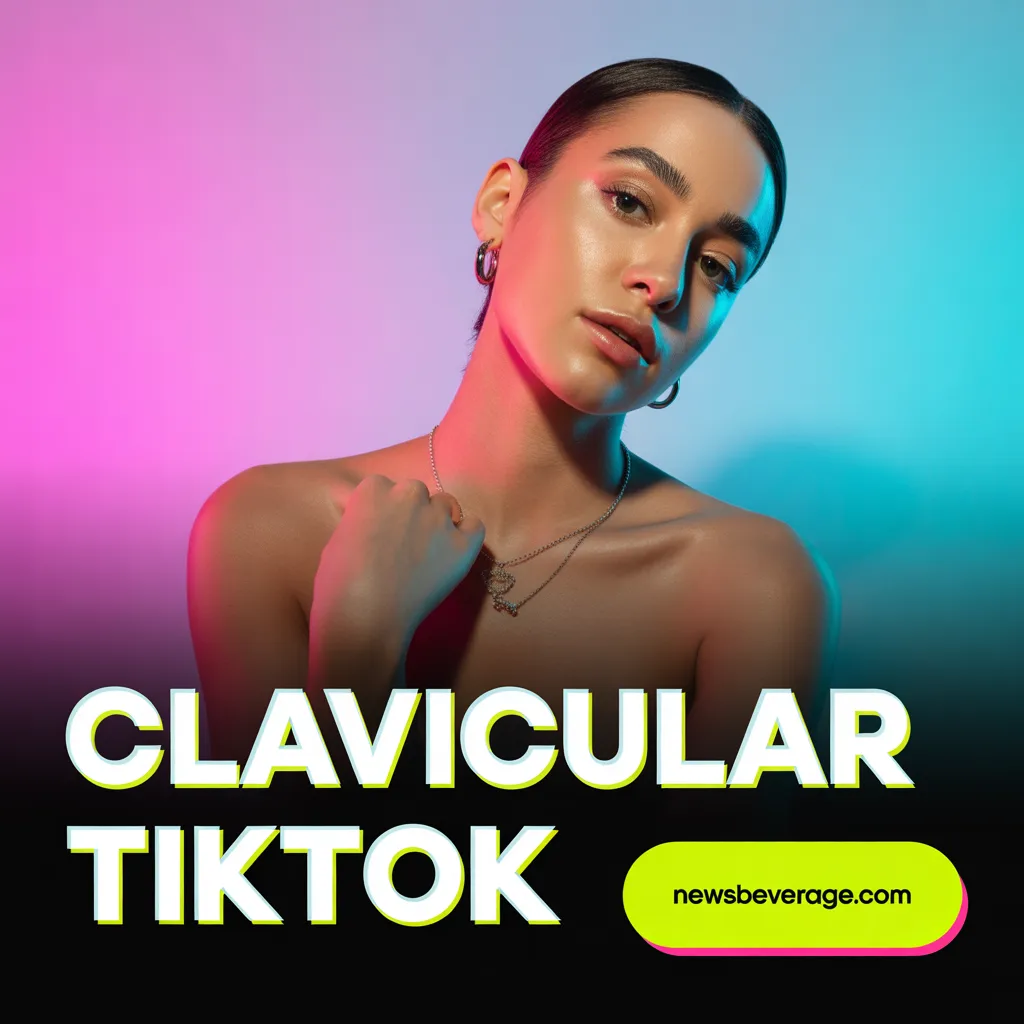
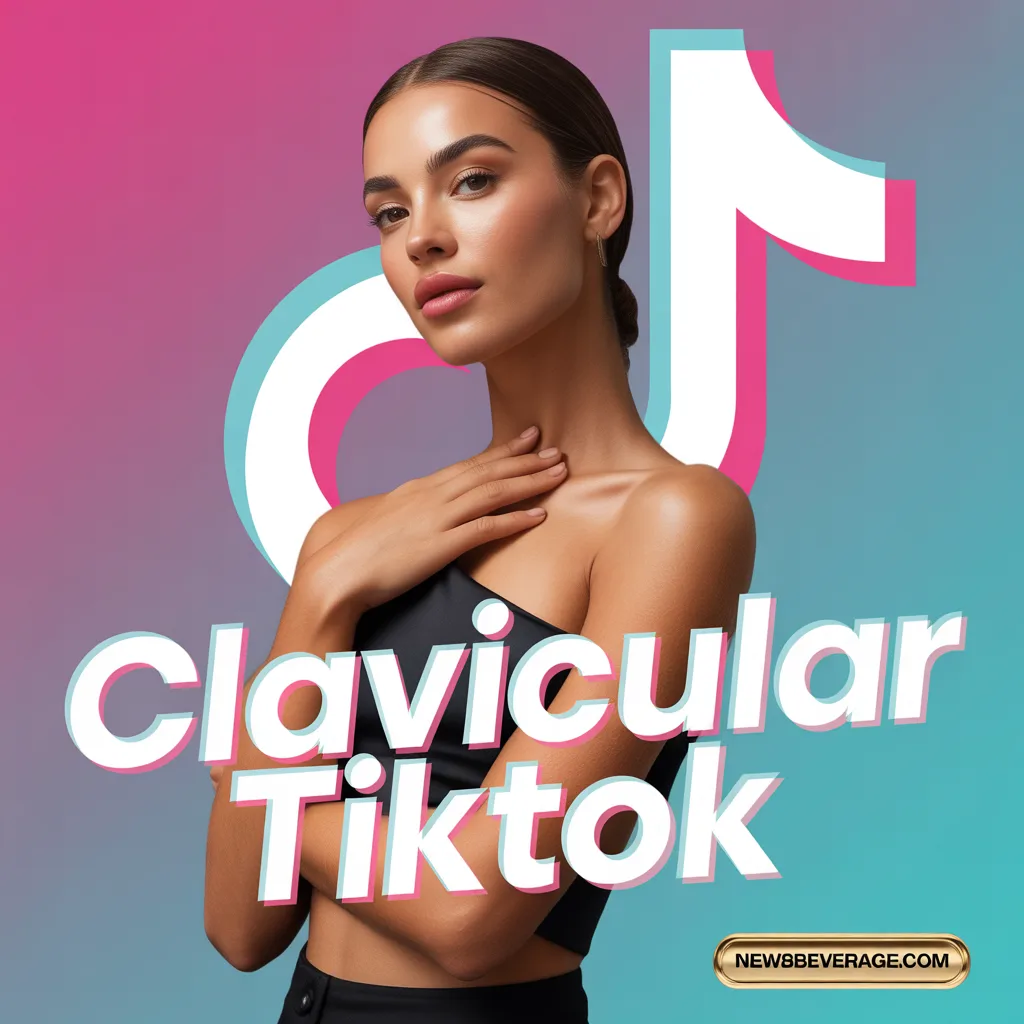
Clavicular TikTok refers to a category of viral videos on TikTok that highlight the collarbone as a symbol of attractiveness and thinness.
The trend started with users posting close-up videos of their visible collarbones. Some placed coins, jewelry, or small objects in the hollow of the bone to show how pronounced it was. Others used specific camera angles, lighting, and posing to make their collarbone look sharper.
The hashtag associated with these videos quickly racked up millions of views. Teens and young adults were the biggest audiences and creators. What began as aesthetic content slowly turned into a benchmark for body image.
The collarbone became a measuring stick. If yours was not visible enough, the comment sections, duets, and stitches on TikTok made sure you knew it.
Why Did Clavicular TikTok Go Viral?
TikTok’s algorithm is designed to show you more of what you engage with. If you pause on a body image video, even for a second, the algorithm takes note. It feeds you more.
Here is why clavicular TikTok spread so fast:
Relatability and comparison culture. People naturally compare themselves to others. TikTok makes this effortless. One video leads to a rabbit hole of similar content.
The “thinspiration” revival. Body ideals from the early 2000s are back. The ultra-thin aesthetic that once dominated magazines is now living on short-form video. Clavicular TikTok fits perfectly into this revival.
Social validation. Videos showing prominent collarbones get likes, comments, and shares. Creators get positive reinforcement for posting this content. This encourages more of it.
Duet and stitch features. TikTok’s unique format lets users react to videos directly. This multiplies the spread of any trend, including harmful ones.
According to a 2023 report by the Center for Countering Digital Hate, TikTok’s algorithm served eating disorder content to new users within just 30 minutes of them creating an account. Clavicular TikTok fits squarely into that ecosystem.
The Health Risks Behind the Trend
This is where things get serious. Clavicular TikTok is not just an aesthetic trend. It carries real, documented health risks.
Eating Disorders and Disordered Eating
The most immediate concern is the link between clavicular content and disordered eating behaviors. When the visible collarbone becomes a beauty goal, some people pursue it through extreme dieting, restriction, or over-exercising.
The National Eating Disorders Association (NEDA) has consistently warned that “thinspiration” content, including videos that idealize visible bones, can trigger or worsen eating disorders. Anorexia nervosa has the highest mortality rate of any psychiatric illness. We cannot treat this lightly.
Young people who already have body image concerns are especially vulnerable. A study published in the International Journal of Eating Disorders found that exposure to appearance-focused social media content significantly increased body dissatisfaction among adolescents.
Bone and Muscle Health
Ironically, pursuing a sharp clavicle by extreme weight loss actually harms your bones. Your body needs fat, calcium, and nutrients to maintain healthy bone density. Severe restriction leads to loss of bone mass, weakened muscles, and increased fracture risk.
The clavicle itself is one of the most commonly fractured bones in the human body. Making it the goal of a weight loss trend is medically backwards.
Mental Health Impact
Constant exposure to body-focused content damages mental health. Studies link heavy social media use with increased rates of anxiety, depression, and low self-esteem, particularly among teenage girls.
When you spend time watching clavicular TikTok videos, your brain starts to interpret those bodies as “normal” even when they represent extreme thinness. This distorted baseline makes you feel worse about your own body, even if you are perfectly healthy.
What Doctors and Experts Say
Medical professionals have been vocal about trends like clavicular TikTok.
Dr. Jennifer Gaudiani, an internist specializing in eating disorders, has stated in multiple interviews that social media trends that highlight specific bones or body parts as beauty ideals are clinically dangerous. She emphasizes that these trends normalize a body type that is only achievable, for most people, through harmful means.
Psychologists also point out the “compare and despair” dynamic at work. When you see hundreds of videos of visible collarbones paired with praise in the comments, your brain starts to associate that image with worth and desirability. This is not a minor aesthetic preference. It is a conditioned response that can take years to undo.
Dietitians warn that pursuing a specific body aesthetic through food restriction disconnects people from their body’s hunger and fullness signals. This can lead to long-term metabolic disruption, not just short-term weight loss.
TikTok’s Response to Harmful Body Content
TikTok has faced intense scrutiny over body image content for years. Here is where things stand today.
TikTok updated its Community Guidelines to restrict content that promotes, glorifies, or encourages eating disorders or extreme dieting. The platform has also added warning labels to some searches related to eating disorders, directing users toward helpline resources.
However, critics argue that enforcement is inconsistent. Content that stops just short of explicit promotion often slips through. Algorithmic amplification continues to push body-focused content to vulnerable users.
In 2024, TikTok introduced a feature allowing users to opt out of content related to weight and diet. This is a step forward. But many users, especially young teens, do not know this option exists.
You can turn off this setting yourself. Go to your TikTok profile, tap the menu, select “Content Preferences,” and adjust your “Restricted Mode” and content filters.
How to Protect Yourself and Young People Around You
If clavicular TikTok content has appeared on your feed, here is what you can do.
Use the “Not Interested” button. Tap and hold any video, then select “Not Interested.” Do this consistently and your algorithm will shift.
Follow body-neutral or body-positive creators. Fill your feed with content that celebrates movement, strength, and function, not appearance.
Have open conversations with teenagers. Do not ban TikTok outright. Instead, talk about what they are seeing. Ask them how certain content makes them feel. Research shows that media literacy education is one of the most effective tools against harmful body image content.
Recognize early warning signs. If someone you know starts obsessing over their collarbone, talks frequently about needing to lose weight to “look good,” or changes their eating habits after heavy social media use, take it seriously. Early intervention is key in eating disorder prevention.
Seek professional help when needed. If you or someone you know is struggling with body image or disordered eating, reach out to a healthcare provider or mental health professional. You do not need to wait until things become severe.
The Bigger Picture: Social Media and Body Image
Clavicular TikTok does not exist in isolation. It is part of a much larger pattern of appearance-focused social media content that has real consequences for public health.
Body ideals have always been shaped by media. What is new is the scale and the speed. TikTok can take a niche aesthetic and push it to 50 million people within 48 hours. The algorithms do not ask whether a trend is healthy before amplifying it.
A 2021 internal study by Facebook, later leaked to the Wall Street Journal, found that Instagram made body image issues worse for one in three teenage girls. TikTok operates under similar dynamics. These are not surprises. They are documented outcomes of platforms designed to maximize engagement.
Awareness is not enough on its own. But it is a start. When you understand what clavicular TikTok is actually selling, you are better equipped to reject it.

Conclusion
Clavicular TikTok is more than a fleeting social media moment. It is a window into how beauty standards, algorithm design, and body image intersect in ways that cause real harm.
The trend glamorizes an aesthetic that, for most people, is only achievable through unhealthy means. It reaches millions of young, impressionable users daily. And it thrives in a content ecosystem that rewards engagement over wellbeing.
You deserve better content on your feed. The people around you deserve better, too.
If this article made you think, share it with someone who needs to hear it. And if you’re a parent, teacher, or anyone who works with young people, start the conversation. The more we talk openly about what these trends are really doing, the less power they hold.
Have you seen clavicular TikTok content on your feed? What was your reaction? Drop your thoughts in the comments below.
Frequently Asked Questions
1. What does “clavicular” mean on TikTok? On TikTok, “clavicular” refers to content that highlights the collarbone as a beauty ideal. These videos often show prominent collarbones and frame them as attractive or desirable.
2. Is clavicular TikTok dangerous? Yes, it can be. The trend promotes a thin body ideal linked to disordered eating, negative body image, and mental health struggles, especially in young users.
3. Why is the collarbone trending on TikTok? The collarbone became a trending body feature due to TikTok’s algorithm amplifying aesthetic content focused on thinness, combined with a broader revival of early 2000s ultra-thin beauty standards.
4. How does TikTok handle eating disorder content? TikTok has Community Guidelines against content that promotes eating disorders. It also adds warning labels to some searches. However, enforcement is uneven and harmful content still gets through.
5. Can TikTok cause eating disorders? TikTok alone does not cause eating disorders, but research shows that exposure to appearance-focused content significantly increases body dissatisfaction and can trigger disordered eating in vulnerable individuals.
6. How do I remove body image content from my TikTok feed? Tap “Not Interested” on videos you do not want to see. Go to your settings and adjust content preferences to reduce weight and diet-related content.
7. What should I do if a teenager is obsessed with their collarbone or weight? Have a calm, non-judgmental conversation. Ask how they are feeling. If you notice disordered eating behaviors, seek support from a doctor or eating disorder specialist early.
8. Are there body-positive alternatives to follow on TikTok? Yes. Creators focused on intuitive eating, body neutrality, strength-based fitness, and mental health provide healthier content. Search terms like “body neutral” or “intuitive eating” to find them.
9. Is the clavicle coin challenge part of clavicular TikTok? Yes. The clavicle coin challenge, where users balance coins in their collarbone hollow, is one of the most well-known formats within the clavicular TikTok trend.
10. What is the best resource if I am struggling with body image? Contact the National Alliance for Eating Disorders helpline or speak with your primary care provider. If you are in crisis, reach out to a mental health professional immediately.
Author Bio: Johan Harwen is a health and wellness writer with over six years of experience covering mental health, nutrition, and digital culture. She specializes in translating complex medical topics into clear, accessible content for everyday readers. When she’s not writing, she advocates for media literacy and body-positive education.
Also read Newabeverage.com
Email : johanharwen314@gmail.com
Author Name : Johan Harwen