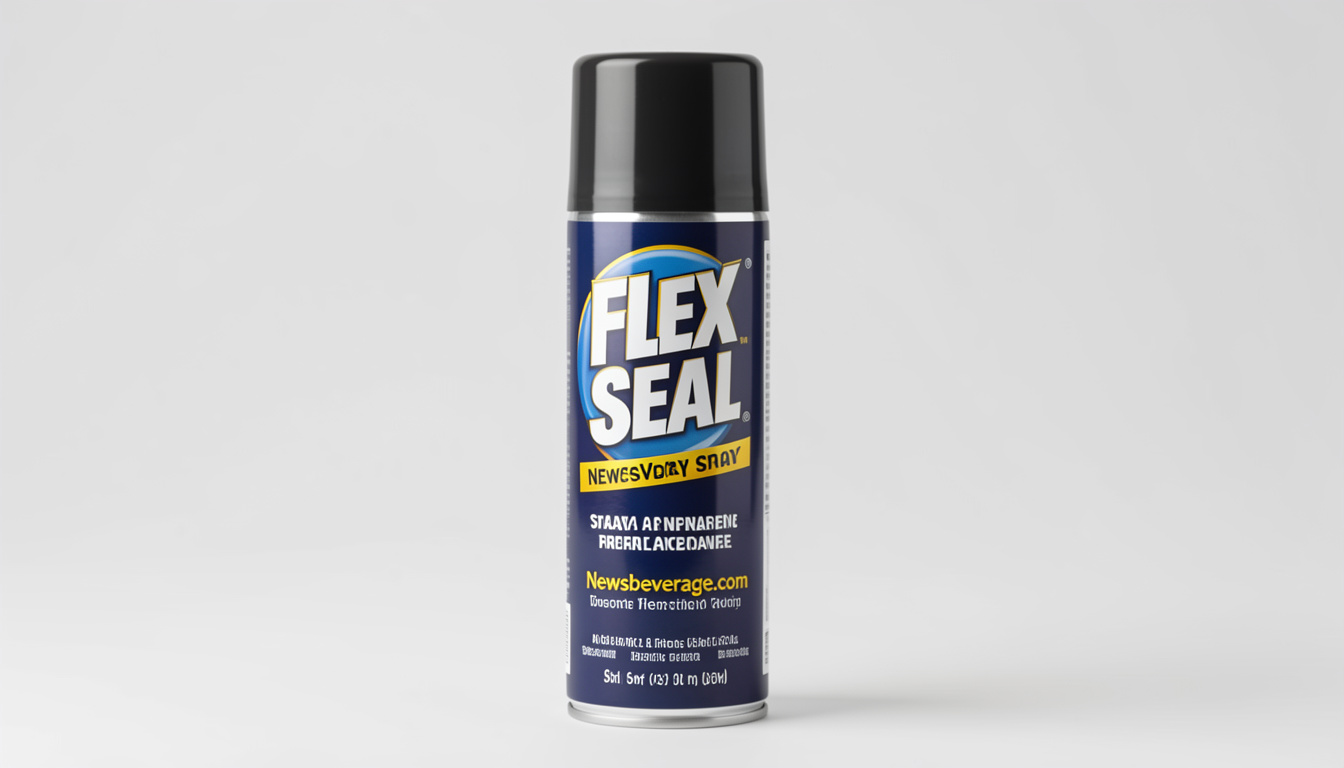
Flex Seal Spray: Amazing Leak-Sealing Power That Actually Works 2026
Introduction
You’ve probably seen the infomercials. A boat sawed in half, patched with Flex Seal Spray, and somehow it still floats. Sounds too good to be true, right? Yet thousands of homeowners, DIY enthusiasts, and contractors swear by this product for emergency repairs and waterproofing projects.
Flex Seal Spray isn’t just another snake oil product from late-night TV. It’s a rubberized coating in a can that actually seals leaks, cracks, and holes on various surfaces. Whether you’re dealing with a leaky gutter, a cracked flowerpot, or a hole in your roof, this spray-on sealant promises to stop water in its tracks.
In this article, you’ll discover exactly what Flex Seal Spray is made of, how it works, where you should (and shouldn’t) use it, and practical tips to get professional-looking results. We’ll also address common questions and concerns so you can decide if this product deserves a spot in your tool shed.
What Exactly Is Flex Seal Spray?
Flex Seal Spray is a liquid rubber sealant that comes in an aerosol can. When you spray it onto a surface, it seeps into cracks and holes, then dries to form a flexible, waterproof barrier. The formula was developed by Swift Response LLC and became famous through aggressive marketing campaigns featuring dramatic demonstrations.
The product consists of a rubber-based formula suspended in a solvent carrier. When exposed to air, the solvent evaporates, leaving behind a durable rubber coating. This coating remains flexible even after it cures, which means it won’t crack or peel when the underlying surface expands or contracts with temperature changes.
You can find Flex Seal Spray in multiple colors including black, white, clear, gray, and even specialty shades. Each can covers approximately 2 to 3 square feet depending on how thickly you apply it. The spray nozzle allows you to control the application, making it suitable for both large surfaces and detailed work.
The flexibility of the cured rubber is what sets Flex Seal Spray apart from traditional sealants. Unlike rigid products that crack under stress, this rubberized coating moves with the material it’s protecting. That’s why it works on everything from metal roofs to fabric tarps.
How Does Flex Seal Spray Actually Work?
The science behind Flex Seal Spray is surprisingly straightforward. The product contains liquid rubber particles mixed with a propellant and solvent system. When you press the nozzle, the mixture sprays out and begins bonding to the target surface immediately.
As the solvent evaporates, the rubber particles fuse together to create a continuous membrane. This membrane is both waterproof and airtight. The spray penetrates into porous surfaces like concrete and wood, creating a mechanical bond. On smooth surfaces like metal or plastic, it forms a strong adhesive bond.
What makes this process effective is the product’s ability to fill gaps. The liquid rubber flows into cracks, holes, and uneven surfaces before it cures. Once dried, you get a seamless barrier that water simply can’t penetrate. The curing time varies based on humidity and temperature, but most applications dry to the touch within 2 to 3 hours.
For maximum strength, manufacturers recommend applying multiple thin coats rather than one thick layer. Each coat bonds to the previous one, building up a stronger, more durable seal. You should wait about 24 hours between coats for best results.
The flexibility of cured Flex Seal Spray is crucial. Materials expand and contract with temperature fluctuations. A rigid sealant would crack under these conditions. But the rubberized coating stretches and compresses along with the substrate, maintaining the seal over time.
Where Can You Use Flex Seal Spray?
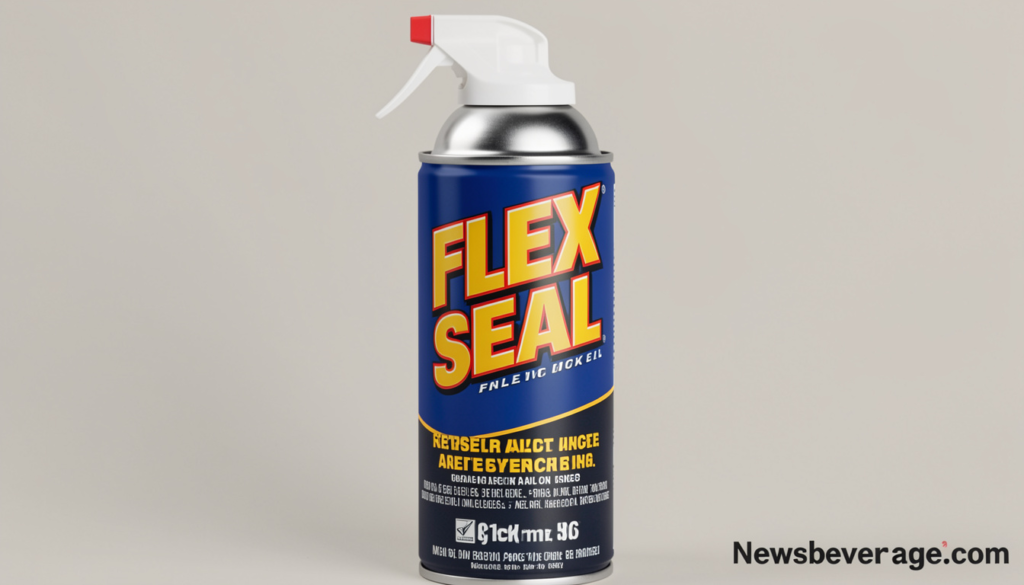
Flex Seal Spray works on an impressive range of materials. You can apply it to metal, wood, plastic, concrete, vinyl, fabric, and more. This versatility makes it a go-to solution for various repair and waterproofing projects around your home.
Common Applications:
- Roofs and gutters: Seal small leaks, cracks in shingles, or holes in metal roofing
- Basement waterproofing: Stop moisture seepage through foundation walls or floor cracks
- Pool and pond repairs: Patch small leaks in vinyl liners or concrete surfaces
- RV and boat maintenance: Seal seams, repair canvas, waterproof storage compartments
- Outdoor furniture: Protect cushions and extend the life of weathered surfaces
- Automotive repairs: Stop minor undercarriage leaks or seal window seams
- Plumbing emergencies: Temporary fixes for pipe leaks until proper repairs can be made
The product excels at emergency repairs. Got a sudden leak during a rainstorm? Flex Seal Spray can provide an immediate temporary solution until you can arrange permanent repairs. Many users keep a can on hand specifically for these unexpected situations.
However, you shouldn’t use Flex Seal Spray on surfaces that experience constant water pressure or extreme heat. It’s not designed to repair pressurized plumbing systems or to seal engine components. The product also won’t adhere properly to greasy, oily, or excessively dirty surfaces.
Always clean and dry the area before application. For best results, the surface temperature should be between 40°F and 100°F. Working in extreme cold or heat affects how well the spray adheres and cures.
Step-by-Step Application Guide
Getting professional results with Flex Seal Spray requires proper preparation and technique. Follow these steps to ensure your repair lasts as long as possible.
Preparation Phase
Clean the surface thoroughly. Remove dirt, grease, rust, and any loose material. Use a wire brush on metal surfaces to eliminate corrosion. For oily spots, clean with denaturer or acetone first.
Make sure the area is completely dry. Flex Seal Spray won’t bond properly to wet surfaces. If you’re doing an emergency repair during rain, you’ll need to create a temporary shelter or use a heat gun to dry the area.
Protect surrounding areas you don’t want to coat. The spray can drift, especially in windy conditions. Use painter’s tape and plastic sheeting to mask off adjacent surfaces.
Application Technique
Shake the can vigorously for at least one minute. You should hear the mixing ball rattling inside. This ensures the rubber particles are properly suspended in the solvent.
Hold the can 8 to 12 inches from the surface. Spray in steady, even strokes. Overlap each pass slightly to ensure complete coverage. Don’t concentrate the spray in one spot—this creates runs and drips.
Apply thin coats rather than one thick layer. Multiple thin applications create a stronger, more flexible seal. The first coat might look translucent. That’s normal. Subsequent coats build up opacity and thickness.
Curing and Finishing
Allow each coat to dry for 24 hours before applying the next one. For most repairs, two to three coats provide adequate protection. Heavy-duty applications might require four or more coats.
After the final coat, let the seal cure for 48 hours before exposing it to water or stress. The rubber continues to cross-link during this time, reaching maximum strength.
Check your work after the first rainstorm or water exposure. If you spot any pinholes or thin spots, apply another coat to those areas.
Pros and Cons of Flex Seal Spray
Like any product, Flex Seal Spray has strengths and limitations. Understanding both helps you use it appropriately and set realistic expectations.
Advantages
Versatility: Works on numerous materials without special primers or preparation. This makes it ideal for quick repairs when you don’t have specialized products on hand.
Waterproof seal: Creates a truly watertight barrier when properly applied. The rubberized coating doesn’t absorb moisture or degrade from constant water exposure.
Flexibility: The cured rubber remains elastic, accommodating movement and temperature changes. This prevents cracking and ensures long-term durability.
Easy application: No special tools required. Anyone can use the spray can with minimal instruction. The aerosol delivery provides good control over where the product goes.
Color options: Multiple colors mean you can match or complement existing surfaces. Clear Flex Seal Spray is perfect when you want invisible repairs.
Disadvantages
Strong odor: The solvent carrier produces powerful fumes during application and curing. You must work in well-ventilated areas. Some users report lingering smells for several days.
Not suitable for high-pressure repairs: Don’t use it to fix pressurized plumbing or gas lines. It’s designed for sealing, not structural repairs.
Multiple coats needed: Achieving a durable seal requires patience and multiple applications. This increases both cost and time investment.
Price point: Flex Seal Spray costs more per ounce than traditional sealants. For large projects, the expense adds up quickly.
Surface preparation critical: The product won’t perform well on dirty, greasy, or wet surfaces. Proper prep work is non-negotiable.
Flex Seal Spray vs. Other Sealants
How does Flex Seal Spray compare to traditional sealants and alternatives? Understanding the differences helps you choose the right product for your specific situation.
Versus Silicone Caulk
Silicone caulk excels at sealing joints and gaps where precision matters. It’s ideal for bathroom fixtures, windows, and trim work. However, silicone requires a caulking gun and careful application for neat results.
Flex Seal Spray covers larger areas faster and fills irregular surfaces more effectively. But it’s messier and harder to control for detail work. For small, precise seams, silicone wins. For broader repairs and waterproofing, Flex Seal Spray is more practical.
Versus Roof Tar
Traditional roof tar provides excellent waterproofing for large roof repairs. It’s also significantly cheaper for big projects. However, tar is messy, difficult to apply, and has limited flexibility.
Flex Seal Spray applies cleanly and cures to a flexible membrane. It’s better for small repairs and touch-ups. For extensive roof damage, professional roofing materials remain the better choice.
Versus Epoxy
Epoxy creates incredibly strong bonds and can handle structural repairs. It works well for rigid materials like metal and hard plastics. However, epoxy is rigid once cured and will crack if the substrate flexes.
Flex Seal Spray maintains flexibility, making it superior for materials that expand and contract. For structural bonding, choose epoxy. For waterproofing flexible surfaces, choose Flex Seal Spray.
Real-World Performance: What Actually Works
The infomercials showcase extreme demonstrations, but how does Flex Seal Spray perform in everyday situations? Based on user experiences and practical testing, here’s what you can realistically expect.
Successful Applications:
Gutter repairs top the list of successful uses. Small cracks and seam leaks seal effectively with two to three coats. The flexible coating moves with temperature changes without cracking.
Basement moisture problems respond well to Flex Seal Spray applied to foundation walls. It creates a moisture barrier that prevents dampness from seeping through concrete. However, it doesn’t solve serious structural water issues or hydrostatic pressure problems.
RV and boat owners report excellent results waterproofing seams and patching small leaks. The product holds up well to road vibration and water exposure. Many RV enthusiasts apply it preventatively to roof seams to avoid leaks before they start.
Garden and outdoor applications work surprisingly well. Cracked flowerpots, leaky watering cans, and damaged garden hoses all benefit from Flex Seal Spray repairs. The UV resistance keeps the seal intact despite sun exposure.
Less Successful Applications:
Tire repairs don’t work reliably. The extreme flexing and pressure overwhelm the seal. Specialized tire repair products remain the better choice.
High-pressure plumbing fixes fail consistently. While Flex Seal Spray can handle minor weeping from joints, it won’t stop significant water pressure from a damaged pipe. Consider it a temporary emergency measure only.
Extreme heat applications also disappoint. Exhaust system repairs and other high-temperature uses cause the rubber to deteriorate. The product isn’t designed for continuous exposure to temperatures above 200°F.
Pro Tips for Maximum Success
Want to get the best possible results from Flex Seal Spray? These professional tips come from experienced users who’ve learned through trial and error.
Temperature matters more than you think. Apply the product when ambient temperatures are between 60°F and 80°F. The rubber cures better in moderate conditions. Cold weather slows curing dramatically, while extreme heat causes the solvent to evaporate too quickly.
Prime porous surfaces first. On very porous materials like unsealed concrete or bare wood, apply a light mist coat first. Let it dry completely. This primes the surface so subsequent coats bond better and penetrate less deeply.
Use a fan during application. Position a fan to blow fumes away from you, but not so strong that it disperses the spray. Good ventilation prevents solvent buildup and helps with even application.
Sand between coats for extra smoothness. If appearance matters, lightly sand each dried coat with fine-grit sandpaper before applying the next one. This creates a smoother final finish.
Store cans upside down between uses. This keeps the spray mechanism clear and prevents clogging. Before storing, clear the nozzle by turning the can upside down and spraying until only propellant comes out.
Test on hidden areas first. Especially with colored versions, spray a small hidden spot to ensure color match and adhesion before committing to the visible repair.
Common Mistakes to Avoid
Even experienced DIYers make errors with Flex Seal Spray. Avoid these common pitfalls to ensure your repair succeeds.
Applying too thick too fast: The biggest mistake is trying to achieve full coverage in one coat. Thick applications run, drip, and cure unevenly. They also take much longer to dry fully. Always use multiple thin coats.
Inadequate surface preparation: Rushing through prep work causes adhesion failure. The spray might look fine initially but will peel away within weeks. Spend adequate time cleaning and drying the surface.
Working in poor conditions: Wind carries overspray everywhere. Rain ruins uncured applications. High humidity extends curing time dramatically. Choose your weather window carefully.
Not shaking the can enough: Insufficient mixing leads to uneven application and poor performance. Shake for a full minute before use and shake occasionally during extended application sessions.
Ignoring safety equipment: The fumes are serious. Always wear a proper respirator rated for organic vapors. Regular dust masks don’t provide adequate protection. Eye protection prevents accidental spray contact.
Expecting permanent structural repairs: Flex Seal Spray is a sealant and waterproofing product, not a structural adhesive. It won’t permanently repair broken components or replace proper construction materials.
How Long Does Flex Seal Spray Last?
Durability varies significantly based on application and environmental conditions. Understanding realistic expectations helps you plan maintenance and reapplication schedules.
Under ideal conditions—protected from UV exposure, minimal flexing, moderate temperatures—Flex Seal Spray can last several years. Some users report gutter repairs holding strong for three to five years before requiring touch-ups.
Direct sun exposure degrades the seal faster. UV rays break down the rubber over time. Expect one to two years of service on surfaces with constant sun exposure. Black Flex Seal Spray generally resists UV damage better than lighter colors.
High-traffic areas wear faster. If the sealed surface experiences frequent rubbing, scraping, or impact, reapplication may be necessary annually. The coating is durable but not indestructible.
Extreme temperature cycling reduces lifespan. Surfaces that swing from freezing to hot repeatedly stress the seal. Expansion and contraction eventually cause the rubber to fatigue. In harsh climates, inspect sealed areas twice yearly.
For critical waterproofing applications, plan on recoating every two years regardless of visible condition. This preventative maintenance extends the overall seal life and prevents small failures from becoming major problems.
Is Flex Seal Spray Worth the Money?
The value proposition depends entirely on your specific situation. For emergency repairs and small waterproofing projects, Flex Seal Spray delivers excellent results that justify the cost. A single can might solve a problem that would otherwise require expensive professional help.
For large-scale projects, the math changes. Covering extensive areas requires multiple cans at $15 to $20 each. Traditional waterproofing methods often cost less for big jobs. Calculate your coverage needs before committing.
The convenience factor adds value that’s hard to quantify. Having Flex Seal Spray available means you can address sudden leaks immediately rather than waiting for stores to open or professionals to arrive. That emergency capability alone justifies keeping a can in storage.
Compare it to the cost of water damage. A leaky gutter might seem minor, but unchecked water intrusion causes rot, mold, and structural damage costing thousands to repair. Spending $20 on preventative sealing suddenly looks like a bargain.
Consider it a tool in your arsenal rather than a miracle cure. Flex Seal Spray handles certain jobs exceptionally well. For those specific applications, it’s absolutely worth purchasing. For tasks better suited to other products, don’t force it.
Conclusion
Flex Seal Spray delivers on most of its promises when used appropriately. It creates flexible, waterproof seals on numerous surfaces, making it genuinely useful for repairs and waterproofing projects. The ease of application makes it accessible to anyone, regardless of experience level.
Success depends on realistic expectations and proper technique. This isn’t a replacement for structural repairs or professional work. But for sealing leaks, preventing moisture intrusion, and protecting surfaces from water damage, it performs admirably.
Proper surface preparation makes the difference between success and failure. Take time to clean, dry, and prepare the area correctly. Apply multiple thin coats rather than one thick layer. Allow adequate curing time. Follow these principles and your repairs will last for years.
Keep a can in your garage or workshop for emergency situations. When a leak appears at the worst possible moment, you’ll appreciate having this quick solution available. Just remember its limitations and use it for appropriate applications.
Have you tried Flex Seal Spray for your own projects? What worked well and what didn’t? Share your experiences in the comments below.
FAQs About Flex Seal Spray
Can Flex Seal Spray be painted over?
Yes, but with limitations. Once fully cured, you can paint over Flex Seal Spray with latex or oil-based paints. However, the flexible nature of the rubber may cause some paints to crack over time. For best results, use flexible outdoor paints designed for rubber or vinyl surfaces.
Is Flex Seal Spray safe for potable water systems?
No. Flex Seal Spray is not rated for potable water contact. Don’t use it to seal drinking water containers, pipes, or tanks. The cured rubber may leach chemicals into water. For food-safe applications, use products specifically certified for potable water contact.
How do I remove Flex Seal Spray if I make a mistake?
Before it cures, clean up with mineral spirits or paint thinner. Once cured, removal becomes difficult. You can scrape it off with a razor blade on hard surfaces. For fabric or porous materials, removal is nearly impossible without damaging the substrate. Always work carefully and use masking to prevent unwanted coverage.
Will Flex Seal Spray work on a wet surface?
No. The product requires a dry surface for proper adhesion. Moisture prevents the rubber from bonding correctly. For emergency repairs during rain, you must dry the area first using towels, heat guns, or temporary shelter. Some users report marginal success on slightly damp surfaces, but results are unpredictable.
Can I use Flex Seal Spray in freezing temperatures?
Application in freezing temperatures is not recommended. The spray won’t atomize properly and curing times extend dramatically. Store the product in temperatures above 32°F. If the can freezes, bring it to room temperature and shake thoroughly before use. For cold-weather repairs, warm the surface with a heat gun if possible.
How many coats of Flex Seal Spray do I need?
Most applications require two to four coats for adequate protection. The first coat seals the surface. Subsequent coats build thickness and durability. For high-exposure areas or critical waterproofing, apply four coats minimum. Each coat should dry 24 hours before applying the next one.
Does Flex Seal Spray work on fiberglass?
Yes. Flex Seal Spray adheres well to fiberglass surfaces. Many boat owners use it for minor hull repairs and deck sealing. Clean the fiberglass thoroughly, removing any wax or polish residue. Rough the surface lightly with sandpaper for better mechanical bonding. Multiple coats create a durable waterproof layer.
Is the clear version as strong as colored versions?
Clear Flex Seal Spray has the same chemical composition and performance characteristics as colored versions. The difference is purely aesthetic. However, clear shows every imperfection in application technique more obviously than colored versions. For invisible repairs, accept that you might need extra coats for even coverage.
Can Flex Seal Spray handle saltwater exposure?
Yes. The cured rubber resists saltwater corrosion better than many traditional sealants. Marine applications report good longevity. However, constant saltwater immersion requires more frequent reapplication than freshwater exposure. Inspect sealed areas regularly and recoat annually for best results.
What’s the shelf life of an unopened can?
Properly stored unopened cans last approximately two years. Keep them in cool, dry conditions away from temperature extremes. Before use, shake vigorously and test spray on cardboard. If the spray pattern is uneven or the product seems separated, the can may have degraded. Always check the manufacturing date code on the bottom of the can.
Also Read : Ford Flex