The Fascinating Hognose Snake: A Complete Guide Every Reptile Lover Needs 2026
Introduction
If you’ve ever watched a snake dramatically flip onto its back, open its mouth wide, and play dead like its life depended on it — congratulations, you’ve just witnessed a hognose snake in full performance mode. It’s one of the most entertaining, quirky, and misunderstood snakes in the reptile world. The hognose snake has a reputation that doesn’t quite match its personality. Many people hear “snake” and immediately think danger. But the hognose snake is one of the most harmless, drama-filled, and genuinely lovable reptiles you can encounter.
Whether you’re a curious beginner, a seasoned reptile keeper, or just someone who stumbled across a weird-looking snake in the backyard, this guide covers everything you need to know. We’ll walk through what makes the hognose snake unique, how to care for one, what they eat, how they behave, and why so many reptile enthusiasts are absolutely obsessed with them. Let’s get into it.
What Is a Hognose Snake?
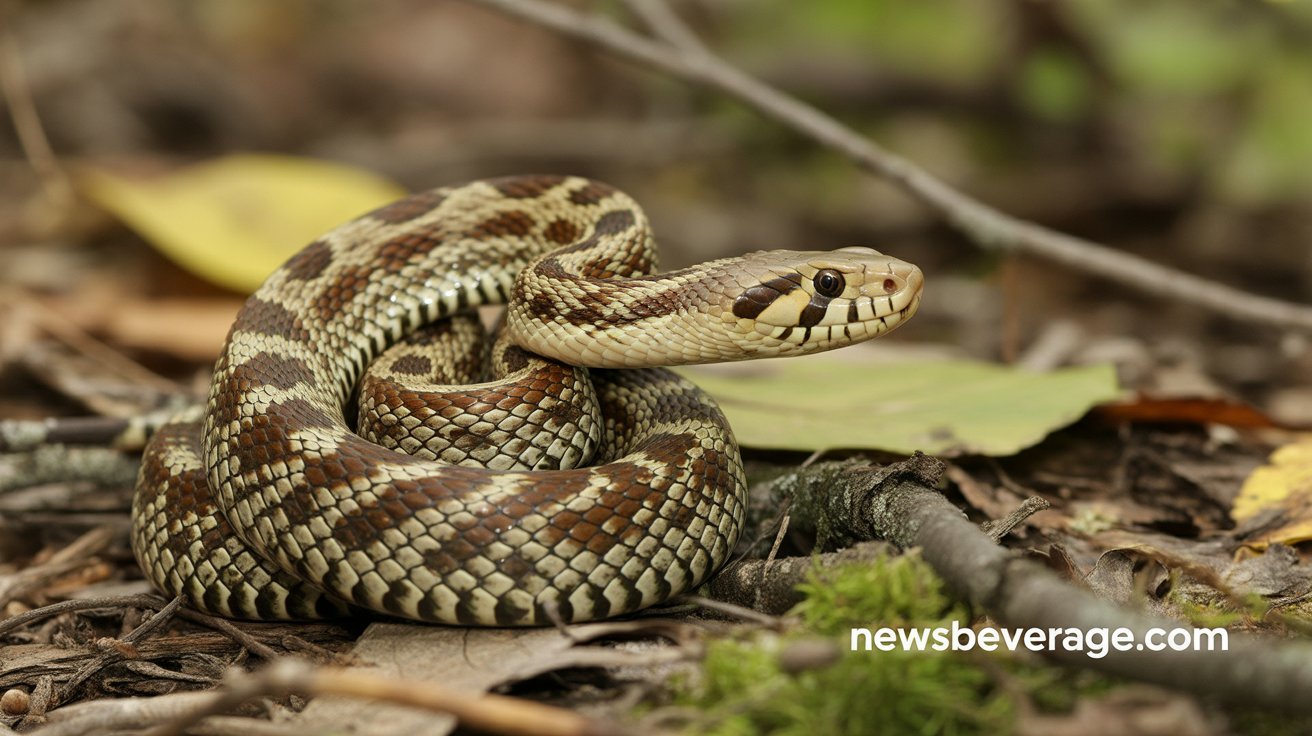
The hognose snake is a group of North American colubrid snakes best known for their upturned, pig-like snout. That distinctive nose isn’t just for show — it’s a functional digging tool. These snakes use it to burrow into sandy soil in search of prey and shelter.
There are several species, but the three most commonly discussed are the western hognose snake (Heterodon nasicus), the eastern hognose snake (Heterodon platirhinos), and the southern hognose snake (Heterodon simus). Each has its own personality, range, and quirks. The western hognose snake is by far the most popular in captivity.
The hognose snake ranges in size depending on species. Western hognose snakes typically grow between 18 to 36 inches. Eastern hognose snakes can reach up to 45 inches in some cases. They’re not large snakes by any measure, which is part of their appeal as pets.
The Iconic Defense Behavior of the Hognose Snake
Playing Dead Like a Pro
If there’s one thing people remember about the hognose snake, it’s the death performance. When threatened, a hognose snake goes through a dramatic sequence. First, it flattens its neck and body to look bigger. Then it hisses loudly and strikes repeatedly — with its mouth closed. If that doesn’t work, it rolls onto its back, opens its mouth, lets its tongue hang out, and plays completely dead.
The performance is so committed that if you flip the snake back upright, it will flip itself back over again. It seems to believe that dead snakes must face upward. It’s both hilarious and oddly endearing.
Bluffing Is Their Superpower
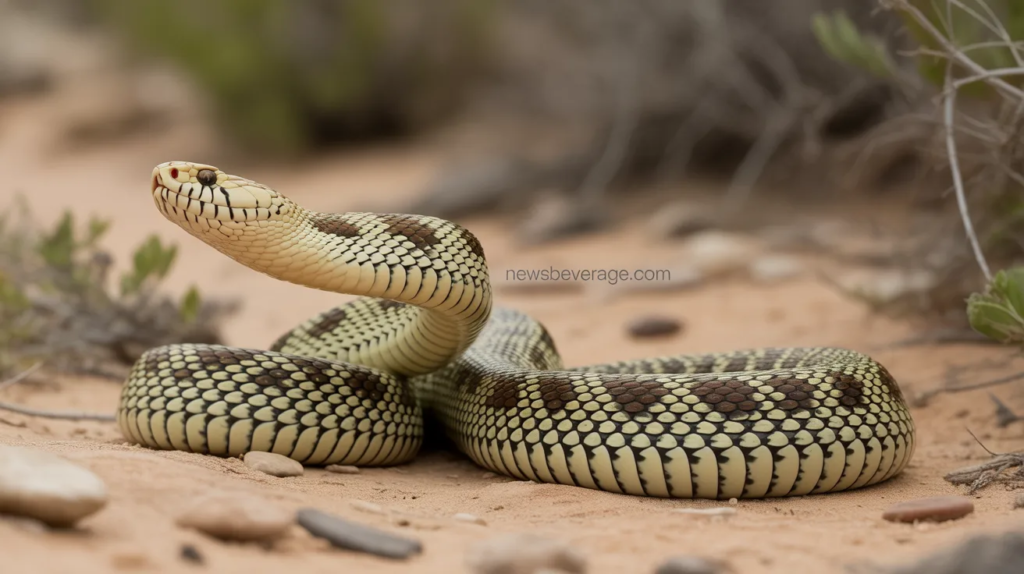
Here’s the thing — the hognose snake is almost entirely bluffing. The strikes rarely make contact, and even if they do, western hognose snakes are rear-fanged and only mildly venomous. The venom is designed for prey (mainly toads), not humans. Most bites cause little to no reaction in people. Eastern hognose snakes aren’t even considered venomous to humans in any practical sense.
So when your hognose snake puffs up and hisses at you during handling, just remind yourself: it’s acting. Give it time, and most individuals calm down with regular interaction.
Types of Hognose Snakes You Should Know
Western Hognose Snake
The western hognose snake is the gold standard of hognose keeping. It’s smaller, more manageable, and tends to tame down faster than its eastern cousin. Captive-bred westerns are widely available. They come in a stunning range of color morphs — albino, axanthic, lavender, coral, and many more.
If you’re thinking about keeping a hognose snake as a pet, the western is almost certainly the right choice. They’re hardy, adaptable, and entertaining to watch.
Eastern Hognose Snake
The eastern hognose snake is larger and wilder in temperament. They’re more dramatic in their bluffing behavior and take longer to settle in captivity. Some eastern hognose snakes refuse to eat anything but toads, which creates obvious feeding challenges. That said, some keepers find the challenge rewarding.
Eastern hognose snakes are a protected species in several US states, so always check local regulations before acquiring one.
Southern Hognose Snake
The southern hognose snake is the rarest of the three. It’s small, stubby, and incredibly cute — but it’s rarely kept in captivity. It faces conservation concerns due to habitat loss. If you come across one in the wild, appreciate it from a distance and leave it where it is.
Hognose Snake Care Guide
Setting Up the Perfect Enclosure
Getting the setup right matters more than most beginners realize. The hognose snake is a semi-fossorial species, meaning it loves to dig and burrow. Your enclosure needs to support that behavior.
For a western hognose snake, a 20-gallon enclosure works well for adults. Some keepers upgrade to a 40-gallon for females, who grow larger than males. Front-opening enclosures are ideal — they’re less stressful for the snake than top-opening ones.
Substrate is everything with hognose snakes. They need something they can actually dig through. Good options include:
- Aspen shavings
- Coconut fiber mixed with play sand
- Reptile-grade sandy soil mixtures
Avoid cedar or pine — the oils are toxic to snakes.
Temperature and Humidity
The hognose snake needs a thermal gradient in its enclosure. Aim for a warm side of around 85–90°F and a cool side around 70–75°F. A belly heat source like an under-tank heater works well. Add a thermostat — this isn’t optional. Overheating can kill your snake quickly.
Humidity should stay relatively low, around 30–50% for western hognose snakes. They come from dry, sandy habitats. Too much moisture leads to respiratory infections and scale rot.
Hides and Enrichment
Every hognose snake needs at least two hides — one on the warm side and one on the cool side. These give your snake a sense of security. A stressed snake is an unhealthy snake.
You can add fake plants, cork bark, and climbing branches if you like. The hognose snake won’t use them constantly, but environmental variety does seem to reduce stress over time.
What Do Hognose Snakes Eat?

Natural Diet vs. Captive Diet
In the wild, the hognose snake is a toad specialist. Its mildly toxic saliva helps it subdue toads specifically. The enlarged rear fangs puncture inflated toads to make swallowing easier. It’s genuinely fascinating biology.
In captivity, the western hognose snake adapts well to eating frozen/thawed mice and rats. This is much more convenient than sourcing live toads and avoids the risk of parasites. Most captive-bred western hognose snakes are already conditioned to accept rodents before they reach you.
Feeding Schedule
For juvenile hognose snakes, feed every 5–7 days. For adults, every 10–14 days is fine. The hognose snake tends toward obesity in captivity, especially females. Don’t overfeed — a chunky snake isn’t a healthy snake.
Always feed in the enclosure or with tongs. Some keepers swear by separate feeding containers, but most modern herpetologists agree that unnecessary transfers cause more stress than they prevent.
Feeding Refusals and Tricks
Some hognose snakes are notoriously picky. If yours refuses a mouse, try these tricks:
- Scent the mouse with toad scent (a piece of toad shed or a toad-scented wash)
- Try a pinky mouse instead of a fuzzy
- Offer food in a hide box for security
- Try feeding at night when the snake is naturally more active
- Try braining the prey item (yes, it sounds grim, but it works)
Patience is key. Most feeding issues resolve with time and consistency.
Hognose Snake Temperament and Handling
Are They Good Pets?
The short answer: yes, absolutely. The hognose snake makes a wonderful pet for beginners and experienced keepers alike. They’re small, manageable, and endlessly entertaining. Once they settle in and trust you, they become remarkably calm and curious.
The dramatic bluffing behavior that terrifies uninformed people is actually one of the reasons reptile lovers adore them so much. It’s theater. It’s personality. It’s proof that not all snakes are the same quiet, stoic creatures people assume they are.
How to Handle a Hognose Snake
Start handling sessions short — five to ten minutes is plenty for a new snake. Do this a few times a week. Over time, extend the sessions as your snake becomes more comfortable. Watch for signs of stress: constant attempts to escape, hissing, or musking (releasing a foul-smelling secretion).
I always recommend washing your hands before handling any snake. Residual food smells can trigger a feeding response, and even a mild bite from a rear-fanged snake is better avoided.
Don’t handle your hognose snake for 48 hours after feeding. It needs time to digest. Handling too soon can cause regurgitation, which is stressful and potentially harmful.
Taming Takes Time
Some hognose snakes tame down in weeks. Others take months. Don’t get discouraged if your snake puffs up and hisses every time you open the enclosure at first. That’s normal. Consistency and patience are your best tools. Most hognose snakes eventually become calm, handleable, and even seem to enjoy human interaction.
Health and Common Issues in Hognose Snakes
Respiratory Infections
Too much humidity combined with poor ventilation is the main culprit. Signs include wheezing, mucus around the mouth or nose, and open-mouth breathing. See a reptile vet immediately if you notice these symptoms.
Mites and Parasites
External mites are visible as tiny moving dots on the snake or in the enclosure. Internal parasites are more common in wild-caught individuals. Always quarantine new snakes for 60–90 days before introducing them to other animals. A fecal exam from a vet is a smart move for any new hognose snake.
Retained Shed
If your hognose snake has trouble shedding, the enclosure humidity is probably too low. A humid hide — a hide lined with damp sphagnum moss — can help. Never pull stuck shed off forcefully. Soak the snake in lukewarm water first.
Obesity
It bears repeating: the hognose snake gets fat easily in captivity. A healthy snake should have a rounded, slightly triangular body shape. If yours looks like a sausage, cut back on feeding frequency and prey size.
Hognose Snake Morphs and Color Variations
The western hognose snake has an incredible range of selectively bred color morphs. Reptile breeders have produced some truly stunning animals. Popular morphs include:
- Albino — pink and yellow with red eyes
- Axanthic — grey and white tones, no yellow
- Lavender — soft purple and pink hues
- Coral — bright orange and yellow
- Anaconda — reduced patterning with a clean dorsal stripe
- Superconda — nearly patternless, often solid color
Prices vary significantly by morph. A normal western hognose snake might cost $75–$150. Rare or combo morphs can reach $500–$1,000 or more. Always buy from a reputable breeder who can provide feeding records and health history.
Is the Hognose Snake Venomous?

This question comes up constantly, and it deserves a clear answer. The hognose snake is technically rear-fanged and produces a mild venom through its Duvernoy’s gland. However, calling it “venomous” in the way people typically use that word is misleading.
The venom is primarily effective on toads and amphibians. Human reactions to hognose snake bites are usually limited to minor localized swelling. Serious reactions are extremely rare and typically involve people with specific allergies. The CDC does not classify the hognose snake as a venomous snake of medical significance.
That said, some sensitivity can develop over time with repeated exposure. If you’re bitten and experience unusual swelling, itching, or systemic symptoms, see a doctor. It’s always better to be safe.
Hognose Snake in the Wild
Habitat and Range
The western hognose snake is found across the Great Plains, from southern Canada down through the central United States into northern Mexico. It prefers open, sandy habitats — grasslands, scrublands, prairies, and semi-arid regions.
The eastern hognose snake has a much wider range across the eastern United States. It tolerates a broader range of habitats including forests and fields. The southern hognose snake is restricted to the coastal plains of the southeastern US.
Conservation Status
The western hognose snake is currently not a species of concern at the federal level. However, some state-level protections exist. The southern hognose snake faces more serious pressure from habitat loss and is listed as a species of concern in several states.
Always confirm the legal status of any hognose snake you want to keep, especially if you’re in the eastern US or considering wild-caught individuals. Supporting captive breeding is the most responsible choice.
Conclusion
The hognose snake is one of those animals that surprises you. You expect a typical snake. What you get is a dramatic little performer with a pig nose, a flair for theatrics, and a personality that’s hard not to love. Whether you’re watching one play dead in the wild or watching your pet western dramatically hiss and then immediately calm down in your hands, the hognose snake leaves an impression.
If you’re thinking about adding one to your collection, go for it. Start with a captive-bred western hognose snake from a reputable breeder. Get the enclosure right before the snake arrives. Be patient during handling. And enjoy every single theatrical moment your hognose snake throws your way.
Have you ever kept a hognose snake, or had a wild encounter with one? Drop your story in the comments — I’d genuinely love to hear it.
Frequently Asked Questions About Hognose Snakes
Q1: Is a hognose snake a good beginner snake? Yes. The western hognose snake is one of the best beginner snakes available. It’s small, manageable, hardy, and has a fascinating personality. Just be prepared for some initial bluffing behavior.
Q2: Do hognose snakes bite? They can, but it’s rare and usually harmless. Their strikes are mostly bluffs with a closed mouth. Even open-mouth bites from western hognose snakes cause minimal reaction in most people.
Q3: How long do hognose snakes live? Western hognose snakes typically live 15–20 years in captivity with proper care. Some individuals have been reported to live even longer.
Q4: Can a hognose snake kill you? No. There are no recorded human fatalities from hognose snake bites. Their mild venom poses no serious threat to healthy adults.
Q5: Do hognose snakes like being handled? Most captive-bred western hognose snakes become comfortable with regular handling over time. They’re not the most cuddly snakes, but many do tolerate and eventually seem to enjoy gentle interaction.
Q6: Why does my hognose snake play dead? This is a natural defense behavior called thanatosis. Your snake feels threatened and is trying to deter predators. It’s completely normal and not a sign of illness.
Q7: What size tank does a hognose snake need? A 20-gallon enclosure is suitable for most adult western hognose snakes. Larger females may benefit from a 40-gallon setup. Adequate floor space and digging substrate matter more than height.
Q8: How often should I feed my hognose snake? Juveniles: every 5–7 days. Adults: every 10–14 days. Adjust based on body condition — avoid overfeeding, as obesity is common in captive hognose snakes.
Q9: Are eastern hognose snakes good pets? They can be, but they’re more challenging than western hognose snakes. They’re wilder in temperament, often refuse rodents, and may be protected in your state. Research thoroughly before acquiring one.
Q10: Where can I buy a hognose snake? Always buy from reputable captive breeders. Check reptile expos, breeder websites, and platforms like MorphMarket. Avoid wild-caught individuals and always ask for feeding records before purchasing.
Also Read : Single Leg Glute Bridge