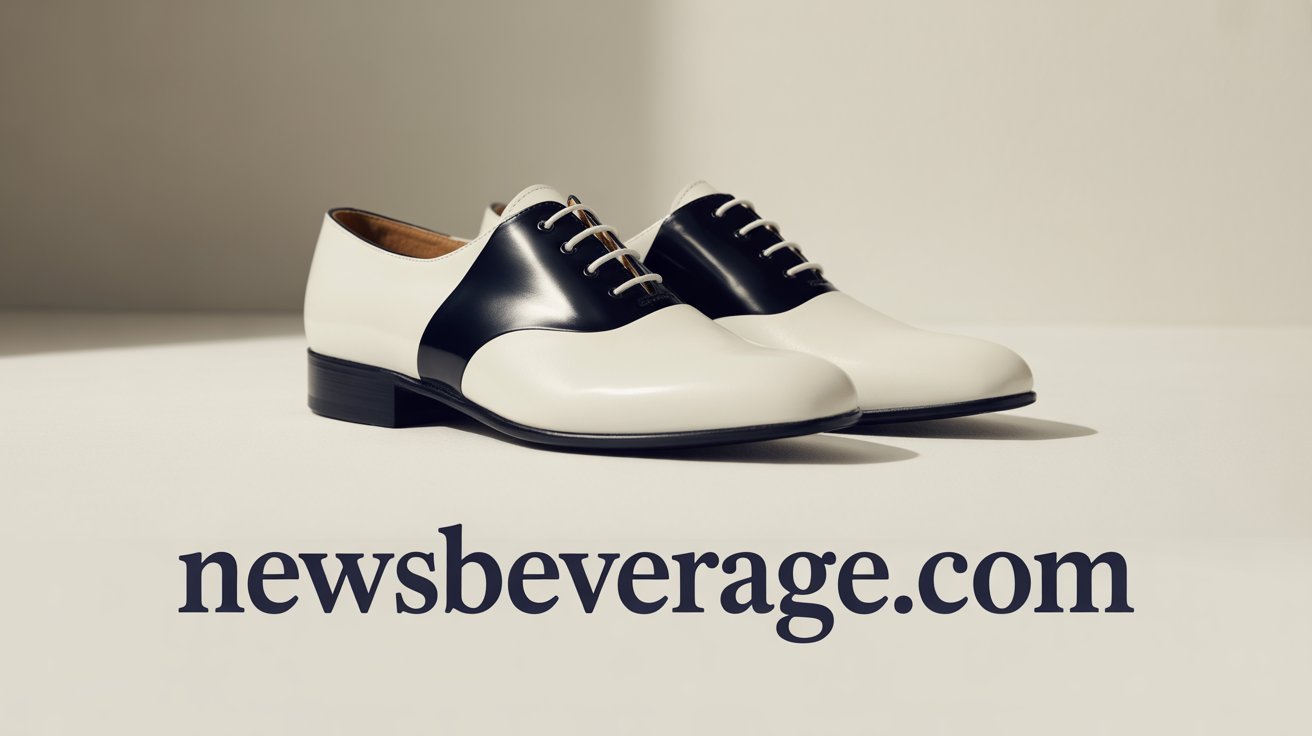
Saddle Shoes: The Timeless Classic You’ll Actually Want to Wear 2026
Introduction
There’s something about saddle shoes that just makes you stop and look twice. Maybe it’s the bold two-tone contrast. Maybe it’s that old-school charm that somehow feels completely fresh. Whatever it is, saddle shoes have been doing it for nearly a century — and they’re not slowing down anytime soon.
Saddle shoes first appeared in the early 1900s as athletic footwear. But they quickly became one of the most iconic shoe styles in American fashion history. From bobby soxers in the 1950s to modern streetwear enthusiasts today, these shoes have crossed generations, subcultures, and style movements without ever losing their appeal.
In this article, you’ll get the full picture. We’ll cover where saddle shoes came from, what makes them so distinctive, how to style them today, and why they deserve a serious spot in your wardrobe. Whether you’re a vintage fashion lover or just someone looking for a shoe with real personality, this one’s for you.
What Are Saddle Shoes, Exactly?
If you’ve never owned a pair, you might be wondering what separates saddle shoes from a regular oxford or loafer. The answer is simple and very visual.
Saddle shoes are low-heeled lace-up shoes with a distinctive “saddle” — a curved panel of contrasting leather or material that sits across the middle of the shoe, covering the instep. That saddle piece is usually a different color from the rest of the shoe, which creates that unmistakable two-tone look.
The most classic version is white with a black saddle. But you’ll also find them in brown and white, navy and white, and even bold modern color combinations. The sole is typically flat or low, making them comfortable and practical for everyday wear.
They fall under the broader oxford shoe family, which means they’re closed-lace shoes with a clean, structured silhouette. That structure gives saddle shoes their polished edge, while the contrasting saddle keeps them fun and interesting.
The History of Saddle Shoes: From the Golf Course to the Dance Floor
How It All Started
Saddle shoes have a surprisingly athletic origin. They were introduced in the early 1900s primarily as a sports shoe — designed for golfers and tennis players who needed something sturdy and supportive. The contrasting saddle piece wasn’t just decorative back then. It added structural reinforcement to a part of the shoe that experienced the most stress during movement.
By the 1920s, saddle shoes had moved off the golf course and onto college campuses. Young men were wearing them as part of a casual, sporty look. The shoe was practical, comfortable, and had a clean aesthetic that worked well with the relaxed collegiate style of the era.
The Golden Era: 1950s America
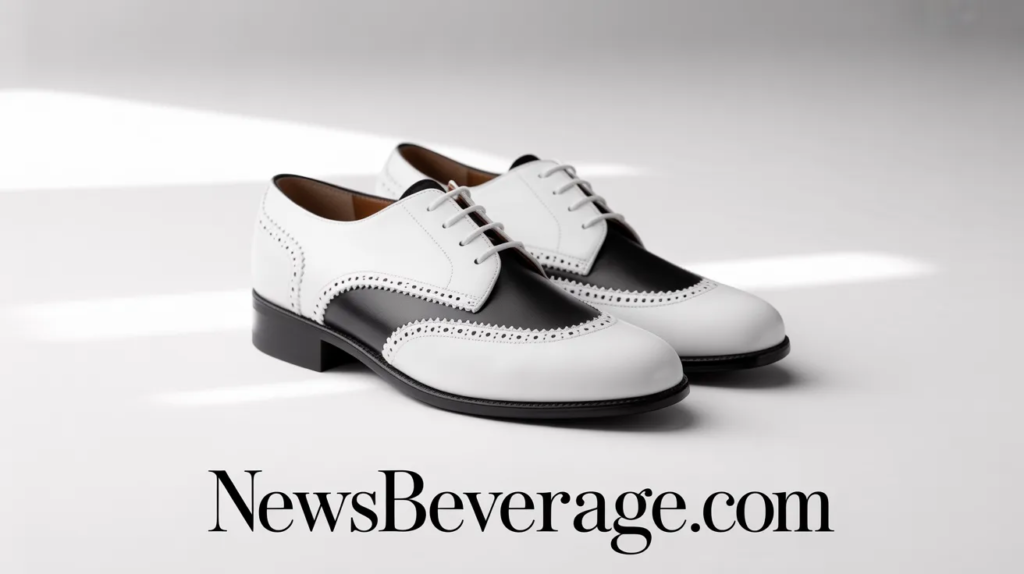
If saddle shoes have a true golden era, it’s the 1950s. This is when the shoe exploded in popularity, especially among teenagers. Think poodle skirts, ponytails, sock hops, and saddle shoes. They were practically a uniform for the American teen.
Girls wore them with bobby socks, full skirts, and cardigans. Boys wore them with rolled-up jeans and plaid shirts. They were everywhere — in high school hallways, at drive-ins, on dance floors. The saddle shoe became a symbol of youthful energy and carefree American life.
Part of the reason for their popularity was accessibility. Saddle shoes were affordable, durable, and widely available. Keds and other major shoe brands mass-produced them, putting them within reach for everyday families.
The Decline and the Comeback
Like most classic styles, saddle shoes went through periods of decline. The 1960s brought pointed toes and Chelsea boots. The 1970s and 80s pushed sneakers and platforms to the forefront. Saddle shoes felt dated for a while — your grandmother’s shoe, not yours.
But fashion has a funny way of circling back. The 1990s brought a wave of retro nostalgia, and saddle shoes quietly crept back into the picture. Indie and alternative fashion communities embraced them. Rockabilly enthusiasts never let them go. And by the 2000s and 2010s, saddle shoes were firmly back on the style radar — worn by fashion bloggers, sold in major retail stores, and featured on runways.
Today, saddle shoes are genuinely versatile. They sit comfortably in both retro-themed outfits and modern minimalist looks.
What Makes Saddle Shoes So Distinctive?
The Design Elements That Set Them Apart
A few specific features make saddle shoes instantly recognizable. Understanding these details helps you spot a quality pair and understand what you’re buying.
The saddle panel is the defining feature. It wraps over the middle section of the shoe like a saddle on a horse — hence the name. It’s usually stitched in a contrasting color for visual impact.
The toe box is typically rounded or slightly squared. You won’t find the pointed toe here. That rounded shape contributes to the classic, friendly look of the shoe.
The sole is usually flat or has a very modest heel. Traditional versions have a leather sole with a rubber heel cap. Modern versions often use full rubber soles for better grip and everyday comfort.
The lacing is standard two-eyelet or three-eyelet. Simple, clean, and functional. The laces themselves are usually flat and white.
The upper is most often smooth leather or leather-look synthetic. Some casual versions use canvas, which makes them lighter and more breathable.
Color Combinations to Know
The classic black and white saddle shoe is the most iconic version, but it’s far from the only option. Here are some popular combinations you’ll find today:
- Black and white — the original, the most formal, the most recognizable
- Brown and white — softer and earthier, great for casual outfits
- Navy and white — preppy and clean, works well in spring and summer
- Red and white — bold and fun, popular in rockabilly and vintage style communities
- All white — minimalist and modern, surprisingly versatile
- Pastel combinations — lighter pink, mint, or lavender saddles on white shoes for a sweet, feminine look
How to Style Saddle Shoes in 2025
This is where things get genuinely exciting. Saddle shoes are far more versatile than most people assume. You don’t have to be wearing a poodle skirt to pull them off. Here’s how to make them work in a modern wardrobe.
Casual Everyday Looks
Saddle shoes pair brilliantly with relaxed, casual outfits. Try them with straight-leg or slim-cut jeans and a tucked-in button-down shirt. The contrast between casual denim and the structured shoe creates a really satisfying balance.
They also look great with chinos or casual trousers in neutral tones — khaki, olive, or grey all work well. Keep the rest of your outfit simple so the shoe gets to do the talking.
For women, saddle shoes look effortlessly cool with high-waisted jeans, a loose graphic tee, and a denim jacket. It’s that mix of casual and polished that makes an outfit look intentional without seeming overdressed.
Smart Casual and Preppy Outfits

This is where saddle shoes really shine. They were born in the preppy, collegiate world, and they still belong there.
Pair them with a pleated midi skirt, a tucked blouse, and a structured bag for a look that feels both retro and refined. Or go for tailored trousers, a blazer, and a classic saddle shoe for a smart casual ensemble that works for a creative office or a weekend brunch.
Men can lean into the preppy angle with chinos, a striped or gingham shirt, and a navy saddle shoe. Add a canvas tote and you’ve got a timeless, put-together look.
Vintage and Retro Styling
If you love vintage fashion, saddle shoes are practically essential. They anchor a retro look in a way very few other shoes can.
Pair classic black and white saddle shoes with a full circle skirt, a cinched-waist top, and red lips for a 1950s-inspired look. Or go rockabilly with high-waisted jeans, a tucked gingham shirt, and a red and white saddle shoe.
For a 1960s twist, try them with a mod shift dress in a bold print. The structured saddle shoe grounds the look and keeps it from feeling too costume-y.
What to Avoid
A few pairings don’t work as well. Very formal outfits — think sharp suits or elegant evening wear — usually clash with the relaxed energy of saddle shoes. They’re not a black-tie shoe, and that’s okay.
Also avoid pairing them with overly sporty outfits like joggers or athletic wear. The shoe has structure and personality. It deserves an outfit that meets it halfway.
Buying Guide: What to Look For in a Good Pair
Materials Matter
Leather saddle shoes will almost always outlast synthetic versions. Real leather molds to your foot over time, develops a nice patina, and can be polished and maintained for years. If you’re investing in a quality pair, go leather.
That said, synthetic and canvas versions are perfectly good for casual wear or if you’re just testing whether you like the style. They’re also often vegan-friendly, which matters to a lot of buyers today.
Fit and Sizing
Saddle shoes tend to run true to size, but the structured shape can feel snug at first. If you’re between sizes, going up half a size is usually the safer call. Give them a few wears to break in — genuine leather shoes especially need a little time to soften and conform to your foot shape.
The toe box is roomy enough for most feet, but if you have wide feet, check whether the brand offers wide widths. Not all of them do.
Brands Worth Knowing
Several brands have solid reputations for saddle shoes:
- Keds — affordable, classic, widely available, great for casual wear
- Saddle Oxford Co. — dedicated to the style with strong quality and range
- Bass — well-made preppy classics with a long American heritage
- Wanted Shoes — good mid-range option with solid variety
- Børn — comfortable construction with a slightly more premium feel
- Dr. Martens — offers their own take with the signature chunky sole
Price Range
You can find saddle shoes anywhere from $30 to $200+. Budget options in the $30–$60 range are fine for occasional wear. For everyday use, spending $80–$130 gets you noticeably better construction and materials. Premium leather versions above $150 are genuinely durable investments.
Caring for Your Saddle Shoes
Good shoes deserve good care. Here’s how to keep your saddle shoes looking sharp.
For leather shoes: wipe off dirt with a damp cloth after each wear. Use a leather conditioner every few months to keep the material supple. Polish the white portions with white shoe polish to keep them bright. The saddle panel can be polished separately with a matching color.
For canvas shoes: remove the laces and hand-wash or use a gentle machine cycle inside a laundry bag. Air dry only — heat can warp the structure.
For storage: keep them in a cool, dry place. Stuffing them with shoe trees or newspaper helps them hold their shape.
One thing to watch for with white saddle shoes is scuffing. White leather picks up marks easily. A white sneaker cleaner or magic eraser works surprisingly well for quick touch-ups.
Saddle Shoes Across Cultures and Communities
One of the most interesting things about saddle shoes is how different communities have adopted and personalized them over the decades.
The rockabilly community has kept saddle shoes alive as a core part of their aesthetic since the 1950s. Red and white saddle shoes are especially iconic in this scene.
Cheerleading and drill teams in American high schools and colleges have used saddle shoes as part of their uniforms for decades. The clean, energetic look fits perfectly.
Catholic school uniforms often included black and white saddle shoes as standard footwear, particularly in the mid-20th century. This association gave the shoe a kind of wholesome, disciplined image.
The indie and alternative fashion communities of the 1990s and 2000s reclaimed saddle shoes as a badge of vintage-awareness and individuality. Wearing them said something about your taste and awareness of fashion history.
Today, saddle shoes appear across TikTok fashion communities, Pinterest mood boards, and Instagram vintage accounts. They’re genuinely popular with young fashion enthusiasts who appreciate the intersection of history and style.
Conclusion
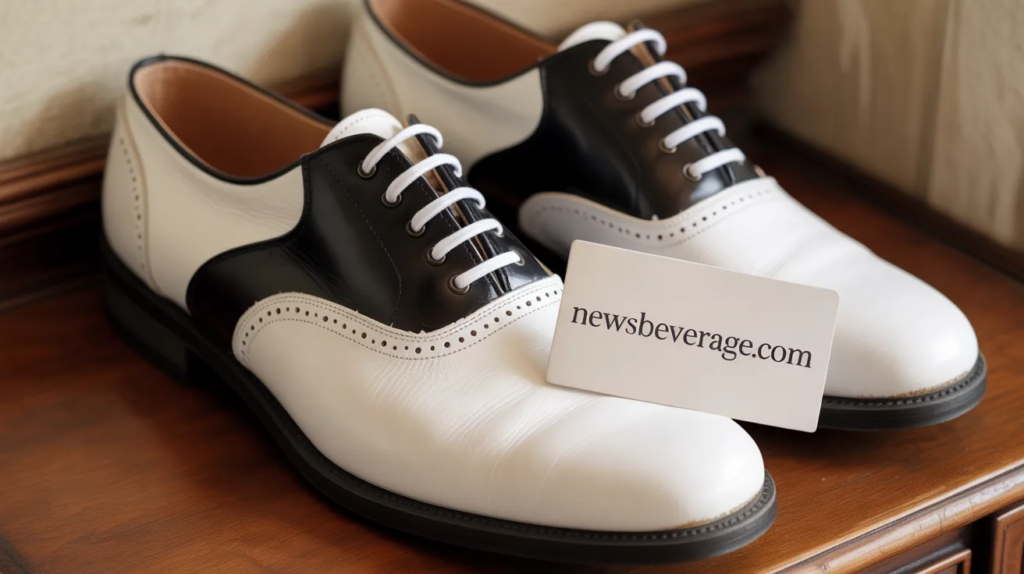
Saddle shoes are one of those rare fashion items that have genuinely earned their place in the wardrobe conversation. They’ve survived decades of trend cycles, adapted to different communities and aesthetics, and still manage to feel fresh and intentional when worn well.
What makes them special isn’t just the look — it’s the story. Every pair of saddle shoes carries nearly a century of cultural history. From golf courses to sock hops, from school hallways to fashion runways, these shoes have been there for a lot of life’s best moments.
If you don’t own a pair yet, it might be time to fix that. Start with a classic black and white version if you want maximum versatility, or go for a brown and white pair if you want something a little more casual and earthy. Either way, you’re making a solid addition to your shoe collection.
Have you worn saddle shoes before? Do you have a favorite way to style them? Drop your thoughts — I’d genuinely love to know how other people are wearing this classic.
Frequently Asked Questions
What are saddle shoes? Saddle shoes are low-heeled lace-up shoes with a contrasting panel of material — called a “saddle” — across the middle of the shoe. They’re known for their two-tone design and classic silhouette.
When were saddle shoes popular? They were first introduced in the early 1900s as sports footwear. Their peak popularity came in the 1950s, when they became a staple of American teen fashion. They’ve seen multiple revivals since then and remain popular today.
Are saddle shoes still in style? Yes. Saddle shoes have maintained a steady following and continue to appear in contemporary fashion. They work well with both retro and modern outfits.
What do you wear saddle shoes with? Saddle shoes pair well with jeans, chinos, midi skirts, pleated trousers, and casual or smart casual outfits. They’re particularly strong in preppy and vintage-inspired looks.
What’s the difference between saddle shoes and oxfords? Saddle shoes are a type of oxford — both are closed-lace, low-heeled shoes. The key difference is the saddle shoe’s contrasting panel across the instep, which regular oxfords don’t have.
Do saddle shoes run true to size? Generally yes, but the structured shape can feel snug initially. If you’re between sizes, sizing up half a size is a safe bet.
Are saddle shoes comfortable? Most saddle shoes are flat or low-heeled, making them reasonably comfortable for everyday wear. Leather versions require a short break-in period but become more comfortable over time.
Can men wear saddle shoes? Absolutely. Saddle shoes have a long history in menswear. They look great with chinos, jeans, and casual trousers in both classic and modern outfits.
What colors do saddle shoes come in? The classic is black and white. Other popular combinations include brown and white, navy and white, red and white, and all-white. Modern versions come in a wide range of colors.
How do I clean white saddle shoes? Use white shoe polish for leather versions. For canvas, hand-wash or machine-wash on a gentle cycle and air dry. A magic eraser works well for small scuffs on white leather.
Also Read: Quaker Parrot
| Author: Johan Harwen |
| E-mail: johanharwen314@gmail.com |
| Bio: Johan Harwen is a passionate tourist who has explored countless destinations across the globe. With an eye for hidden gems and local cultures, he turns every journey into an unforgettable story worth sharing. |