

The Best Box Spring Guide: Avoid Costly Mistakes 2026
Introduction
You finally bought a new mattress. You drag it home, set it on your old frame, lie down, and something feels completely off. The mattress sags, squeaks, or feels harder than it should. Sound familiar? In most cases, the problem is not the mattress. The problem is the box spring sitting underneath it.
A box spring is the foundation your mattress sits on. It affects comfort, support, and even how long your mattress lasts. Yet most people never think twice about it. They either reuse an old one or skip it entirely. Both decisions can quietly ruin a perfectly good mattress.
In this guide, you will learn exactly what a box spring is, why it matters, what types are available, and how to pick the right one for your bed and mattress. By the end, you will feel confident making a decision that actually improves your sleep.
What Is a Box Spring and Why Does It Matter?
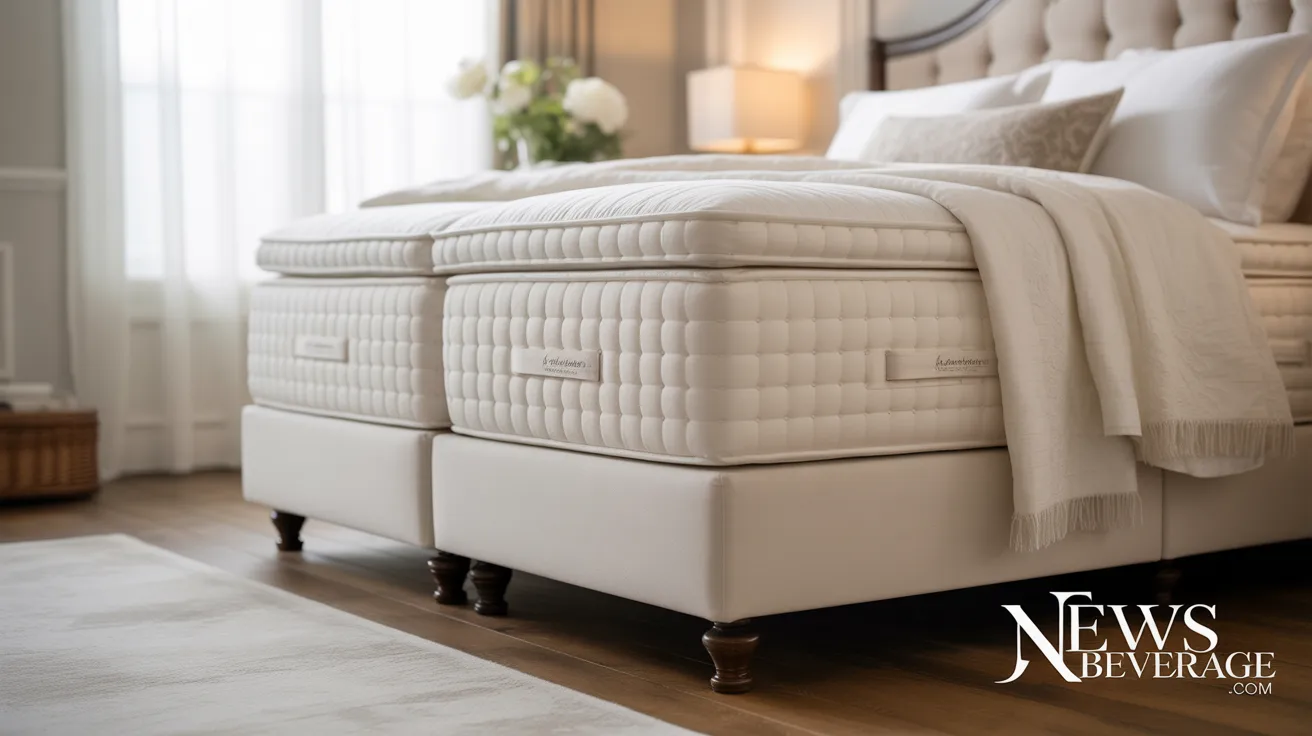
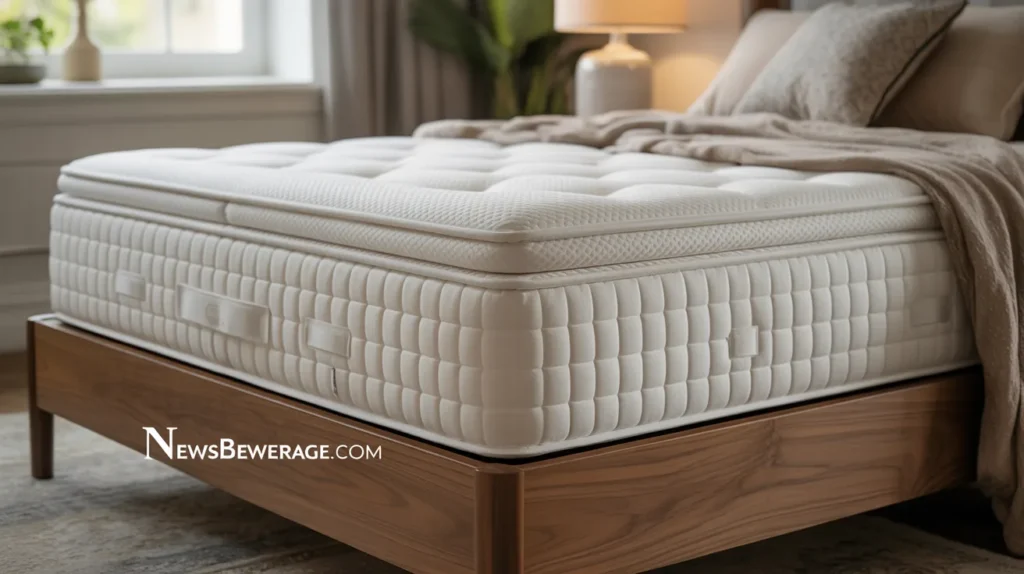
A box spring is a bed foundation made of a wooden frame covered in fabric. Inside, it contains metal coils or a solid grid that absorbs shock from the mattress above it. It raises your bed to a comfortable height and extends the life of your mattress.
Traditionally, manufacturers designed every mattress to sit on a box spring. The coils inside the box spring worked together with the mattress coils to absorb your body weight. Without it, the mattress wore out much faster.
Today, mattresses have evolved. Memory foam, latex, and hybrid mattresses do not always need a traditional box spring. But that does not mean you can skip a foundation altogether. You still need proper support underneath your mattress, whether that comes from a box spring or a modern alternative.
The Core Function of a Box Spring
A box spring serves three main purposes. First, it gives your mattress a firm, even surface to rest on. Second, it absorbs motion and reduces wear on the mattress. Third, it raises the bed to a height that makes getting in and out easier, especially for older adults or anyone with joint issues.

Types of Box Springs: Which One Do You Actually Need?
Not all box springs are the same. Choosing the wrong type can waste your money or damage your mattress. Here is a breakdown of the main options available today.
Traditional Box Spring
The traditional box spring contains actual metal coils inside a wooden frame. It works best with innerspring mattresses. The coils provide give and flex, which reduces pressure on the mattress over time. If you have an older innerspring mattress or want maximum bounce, this is the one you want.
Low Profile Box Spring
A low profile box spring stands about 5 inches tall instead of the standard 9 inches. It suits taller mattresses. If your mattress is already 12 inches or thicker, a standard box spring might push your bed too high. A low profile version keeps things at a comfortable, accessible height.
Semi-Flex or Zero Clearance Box Spring
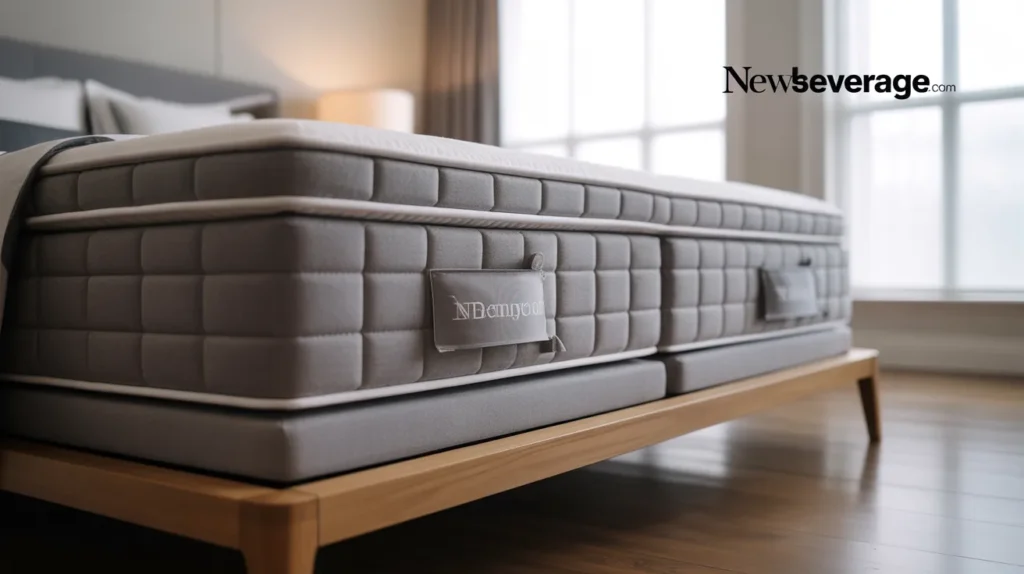
A semi-flex box spring uses a grid of metal slats instead of coils. It provides a firmer, more stable surface. This type works well with foam and hybrid mattresses that need a solid, non-flexing base. It is also more affordable than traditional coil-based versions.
Box Spring vs Platform Bed vs Foundation: Know the Difference
This is where most people get confused. You have three main options when it comes to bed foundations, and each one behaves very differently.
- Box spring: A raised, fabric-covered frame with coils or a rigid grid inside. Works with most bed frames and innerspring mattresses.
- Platform bed: A bed frame with built-in slats or a solid base. You do not need a box spring with a platform bed. The platform itself acts as the support surface.
- Foundation: A solid wooden or metal base that looks like a box spring but has no internal coils. It provides firm, flat support and works well with foam mattresses.
According to the Sleep Foundation, using the wrong base can void your mattress warranty. Always check your mattress manufacturer’s recommendations before buying a box spring or any alternative.
Do You Really Need a Box Spring for Your Mattress?
The honest answer is: it depends on your mattress type and bed frame. Here is a quick way to figure it out.
Innerspring Mattresses
Yes. A box spring is almost always the right choice for an innerspring mattress. The two systems work together. The coils in the box spring complement the coils in the mattress, creating a responsive and balanced sleeping surface. Skipping the box spring causes faster wear and sagging.
Memory Foam and Latex Mattresses
Not necessarily. Memory foam and latex mattresses need a solid, flat surface to maintain their shape. A traditional coil box spring actually flexes too much for these types. You are better off using a firm foundation, a platform bed, or a semi-flex box spring instead.
Hybrid Mattresses
It depends. Some hybrids work fine with a traditional box spring. Others require a firm, non-flexing base. Check the manufacturer’s guide. When in doubt, a low profile box spring or solid foundation is the safest choice.
How to Choose the Right Box Spring for Your Bed
Picking the right box spring comes down to four factors: mattress type, bed frame, height preference, and budget. Let me walk you through each one.
- Match your mattress type.
As covered above, innerspring mattresses pair best with traditional coil box springs. Foam and latex do better with solid foundations.
- Check your bed frame compatibility.
Some metal frames require a box spring to bridge the gap between the frame rails and the mattress. Platform frames do not. Always read your frame’s instructions.
- Consider your ideal bed height.
A standard box spring adds 9 inches. A low profile adds 5. Add this to your mattress thickness to estimate total bed height. Most adults find a bed height of 25 to 30 inches most comfortable.
- Set a realistic budget.
A decent box spring starts at around $100 and goes up to $300 or more for a quality brand. Avoid the cheapest options. A flimsy box spring will wear out fast and take your mattress with it.
Clear Signs Your Box Spring Needs Replacing
Your box spring does not last forever. Most last between 8 and 10 years. Here are the warning signs that yours has reached the end of its life.
- You hear squeaking or creaking when you move in bed.
- The center of your mattress sags, even though the mattress itself is relatively new.
- You can see broken wood or bent metal coils through the fabric.
- You wake up with back pain that did not exist when you first bought your mattress.
- The box spring looks visibly uneven or tilted from the side.
I replaced my own box spring after years of ignoring a soft squeak in the corner. The difference was immediate. My mattress suddenly felt like new again. If you are dealing with any of these signs, do not wait too long.
Split Box Springs: The Smart Solution for Tight Spaces
If you have ever tried to move a king-size box spring up a narrow staircase, you know the nightmare. A split box spring solves this problem completely. Instead of one large unit, it comes in two separate pieces that you carry up separately and join together under the mattress.
Split box springs are available for king and California king sizes. They perform exactly the same as a standard box spring but are far easier to transport and maneuver. If you live in an apartment or a home with tight hallways, a split box spring is worth serious consideration.
Box Spring Weight Capacity: What You Must Know
Every box spring has a weight limit. Exceeding it leads to premature breakage and poor support. A standard queen-size box spring typically supports between 500 and 700 pounds. This includes the mattress weight plus the sleepers.
Always check the manufacturer’s weight specifications before you buy. If you are a heavier sleeper or share the bed, look for heavy-duty reinforced options. Some box spring models offer weight capacities of 1,000 pounds or more and use extra-thick steel frames to handle the load.
Top Box Spring Brands Worth Considering
The market offers many box spring options, but a few brands consistently earn high marks for quality and durability. Here are the names most sleep experts recommend.
- Sealy: Offers a wide range of box springs designed to pair with their own mattress lines. Known for solid construction and even weight distribution.
- Serta: Produces both standard and low profile box springs. Their semi-flex option works well with foam mattresses.
- Simmons Beautyrest: Known for high durability. Their box springs pair naturally with Beautyrest mattresses but work with other brands too.
- Zinus: A budget-friendly option that delivers solid performance. Popular on Amazon with thousands of positive reviews. Good choice if you want reliable support without spending a lot.
How to Make Your Box Spring Last Longer
A box spring is an investment. With a little care, you can extend its life and protect your mattress at the same time.
- Rotate your mattress every three to six months to distribute weight evenly across the box spring.
- Use a box spring cover to protect the fabric from dust and allergens.
- Never jump on the bed. The impact stresses the coils or slats beyond their designed load.
- Inspect the frame and fabric once a year for signs of damage.
- Keep pets off the bed if possible. Their claws can damage the fabric covering.
Common Box Spring Mistakes That Cost You Sleep and Money
Most people make at least one of these mistakes. Knowing them in advance can save you a lot of frustration.
- Using an old box spring with a new mattress. A worn-out box spring with soft spots transfers those imperfections to your new mattress. Always replace both at the same time when possible.
- Ignoring size compatibility. A full-size box spring under a queen mattress creates an unstable, dangerous sleeping surface. Always match the sizes exactly.
- Using a coil box spring under a foam mattress. The flex in a traditional box spring disrupts foam mattresses. Use a solid foundation instead.
- Putting a box spring directly on the floor. While not harmful, floor placement restricts airflow. Poor air circulation leads to moisture buildup and mold under your mattress.
Conclusion: The Right Box Spring Changes Everything
A good box spring is not glamorous. Nobody talks about it at dinner parties. But it quietly determines how well you sleep every single night. The right box spring supports your mattress, protects your investment, and keeps your back happy for years to come.
You now know the different types of box springs available, how to match one to your mattress and frame, what warning signs to watch for, and how to make yours last as long as possible. You have everything you need to make a smart, confident decision.
What kind of mattress are you sleeping on right now? Leave a comment below and tell us whether you use a box spring, a platform bed, or something else entirely. Your experience might help another reader make a better choice tonight.
Frequently Asked Questions About Box Springs
1. Does a memory foam mattress need a box spring?
No. Memory foam mattresses need a solid, flat surface. A traditional coil box spring flexes too much for foam. Use a solid foundation, a platform bed, or a semi-flex box spring instead.
2. Can I put a box spring on a platform bed?
You can, but you usually do not need to. Platform beds already have built-in support. Adding a box spring just raises the bed height unnecessarily. Check your platform bed instructions first.
3. How long does a box spring typically last?
A quality box spring lasts between 8 and 10 years with normal use. Replace it when you notice squeaking, sagging, or visible structural damage.
4. What is the difference between a box spring and a foundation?
A box spring contains internal coils or a wire grid and provides some flex. A foundation is a solid wooden or metal platform with no moving parts. Foundations are better for foam mattresses.
5. Is a split box spring as strong as a regular one?
Yes. A split box spring performs identically to a standard one. The only difference is that it comes in two pieces for easier transport and setup.
6. Will skipping a box spring void my mattress warranty?
It might. Many mattress manufacturers require a specific type of support surface. Using the wrong base or no base at all can void your warranty. Always read the warranty terms before deciding.
7. Can I use two mattresses instead of a box spring?
No. Stacking mattresses creates an unstable, uneven sleeping surface. It also does not provide the structural support a box spring or foundation offers. Stick to the right foundation type for your mattress.
8. What size box spring do I need for a queen mattress?
You need a queen-size box spring, which measures 60 by 80 inches. Always match the box spring size exactly to the mattress size for proper and safe support.
9. How much does a good box spring cost?
Prices range from about $100 for budget models to $300 or more for premium brands. For most sleepers, a mid-range box spring in the $150 to $200 range offers a good balance of quality and value.
10. Can I put a box spring on the floor?
You can, but it is not ideal. Floor placement restricts airflow underneath the mattress, which can lead to moisture buildup and mold. Elevating the box spring on a frame allows better ventilation.
Also read Newsbeverage.com
Email: johanharwen314@gmail.com
Author Name: Johan harwen
About the Author: Johan Harwen is a sleep wellness writer and bedroom interior specialist with over a decade of experience helping readers make smarter bedding decisions. He has tested and reviewed hundreds of mattresses, foundations, and sleep accessories for leading home and lifestyle publications. Johan believes that great sleep starts with the right setup and is passionate about making that knowledge accessible to everyone. When he is not writing, you will find him reading about ergonomics, testing new mattresses, or exploring sustainable home design. Follow his work for practical, research-backed sleep advice you can actually use.
