

The Ultimate Jug Guide: Everything You Need to Know 2026
Introduction
Ever found yourself standing in the kitchen aisle, staring at rows of jugs, wondering which one actually deserves a spot in your home? You’re not alone.
A jug might seem like the simplest kitchen item, but choosing the right one can make a real difference in your daily routine. Whether you’re pouring morning orange juice, serving iced tea at a summer barbecue, or simply keeping water handy throughout the day, the right jug becomes an unsung hero in your kitchen.
In this guide, I’ll walk you through everything you need to know about jugs. We’ll explore different types, materials, sizes, and how to pick one that actually works for your lifestyle. By the end, you’ll know exactly what to look for when shopping for your next jug.
What Exactly Is a Jug?
Let’s start with the basics. A jug is a container with a handle and a spout, designed specifically for holding and pouring liquids. Simple, right? But there’s more to it than that.
Jugs have been around for thousands of years. Archaeological evidence shows ancient civilizations used clay jugs for storing water, wine, and oil. Today’s jugs come in countless variations, but they all share that core purpose: making liquid storage and pouring easier.
The beauty of a jug lies in its practicality. The handle gives you control. The spout directs the flow. And the body holds whatever beverage you need close at hand.
Types of Jugs: Finding Your Perfect Match
Not all jugs are created equal. Understanding the different types helps you choose one that fits your specific needs.
Water Jugs
Water jugs are the workhorses of most kitchens. They’re designed to keep water fresh and accessible throughout the day.
You’ll typically find them in refrigerator-friendly sizes, usually between 1 to 2 liters. Many modern water jugs come with built-in filters, which is a game-changer if you want cleaner-tasting water without buying bottles.
Look for features like easy-pour spouts and comfortable handles. Some even have measurement markings on the side, which comes in handy when you’re tracking your daily water intake.
Milk Jugs
Milk jugs focus on freshness and convenience. They’re usually smaller than water jugs, holding about 1 to 1.5 liters.
The best milk jugs have airtight seals to keep your milk from absorbing refrigerator odors. Clear material helps you see when you’re running low. And a drip-free spout saves you from those annoying milk puddles on your counter.
Serving Jugs
These are your entertaining essentials. Serving jugs, also called pitchers in some regions, are designed to look good on the table while delivering drinks to your guests.
They come in various materials—glass, ceramic, or even elegant stainless steel. Many feature wider openings for adding ice and fruit slices. The handles are often larger too, making it easier to pour for multiple people.
Insulated Jugs
When temperature control matters, insulated jugs step up. These thermal containers keep cold drinks cold and hot drinks hot for hours.
Double-walled construction provides the insulation. Stainless steel is the most common material for these jugs. They’re perfect for outdoor events, road trips, or keeping coffee warm during long meetings.
The trade-off? They’re typically heavier and more expensive than standard jugs. But if you need temperature retention, they’re worth every penny.
Measuring Jugs
Don’t overlook measuring jugs if you do any cooking or baking. These specialized jugs have clear measurement markings and often feature a pouring lip on both sides.
Heat-resistant glass or plastic makes them versatile for both hot and cold ingredients. The measurements are usually in both metric and imperial units, which helps when following different recipe formats.
Materials Matter: What’s Your Jug Made Of?
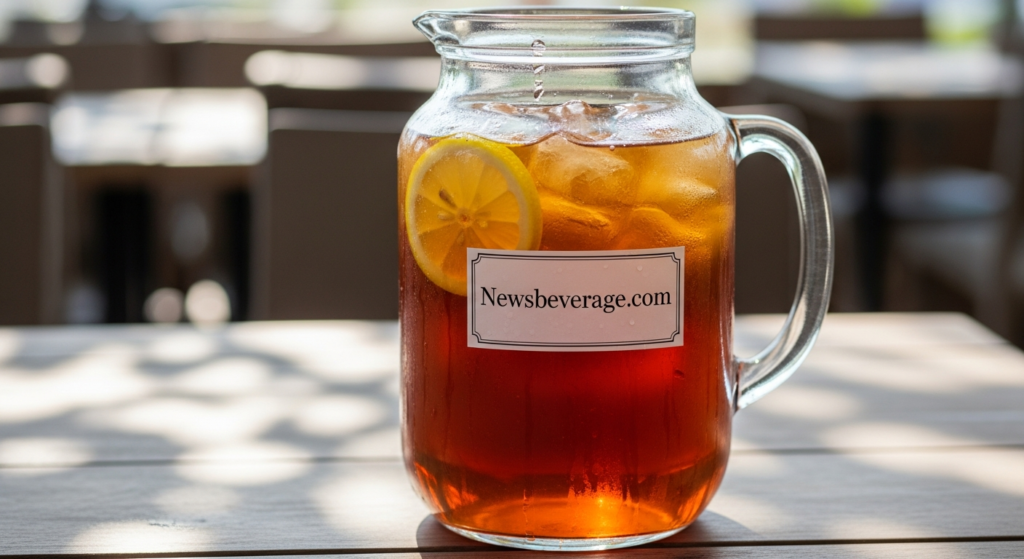
The material of your jug affects everything from durability to taste to how easy it is to clean.
Glass Jugs
Glass remains a popular choice for good reason. It doesn’t retain flavors or odors, so your orange juice won’t taste like yesterday’s lemonade.
Glass jugs are dishwasher safe and look clean and classic on any table. You can see exactly what’s inside and how much is left. The downside? They’re breakable and heavier than plastic alternatives.
Borosilicate glass offers extra durability against temperature changes. If you plan to pour hot liquids, this type of glass jug won’t crack from thermal shock.
Plastic Jugs
Plastic jugs win on practicality. They’re lightweight, nearly unbreakable, and budget-friendly.
Modern BPA-free plastics are safe for storing beverages. They come in endless colors and designs. Many are stackable, saving precious cabinet space.
However, plastic can absorb odors over time. Strong-flavored drinks like fruit punch might leave a lingering smell. Also, cheaper plastics may degrade or discolor with repeated use and dishwasher cycles.
Stainless Steel Jugs
Stainless steel combines durability with style. These jugs are virtually indestructible and excellent at maintaining temperature.
They won’t rust, stain, or absorb flavors. The sleek metallic finish fits modern kitchen aesthetics perfectly. Many stainless steel jugs feature powder-coated exteriors in various colors.
The main drawback? You can’t see inside without opening them. And they’re generally more expensive than glass or plastic options.
Ceramic Jugs
Ceramic jugs bring artistic flair to your kitchen. They’re available in stunning designs, colors, and patterns.
These jugs work beautifully as decorative pieces that also happen to be functional. They’re great for serving at the table. However, ceramic is fragile and typically heavier than other materials.
Most ceramic jugs aren’t ideal for refrigerator storage due to their weight and fragility. They shine brightest as serving pieces for special occasions.
Size Matters: Choosing the Right Capacity
Getting the size right prevents frustration. Too small means constant refilling. Too large means wasted space and potentially stale beverages.
Small Jugs (Under 1 Liter)
Perfect for single-person households or specific uses like cream, salad dressing, or juice for one. They fit easily in crowded refrigerators and are simple to handle.
Medium Jugs (1-2 Liters)
This is the sweet spot for most families. A medium-sized jug holds enough for several servings without becoming unwieldy. It strikes a balance between capacity and convenience.
Large Jugs (Over 2 Liters)
Great for parties, large families, or when you want to minimize refill trips. Make sure your refrigerator can accommodate these before buying. Also consider whether you can comfortably lift and pour from a full large jug.
Features That Make a Difference
Beyond basic functionality, certain features elevate a good jug to a great one.
Ergonomic Handles
A well-designed handle changes everything. Look for handles that fit your hand comfortably and provide secure grip even when the jug is full.
Some jugs feature molded grips or soft-touch materials. Others have finger grooves for better control. Test the handle position too—it should balance the weight distribution when pouring.
Drip-Free Spouts
Nothing ruins a counter faster than constant drips. Quality jugs feature precisely designed spouts that direct liquid cleanly and stop flow instantly when you tip back.
Look for spouts with a slight inward curve or lip. This design prevents that annoying last drip that seems to defy gravity.
Secure Lids
A good lid does more than just cover. It seals properly to prevent spills and keeps contents fresh longer.
Flip-top lids offer convenience for frequent access. Screw-on lids provide the tightest seal. Some lids have built-in strainers for infused water or iced tea, which adds versatility.
Easy Cleaning
Wide openings make cleaning simple. If your hand can fit inside, you can scrub properly without special brushes.
Dishwasher-safe materials save time. But even if you hand-wash, smooth interiors without crevices or ridges clean more easily and don’t trap bacteria.
Temperature Resistance
Whether you’re pouring hot tea or ice-cold lemonade, your jug should handle temperature extremes without cracking, warping, or releasing chemicals.
Check the manufacturer’s specifications. Some jugs are microwave-safe. Others can withstand boiling water. Know your jug’s limits to avoid damage.
How to Choose the Right Jug for Your Needs
With so many options available, making a decision can feel overwhelming. Here’s a practical approach to finding your perfect jug.
Consider Your Primary Use
Start by identifying what you’ll use the jug for most often. Are you mainly storing water in the fridge? Serving beverages at meals? Making iced tea or infused water?
Your primary use dictates which features matter most. A water storage jug needs a good seal and filter. A serving jug should look attractive and pour smoothly.
Think About Your Household Size
A single person needs different capacity than a family of five. Calculate roughly how much liquid your household consumes at once.
For families, having multiple jugs in different sizes often works better than one giant jug. You can prep different beverages or have backups when one is in the dishwasher.
Factor in Storage Space
Measure your refrigerator shelf height and depth before buying. There’s nothing more frustrating than bringing home a beautiful jug that doesn’t fit where you need it.
Also consider cabinet storage if you’re buying multiple jugs. Stackable designs or nesting sets maximize space efficiency.
Set a Budget
Jugs range from a few dollars to over a hundred for premium designs. Decide what you’re comfortable spending.
Remember that a quality jug lasts years with proper care. Sometimes spending a bit more upfront saves money long-term by avoiding replacements.
Read Reviews
Before purchasing, check what other users say. Real-world feedback reveals issues like lids that leak, handles that break, or materials that stain.
Look for patterns in reviews. One complaint might be a fluke, but if multiple people mention the same problem, take it seriously.
Caring for Your Jug: Maintenance Tips
Proper care extends your jug’s lifespan and keeps it hygienic.
Daily Cleaning
Rinse your jug after each use. Even if you’re just storing water, minerals and bacteria can build up.
Use warm soapy water and a bottle brush for thorough cleaning. Pay special attention to the spout area and lid, where residue accumulates.
Deep Cleaning
Once weekly, give your jug a deep clean. For glass or dishwasher-safe jugs, run them through a cycle.
For hand-washing or removing stubborn stains, try a mixture of baking soda and vinegar. Fill the jug halfway with warm water, add two tablespoons of baking soda and a splash of white vinegar. Let it fizz for 15 minutes, then scrub and rinse.
Preventing Odors
If your plastic jug starts smelling funky, don’t panic. Fill it with water and add a tablespoon of baking soda. Let it sit overnight, then rinse thoroughly.
Leaving the lid off between uses helps too. Air circulation prevents moisture buildup that causes odors.
Dealing with Stains
Hard water stains on glass jugs? Soak them in a solution of equal parts water and white vinegar for an hour. The acidity dissolves mineral deposits.
For juice or tea stains in plastic, make a paste of baking soda and water. Apply it to stained areas, let sit for 30 minutes, then scrub gently.
Storage Tips
Store jugs with lids off to allow air circulation. This prevents musty smells and keeps interiors fresh.
If stacking jugs, place a paper towel or soft cloth between them to prevent scratches, especially with glass models.
Creative Uses for Your Jug
Beyond beverages, jugs offer surprising versatility.
Flower Vases
Glass or ceramic jugs make charming flower vases. They’re especially perfect for casual, farmhouse-style arrangements.
The handle adds character, and the wide opening accommodates various stem sizes. Plus, you probably already own one instead of buying a separate vase.
Food Storage
Large-mouth jugs work great for storing dry goods like rice, pasta, or beans. The handle makes pouring easy, and the seal keeps contents fresh.
Clear jugs let you see what’s inside and when you’re running low. Just make sure the jug is thoroughly clean and dry before adding food.
Beverage Infusions
Use your jug to create flavored water, iced tea, or cold-brew coffee. Add fruits, herbs, or tea bags, fill with water, and refrigerate.
The large capacity means you can prep enough for several days. It’s healthier and more economical than buying flavored drinks.
Outdoor Activities
Take a sturdy plastic or insulated jug on picnics, camping trips, or to the beach. Pre-chill your beverage at home, and it stays cool for hours.
This beats buying expensive drinks while out and reduces single-use plastic waste.
Kids’ Beverage Station
Create a self-serve station for kids using a jug with an easy-pour spout. Fill it with water or juice and place it on a low shelf.
This encourages independence and hydration. Just use an unbreakable plastic jug to avoid accidents.
Common Jug Problems and Solutions
Even the best jugs occasionally cause frustration. Here’s how to fix common issues.
Leaking Lids
If your lid leaks, check the seal for damage or debris. Clean both the lid and rim thoroughly.
Sometimes the seal loosens over time. Many manufacturers sell replacement lids or seals separately. A small investment that saves your entire jug.
Cloudy Appearance
Mineral deposits cause cloudiness in glass jugs. Soak in vinegar solution overnight, then scrub with a non-abrasive sponge.
For plastic jugs, cloudiness often means microscopic scratches. Unfortunately, this is usually permanent, but it doesn’t affect function.
Persistent Odors
If normal cleaning doesn’t remove smells, try filling the jug with water and adding a quarter cup of baking soda plus the juice of one lemon. Let it sit for 24 hours.
Activated charcoal also works wonders. Place a small piece in the empty jug overnight to absorb odors.
Difficult Pouring
If liquid doesn’t pour smoothly or creates splashes, check if the spout is blocked. Sometimes residue builds up in the spout opening.
Use a small brush or pipe cleaner to clear any obstructions. For persistent issues, the spout design might just be poor—consider it when shopping next time.
Environmental Considerations
Choosing and using your jug mindfully benefits the planet.
Reducing Single-Use Plastics
Using a reusable jug instead of buying bottled beverages significantly cuts plastic waste. One jug eliminates hundreds of bottles annually.
Calculate your impact. If your family drinks three bottles of juice weekly, that’s 156 bottles per year. One jug replaces all of them.
Sustainable Materials
Glass and stainless steel jugs are the most eco-friendly choices. Both materials are infinitely recyclable and don’t release microplastics.
If choosing plastic, look for recycled content. Some brands now use ocean-recovered plastics or plant-based materials.
Longevity Over Disposability
A quality jug lasting ten years beats buying cheap ones that break after months. Consider durability when purchasing.
Proper care maximizes lifespan. A well-maintained jug becomes a long-term kitchen companion rather than another disposable item.
Shopping Tips: Where to Buy
Finding the right jug requires knowing where to look.
Kitchen Specialty Stores
These stores offer curated selections of quality jugs. Staff can answer questions and let you handle products before buying.
You’ll pay slightly more, but you get expert advice and often better warranties.
Department Stores
Department stores carry extensive ranges at various price points. Sales and clearance sections sometimes offer excellent deals.
The downside is less specialized knowledge from staff. Do your research beforehand.
Online Retailers
Online shopping provides the widest selection and easy price comparison. Reviews help gauge quality.
However, you can’t physically inspect the jug before purchase. Check return policies carefully. Order from reputable sellers with good customer service ratings.
Restaurant Supply Stores
Don’t overlook commercial suppliers. They stock durable, practical jugs designed for heavy use.
These aren’t always pretty, but they’re built to last. And prices are often surprisingly affordable.
The Future of Jugs: Emerging Trends
The humble jug continues evolving with new technologies and design approaches.
Smart Jugs
Some manufacturers now produce jugs with built-in hydration tracking. These connect to smartphone apps to monitor your water intake.
LED indicators remind you to drink. Some even glow in different colors based on your daily progress. It’s technology meeting hydration in unexpected ways.
Advanced Filtration
Filter technology keeps improving. Next-generation jugs remove more contaminants while preserving beneficial minerals.
Some newer filters last six months instead of two. Others remove specific concerns like lead or pharmaceuticals detected in local water supplies.
Sustainable Innovations
Companies are developing jugs from new eco-friendly materials. Bamboo fiber composites, biodegradable plastics, and recycled ocean plastic are becoming more common.
These innovations let environmentally conscious consumers choose sustainable options without sacrificing quality or style.
Modular Designs
Some brands now offer modular jug systems. You buy a base jug and can swap different lids, spouts, or filter systems.
This approach extends product life and reduces waste. Instead of replacing the entire jug, you upgrade individual components as needed.
Conclusion
Choosing the right jug might seem simple, but as we’ve explored, there’s actually quite a bit to consider. From material and size to features and care, each decision affects how well your jug serves you daily.
Remember, the best jug is the one that fits seamlessly into your lifestyle. It should make staying hydrated easier, not add frustration. Whether you need a basic water jug for the fridge or an elegant serving pitcher for entertaining, there’s a perfect option waiting for you.
Take time to assess your needs, research your options, and invest in quality. Your future self will thank you every time you pour a refreshing drink from a jug that works exactly as it should.
What’s your favorite jug feature? Have you discovered any clever uses for jugs beyond beverages? Share your experiences in the comments below!
Frequently Asked Questions
1. What’s the difference between a jug and a pitcher?
The terms are often used interchangeably, but “jug” typically refers to containers with handles and narrow necks, while “pitcher” usually means wider-mouthed serving vessels. Regional preferences also affect naming—Americans tend to say “pitcher,” while British speakers prefer “jug.” Functionally, they serve the same purpose.
2. How often should I replace my water jug?
Glass and stainless steel jugs can last indefinitely with proper care. Plastic jugs should be replaced when they develop scratches, cloudiness, or persistent odors—typically every 2-3 years with regular use. If your jug has a filter, replace that according to manufacturer guidelines, usually every 2-6 months.
3. Can I put hot liquids in any jug?
No. Only jugs specifically rated for hot liquids are safe for this use. Look for heat-resistant glass (like borosilicate), certain ceramics, or thermal-rated stainless steel. Standard plastic jugs can warp, melt, or release chemicals when exposed to hot temperatures. Always check manufacturer specifications.
4. Why does my plastic jug smell even after washing?
Plastic is porous and can absorb odors from beverages, especially acidic or strongly flavored ones. To remove smells, try soaking overnight in a solution of baking soda and water, or with white vinegar. Leaving the jug open to air-dry completely between uses also helps prevent odor buildup.
5. Are filtered water jugs worth it?
Yes, for most people. Filtered water jugs improve taste by removing chlorine and reducing certain contaminants. They’re more economical and environmentally friendly than bottled water. However, they don’t match advanced filtration systems. If your water has serious contamination issues, consider more robust solutions.
6. How do I prevent my glass jug from breaking?
Handle glass jugs with care and avoid thermal shock—don’t pour boiling water into a cold glass jug or place a hot jug in cold water. Store them where they won’t get knocked over. Consider borosilicate glass for better temperature resistance. When washing, avoid banging them against the sink or other dishes.
7. What size jug is best for a family of four?
A 2-liter jug typically works well for families of four, providing enough capacity for multiple servings without being too heavy when full. Many families find having two medium jugs (1.5-2 liters each) better than one large jug—you can store different beverages or have a backup in use while one is being cleaned.
8. Can jugs go in the dishwasher?
It depends on the material and manufacturer’s guidelines. Most glass and stainless steel jugs are dishwasher-safe. Many plastic jugs are too, but high temperatures can degrade cheaper plastics over time. Ceramic jugs vary—check before washing. Always place jugs on the top rack to minimize heat exposure and avoid contact with other items that might cause damage.
9. How do I remove hard water stains from my jug?
Fill the jug with equal parts white vinegar and water, let soak for several hours or overnight, then scrub with a non-abrasive sponge. For stubborn stains, add a tablespoon of baking soda to the vinegar solution for extra cleaning power. Rinse thoroughly afterward. Regular cleaning prevents buildup.
10. What’s the best material for a jug if I have kids?
BPA-free plastic or stainless steel are the best choices for households with children. Both are nearly unbreakable, reducing accident-related injuries and mess. Plastic is lighter for small hands to handle, while stainless steel offers better durability and temperature control. Avoid glass in homes with young children due to breakage risk.
Also Read : Niche Biology
