Magic Cross Piercing: The Bold Style Guide You Actually Need
URL Slug: magic-cross-piercing
You scroll past a photo and something stops you. It is not the outfit or the makeup. It is the small, precise cross shape sitting perfectly on someone’s ear or face. That is the magic cross piercing — and it is everywhere right now.
The magic cross piercing is one of the most talked-about body art trends of recent years. It creates the illusion of a cross shape using multiple strategic piercings placed in a line or cluster. It looks intricate. It looks intentional. And it turns an ordinary ear or surface placement into a miniature piece of art.
But before you book your appointment, you deserve the full picture. This guide covers exactly what this piercing is, how it works, where it goes, how long it heals, and what you need to know to make it last. We cover everything from jewelry choices to aftercare mistakes — so you walk into that studio fully prepared.
Whether you are a piercing veteran or this is your first time stepping beyond the standard lobe, keep reading. This article gives you everything you need.
✟
What Is a Magic Cross Piercing?
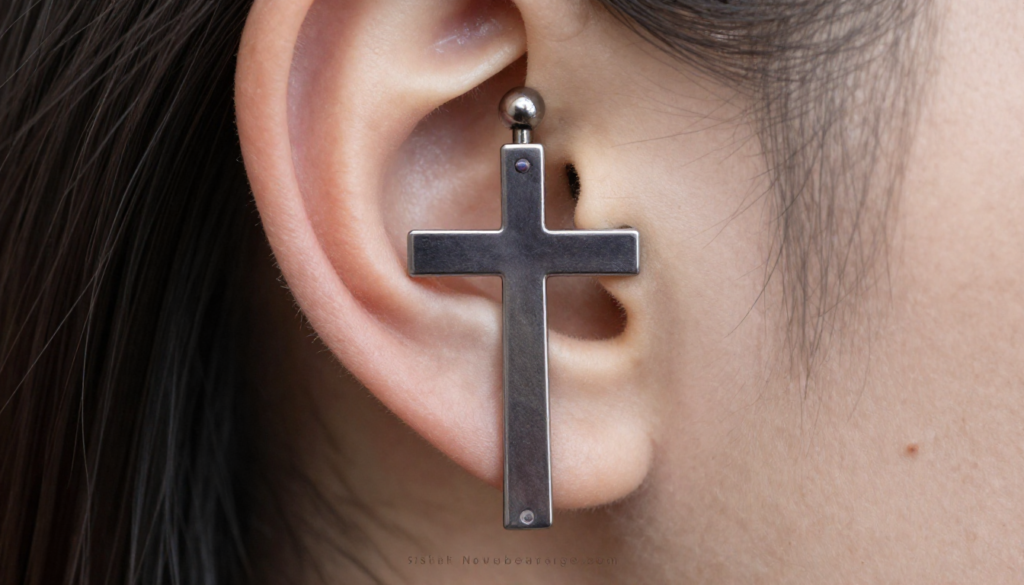
A magic cross piercing is not a single needle placement. It is a combination of piercings arranged to form the visual shape of a cross. You typically need four piercings — one above, one below, and one on each side of a central point.
The most popular placement is on the ear, specifically using helix or flat placements along the cartilage. Some people choose the tragus, anti-helix, or even the lobe area depending on their ear anatomy. When you add jewelry pieces that connect or align visually, the cross shape becomes the focal point.
Some piercers use a single piece of specialty jewelry called a magic cross bar or a floating cross piece. This gives the same effect with fewer holes. However, the version using multiple coordinated piercings tends to look more dramatic and customizable.
Quick FactThe magic cross piercing gained major momentum on social media platforms around 2022 to 2024, with searches for the style increasing by over 300% on platforms like Pinterest and TikTok during that period.
Single Jewelry vs. Multiple Piercings
Both versions are valid. Your choice depends on your pain tolerance, your budget, and how elaborate you want the final look to be.
- Single specialty piece: Less healing time, lower cost, simpler maintenance
- Multiple piercings: More customizable, more dramatic, allows for future additions
- Hybrid approach: One or two base piercings plus a piece of jewelry that extends into a cross shape
Close-up of a magic cross piercing on the upper ear cartilage, showing four small gold barbell studs arranged in a cross formation against a softly lit background.
✟
Best Placements for a Magic Cross Piercing
Placement is everything with this style. The wrong location can make the cross look crowded or misaligned. The right one turns it into a statement.
Ear Placements
The ear offers the most natural canvas for a magic cross piercing. The flat part of the cartilage near the helix gives enough space to space the piercings evenly. The anti-helix and inner conch also work well for people with larger ear cartilage.
| Placement | Pain Level (1-10) | Healing Time | Best For |
|---|---|---|---|
| Flat Cartilage | 4 to 5 | 6 to 12 months | Clean, symmetrical cross look |
| Helix | 4 to 6 | 6 to 12 months | Layered ear stacks |
| Conch | 6 to 7 | 9 to 12 months | Bold, centered statement piece |
| Lobe (Lower) | 2 to 3 | 3 to 6 months | Beginners wanting a subtle look |
| Tragus | 5 to 6 | 6 to 9 months | Small, tucked cross design |
Surface and Face Placements
Some people go bolder and place the magic cross piercing on the face or as a surface piercing on the chest, neck, or collarbone area. These require a skilled piercer who specializes in surface work. They also carry a higher risk of rejection, especially on areas that move or flex a lot.
If you are considering a face placement, research heavily. Ask to see healed photos of your piercer’s previous surface work. Rejection rates for surface piercings can reach 40 to 50 percent on high-movement areas, according to body modification professionals.
Pro TipAlways go to a professional APP-certified (Association of Professional Piercers) studio for cartilage and surface work. Their hygiene and technique standards reduce your risk significantly.
✟
How Much Does a Magic Cross Piercing Cost?
The cost varies based on whether you choose a single jewelry piece or multiple individual piercings.
- Single specialty cross jewelry piece: $40 to $100 for the piercing plus $20 to $80 for the jewelry
- Four-piercing combo: $120 to $300 depending on studio and jewelry grade
- Implant-grade titanium or gold jewelry: Adds $50 to $150 to your total cost
Never choose a studio based on the lowest price. With cartilage work especially, you pay for precision. A poorly placed piercing costs far more to correct than what you saved upfront.
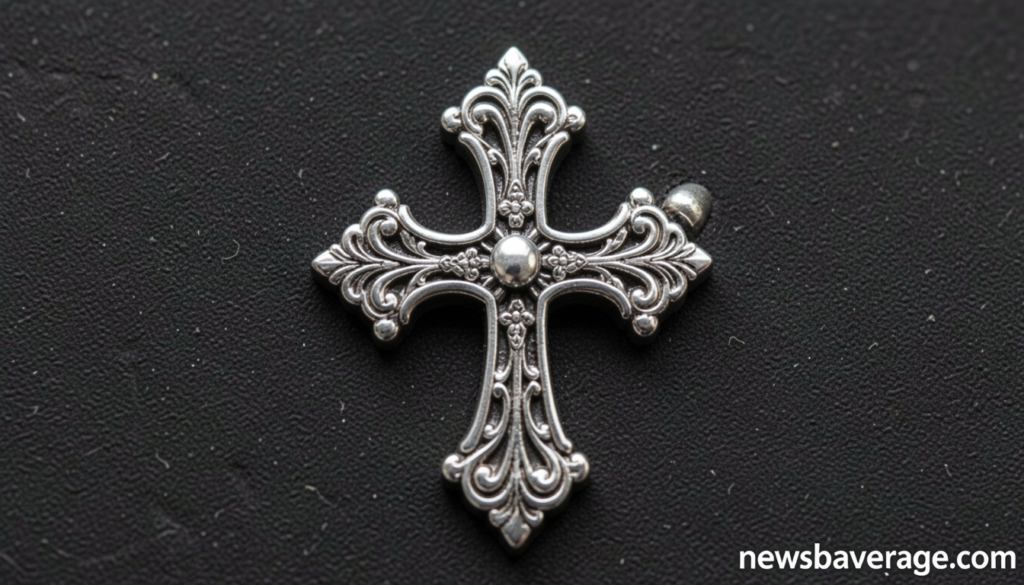
Flat lay of three titanium cross-shaped piercing jewelry pieces in gold, silver, and rose gold tones arranged on a white marble surface with soft natural lighting.
✟
What to Expect During the Appointment
Knowing what happens during your appointment reduces anxiety and helps you prepare your body properly.
Before the Piercing
Eat a full meal at least one hour before your appointment. Low blood sugar increases your chance of feeling faint. Stay hydrated. Avoid alcohol for 24 hours beforehand since it thins your blood and can increase bleeding and swelling.
The Piercing Process
Your piercer will clean the area and mark the placement with a sterile marker. You approve the placement before anything happens. For a four-point cross, they pierce one at a time with brief pauses between each. The entire session usually takes 20 to 40 minutes depending on the placement complexity.
Most people describe the cartilage piercing sensation as a sharp pressure followed by a dull throb. The first needle often feels the worst because you are building the mental expectation. By the fourth placement, many people feel surprisingly calm.
Immediately After
Expect some redness and minor swelling in the first 48 hours. This is completely normal. Your piercer will give you aftercare instructions. Follow them exactly — do not improvise.
What to BringWear hair pulled back tightly if you are getting an ear placement. Bring a snack and water. Wear comfortable clothing. And bring your ID — most studios require it regardless of age.
✟
Healing Time and Aftercare
This is where most people make their biggest mistakes. Healing a magic cross piercing requires patience. Cartilage piercings heal significantly slower than lobe piercings.
Realistic Healing Timeline
- Weeks 1 to 2: Active soreness, redness, and some clear or white discharge (this is normal lymph fluid, not infection)
- Months 1 to 3: Most external symptoms fade. The piercing feels stable but is not fully healed inside
- Months 6 to 12: Full internal healing for most cartilage placements
- 12 months plus: Safe to change jewelry without risking irritation bumps or closure
Daily Aftercare Routine
Clean your piercings twice daily with a sterile saline solution. Use a wound wash spray or mix your own with non-iodized sea salt and distilled water. Spray the solution directly onto the piercing. Do not twist, turn, or move the jewelry. That advice is outdated and causes trauma, not healing.
- Do not use hydrogen peroxide or alcohol on piercings
- Do not swim in pools, lakes, or oceans during healing
- Sleep on a travel pillow or use a clean silk pillowcase to reduce snag risk
- Keep makeup, hairspray, and dry shampoo away from the area
- Do not change your jewelry before the healing period ends
Personal NoteI made the mistake of changing my cartilage jewelry at three months because it looked healed on the outside. It caused an irritation bump that took another four months to resolve. Wait the full time — your patience will be rewarded.
✟
Best Jewelry Styles for a Magic Cross Piercing
Jewelry choice defines the entire aesthetic of your magic cross piercing. The material matters as much as the style.
Recommended Materials
- Implant-grade titanium (ASTM F136): The gold standard. Lightweight, hypoallergenic, available in anodized colors
- 14k or 18k solid gold: Beautiful long-term option. Avoid gold-plated jewelry as the coating wears off
- Implant-grade surgical steel (316L or 316LVM): Budget-friendly and safe for most people
- Niobium: Great for people with titanium sensitivity (rare but it exists)
Popular Jewelry Styles
- Flat-back labret studs: The most comfortable for cartilage. Sit flush against the skin
- Floating cross bars: A single piece of jewelry that spans multiple piercing points
- Captive bead rings: Work for certain placements but need more careful sizing
- Gem-set cross pieces: Diamonds, CZs, or gemstones elevate the look into fine jewelry territory
Side profile of a person’s ear showing a healed magic cross piercing using four small emerald-set flat-back titanium studs arranged in a cross pattern on the upper cartilage area.
✟
Magic Cross Piercing for Different Styles and Aesthetics
One reason this piercing became so popular is its versatility. It fits multiple aesthetics without looking out of place.
Minimalist and Clean
Use four tiny threadless titanium studs in a matching metal tone. Keep the cross small and close together. This version works with office dress codes and everyday outfits.
Gothic and Edge
Choose blackened titanium or oxidized silver. Add spike-end threadless pieces instead of round gems. Pair with other ear piercings for a maximalist dark aesthetic.
Elegant and Fine Jewelry
Go with solid 14k gold and pavé diamond ends. This version transitions seamlessly from casual to formal and becomes a genuine investment piece over time.
Spiritual and Symbolic
Many people choose the cross shape for its religious or spiritual meaning. If symbolism matters to you, discuss placement and size with your piercer to make sure the cross reads clearly and feels intentional.
✟
Common Problems and How to Avoid Them
Even a well-placed, well-cared-for piercing can run into issues. Knowing what to watch for helps you act fast before a small problem becomes a big one.
Irritation Bumps
These are the most common issue with cartilage piercings. They appear as small raised bumps next to the piercing site. They are usually caused by trauma, low-quality jewelry, or changing jewelry too early. Treat them by returning to strict saline aftercare and eliminating the cause.
Keloids
Keloids are raised, thickened scar tissue that grows beyond the original wound site. They differ from irritation bumps and require medical treatment. People with a family history of keloids or darker skin tones carry a higher genetic risk. Consult a dermatologist if you suspect a keloid forming.
Rejection and Migration
Surface and cartilage piercings can slowly migrate toward the surface of the skin over time. Signs include the jewelry sitting closer to the surface, visible redness around the entry and exit points, and thinning skin around the jewelry. If you see these signs, visit your piercer immediately rather than waiting.
Infection
True infection involves hot skin, yellow or green discharge, increasing pain (not decreasing), and sometimes fever. This requires medical attention, not just better aftercare. Do not remove your jewelry if you suspect infection — a closed piercing can trap bacteria inside.
✟
Is a Magic Cross Piercing Right for You?
Ask yourself these questions before booking your appointment.
- Are you ready to commit to a 6 to 12 month healing process?
- Do you have time for twice-daily aftercare?
- Does your work or lifestyle allow for visible body piercings?
- Do you have a history of keloids or skin sensitivity?
- Are you prepared to invest in quality jewelry?
If you answered yes to the first three and no to the last two, you are a great candidate. If you have a keloid history, consult a dermatologist first. That one conversation can save you significant frustration.
Before You BookResearch at least three local piercers. Look at their healed portfolio photos specifically. Ask about their sterilization process. A confident, experienced piercer will welcome those questions — not dismiss them.
✟
Final Thoughts
The magic cross piercing is more than a trend. It is a commitment to a look that takes skill to place, patience to heal, and intention to wear well. When it comes out right, it is genuinely stunning — precise, personal, and unmistakably deliberate.
Go in informed. Choose a skilled piercer. Invest in quality jewelry. And give your body the time it needs to heal properly. The result will be worth every careful step.
Are you considering a magic cross piercing — or have you already got one? Share your experience or questions in the comments below. We would love to hear your story.
Frequently Asked Questions
What exactly is a magic cross piercing?
It is a piercing style that creates the visual shape of a cross. It uses either four coordinated individual piercings or a single specialty cross-shaped jewelry piece. The most common placement is on the ear cartilage.
How painful is a magic cross piercing?
Pain varies by placement. Cartilage piercings typically rate a 4 to 6 out of 10. The lobe area is much milder at a 2 to 3. Surface piercings on the face or chest tend to have more post-piercing sensitivity than initial pain.
How long does a magic cross piercing take to heal?
Cartilage placements typically take 6 to 12 months for full internal healing. Lobe placements may heal in 3 to 6 months. Surface piercings can take up to 12 to 18 months and carry higher rejection risks.
Can I get all four piercings in one session?
Yes, most experienced piercers are comfortable doing all four in one session. However, some piercers recommend splitting into two sessions to reduce stress on your body. Discuss this with your piercer during your consultation.
What jewelry material is safest for a new magic cross piercing?
Implant-grade titanium (ASTM F136) is the top recommendation by professional piercing associations. It is lightweight, hypoallergenic, and available in various colors through anodization. Solid 14k gold is also excellent for long-term wear.
Can the magic cross piercing be removed or retired?
Yes. If you decide to remove the piercings, they will gradually close. Cartilage piercings may leave a small scar depending on how long you wore them. Removing jewelry before full healing increases the chance of visible scarring.
Is a magic cross piercing suitable for sensitive skin?
It can be. The key is starting with high-quality implant-grade titanium or solid gold jewelry. Avoid nickel-containing metals. If you have a history of contact dermatitis, do a patch test with your chosen jewelry material before committing.
How much does a magic cross piercing cost on average?
A single specialty piece costs $60 to $180 total including jewelry. A four-piercing combo at a reputable studio typically runs $120 to $300 depending on jewelry grade, studio location, and piercer experience level.
Can I wear the magic cross piercing at work?
That depends on your workplace policy. Small ear placements with subtle metal jewelry are widely accepted even in professional settings. Face and surface placements may be subject to stricter dress codes. Check your employee handbook or ask HR if you are unsure.
What should I do if my magic cross piercing gets infected?
Do not remove the jewelry. Visit a doctor as soon as possible if you see yellow or green discharge, increasing heat, spreading redness, or experience fever. A healthcare provider can prescribe appropriate antibiotic treatment while keeping the piercing in place.
📂 Category
Body Piercing & Jewelry / Ear Piercings / Body Art Trends
🏷️ Tags
magic cross piercing cross piercing ear cartilage piercing ear piercing ideas body piercing aftercare piercing jewelry helix piercing surface piercing piercing healing titanium jewelry piercing trends 2025 ear curation
SR
Sofia Raines — Body Art & Style Writer
Sofia has covered body modification, jewelry, and beauty trends for over seven years. She has worked with independent piercing studios and written for body art publications across North America. She approaches every topic from both a style and safety perspective, helping readers make informed, confident choices about their body art journey.
Also read newsbaverage.com