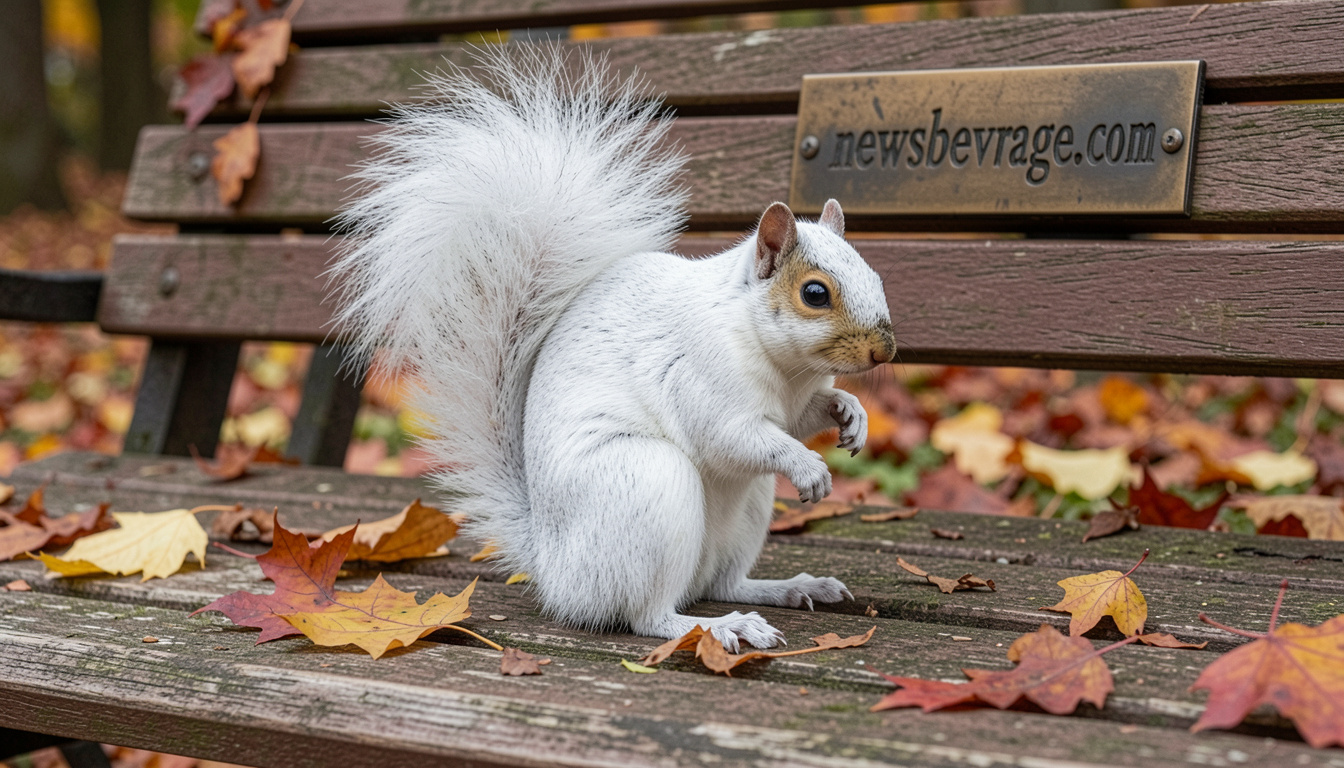
FSU Squirrel White: The Rare Campus Legend Worth Knowing in 2026
Introduction
You have probably walked past a squirrel a hundred times without a second glance. But imagine spotting one that stops you dead in your tracks — pure white, almost glowing against the green grass of a university campus. That is exactly what happens to students, faculty, and visitors at Florida State University in Tallahassee, Florida.
The FSU squirrel white sighting is not just a quirky campus moment. It has become a beloved piece of university culture, drawing attention from wildlife enthusiasts, photographers, and curious passersby. Whether you are a Seminole fan, a biology nerd, or simply someone who loves a good nature mystery, this little creature has something to offer you.
In this article, you will learn exactly what makes these white squirrels so rare, why FSU has become one of their known habitats, what science says about them, and how you can increase your chances of spotting one yourself.
What Is the FSU White Squirrel?
The white squirrel spotted around Florida State University’s campus is not a separate species. It is an eastern gray squirrel (Sciurus carolinensis) with a rare genetic trait that gives it a white or near-white coat.
There are two main reasons a squirrel might appear white:
Albinism — This is a genetic condition where the body produces little to no melanin. Albino squirrels typically have white fur, pink eyes, and pink skin. They are extremely rare in the wild.
Leucism — This is a partial loss of pigmentation. A leucistic squirrel may have white fur but retain normal eye color. It is slightly more common than true albinism but still uncommon.
Both conditions make these squirrels stand out dramatically from their gray or brown peers. And that visibility, as you will learn, comes with real survival challenges.
How Rare Are White Squirrels Really?
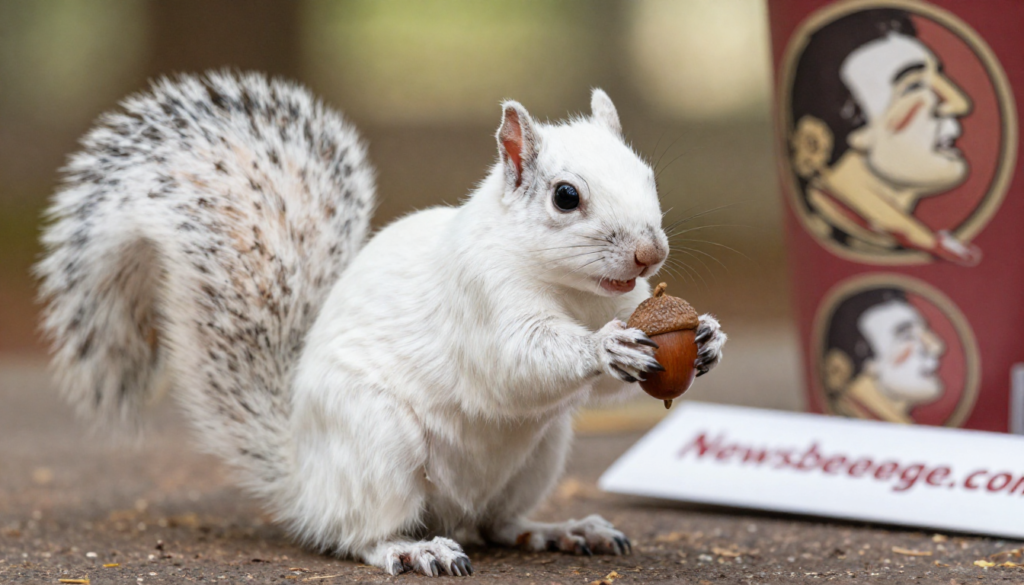
Here is a number that will surprise you: scientists estimate that true albino squirrels appear in roughly 1 in every 100,000 eastern gray squirrels. That is not a typo. One in one hundred thousand.
White squirrels of any kind, including leucistic ones, are still extremely rare in wild populations. Their white coloring offers zero camouflage. Predators spot them easily. Hawks, foxes, and domestic cats can pick them out instantly against natural backgrounds.
This is why sightings on a university campus are actually more likely than sightings in deep forests. Campuses offer:
- Fewer natural predators
- Regular human activity that deters hawks and foxes
- Abundant food sources like trash bins, planted trees, and handouts from students
- Less dense vegetation where white fur is slightly less of a disadvantage
FSU’s campus in Tallahassee provides exactly this kind of protected, semi-urban environment. The squirrels there live relatively safe lives compared to their rural counterparts.
The Science Behind the White Coat
Let us break this down simply. Your body produces melanin to give your skin, hair, and eyes their color. Squirrels work the same way. When a genetic mutation disrupts melanin production, the result is a white animal.
In albino squirrels, the mutation affects both copies of a specific gene, completely shutting down melanin production. In leucistic squirrels, a different set of genes reduces but does not eliminate pigmentation.
The recessive nature of the albinism gene means both parent squirrels must carry the gene for an offspring to be albino. Even then, there is only a 25% chance per offspring. This explains why albino animals are so uncommon. The odds are stacked against them at every level.
Researchers have also noted that albino animals tend to have weaker eyesight due to the lack of pigment in the retina. This makes survival even harder in the wild. A squirrel that cannot see well enough to spot a hawk in time will not last long.
Why FSU Campus Is a Known Hotspot
Florida State University sits in Tallahassee, which has a healthy squirrel population across the city. The campus is heavily wooded with mature oak trees, which provide both food and shelter. Acorns are a primary food source for eastern gray squirrels, and FSU’s campus is rich with them.
Over the years, white squirrel sightings have been reported repeatedly in specific areas of the campus. Buildings near the wooded quad areas and older parts of campus seem to attract squirrel activity most. Students have shared photos on social media and campus forums, creating a small but enthusiastic community of white squirrel spotters.
Campus life also naturally protects these animals. Thousands of people move through the grounds daily, making it an uncomfortable zone for larger predators. The squirrels have effectively adapted to human presence. Some are bold enough to approach people directly, especially if food is involved.
This combination of food availability, protective human activity, and dense tree coverage makes FSU’s campus one of the more likely places in the region to spot a rare white squirrel.
Other Universities with Famous White Squirrels
FSU is not alone in this. Several universities across the United States have become known for their own white squirrel populations. It is worth understanding why campuses in general seem to attract and support these rare animals.
Brevard, North Carolina is arguably the most famous white squirrel town in the United States. Around one third of the squirrel population there shows white coloring. Researchers believe this started with a small founding population carrying the leucism gene, which then spread through generations.
University of Texas at Austin has had documented white squirrel sightings on its campus. Students there have a similar enthusiasm for spotting them.
Marionville, Missouri is another town known for its white squirrel colony, where the population has grown large enough to be officially protected.
What these places share is a stable, safe environment where white squirrels can survive long enough to reproduce. When the gene stays in the population over many generations, sightings become more frequent.
FSU fits this pattern. The campus provides the protection these vulnerable animals need to live, reproduce, and pass along those rare genes.
What to Do If You Spot a White Squirrel at FSU
Seeing a white squirrel is genuinely exciting. Here is how to make the most of the moment without causing harm.
Stay calm and move slowly. Squirrels are skittish. Fast movements will send them up a tree in seconds. Slow, quiet observation gives you much more time to watch them.
Keep your distance. You do not need to be two feet away to get a good look. Respect the animal’s space. A stressed squirrel is not a happy squirrel.
Do not feed it. I know this feels counterintuitive when the squirrel looks so cute. But feeding wildlife disrupts their natural foraging behavior and can make them dependent on humans. It also attracts more animals to high-traffic areas, which creates its own problems.
Take photos from a respectful distance. A smartphone with a decent camera and a steady hand can capture a beautiful shot without crowding the animal. Zoom in rather than stepping closer.
Report your sighting. Share your photo on campus social media groups or local wildlife pages. These sightings contribute to informal tracking of the population and spread awareness.
The Cultural Significance of the White Squirrel
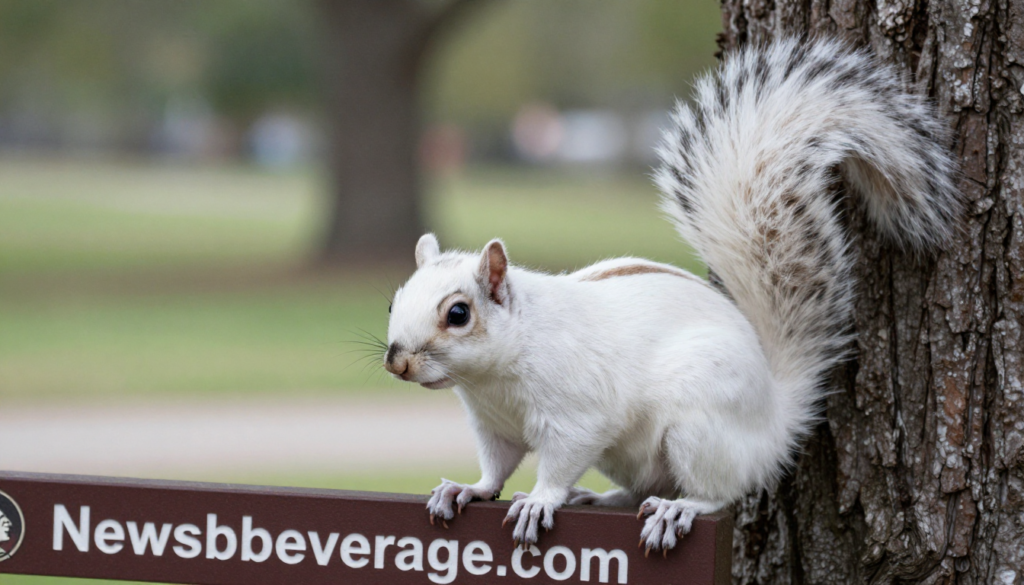
Beyond the biology, white squirrels carry real cultural weight. They appear in Native American folklore as symbols of good luck, rare gifts, and spiritual significance. In various traditions, seeing a white animal is considered a powerful omen.
On college campuses, these sightings take on a lighter but still meaningful tone. Students treat a white squirrel sighting like a small miracle in the middle of a stressful semester. There is something grounding about pausing your day to witness something so genuinely rare.
FSU has a rich tradition of campus pride and community identity. The white squirrel fits naturally into that culture. It is unexpected, it is special, and it belongs to no one while belonging to everyone.
Some students joke that spotting the white squirrel before an exam brings good luck. Whether or not you believe that, it certainly makes the walk to the exam hall more interesting.
Conservation and Campus Wildlife Awareness
White squirrels are not a protected species under federal law, but their rarity makes them worth caring about at a community level. Several things individual people can do to support healthy squirrel populations on campus include:
- Keeping pets leashed in areas where wildlife is active
- Not disturbing nesting areas in trees or near buildings
- Reporting injured wildlife to campus maintenance or local animal control
- Avoiding the use of pesticides or rodenticides near wooded areas
Healthy campuses support diverse wildlife. And diverse wildlife makes campuses better places to live and learn. The white squirrel is a visible reminder of why that matters.
Tips for Photographing White Squirrels
If you are hoping to get a great shot of the FSU squirrel white, a little preparation goes a long way.
Time your visit well. Squirrels are most active in the early morning and late afternoon. Mid-day heat often sends them into the shade or up into tree canopies.
Scout the area first. Walk through wooded parts of campus quietly and look for movement. Watch for gray squirrels too. White squirrels often move with groups of normal colored ones.
Use natural light. White fur photographs beautifully in soft morning or afternoon light. Harsh midday sun creates overexposed patches that wash out the detail.
Be patient. You might walk past the same tree three times before the squirrel decides to come down. Patience is the most important tool you have.
Conclusion
The FSU white squirrel is more than a campus curiosity. It is a living example of how rare genetic events play out in the real world, and how the right environment can give vulnerable animals a fighting chance.
If you are visiting or studying at Florida State University, keep your eyes open around the wooded areas of campus. A slow walk with your phone ready and your eyes scanning the trees could reward you with one of nature’s most unexpected sights.
Have you spotted a white squirrel at FSU or anywhere else? Share your experience in the comments or tag your photos with the campus community. These sightings are worth celebrating, and the more people pay attention, the better we understand these remarkable animals.
Frequently Asked Questions
1. What is the FSU white squirrel? It is an eastern gray squirrel with a rare genetic condition, either albinism or leucism, that gives it a white or near-white coat. It lives on the campus of Florida State University in Tallahassee, Florida.
2. Is the white squirrel at FSU albino? It could be either albino or leucistic. Albino squirrels have pink eyes and no melanin at all. Leucistic squirrels have white fur but may retain normal eye color. Both are rare.
3. How rare is a white squirrel? True albino squirrels occur in approximately 1 in every 100,000 eastern gray squirrels. Even leucistic squirrels are uncommon in wild populations.
4. Where on FSU campus can I find the white squirrel? Sightings tend to cluster around wooded quad areas and older, heavily treed parts of campus. Early morning walks through these zones give you the best chance.
5. Is it safe to approach or feed the white squirrel? You should not feed it. Feeding wildlife disrupts natural behavior and can cause dependency on humans. Observe from a respectful distance instead.
6. Why does FSU campus have white squirrels? Campus environments offer fewer predators, abundant food, and dense tree cover. These conditions help rare white squirrels survive long enough to reproduce and pass on their genes.
7. Are white squirrels protected by law? They are not a federally protected species. However, their rarity makes community awareness and responsible behavior around them important.
8. Do other universities have white squirrels? Yes. Several universities and towns across the United States, including locations in North Carolina, Missouri, and Texas, are known for white squirrel sightings or populations.
9. What should I do if I see an injured white squirrel on campus? Contact FSU campus maintenance, local animal control, or a wildlife rehabilitator. Do not attempt to handle the animal yourself.
10. Does seeing a white squirrel bring good luck? There is no scientific evidence for this, but many cultures and college students alike treat a white squirrel sighting as a positive omen. At the very least, it makes for a great story.
also read: newsbeverage.com
email: johanharwen@314gmail.com
Author Name: Jordan Ellis
About the Author : Jordan Ellis is a wildlife writer and nature enthusiast with over eight years of experience covering animal behavior, conservation, and campus ecology. A graduate of a southeastern university, Jordan has a particular interest in how wildlife adapts to urban and academic environments. When not writing, Jordan can be found hiking local trails with a camera and an eye for the unexpected.